

Checking a garden bed before watering usually means sticking a finger into the soil, but that tells you little about the root zone. A soil moisture sensor gives automated watering systems a measurable signal, while pinless and pin-type meters help you investigate damp walls, floors, and wood before damage spreads. This roundup covers both categories, including one Arduino-compatible soil probe and several building-moisture meters for home projects.
The Main Contenders

RDINSCOS Pinless Meter

RDINSCOS Pinless Wall and Floor Meter

RDINSCOS MT35 Moisture Meter

RDINSCOS Rechargeable Drywall Meter
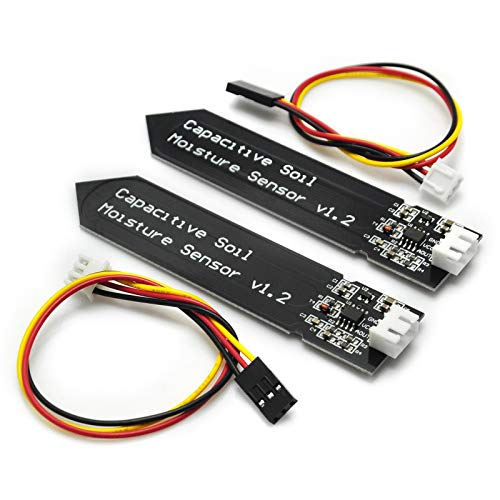
Gikfun Capacitive Soil Sensor EK1940 Pack of 2

RDINSCOS Pinless and Pin-Type Meter
The Picks, Examined More Closely
Scanning across a wall after a rainstorm is much easier when the meter has no pins to insert. Pinless means the sensor detects moisture beneath the surface without drilling or puncturing it, making the RDINSCOS model useful for rapidly checking visible stains, floors, and construction materials.
Its stated sensing depth reaches 19 millimeters, or about three-quarters of an inch. That makes it a screening tool for leaks, flooding-related dampness, and excess humidity rather than a complete building diagnostic. For homeowners checking suspicious areas, the easy-to-read display and broad material range are the main attractions.
What It Does Well
- Non-invasive scanning keeps finished walls and floors intact.
- The 19 mm depth supports checks beneath common surface finishes.
- Wall, wood, tile, and masonry coverage suits varied home repairs.
- Pinless operation speeds up broad visual inspections.
Points To Note
- Surface scanning cannot replace a deeper investigation of every concealed area.
- You still need to establish whether nearby pipes or wiring influence a reading.
At A Glance
Made For
You benefit most from this meter when you need quick, non-destructive screening of walls, floors, wood, or masonry around your home.
Consider Something Else When
The RDINSCOS Pinless and Pin-Type Meter suits you better when you need a removable probe for a smaller, more focused measurement.
Floor and wall checks put this meter in a practical renovation kit. Its digital pinless sensor scans without damaging the surface, while the stated 0.75-inch maximum depth closely matches the practical reach of the RDINSCOS Pinless Meter.
Unlike that broader four-material model, this option is framed around walls, floors, wood, and masonry. That narrower emphasis may suit someone checking flooring before installation or investigating damp patches after plumbing work, though a general inspection across several surface types calls for broader coverage.
A Strong Showing
- Digital readings support quick comparisons between scanned areas.
- A 0.75-inch depth reaches beneath common surface layers.
- Non-invasive scanning protects flooring and finished walls.
Trade Offs
- Embedded pipes or wiring can complicate interpretation of nearby readings.
- The stated material range omits tile, unlike the RDINSCOS Pinless Meter.
- Broad inspections may require moving across many areas by hand.
Quick Facts
Right Fit For
This meter fits homeowners and renovators who mainly need to screen walls and floors before painting, flooring, or repairs.
A Better Fit Elsewhere
The RDINSCOS MT35 Moisture Meter serves you better when material-specific modes and rechargeable operation justify a more specialized field tool.
Material selection makes the MT35 more useful for mixed-building inspections than a meter that offers only a general scan. Dedicated settings cover softwood, hardwood, drywall, plaster, screed, and concrete, allowing you to match the instrument to the surface instead of comparing unlike materials directly.
The rechargeable design favors contractors, inspectors, and frequent DIY users who carry one meter to multiple jobs. Its 19-millimeter sensing depth and pinless operation preserve the fast, damage-free workflow of the RDINSCOS Pinless Wall and Floor Meter while adding more control over material choice.
The Value In It
- Six material settings support more relevant comparisons.
- Rechargeable operation suits repeated mobile use.
- Pinless sensing leaves walls and floors undisturbed.
- The 19 mm depth covers common surface finishes.
- One meter handles wood, drywall, plaster, screed, and concrete.
Some Limits To Know
- Rechargeable operation means you should check the charge before a job where the meter may be out of service for hours.
Who Will Love This
Contractors, inspectors, and serious DIY renovators benefit most from the MT35 when one job site includes several different building materials.
Swap It Out When
The RDINSCOS Rechargeable Drywall Meter makes more sense for you when drywall preparation is the primary task and broad multi-material work is limited.
Drywall rarely gives you much warning before moisture becomes a repair problem. This rechargeable meter scans non-invasively to 19 millimeters, which makes it useful for checking whether suspicious patches are dry enough for painting, flooring work, or repairs.
Its six settings cover softwood, hardwood, drywall, plaster, screed, and concrete. That range overlaps with the MT35, but the drywall emphasis makes this model easier to recommend for home finishers who spend most of their time assessing walls before paint or trim work.
A Few Strong Suits
- Correct material modes reduce cross-surface comparisons.
- Rechargeable operation suits a portable tool kit.
- Non-destructive scanning protects prep work.
- The 19 mm depth suits beneath-surface screening.
Practical Considerations
- You must select the appropriate mode for each material.
- Pinless readings indicate areas of concern rather than proving the cause of moisture.
- Charging is an added step compared with a disposable-cell design.
Feature Snapshot
The Right Fit
This meter suits home finishers and homeowners checking drywall before painting, flooring, or repair work.
Look Elsewhere When
The RDINSCOS Pinless Meter fits you better when tile is a frequent surface and you prefer a simpler general-purpose selection.
This is the actual soil sensor in the group. A capacitive sensor measures moisture through the soil’s electrical properties rather than exposing metal contacts directly to the damp material, making it a natural fit for Arduino watering projects and long-term garden monitoring.
Two probes let you compare separate planting zones or place sensors at different depths. The analog output feeds a controller rather than displaying a reading by itself, so you need compatible wiring, a board with an analog input, and code that converts the signal into a watering decision.
A Favorable Mix
- Capacitive sensing suits direct soil monitoring.
- The corrosion-resistant housing suits damp garden use.
- Two sensors support zone comparisons and multi-point control.
- Analog output works with programmable garden systems.
Possible Compromises
- You need a controller, wiring, and programming for automatic watering.
- The three-pin connection requires VCC power, GND ground, and an analog signal connection.
- You must calibrate readings for your particular soil and sensor placement.
Built With In Mind
This sensor best serves Arduino hobbyists, greenhouse builders, and gardeners creating a custom watering controller.
Another Choice May Suit
The RDINSCOS MT35 Moisture Meter serves you better when you need to investigate building materials rather than automate garden irrigation.
Some jobs need speed, while others call for a concentrated measurement in a small area. This meter combines a rear-mounted pinless plate with a detachable pin probe, letting you scan across finished surfaces and then switch to a probe for focused checks.
Its materials coverage includes wood, drywall, concrete, and plaster. Compared with the RDINSCOS Pinless Wall and Floor Meter, the dual design is more adaptable when you need both broad surface screening and a localized pin-type measurement, though the probe adds another part to carry and use correctly.
What Stands Out
- Two measurement styles suit both broad and focused checks.
- The removable probe expands placement options.
- Pinless scanning protects finished surfaces.
- Wood, drywall, concrete, and plaster coverage fits common repairs.
Details To Watch
- Pin-type measurement requires a suitable insertion point.
- You must keep the detachable probe organized during transport.
Core Details
Best Suited To
Inspectors and experienced renovators benefit most when their work combines rapid surface scanning with pinpoint measurements.
Where A Sibling Pick Shines
The RDINSCOS Pinless Meter gives you a simpler, non-invasive option when you never need a pin-type measurement.
Match the Sensor to the Material
The first decision is simple: are you monitoring soil, or checking a building surface? The Gikfun EK1940 is designed for soil and garden watering, while the five RDINSCOS options measure moisture in construction materials. A wall meter cannot substitute for a buried soil probe, and a soil probe will not provide useful readings for drywall or concrete.
Start by matching the sensor to the material and the required placement. Capacitive sensing suits garden beds where the probe remains exposed to moisture, while pinless meters cover finished walls and floors without puncturing them. Pin-type measurement offers a more focused option, but it requires an appropriate insertion point.
Next, confirm the connection and output. The Gikfun sensor provides an analog signal through VCC, GND, and signal pins, so your controller needs a compatible analog input and code that turns the changing voltage into a watering threshold. Rechargeable building meters are better for frequent mobile use, though you should account for charging between jobs.
Depth and material settings narrow the choice further. A listed sensing depth of 19 mm or 0.75 inches helps with surface-level screening, while dedicated modes for wood, drywall, plaster, screed, and concrete make mixed-material work more consistent. For a single garden zone, one soil sensor may suffice; two can reveal how differently planted areas dry.
The Details That Change the Decision
Common Shopping Slip Ups
A soil sensor and a building moisture meter measure different materials, so choosing by the word “moisture” alone can leave you with the wrong tool. Check the output, connection pins, and controller requirements before buying an Arduino sensor, and confirm that the building meter covers your actual surfaces.
What The Higher Tier Buys
A more specialized building meter may add rechargeable power, several material modes, and both scanning and probe styles. Those features help on varied work sites, but a basic pinless meter can be enough for occasional checks. A soil setup, by comparison, places its cost into the electronics, wiring, and control code around the sensor.
Frequently Asked Questions
Can a soil moisture sensor be used for houseplants?
Yes, provided the probe size and moisture range suit the pot and soil. You still need a controller or multimeter to interpret the output and trigger your own watering schedule.
Does the Gikfun EK1940 work with Arduino?
The sensor provides an analog output alongside VCC and GND connections, making it suitable for an analog input on a compatible board. Your code must convert that signal into a reading and decide when to run the pump.
Are pinless moisture meters suitable for drywall?
They are useful for screening damp areas beneath drywall without making holes. Their readings help locate areas of concern, but they do not reveal the full cause or condition of concealed moisture.
What sensing depth should you look for?
A depth around 19 mm suits many surface-level inspections beneath common finishes. Greater depth may help with thicker materials, but the meter still needs to match the surface and construction method being examined.
How many soil sensors does an automated garden need?
One sensor can control one zone, while multiple sensors help manage separate beds or different moisture levels. Two probes also make it easier to compare how quickly one part of a garden dries than another.
Final Verdict
Your best choice depends on the material you actually need to measure. Choose the Gikfun EK1940 for programmable garden watering, the RDINSCOS MT35 for rechargeable multi-material inspections, and the pinless models for quick, damage-free checks of walls and floors. Match the tool to the project rather than treating every moisture problem the same.
