

A tomato bed can look productive while roots struggle in soil that compacts, drains too quickly, or holds too much water. The right growing medium gives vegetables the moisture and airflow they need, whether you are filling a few patio containers or preparing a raised bed, and the six options below cover coir, perlite, potting soil, and plant-food companions for different garden setups.
A Snapshot Of The Selections

COCF Low-EC Coco Coir Brick, 1.4 lb Compressed Potting Mix
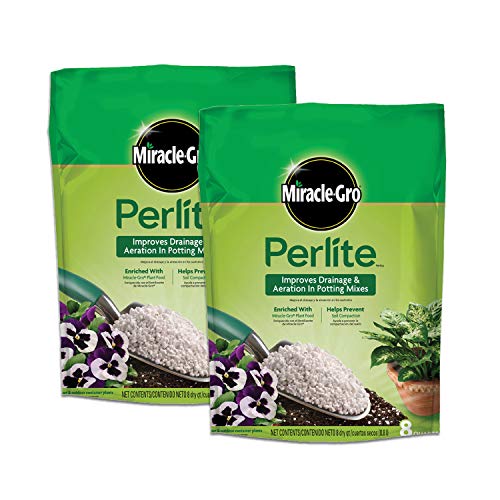
Miracle-Gro Perlite, 8 qt. 2-Pack

Kempf Compressed Coco Coir Pith Block, 10 lb

Organic Plant Magic Coir and Worm Castings Potting Soil, 4x Expansion
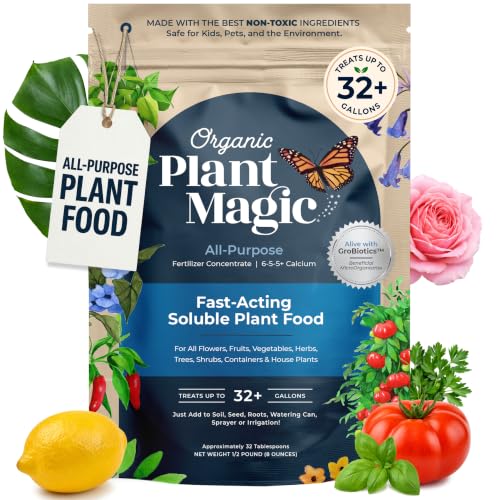
Organic Plant Magic Water-Soluble Plant Food, 1/2 lb

Organic Plant Magic Truly Organic Slow-Release Fertilizer, 4 lb
The Strengths Of Each Pick
Container vegetables need a medium that retains moisture without becoming compact. The COCF brick expands from 7.8 by 3.9 by 1.9 inches into at least 2 gallons after warm water is added, giving you a fibrous base for pots, seed starts, or raised beds.
Unlike perlite, which mainly improves an existing mix, this is a complete coir growing medium. Its low EC, meaning electrical conductivity associated with soluble salts, and near-neutral pH make it a practical fit when you want flexibility across vegetables, herbs, and flowers.
Where It Excels
- You get a ready-to-mix medium without hauling a large bag of loose soil.
- The fibrous structure supports both moisture retention and root-zone airflow.
- The compact brick fits easily in a storage closet before expansion.
- Its near-neutral pH suits a broad range of vegetables and flowers.
- You can use it for container planting, seed starting, or raised-bed filling.
Practical Considerations
- You need to plan a soaking container and mixing space before opening the brick.
- As a coir-based medium, it may need additional plant nutrition as vegetables develop.
Key Specs
Who It Suits Best
This brick suits beginners, balcony growers, and seed starters who want a compact coir medium with a predictable expansion volume.
Consider Something Else When
Choose Miracle-Gro Perlite instead when your main goal is loosening an existing potting mix rather than replacing the growing medium.
Perlite earns its place when potting soil has become dense or drains poorly. This two-pack supplies 16 quarts total for mixing into existing soil, where the light volcanic particles create air spaces and improve drainage around vegetable roots.
You should treat it as an amendment rather than a complete planting medium. Mixing it evenly into a suitable potting base gives you more control over the final texture, especially for herbs, seedlings, and vegetables that occupy containers for an entire season.
Well-Handled Touches
- You can correct compaction in an existing container mix without replacing it.
- The added air space helps water move through dense soil more evenly.
- Two eight-quart units give you enough material for several repotting projects.
- The mix includes plant food for added support during routine feeding.
Points To Note
- You need another growing medium because perlite is intended for mixing.
- The blend ratio affects the final moisture level, so begin with the label guidance.
- Two sizable bags require shelf space while unused.
Feature Snapshot
Built With In Mind
This perlite fits gardeners who already have a good soil base but need to restore airflow and drainage.
Look Elsewhere When
Choose the COCF Low-EC Coco Coir Brick when you need a complete compressed medium instead of an additive.
A raised bed rarely needs a tiny amount of medium. The Kempf block weighs 10 pounds and expands to 18 gallons, making it the practical choice for filling larger containers or preparing a broad vegetable bed without buying numerous small coir bricks.
Its pith has a strong capacity to hold water and create air pockets. The described high cation exchange capacity, a measure of how a medium holds and exchanges nutrients, also makes this coir more useful for long growing seasons, although your mix still needs an appropriate fertilizer plan.
Useful Strengths
- The 18-gallon expansion covers substantial bed and container volume.
- You gain water retention without filling the root zone with dense material.
- The fibrous structure creates air spaces and discourages compaction.
- Its pH is described as balanced for general planting use.
Some Limits To Know
- The 18-gallon expansion means you need a substantial mixing area.
- It provides a coir base rather than a fully blended, nutrient-rich potting mix.
Made For
The Kempf block suits market-garden-scale containers, large raised beds, and gardeners who want to hydrate one substantial volume of coir.
Another Choice May Suit
Choose the COCF Low-EC Coco Coir Brick for smaller jobs where a near-neutral medium and a two-gallon expansion are easier to manage.
Some vegetables need more from their potting soil than an airy base. This Organic Plant Magic blend combines coconut coir with worm castings, bringing the structure of a soilless medium and a nutritional component into one compressed product.
For a patio full of lettuce, peppers, or herbs, the convenient format reduces carrying and storage demands. The granules expand up to four times and make as much as 3 gallons, while the resealable bag is helpful when you only need part of the mix at a time.
Points In Its Favor
- You receive coir and worm castings without combining separate ingredients.
- The included essential nutrients and 55-plus trace minerals support plant growth.
- Fourfold expansion keeps the dry package compact and manageable.
- The resealable bag suits partial use and seasonal storage.
- You can use the blend indoors or outdoors.
Details To Watch
- The maximum expanded volume is three gallons, so larger beds need more than one package.
- The concentrated granules require thorough wetting and mixing before planting.
Quick Facts
The Right Fit
This potting soil fits home growers who want a ready-to-use coir blend with nutritional ingredients for vegetables and flowers.
A Better Fit Elsewhere
Choose the Kempf Coco Coir Pith Block when you need 18 gallons of coir base rather than a smaller enriched potting mix.
Good soil gives roots a place to grow, but vegetables still need nutrients as they mature. This water-soluble concentrate complements your growing medium and gives you one feeding option for vegetables, herbs, fruit, flowers, trees, and houseplants.
A half-pound package makes more than 32 gallons of liquid plant food, which is useful for a mixed home garden or a collection of indoor pots. The trade-off is straightforward: it feeds plants but does not replace the soil or structural component that supports their roots.
A Favorable Mix
- One concentrate serves a wide range of edible and ornamental plants.
- You can prepare more than 32 gallons of liquid feed from one package.
- The soluble format fits routine watering and container feeding.
- The compact package stores easily between applications.
Things To Consider
- You still need separate soil, coco coir, or another growing medium.
- Dilution and application instructions should guide how you feed each plant.
Best Suited To
This plant food suits households with several indoor and outdoor plants that need a single liquid-feeding routine.
Reach For A Different Pick When
Choose Organic Plant Magic Coir and Worm Castings Potting Soil when you need a planting medium and nutritional ingredients in one product.
Slow-release granules suit a garden routine built around fewer feeding sessions. You can place them in planting holes, mix them into soil, or spread them across the surface, giving yourself flexibility across vegetable rows, flower beds, fruit trees, shrubs, and houseplants.
Compared with the water-soluble plant food, this option changes the delivery method rather than the basic purpose. The four-pound package covers more routine garden applications, while the granules remain a fertilizer companion rather than a source of root support.
Standout Benefits
- You can apply the granules by hand or with a spreader.
- Several placement methods make it adaptable to new and established plantings.
- Slow release supports a less frequent feeding approach.
- One formula covers vegetables, flowers, fruit trees, shrubs, and houseplants.
Worth Noting
- Granules need careful placement so concentrated nutrients do not collect in one small area.
- You still need a suitable soil or growing medium for the plants themselves.
Technical Reference
Who Will Love This
This fertilizer suits vegetable gardeners and plant collectors who prefer measured granular feeding over preparing liquid food.
Swap It Out When
Choose Organic Plant Magic Water-Soluble Plant Food when mixing a liquid feed into your regular watering routine suits you better.
What Your Vegetable Soil Needs to Do
Drainage and Moisture Matter Together
Vegetables need moisture around their roots, but saturated soil excludes air and can encourage root problems. Coir and perlite both promote drainage, while a complete potting mix adds a level of convenience that matters in containers.
Your watering frequency changes the medium you need. A coir brick can require consistent moisture in warm weather, whereas a perlite-amended mix may dry more quickly because the added particles create space around the root ball.
Match the Medium to the Growing Area
Containers call for a lightweight, aerated potting medium because ordinary garden soil can compact in a limited root zone. Raised beds and in-ground rows can use the existing soil, especially when compost or other organic material improves its structure.
The COCF brick suits smaller projects, while the Kempf block covers a much larger volume after expansion. The Organic Plant Magic potting blend makes more sense when you want coir, worm castings, and included nutrients together.
Separate Growing Medium From Plant Food
Neither fertilizer on this list replaces soil. The water-soluble concentrate fits routine liquid feeding, while the slow-release granules suit top-dressing and soil-mixing methods.
Check what your soil already contributes before adding plant food. Coir provides a useful structure, but a vegetable’s changing nutrient needs may still call for a feeding plan that matches its growth stage and your chosen growing medium.
Two Details That Change Your Growing Medium
Mistakes Worth Dodging
Avoid judging a potting mix by color alone, and do not treat perlite as a complete planting medium. Check the volume your containers require, since compressed coir and potting granules expand before you fill the pots.
What Separates Premium From Basic
Higher-tier options may provide a larger expansion volume, a specific pH range, a broader nutrient blend, or a more convenient bag. Those differences matter most when you want fewer mixing steps or a predictable result across many containers.
Frequently Asked Questions
What Soil Is Best For Raising Vegetables In Containers?
A light, well-aerated potting medium works best for most container vegetables. A coir-based mix offers a convenient starting point, while perlite can loosen a denser existing blend.
Is Coco Coir Good For Vegetable Gardens?
Yes, coco coir works well for vegetables because it retains moisture while maintaining air around roots. Add appropriate plant nutrition according to the crop and the label directions.
Do I Need Fertilizer With Potting Soil?
Often, yes. Potting mixes provide limited nutrition as plants grow, so slow-release granules or water-soluble plant food can support vegetables through active growth.
Should I Use Perlite Or Coco Coir?
Use perlite to improve drainage and airflow in an existing potting mix. Choose coco coir when you want a complete compressed base that expands with water.
Can Slow-Release Fertilizer Be Used In Containers?
Yes, slow-release granules can be mixed into container soil or applied as a top dressing. Follow the package directions and keep the granules evenly distributed.
Final Verdict
The COCF Low-EC Coco Coir Brick is the most versatile starting point for small-space growers, while the Kempf block handles much larger planting volumes. Perlite solves an existing drainage problem, the worm-casting blend offers a more complete potting medium, and the two fertilizers cover liquid and slow-release feeding routines. Start with your container size, drainage needs, and preferred feeding schedule, then choose the option that matches that setup.
