

Healthy soil doesn’t just need feeding. It needs the right pH, active biological life, and enough organic matter for roots, water, and nutrients to work together. The right approach depends on whether you’re correcting alkaline soil, building a worm compost system, supporting stressed plants, or improving nutrient uptake in containers and raised beds.
Your Options, Compared

Uncle Jim’s Super Red European Nightcrawlers for Composting, 100 Count

BioBizz Bio-Heaven Organic Energy Booster 1L

Mammoth P Organic Fertilizer Microbial Inoculant, 1 Gallon/4 Liter
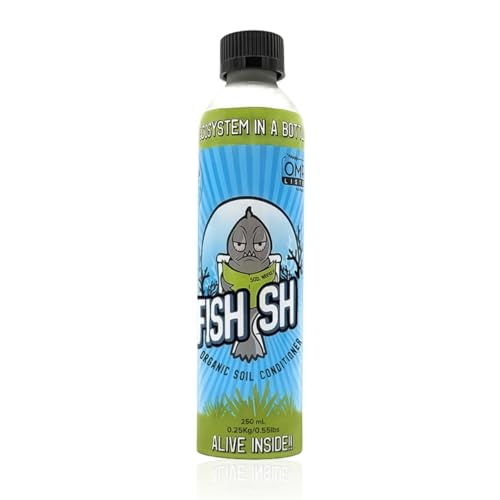
Fish Head Farms Organic Liquid Soil Conditioner, 250 ml

Earth Science Fast Acting Sulfur Granules, 5lb for Acid-Loving Plants

Uncle Jim’s Red Wiggler Composting Worms Mix for Garden Soil, 100 Count
The Details Behind The Selections
Large nightcrawlers make a practical starting point for anyone building a backyard worm bin and looking for compost activity beyond the surface. This 100-count pack centers on Super Red European nightcrawlers, described as two to five times larger than standard red worms, giving them a useful role in deeper compost processing.
Compared with Uncle Jim’s Red Wiggler mix later in this list, the emphasis is on larger European worms and the varied species that may come from mature worm beds. You need an active worm habitat, though, so the benefit arrives through a maintained bin rather than a container you can pour directly into a garden.
Everyday Wins
- The larger body size suits compost systems where deeper mixing matters.
- Varied earthworm species can distribute activity beyond the compost’s upper layer.
- Burrowing channels support water movement and root access in finished compost.
- The same 100-count pack also serves as fishing bait.
Practical Considerations
- Live animals need suitable bedding, moisture, food, and bin management.
- Finished castings take time, making this slower than applying a liquid soil conditioner.
Key Specs
Who Will Love This
This option suits home composters who want larger nightcrawlers and can provide consistent bedding, moisture, and food.
A Better Fit Elsewhere
BioBizz Bio-Heaven suits gardeners who prefer a liquid feeding routine over managing live compost worms.
BioBizz Bio-Heaven takes a different route from worm-based compost by delivering a liquid biostimulant. Amino acids are organic compounds that help plants build proteins and enzymes, while plant extracts add a broader biological component to the formula. That combination makes this most relevant for plants whose nutrient use or root recovery needs extra support.
Unlike Earth Science Fast Acting Sulfur, which addresses soil pH, Bio-Heaven works within your existing feeding program. You can use it in soil, coco coir, or hydroponic setups, and it may also be applied as a foliar spray, meaning the spray lands directly on leaves rather than being incorporated into the root zone.
Where It Excels
- Amino acids support nutrient movement through the plant’s internal transport system.
- The formula targets root development after transplanting or other stress periods.
- Soil, coco, hydroponic, and foliar applications give you flexible feeding options.
- The 1L bottle suits home growers and smaller growing spaces.
Worth Bearing In Mind
- A biostimulant supports plant functions but does not replace basic fertilizer nutrients.
- The 1L container may require additional purchases for larger growing areas.
- Dilution and application frequency should follow the product directions.
The Right Fit
Bio-Heaven best fits indoor growers and mixed-system gardeners who want amino-acid support alongside an existing plant-feeding routine.
Look Elsewhere When
Fish Head Farms Organic Liquid Soil Conditioner offers a better fit for broad, long-term soil biology work without a dedicated amino-acid booster.
Mammoth P is built for growers who want microbial support across several growing systems rather than a product tied to one type of bed. The 1-gallon format provides more volume than the smaller liquid conditioner in this list, which can suit larger gardens, collections of containers, or a busy home-growing setup.
The formula pairs beneficial bacteria with spent filtrate and is positioned for use in soil, soilless media, and hydroponics. It also focuses on the rhizosphere, the root zone where soil organisms interact with plant roots, making it more relevant to fertility and root-health programs than to a pH correction alone.
Notable Upsides
- One-gallon volume suits growers who apply biological products regularly.
- Compatibility extends across soil, soilless, and hydroponic growing methods.
- Beneficial bacteria and spent filtrate support ongoing biological activity.
- OMRI-listed status fits organic-oriented feeding programs.
Some Limits To Know
- A microbial inoculant does not supply a complete fertilizer program by itself.
- Its usefulness still depends on suitable moisture, temperature, and crop conditions.
- The larger container takes more storage space than the 250 ml conditioner.
Technical Highlights
Built With In Mind
This formula fits experienced growers and larger operations that already manage nutrients across multiple growing systems.
Where Another Pick Shines
Earth Science Fast Acting Sulfur Granules suit gardeners whose specific problem is high soil pH rather than microbial support.
A bottle of Fish Head Farms soil conditioner fits neatly into a regular watering routine. It contains more than 4,000 microbial species and billions of active microbes per dose, a level of biological diversity that distinguishes it from the single-purpose nutrient booster and smaller worm products in this list.
The formula supports the soil food web and helps make existing nutrients more available near roots. Unlike Mammoth P’s gallon-sized inoculant, this option uses a concentrated liquid you can apply across potted plants, raised beds, lawns, trees, shrubs, and houseplants, provided you follow its dilution directions.
Everyday Advantages
- High microbial diversity supports a broader soil food web.
- Concentrated liquid makes regular watering applications straightforward.
- The formula contains no added fertilizer salts.
- It fits both indoor and outdoor plant-care routines.
- It can accompany organic or synthetic feeding programs.
Details To Watch
- The 250 ml size may be short for extensive gardens or frequent applications.
- Without fertilizer salts, it supports nutrient availability but does not serve as a complete feed.
Feature Snapshot
Made For
This conditioner suits gardeners who want a simple biological treatment for mixed indoor and outdoor plantings.
Another Choice May Suit
Mammoth P Organic Fertilizer Microbial Inoculant better serves growers who need a larger container for repeated applications across multiple systems.
Earth Science Fast Acting Sulfur is a targeted answer for alkaline soil, where the pH may be too high for acid-loving plants to access nutrients comfortably. Sulfur lowers soil pH over time, and elemental sulfur provides a longer-lasting alternative to remedies that act only briefly.
That distinction makes this a poor substitute for broad biological conditioners, yet a sensible choice for blueberry patches, azalea beds, and hydrangea plantings. Soil pH is the first factor to check, because adding sulfur without a clear need can create another imbalance in a carefully planned garden.
The Upside
- Targets the specific problem of soil that is too alkaline.
- Supports acid-loving plants such as hydrangeas, azaleas, and blueberries.
- Elemental sulfur offers a longer-lasting pH adjustment.
- The 5lb granular package is easy to store and handle.
Possible Compromises
- It does not correct compaction, drainage problems, or a full fertilizer deficiency.
- Application rate and watering should follow the package directions.
- Repeated applications without testing pH may overshoot the intended range.
Best Suited To
This sulfur treatment fits gardeners growing acid-preferring plants in alkaline soil and prepared to check pH before applying it.
Swap It Out When
Fish Head Farms Organic Liquid Soil Conditioner offers a better fit for general soil biology without a specific pH-adjustment goal.
The Red Wiggler mix gives new composters a straightforward way to turn kitchen scraps into finished organic material. This 100-count starter pack may include more than one earthworm species, and that variety can help activity extend through multiple layers of a compost bin rather than concentrating near the surface.
Unlike Uncle Jim’s Super Red European Nightcrawlers, this pack centers on red wigglers and presents itself as a starter option for garden soil or fishing. The payoff comes through worm castings, nutrient-rich material created as the worms consume food scraps, along with tunnels that improve movement through the finished compost.
The Helpful Details
- A useful 100-worm starter group for a new home compost system.
- Possible species diversity supports activity across several compost layers.
- Worm castings return processed organic matter to garden soil.
- The worms also have a use as fishing bait.
Small Caveats
- You must maintain suitable bedding, moisture, food, and temperature conditions.
- Castings require time and active management before they are ready.
- Escaping worms can be an issue in bins with gaps or unsuitable bedding.
The Key Facts
Whose Shelf It Belongs On
This worm mix suits beginners prepared to maintain a compost bin and use the resulting castings in a home garden.
Reach For A Different Pick When
Uncle Jim’s Super Red European Nightcrawlers better serve composters who specifically want larger worms and deeper-working European nightcrawlers.
What Your Soil Actually Needs
Diagnose the Limiting Factor
Start by identifying the problem rather than choosing a general-purpose additive. High pH calls for a targeted sulfur treatment, while compacted or biologically inactive soil may benefit from compost, worms, or microbial conditioner. Plants that look nutrient-deficient can also have adequate fertilizer but poor root conditions, so drainage, watering, and soil structure deserve attention before another feeding product is added.
Match the Delivery Method
Liquid products suit regular watering routines and can reach plants through roots or leaves. Granules fit established beds and longer-term soil adjustments. Worms create their own long-term system: they consume food scraps, produce castings, and alter the structure of the material inside a compost bin. Each delivery method requires a different routine, so the easiest option to maintain may be more useful than the most involved one.
Fit It Into Your Routine
Consider storage, mixing, application frequency, and the size of your growing area. A concentrated liquid may suit many potted plants, while a gallon container may serve a larger collection of beds. Worm products need ongoing habitat care. Sulfur needs measured application according to soil area and the package directions.
Check the Product’s Role
Soil conditioners, biostimulants, and fertilizers overlap in garden shelves without serving identical purposes. A conditioner may improve biological activity without supplying complete nutrition. A fertilizer may add nutrients without correcting pH. A worm bin creates compost gradually. Reading the label’s stated role helps you avoid stacking products that duplicate one another.
Small Decisions With Big Soil Consequences
Wrong Turns To Avoid
Avoid adding sulfur without identifying high pH, and avoid treating a soil conditioner as a complete fertilizer. Live worm systems also need suitable conditions, while liquid and foliar products require accurate dilution. Matching the problem to the product usually matters more than adding several products at once.
What Separates Premium From Basic
Higher-priced options may offer greater concentration, larger volumes, broader microbial diversity, or specialized pH materials. Those differences help when your growing area or soil condition calls for them, but a more complex formula is not automatically better for a small garden. Basic products can be entirely sensible when the task and application rate match.
Frequently Asked Questions
Are soil nutrients the same as fertilizer?
Not exactly. Fertilizer supplies specific nutrients, while soil conditioners and biostimulants support nutrient availability, root activity, or biological processes. Your soil and plant needs determine which role each product should play.
Can soil nutrients work in containers?
Many can, but container soil dries quickly and has limited rooting space. Liquid products are especially convenient for pots, while granular sulfur or compost amendments require careful measurement and mixing.
Do microbial inoculants replace fertilizer?
No. Inoculants add microorganisms that can support nutrient availability and root-zone activity, but major nutrient shortages still need an appropriate feeding program. Use them as part of a complete soil-care routine.
How do I choose sulfur for acid-loving plants?
Start with a soil pH test and identify whether the soil is too alkaline. Elemental sulfur suits a targeted, longer-lasting adjustment, while the application amount and watering schedule should follow the package directions.
Can composting worms replace a compost bin?
No. Worms are usually kept inside a managed compost bin, where they process food scraps and create castings. Without suitable bedding, moisture, food, and containment, the worms will not develop a useful composting system.
Wrap Up
The right soil nutrient depends on the problem you can identify, not the longest feature list. Nightcrawlers and red wigglers suit committed composters, liquid products serve regular feeding routines, Mammoth P covers larger biological programs, and sulfur addresses a specific pH issue. Match the method to your garden and choose the routine you can maintain.
