

An ivy vine spilling from a windowsill pot looks effortless until the soil stays soggy or dries out too quickly. The right potting mix gives roots a steady supply of moisture while leaving enough room for air, which matters especially when you repot a climbing vine into a larger indoor container. These options cover compact apartment projects, routine houseplant care, and container gardens that need extra drainage.
Your Options, Compared

LGM Organic Soil 0.5 Cu Ft

Miracle-Gro Houseplant Mix
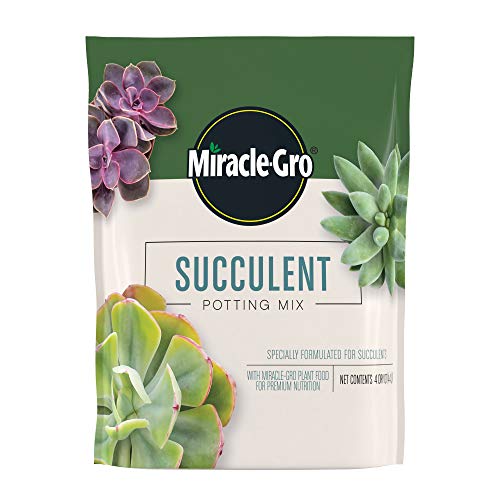
Miracle-Gro Succulent Mix
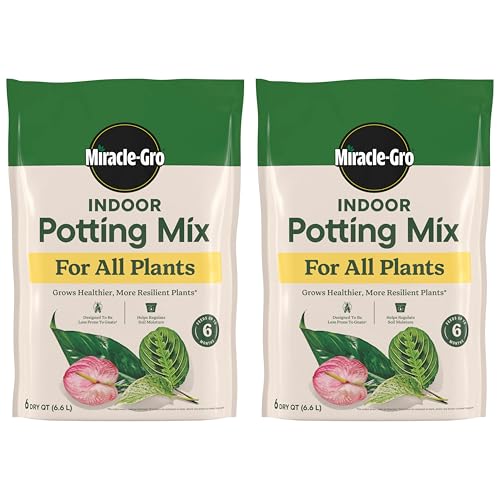
Miracle-Gro Indoor Mix 6 qt.

Perfect Plants Bonsai Soil 8 qt.
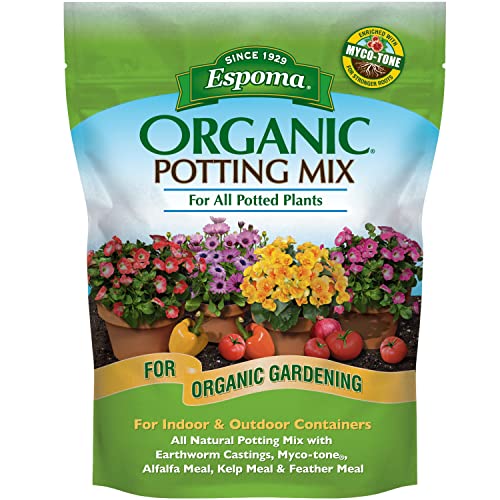
Espoma Organic Soil for Containers 8 qt.
Taking A Closer Look At The Options
The 0.5-cubic-foot bag makes more sense than a large sack when your project involves a few indoor ivy pots. Its 11-ingredient formula combines composted forest products, sphagnum peat moss, perlite, kelp meal, and beneficial microbes, giving roots a balanced mix without synthetic fertilizers.
Sphagnum peat moss holds moisture between waterings, while perlite creates air space so the root zone does not become dense. That balance suits apartment plants that receive consistent care, although a large balcony planter may require more than this compact bag.
Well-Handled Touches
- Comes ready to use, so repotting does not require another mixing session.
- The peat-and-perlite base balances moisture retention with drainage.
- Works for pothos, monsteras, snake plants, and other familiar houseplants.
- Also suits seed starting, cuttings, and outdoor containers.
- The small bag stores neatly in apartments, closets, or balconies.
Things To Consider
- Its 0.5-cubic-foot size is convenient but limited for several large planters.
- The general-purpose formula still benefits from a pot with drainage holes.
Key Specs
Made For
You benefit most from this option when repotting a few compact houseplants in an apartment or maintaining an indoor propagation station.
Where Another Pick Suits Better
Espoma Organic Soil for Containers 8 qt. better serves a large patio project that needs more soil for herbs, vegetables, and flowering plants.
A routine ivy repot calls for a dependable medium, not necessarily a specialized formula. This 4-quart houseplant mix provides indoor plants with nutrients and can feed them for up to six months after potting, reducing the need to add another feeding immediately after repotting.
That built-in feeding period makes it practical for a windowsill collection where you want an easy routine. Compared with LGM Organic Soil 0.5 Cu Ft, it offers more medium in one container, though its featured benefit centers on post-potting nutrition rather than a fully itemized ingredient blend.
Useful Touches
- Provides feeding for up to six months after potting.
- Formulated specifically for indoor houseplants.
- The 4-quart size covers several small to medium containers.
Worth Noting
- A large floor planter may need more than one 4-quart bag.
- Use a container with drainage so excess water can leave the root zone.
Right Fit For
You get the most benefit when you maintain several standard indoor houseplants and want feeding built into the potting stage.
Consider Something Else When
Perfect Plants Bonsai Soil 8 qt. better serves an expanded bonsai collection with multiple shallow containers.
This is a soil choice for a very different kind of indoor plant. The formula is intended for succulents such as aloe, cacti, echeverias, houseleek, and burro’s tail, all of which benefit from a faster-draining medium than an ordinary ivy pot usually needs.
Its practical advantage is a clearly defined use. A single 4-quart bag fills one 8-inch container, although the actual quantity depends on the root ball. For ivy, the drainage emphasis can leave the mix less suitable than a balanced houseplant blend.
The Good Stuff
- Formulated for indoor succulents and cacti.
- Coverage is clearly stated for an 8-inch container.
- Supports a broad range of succulent varieties.
Trade Offs
- The succulent focus makes it a poor match for moisture-loving ivy.
- Container coverage changes with the size of the root ball.
At A Glance
Who Will Love This
You will appreciate this focused formula when your indoor collection centers on cacti, aloe, or other succulents.
Not Your Match When
Miracle-Gro Houseplant Mix offers a more suitable starting point for a pothos or ivy sharing the same indoor space.
The two-pack gives you 12 quarts in total, which is useful when one windowsill ivy shares a shelf with ferns, flowering plants, and several starter pots. Its blend includes sphagnum peat moss, coir, and perlite, combining moisture retention with the lightness needed for indoor containers.
Coir is the fibrous material from coconut husks, and it helps the mix retain water without becoming densely packed. Unlike Miracle-Gro Succulent Mix, this formula is designed around a broader collection of indoor plants, making it the more sensible all-around choice for a mixed shelf.
What It Does Well
- Suits a varied collection of indoor plants.
- The peat, coir, and perlite blend balances moisture and drainage.
- A lightweight composition makes repotting and handling easier.
- Two 6-quart bags cover multiple medium-sized pots.
Minor Gripes
- The all-plants formula is not tailored specifically to ivy.
- You may have leftover medium after repotting a single small vine.
Technical Sheet
Built With In Mind
This option fits you best when you repot a varied indoor plant collection and value a light, general-purpose medium.
Look Elsewhere When
LGM Organic Soil 0.5 Cu Ft. better serves a single apartment repot where compact storage matters.
Shallow bonsai containers need a soil that can hold moisture while still moving excess water away from fine roots. Perfect Plants Bonsai Soil is an organic, multipurpose blend made for all bonsai tree types, with water retention and drainage as its defining goals.
The 8-quart volume suits several containers, while the resealable bag helps preserve unused mix between projects. An ivy trained in a bonsai-style pot can benefit from that moisture control, although the general-purpose formula remains focused on bonsai care.
What Stands Out
- Balances water retention with excess-moisture drainage.
- Designed for all bonsai tree types.
- The resealable package helps store unused soil.
- Eight quarts support multiple container projects.
Points To Note
- The formula is primarily intended for bonsai rather than standard houseplants.
- Eight quarts may be more than a single small ivy repot requires.
The Right Fit
You will find this mix most useful for bonsai owners or anyone training ivy in shallow decorative containers.
A Better Fit Elsewhere
Espoma Organic Soil for Containers 8 qt. better serves an indoor ivy pot alongside herbs or vegetables on a patio.
This organic blend works across an indoor ivy collection and a balcony filled with herbs or vegetables. Its formula combines sphagnum peat moss, humus, and perlite with earthworm castings, alfalfa meal, kelp meal, feather meal, and MYCO-TON.
The peat and humus hold moisture, while perlite supports drainage in containers. Compared with Miracle-Gro Houseplant Mix, it offers a longer ingredient list and a broader indoor-outdoor remit, making it a practical choice for mixed patio and windowsill projects.
Positive Points
- Works in indoor and outdoor containers.
- Supports ivy, herbs, vegetables, and flowers.
- Organic components include castings and several plant-based meals.
- The peat, humus, and perlite base manages moisture and aeration.
- An 8-quart bag covers multiple container projects.
Softer Spots
- The 8-quart size can be excessive for one small indoor pot.
- The broad-purpose blend offers no ivy-specific feeding schedule.
Feature Snapshot
Whose Shelf It Belongs On
You benefit most when you want one organic mix for houseplants, kitchen herbs, and patio containers.
Skip It When
Miracle-Gro Indoor Mix 6 qt. better serves an indoor-only collection where a lighter, higher-volume option is useful.
What Ivy Needs From a Potting Medium
Ivy prefers consistently moist soil, but saturated roots still need oxygen. Look for a medium that combines a moisture-holding component such as peat moss or coir with perlite or another coarse material that creates air space. A dense or fine mix can remain wet too long, especially in a decorative pot with restricted drainage.
The container matters almost as much as the soil. Choose a pot with drainage holes and avoid leaving standing water in a cachepot or saucer. For an especially large vine, a mix that stays lightweight makes repotting and watering more manageable.
Match the Formula to the Job
A general indoor blend works well for ivy sharing a shelf with pothos, philodendrons, or ferns. A compact organic formula makes sense for one or two small pots, while a larger bag helps with multiple containers or a seasonal patio project.
Skip succulent mix for a moisture-loving ivy. Its faster-draining profile suits cacti and other plants adapted to storing water, so using it for ivy may make your watering routine unnecessarily demanding.
Check the Practical Details
Confirm the bag size against your pot volume before opening it. A general guideline is to fill the container without compressing the mix too firmly, leaving room for watering, but your actual root ball and pot dimensions should guide the amount.
Also consider storage. Smaller bags are easier to handle in an apartment, while larger bags make sense when you have a balcony, utility area, or several planters to fill at once.
Mistakes Worth Dodging
Avoid choosing soil only because the bag says it works for all plants. The term covers very different moisture needs, so you still need to match the drainage level to the plant. Also do not skip the drainage hole just because the mix contains perlite, since perlite cannot replace an outlet for excess water.
What Separates Premium From Basic
The added cost often comes from a more deliberate blend, organic amendments, resealable packaging, or a volume that reduces the need for extra purchases. Those features matter most when you repot several plants or want a formula suited to a specific growing style, rather than selecting solely by bag size.
Frequently Asked Questions
Can regular potting soil be used for indoor ivy?
Regular potting soil can work when it retains moisture while providing enough drainage. Avoid dense garden soil that compacts closely around the roots.
Do indoor ivy pots need drainage holes?
Drainage holes let excess water escape and reduce the risk of waterlogged roots. Decorative covers work well when water can still leave the inner pot.
Is succulent soil suitable for indoor ivy?
Succulent soil drains faster than ivy usually needs, making your watering routine more demanding. An indoor houseplant mix is a better starting point.
How much potting soil does an ivy repot need?
Choose enough to fill the new container around the root ball without packing it tightly. A compact bag suits one small pot, while a larger bag covers multiple planters.
Which ingredients are useful for indoor ivy?
Peat moss or coir can retain moisture, while perlite adds air space. A blend with organic amendments may provide additional nutrition after repotting.
Final Verdict
LGM Organic Soil 0.5 Cu Ft. works well for compact apartment repotting, while Miracle-Gro Indoor Mix 6 qt. handles larger indoor collections. Choose Espoma Organic Soil for Containers 8 qt. when your plants span the windowsill and patio, and keep the succulent formula focused on cacti and other water-storing plants.
