

A tomato bed can look productive while still needing better nutrition, especially when plants stretch instead of setting fruit. I focus on fertilizer format, nutrient balance, soil type, and watering habits to help home gardeners match the right food to their tomatoes, containers, and growing setup.
An Overview Of The Picks
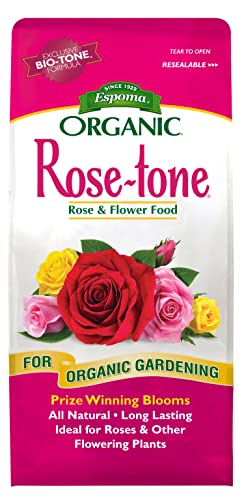
Espoma Organic Rose-Tone 4-3-2 Fertilizer, 4 lb Bag, Pack of 2

Down To Earth Bio-Fish 7-7-2 Fertilizer, 5 lb

FoxFarm Bush Doctor Kelp Me Kelp You Seaweed Plant Food, 1 Pint
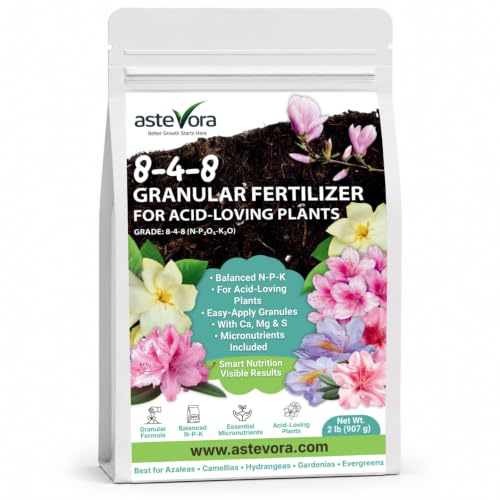
GARDENWISE 8-4-8 Acidic Fertilizer for Azaleas, Camellias, Blueberries, 1 Quart

GARDENWISE 10-10-10 Slow-Release Granular Fertilizer, 1 Quart

GARDENWISE 20-20-20 Water-Soluble Powder Fertilizer, 1/2 Quart

Organo Republic Mycorrhizal Fungi Soil Inoculant and Root Stimulator, 1 lb
The Picks, Examined More Closely
This fertilizer is built around roses and other flowering plants, so its place in a tomato garden needs a little context. Its 4-3-2 analysis provides nitrogen for foliage, phosphorus for root and flower development, and potassium for general plant resilience.
The two 4-pound bags suit flower beds and mixed gardens where tomatoes share space with roses or climbing ornamentals. For a dedicated tomato bed, the GARDENWISE 10-10-10 option has a more direct fit.
Positive Takeaways
- Includes 5% calcium alongside its 4-3-2 nutrient profile.
- Supports roses, climbers, viburnum, bougainvillea, and clematis.
- The two-bag format gives mixed flower gardens useful inventory.
Things To Consider
- Tomatoes are not the named crop, so this is not my tomato-specific selection.
- Two 4-pound bags require more storage space than a single smaller container.
At A Glance
Who It Suits Best
I recommend this for gardeners tending roses and flowering plants alongside a small number of tomatoes.
Another Choice May Suit
GARDENWISE 10-10-10 Slow-Release Granular Fertilizer serves a dedicated tomato bed more directly.
Fish meal and fish bone meal give this fertilizer a different character from the mineral-style products in this list. Its 7-7-2 analysis balances nitrogen and phosphorus while retaining potassium for plant resilience and bloom support.
For tomatoes, I see this as a sensible soil-building option for beds where root development matters and organic gardening practices are important. Compared with GARDENWISE 20-20-20, it offers a more substantial fertilizer profile for in-ground soil.
Why It Works Well
- The 7-7-2 formula gives seedlings and transplants meaningful phosphorus support.
- Marine-derived ingredients suit gardeners favoring organic soil inputs.
- OMRI Listed for organic use, which helps with certified-system planning.
Trade Offs
- The 5-pound bag needs a dry storage place away from dampness and spills.
- Its richer soil-building focus may be more than a container needs.
Feature Snapshot
Made For
This fits organic-minded gardeners feeding tomatoes in an established garden bed.
Look Elsewhere When
Container gardeners wanting easy liquid feeding may prefer GARDENWISE 20-20-20.
Liquid seaweed fertilizer earns its place when one tomato garden includes several watering systems. This formula comes from Ascophyllum nodosum seaweed and fits in-ground soil, drip irrigation, and hydroponic cultivation.
Its 0.5-0-0.5 analysis is light on nitrogen and phosphorus, so I would treat it as supplemental nutrition rather than a complete feeding plan. That makes it less direct than GARDENWISE 10-10-10 for a newly prepared tomato bed.
Practical Advantages
- The liquid format reaches root zones through soil or irrigation water.
- One formula supports beds, drip systems, and hydroponic gardens.
- Seaweed-derived nutrition suits fruit, vegetable, and flower gardens.
Minor Gripes
- The low nutrient analysis offers less support during vigorous tomato growth.
- Liquid feeding requires regular application and careful dilution.
Who Should Grab It
I favor this option for gardeners combining containers, drip lines, and hydroponic tomato crops.
Reach For A Different Pick When
FoxFarm’s liquid seaweed fits system flexibility better than GARDENWISE 20-20-20 does.
This is a targeted acidic fertilizer rather than a general tomato feed. The 8-4-8 analysis supports foliage and flowers, while magnesium, iron, and manganese complement the needs of acid-preferring plants.
I see it serving a mixed backyard well, especially where blueberries share a bed with azaleas, camellias, gardenias, hydrangeas, magnolias, evergreens, and rhododendrons. Tomatoes occupy a different category in this list.
Notable Upsides
- Iron and manganese suit plants associated with acidic soil conditions.
- Its 8-4-8 profile favors leafy growth over nitrogen-heavy feeding.
- One quart simplifies feeding several compatible acid-loving plants.
Practical Considerations
- Tomatoes are not among the named plants, so this lacks a direct fit.
- Using it in a tomato bed may not match the nutrient needs of the crop.
Quick Facts
The Right Fit
This belongs with gardeners focused on blueberries, rhododendrons, and other listed acid-loving plants.
Swap It Out When
GARDENWISE 10-10-10 Slow-Release Granular Fertilizer is the better match for tomatoes.
Tomatoes appear directly in this fertilizer’s plant list, which makes the 10-10-10 granular formula much easier to justify for a dedicated vegetable garden. Equal proportions of nitrogen, phosphorus, and potassium provide a balanced starting point.
The slow-release format suits gardeners who want an even approach across tomatoes, shrubs, flowers, fruit trees, and other outdoor crops. It is less convenient than dissolving nutrients in irrigation water, though.
Reasons It Performs
- Tomatoes are specifically included among the listed plants.
- The equal 10-10-10 analysis supports a broad mix of garden crops.
- Slow-release granules suit routine outdoor feeding.
- Works for vegetables, fruit trees, shrubs, flowers, and lawn areas.
Points To Note
- Granules require careful distribution around each planting area.
- A one-quart container may need replenishment in a large vegetable bed.
Built With In Mind
I recommend this for new gardeners starting a mixed outdoor bed that includes tomatoes.
A Better Fit Elsewhere
GARDENWISE 20-20-20 suits container tomatoes better because it dissolves in water.
Container tomatoes make precise watering and feeding easier to manage, and this water-soluble powder fits that routine neatly. The 20-20-20 formula gives equal parts nitrogen, phosphorus, and potassium for foliage, roots, and flowers.
Because the powder dissolves into water, it can be distributed through a watering can or irrigation setup. Compared with the granular 10-10-10 option, it offers finer control over each container’s watering cycle.
A Few Highlights
- Dissolves in water for convenient container feeding.
- The balanced analysis supports leaves, roots, and blossoms.
- Works with vegetables, orchids, flowers, and lawn plants.
- One half-quart container keeps handling and storage manageable.
Small Caveats
- Accurate dilution matters when feeding container plants.
- Liquid feeding needs more attention than a slow-release granular product.
The Details
Whose Shelf It Belongs On
This suits balcony and patio gardeners managing tomatoes in containers or grow bags.
Consider Something Else When
Down To Earth Bio-Fish is better for gardeners emphasizing organic soil fertility.
Mycorrhizal fungi are beneficial organisms that associate with plant roots, making this a different kind of soil input. Instead of relying on a standard N-P-K analysis, it focuses on the root zone and the biological life around it.
I would pair it with a conventional tomato fertilizer rather than treat it as a stand-alone feed. For gardeners restoring depleted soil or giving transplants a focused root-zone start, that distinction matters.
Benefits That Matter
- Targets the biological zone around plant roots.
- Contains 400,000 propagules in each one-pound pack.
- OMRI Listed for use in organic gardening systems.
- Complements fertilizer rather than competing with it.
Where It May Fall Short
- It does not replace the basic nutrients tomatoes need.
- The one-pound pack needs careful storage to remain dry.
Core Details
Who Will Love This
This appeals to soil-focused gardeners preparing planting beds or transplanting tomato starts.
Not Your Match When
GARDENWISE 10-10-10 is the simpler choice for gardeners seeking direct nutritional feeding.
Matching Tomato Food to the Growing Setup
Start with the nutrient balance
N-P-K describes the proportion of nitrogen, phosphorus, and potassium in a fertilizer. Nitrogen supports leaves, phosphorus contributes to roots and flowers, and potassium supports resilience and fruit development, so equal formulas can suit general-purpose feeding.
Match the format to watering habits
Granular fertilizer suits routine bed feeding, while water-soluble powder offers finer control for containers. Liquid seaweed fits gardeners using drip irrigation or hydroponics, and soil inoculants focus on the biological environment around roots.
Account for the wider garden
Acid-loving fertilizers make sense for blueberries, rhododendrons, and similar plants. Mixed gardens can use an all-purpose formula across several crops, while a dedicated tomato bed benefits from a product that names tomatoes directly.
Account for storage and handling
Dry granules and powders need protection from moisture. Liquid concentrates require careful dilution, and larger bags demand more shelf space, so the most convenient option is usually the one I can store and measure without fuss.
Getting the Feeding Routine Right
Mistakes Worth Dodging
Choosing fertilizer solely by the largest number on the bag overlooks what each nutrient does. I also avoid using an acidic blend for ordinary tomatoes merely because it contains trace minerals.
The Upgrade Payoff
More specialized inputs may add fish-derived ingredients, liquid delivery, or concentrated fungal inoculants. Those features suit particular soil and watering systems, while a balanced general-purpose fertilizer remains the straightforward choice for many beginners.
Frequently Asked Questions
What Is the Best Fertilizer for Growing Tomatoes?
GARDENWISE 10-10-10 Slow-Release Granular Fertilizer is the most direct choice because tomatoes are included among its listed plants. Its balanced analysis also works across many outdoor garden crops.
Can Liquid Fertilizer Be Used on Container Tomatoes?
Yes, and GARDENWISE 20-20-20 Water-Soluble Powder Fertilizer dissolves into the watering solution for even container feeding. Accurate dilution is essential because container soil offers limited buffering.
Does a 10-10-10 Fertilizer Work for Tomatoes?
Yes, an equal 10-10-10 analysis supplies nitrogen, phosphorus, and potassium for general growth and fruiting. Granular slow-release feeding is especially convenient for tomatoes grown in outdoor beds.
Is a Mycorrhizal Soil Inoculant Necessary for Tomatoes?
No, it is a supplemental root-zone input rather than a necessary tomato food. Organo Republic Mycorrhizal Fungi is most useful alongside a balanced fertilizer for gardeners focused on soil biology.
How Do I Choose Between Granular and Liquid Fertilizer for Tomatoes?
Granular fertilizer suits gardeners who want fewer watering-related feeding steps. Liquid or water-soluble fertilizer gives container growers more control over the amount delivered during each watering.
