

A tray of tiny seedlings is sensitive to everything you put around its roots. You need a growing medium that holds enough moisture for early growth without staying so wet that oxygen becomes scarce, and the right mix can also make later transplanting easier. The six options below cover seed starting, container gardening, indoor growing, bonsai care, and larger batches.
A Quick View Of The Lineup

COCF Low-EC Coco Coir Brick 1.4 lb, Near-Neutral pH for Seed Starting

Plant Success Great White 3-in-1 Root Formula, 32 oz
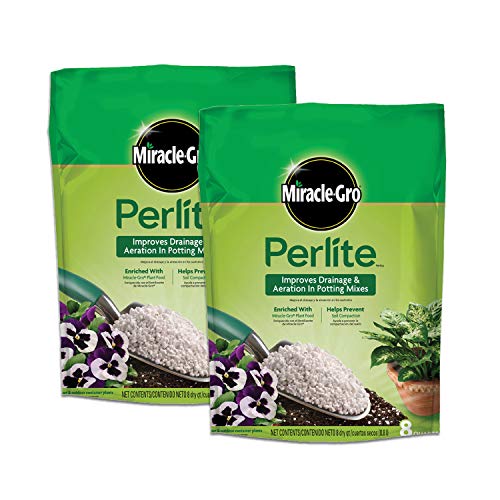
Scotts Miracle-Gro Perlite 8 qt, 2-Pack

FoxFarm Ocean Forest Potting Soil 1.5 cu ft

Spike & Bloom High-Drainage Bonsai Soil, 7 lb, 4 qt, Slightly Acidic, Mycorrhizal

PlantBest Coco Peat Garden Soil 11 lb
Taking A Closer Look At The Options
Coco coir is compressed coconut fiber that expands after moisture is added, making this brick practical for a small seed-starting batch or a crowded potting shelf. Its low EC, meaning low electrical conductivity and reduced salt concentration, and near-neutral pH give you a broadly compatible base for vegetables, herbs, flowers, and indoor plants.
You may find the coir more useful than a loose potting mix when storage space is tight, because the 1.4-pound brick measures 7.8 by 3.9 by 1.9 inches before expansion. By comparison, FoxFarm Ocean Forest arrives as a ready-to-use 1.5-cubic-foot bag rather than something you must hydrate and loosen.
Useful Touches
- Expands to at least 2 gallons in roughly seven minutes, giving you a workable batch without a large bag.
- The fibrous structure balances moisture retention with airflow around developing roots.
- Low salt levels and near-neutral pH suit a broad range of common seed-starting plants.
- Free of chemical binders and synthetic additives, which simplifies your ingredient check.
Trade Offs
- You need to prepare a suitable container before adding water, since the compressed brick expands considerably.
- Coir holds water well but may need an appropriate partner material for plants that demand especially quick drainage.
At A Glance
Made For
You benefit most from this brick when you start seeds in small batches, work on an indoor shelf, or want a portable coir medium.
Where Another Pick Shines
FoxFarm Ocean Forest suits you better when you want a ready-mixed medium for larger containers without preparing a compressed block.
Great White is not a bag of soil, and that distinction matters. It is a concentrated microbial treatment for seed starting and transplanting, giving you a way to support root-zone biology while using your own potting medium. That makes it a companion to the COCF coir brick rather than a direct replacement.
Mycorrhizal fungi form a symbiotic relationship with plant roots, helping the plant access nutrients in exchange for sugars produced by the plant. The formula also includes beneficial bacteria, so you get several biological inputs intended to support germination, root development, and later flowering or fruit production.
Benefits That Matter
- Supports seed germination and early rooting during the most delicate stage of plant development.
- Works alongside potting soil, giving you more control over the base medium and its texture.
- Useful at transplanting, when disturbed roots need support as they establish in a new container.
Practical Considerations
- This formula cannot provide the physical support, aeration, and moisture control required from a growing medium.
- You must follow the product directions carefully to apply the concentrated microbial formula at the appropriate stage.
Key Specs
Who It Suits Best
You benefit most from Great White when you already have a sound potting mix but want added microbial support during sowing and transplanting.
Consider Something Else When
COCF Low-EC Coco Coir Brick is the better fit when you still need a complete physical growing medium rather than a root-zone additive.
Perlite is a lightweight, porous amendment, not a complete potting mix. You add it to a denser medium when a seed tray stays wet too long or when the soil in your containers begins to compact. Its usefulness comes from opening space around roots rather than supplying a bed of soil on its own.
The two-pack contains 8 quarts per pack, making it a practical upgrade for repeated propagation sessions. Unlike the pre-mixed FoxFarm Ocean Forest, this option lets you decide how much drainage your existing medium needs, which is useful when your plants range from moisture-loving herbs to herbs that prefer faster drying.
Noteworthy Benefits
- Lightens dense potting mixes and creates more room for air around fine seedling roots.
- Improves drainage without changing your base mix into an entirely different medium.
- Includes plant food, giving your amended mix an added nutritional component.
Points To Note
- You need another potting medium because perlite alone does not provide the same root support as soil.
- Mixing ratios matter, and using too much can leave the finished blend less cohesive around small roots.
Built With In Mind
You benefit most from perlite when you already have a reliable base mix and want to improve drainage for a specific plant or tray.
Another Choice May Suit
FoxFarm Ocean Forest suits you better when you prefer a complete, ready-to-use medium without deciding how much perlite to add.
Ocean Forest removes the blending step. You can move it into a container and start using it for seedlings, houseplants, or other container-grown plants. Its light, aerated texture is the main attraction, while the blend of earthworm castings, fish meal, and crab shell gives you a more substantial medium than an amendment such as perlite.
A 1.5-cubic-foot bag fits the middle of this roundup nicely. You get more room than the COCF brick creates after expansion, but less compact storage than PlantBest’s 11-pound compressed block. For a sizable batch of pots, that middle ground often feels easier to manage.
Strong Points
- Arrives ready to use, saving you from measuring or combining separate growing ingredients.
- The aerated texture supports drainage while retaining enough structure for container plants.
- Earthworm castings and marine-derived ingredients add fertility to the finished medium.
Where It May Fall Short
- Animal-derived ingredients may not suit a setup that avoids fish, crab, or earthworm products.
- The loose bag takes more storage space than a compressed coir block, even though it avoids preparation.
Right Fit For
You benefit most from Ocean Forest when you want one ready-made medium for multiple pots and a broad mix of container plants.
Not Your Match When
PlantBest Coco Peat Garden Soil is the better fit when compact storage and a peat-free base matter more than using a ready-mixed blend immediately.
Bonsai pots demand a different balance from most seed trays. Their shallow profile and restricted root space call for a gritty medium that drains promptly, and this Spike & Bloom mix targets that setting with 7 pounds of slightly acidic soil containing mycorrhizal fungi. It is a more specialized choice than the general-purpose FoxFarm blend.
The mix is intended for indoor and outdoor bonsai, including juniper, ficus, and maple. For a standard vegetable seed tray, its fast-draining character may feel excessive unless you blend it with something more moisture-retentive. For a shallow bonsai container, that same texture becomes the central advantage.
The Good Stuff
- The gritty structure promotes drainage and airflow in shallow bonsai containers.
- A slightly acidic pH suits the listed juniper, ficus, and maple bonsai varieties.
- Mycorrhizal fungi add biological support for roots in a mineral-based medium.
Less Ideal Details
- The high-drainage texture is less suitable for an unamended seed tray that needs steadier moisture.
- Four quarts may be modest compared with the bulk needed for a large collection of mature bonsai.
Quick Facts
Who Should Grab It
You benefit most from this mix when you maintain juniper, ficus, or maple bonsai in shallow indoor or outdoor containers.
Reach For A Different Pick When
FoxFarm Ocean Forest suits you better for conventional seed trays and mixed houseplant containers that need a more balanced finished medium.
PlantBest puts a large working volume into a block you can store before you need it. The 11-pound compressed coir block expands to about 79 quarts, or 2.65 cubic feet, making it a practical choice for a busy spring propagation schedule or a substantial container project. You prepare it with water before filling pots, trays, or raised beds.
The peat-free coconut base is triple-washed and low in salts, so it can serve as a lightweight alternative to bulky peat products. Compared with the COCF brick, PlantBest creates far more medium from one compressed block. Compared with Miracle-Gro perlite, it provides the base material itself rather than merely loosening another mix.
Positive Takeaways
- Expands to roughly 79 quarts, enough for numerous small pots or a raised bed.
- Compressed packaging reduces storage volume before you hydrate the block.
- The peat-free coir base provides a light medium for seed starting and transplanting.
- Triple-washing and low salt content support a cleaner root environment.
Small Caveats
- You need to plan for the expanded medium’s final storage space, which is much larger than the block.
- Coir’s drainage characteristics can require additional components for mixes that need slower moisture release.
Feature Facts
The Right Fit
You benefit most from PlantBest when you need a large volume of peat-free medium but have limited storage space before mixing day.
Swap It Out When
COCF Low-EC Coco Coir Brick is the better choice for a small batch because it expands to only about 2 gallons and takes up less room.
What Matters Before You Fill a Seed Tray
Drainage and moisture need a balance
Seedlings need consistent moisture, but saturated soil leaves little room for oxygen. You need a medium that releases excess water while keeping enough moisture near the seed. Coir provides a useful balance, while perlite adds more air space to a denser base.
Match the texture to the container
A standard seed tray needs more even moisture than a shallow bonsai pot. You get that difference through drainage, container depth, and the surrounding mix. The Spike & Bloom soil’s gritty texture serves bonsai roots, whereas FoxFarm Ocean Forest offers a more balanced option for general containers.
Check pH, salts, and added ingredients
Near-neutral coir gives you a flexible starting point for many plants. Low-EC products also help you avoid adding excess salt to a young root zone. Ready-mixed soils may contain fish meal, crab shell, plant food, or other ingredients, so check them against your growing preferences.
Decide between a complete medium and an amendment
Great White adds beneficial organisms but does not replace soil, coir, or another physical medium. Miracle-Gro Perlite improves an existing mix but cannot serve as the entire growing base. Choose a complete medium for straightforward planting, or use an amendment to adjust a mix you already know.
Common Questions About Seed-Starting Mixes
Pitfalls Shoppers Hit
Choosing by the word “soil” alone can leave you with the wrong format. Some options are complete growing media, some are compressed blocks, and others are amendments or microbial treatments, so read the function before you buy.
A common mistake is using a very free-draining mix in a shallow tray that dries quickly. Check the container depth, available moisture, and plant’s drainage needs together rather than assuming more perlite always helps.
The Upgrade Payoff
A higher-value or more specialized mix can reduce blending, provide a wider volume, or target a particular growing setup. The extra cost makes sense when you need ready-to-use consistency, a large batch, or the drainage profile required by shallow bonsai containers.
For a small trial, a compressed coir brick or root treatment may cover your needs without a larger specialized purchase. Pay for added capacity or formulation only when your actual seed tray or container setup calls for it.
Frequently Asked Questions
Do I need special potting soil for seedlings?
Seedlings need a loose, well-draining medium that maintains even moisture. A basic potting mix amended with perlite can work, while coir offers a ready-made alternative for seed starting.
Is coir better than regular potting mix for seed starting?
Coir is a strong choice when you want a lightweight, low-salt base with good aeration. Regular potting mix may provide more readily available nutrition, so you need to consider the ingredients and how much moisture your seedlings require.
Can I use perlite by itself for seedlings?
Perlite alone is not a complete growing medium because it does not supply enough structure or nutrition for sustained seedling growth. Mixing it with a suitable potting base gives you better control over aeration and drainage.
Does potting soil need mycorrhizal fungi?
Mycorrhizal fungi can support root development by forming a beneficial relationship with plants. You do not need them in every mix, but a microbial formula can be useful when you want added support during germination or transplanting.
Should I use a seed-starting mix for every plant?
A seed-starting mix works best for the early stage, while larger plants may need a medium formulated for containers. Repotting into a more substantial mix can provide better support and nutrient availability as roots develop.
Final Verdict
Your best choice depends on the job: COCF for a compact batch, Great White for microbial support, perlite for custom drainage, Ocean Forest for ready-made container soil, Spike & Bloom for bonsai, and PlantBest for larger peat-free batches. Match the medium to your container and moisture needs, then prepare it consistently for each sowing cycle.
