A tired windowsill plant often needs better soil before it needs more water. The right potting mix controls drainage, root aeration, and moisture retention, while worms and mineral topdressing can help you build or improve soil over time. This lineup covers everyday houseplants, succulents, edible container gardens, and home composting, with practical options for beginners and experienced growers.
A Closer Look At The Lineup
PickWhy We Picked ItBest ForAction
Outdoor Ready
Uncle Jim’s Super Red European Nightcrawlers for Composting 100 Count
Large European nightcrawlers suit a substantial compost setup where you want animals to work beyond the surface layer. These Super Red worms are described as two to five times larger than standard red worms, a useful distinction for gardeners who want processing across multiple compost depths.
They consume food scraps and convert them into castings, the nutrient-rich material left behind by earthworms. Their burrows also improve aeration and help water reach roots. For larger outdoor bins, that deeper activity gives this pack a practical role in long-term soil building.
Positive Points
✓Large worms suit deeper compost systems.
✓Activity works across multiple compost layers.
✓Burrows support drainage and root access.
✓Food scraps become useful castings.
Trade Offs
•Large worms need a secure, escape-resistant bin.
•Outdoor use requires protection from temperature extremes.
Quick Facts
Feature
Specification
Why It Matters
Count
100 worms
Suits a dedicated home compost system
Worm size
2–5 times larger than standard red worms
Supports work in deeper compost layers
Primary use
Composting and soil aeration
Turns scraps into plant material
Who It Suits Best
You need this pack for a spacious outdoor compost bin and want larger worms to process scraps at greater depth.
Consider Something Else When
Uncle Jim’s Red Wiggler Composting Worms suit you more when a smaller home system and a focus on garden compost matter more than nightcrawler size.
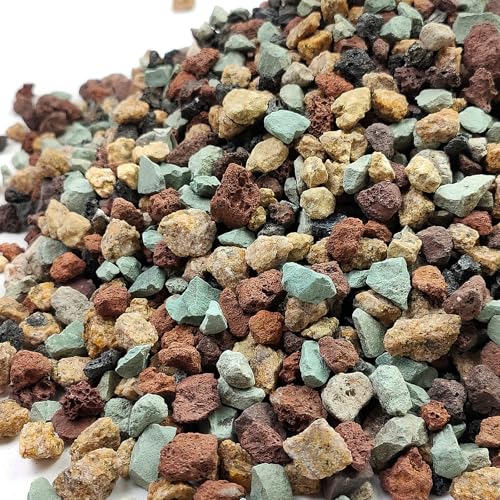
Coarse mineral particles give this mix a more decorative finish than ordinary potting soil. The quarter-inch blend combines lava stone, Maifanitou stone, and green zeolite, making it useful for succulent, cactus, bonsai, and bulbous plants that benefit from open drainage.
You can use it alone, mix it with another growing medium, or scatter it across a pot surface. That versatility is genuinely useful in a busy plant room, where the same material can improve drainage, decorate a container, or limit mud from splashing during watering.
Positive Takeaways
✓Coarse particles promote airflow around roots.
✓Doubles as an attractive pot top dressing.
✓Works alone or blended with soil.
✓Five-pound package offers substantial coverage.
Small Caveats
•It is a mineral component, not a complete soil.
•Remove processing dust before adding it to a pot.
At A Glance
Feature
Specification
Why It Matters
Weight
5 pounds
Covers multiple containers
Particle size
1/4 inch, about 5–8 mm
Supports drainage and decoration
Materials
Lava, Maifanitou stone, green zeolite
Creates a coarse mineral blend
Uses
Succulents, cactus, bonsai, mulch
Fits containers and plant surfaces
Made For
You grow dry-loving container plants and want a coarse drainage component that also gives the pot a finished appearance.
A Better Fit Elsewhere
Miracle-Gro Indoor Mix 2-Pack suits you more when you want a complete, lightweight growing medium rather than a mineral topdressing.
A two-bag package of indoor potting mix suits homes where repotting several plants at once is easier with a steady supply on hand. Each bag holds six quarts, giving you a practical reserve for standard houseplant containers without the handling demands of a much larger compressed package.
Model 72776430 is designed for indoor use, making it the straightforward option for a plant shelf, office desk, or collection of leafy houseplants. Compared with the similarly sized Miracle-Gro Indoor Mix 2-Pack, both provide the same convenient quantity, so the plant type and formulation should guide your choice.
Reasons It Performs
✓Twelve quarts cover multiple repotting tasks.
✓Two bags make storage and carrying manageable.
✓Focused indoor use fits houseplant routines.
Points To Note
•Measure your pots before opening both bags.
•Choose another formula for highly specialized plants.
•Keep opened soil covered in a dry location.
Right Fit For
You maintain several houseplants and want a two-bag indoor supply sized for routine repotting.
Look Elsewhere When
Coast of Maine Bar Harbor Blend 16qt suits you more when a larger container and a listed multipurpose ingredient profile matter most.
This blend is built around sphagnum peat moss, coir, and perlite. Coir is coconut-fiber material, while perlite is a porous volcanic material that improves airflow; together, they create a lightweight medium designed to balance moisture retention with drainage.
That makes it sensible for a varied collection of indoor plants rather than a single specialist species. The two six-quart bags also suit seasonal repotting, moving day, or a new apartment where you are setting up several shelves at once.
A Favorable Mix
✓Peat moss and coir support moisture retention.
✓Perlite adds porosity to the blend.
✓Lightweight composition simplifies repotting.
✓Two bags suit mixed plant collections.
Honest Caveats
•General-purpose drainage differs from coarse cactus media.
•Closed bags need dry, protected storage.
Technical Highlights
Feature
Specification
Why It Matters
Package
2 bags, 6 quarts each
Provides 12 quarts for repotting
Base materials
Peat moss, coir, perlite
Balances retention and aeration
Intended use
Indoor plants
Matches common houseplant containers
Who Will Love This
You keep a varied houseplant collection and value a balanced, lightweight medium for routine indoor care.
Another Choice May Suit
FANTIAN 1/4-Inch Cactus Pebble Mix suits you more for succulents that need coarse mineral drainage and decorative top dressing.
Red wigglers give home composters a focused way to turn kitchen scraps into material for garden soil. The pack contains 100 worms, and the listing notes that these compost animals work throughout the bin rather than remaining near the surface.
The stated castings profile is unusually specific, with levels of phosphates, nitrogen, and potash listed at seven, five, and eleven times those of average lawn soil. For a vegetable garden fed by finished compost, that nutrient emphasis makes the worms more directly relevant than a decorative potting component.
What Earns Its Place
✓One hundred worms suit starter compost bins.
✓Works across multiple compost layers.
✓Produces nutrient-rich castings for gardens.
✓Burrows improve soil aeration.
✓Also suitable for fishing use.
Practical Considerations
•Maintain a closed bin to prevent escapes.
•Monitor moisture and temperature for worm activity.
The Right Fit
You maintain a kitchen compost and want its castings to feed vegetable beds, annual flowers, or container soil.
Where A Sibling Pick Shines
Uncle Jim’s Super Red European Nightcrawlers suit you more when larger worms and processing deeper compost layers are your priority.
Bar Harbor Blend brings together peat moss, compost, perlite, lobster and crab shell meal, and kelp meal for a broad range of containers. The mix is intended for houseplants, flowers, vegetables, herbs, and other container-grown plants, so it works well for a balcony kitchen that combines edible and decorative greenery.
The 16-quart package reduces the number of trips needed for a sizable container refresh. Its 0.53-cubic-foot volume also gives you a useful figure for storage planning, particularly in a utility closet or garden shed where a loose-soil bag takes up meaningful space.
What Works In Its Favor
✓Supports many container-grown plant types.
✓Compost and organic meals add fertility.
✓Perlite introduces pore space.
✓Large package suits seasonal potting.
Worth Bearing In Mind
•Animal-derived shell meals may not suit your growing standard.
•The full bag needs a dry, accessible storage spot.
You grow herbs and vegetables alongside houseplants and want one multipurpose blend for multiple containers.
Reach For A Different Pick When
Miracle-Gro Indoor Mix 2-Pack suits you more when lightweight handling and separate six-quart bags matter more than a 16-quart multipurpose blend.
## What Matters Before You Pot
### Match the Mix to the Plant
Succulents and cacties benefit from coarse, fast-draining components, making FANTIAN 1/4-Inch Cactus Pebble Mix a closer fit than a moisture-retentive houseplant blend. General foliage plants have different needs, so a balanced mix with peat moss, coir, and perlite is the more practical starting point.
### Decide Between Soil and Soil Improvement
Container potting mixes provide a prepared root zone, while composting worms create castings and aerate an existing compost system. Choose the worm packs for a working bin and finished compost for your beds. Choose the potting products for filling pots, repotting, or improving drainage in a container.
### Check the Growing Standard
A package labeled organic and natural reflects the product positioning, but your own standard still matters. Review the listed ingredients, especially for animal-derived components, and check any relevant labeling on the package before using a mix in food gardens.
### Account for Storage and Volume
Loose soil needs a dry, sheltered place, while a 16-quart bag takes up more room than two six-quart containers. Measure your available shelf space and estimate your repotting needs before choosing a package format.
## Buying Traps Worth Dodging
### Wrong Turns To Avoid
Choosing by the word “organic” alone can hide differences in drainage, plant fit, and package size. Match the medium to the root environment first, then check the ingredients and volume against your plants and storage area.
### The Upgrade Payoff
A larger or more specialized mix can be worthwhile when it provides the drainage, ingredients, or convenience your setup actually needs. Paying more for material your plants will not use adds little value, so the best upgrade is the one that solves a specific problem.
## Frequently Asked Questions
### What is the best organic potting mix for houseplants?
Coast of Maine Bar Harbor Blend 16qt offers a multipurpose option for houseplants, flowers, vegetables, herbs, and containers. Its blend of peat moss, compost, perlite, shell meal, and kelp meal suits mixed container collections.
### Can I use potting mix for succulents and cacti?
Yes, provided the mix drains freely. FANTIAN 1/4-Inch Cactus Pebble Mix is especially relevant for coarse mineral drainage, and you can also blend it with another medium to adjust the planting mix.
### Are worm castings a replacement for potting soil?
No. Worm castings are compost-derived material for improving soil, while potting mix forms the growing medium around container roots. You can use castings as an amendment or blend them into an appropriate container medium.
### How much potting mix does a two-pack contain?
Miracle-Gro Indoor Mix 2-Pack includes two six-quart bags, for 12 quarts in total. That amount suits several routine repotting jobs and is easier to divide across separate plants than one large bag.
### What should I look for in a container potting mix?
Look for a balance of moisture retention and aeration suited to the plant. Coarse minerals help drainage-sensitive plants, while peat-based blends with compost or coir support more consistently moist indoor containers.
## Final Thoughts
The right choice depends on your actual growing setup. Coarse mineral mix suits dry-loving containers, balanced potting blends serve general houseplants, and composting worms build garden soil through a different process. Match the medium to the plant, check the ingredients, and choose a package size your storage area can handle.