

A windowsill basil pot and a patio herb planter do not need exactly the same growing medium. You need a potting soil that balances moisture retention, root aeration, and drainage for the herbs and container size you actually use.
The six options here cover specialized herb mixes, general potting media, coir, tropical plant soil, bonsai blend, and mixes made for flowering houseplants. Some arrive ready to use, while others require hydration or expansion before you pot.
An Overview Of The Picks

Miracle-Gro Tropical Potting Mix, 6 qt. Media
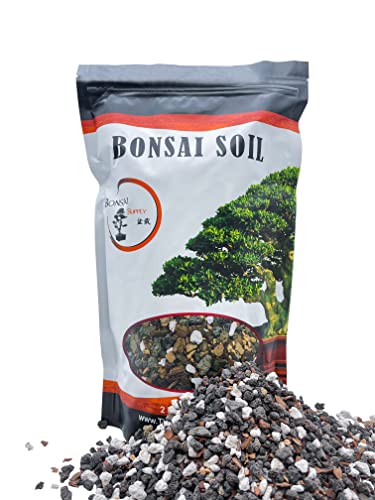
Bonsai Supply All-Purpose Bonsai Soil, 2 qt., Pumice-Lava Blend

Back to the Roots Organic Coir, 51 qt.
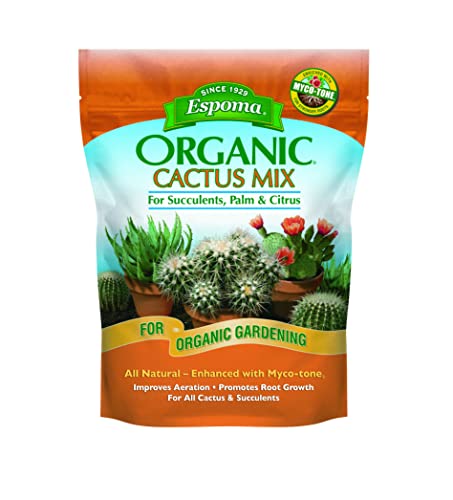
Espoma Organic Cactus Potting Soil for Succulents and Palms, 4 qt.

Espoma Organic Premium Potting Soil for African Violets, 4 qt.

Rosy Soil Herb Mix, 4 Quarts
Taking A Closer Look At The Options
Miracle-Gro Tropical Potting Mix is built around the conditions tropical plants encounter in containers. Lava rock adds pore space for drainage, while the included nutrients can feed plants for up to six months. That makes it a sensible choice for large tropical specimens kept on a patio or near a bright indoor window.
Its strongest draw is the combination of feeding and aeration in a ready-to-use medium. Compared with the plain coir later in this list, it takes less preparation, though it is also formulated for tropical plants rather than culinary herbs. For most container gardeners, that distinction decides whether it belongs on the shelf.
Features That Help
- Lava rock creates additional drainage within the container.
- Included nutrients support plants for up to six months.
- The formula works in indoor and outdoor containers.
- Ready-to-use media avoids blending several components yourself.
Trade Offs
- The tropical formulation is not designed specifically for culinary herbs.
- Your container still needs drainage holes for excess water to escape.
Quick Facts
The Right Fit
This mix suits you when tropical foliage plants share your indoor or patio space with a drainage-conscious watering routine.
A Better Fit Elsewhere
Rosy Soil Herb Mix makes more sense for a kitchen garden centered on basil, mint, parsley, and other edible herbs.
Bonsai Supply arrives as a pre-mixed and sifted soil, removing the need to combine mineral components before repotting. Pumice, lava, calcined clay, and pine bark create a coarse structure that promotes drainage and aeration, while the blend also retains some moisture for the roots.
Like Miracle-Gro Tropical Potting Mix, this blend uses lava for drainage, but its components and pre-mixed format make it more specialized for bonsai and other plants in shallow containers. Depending on your setup, the 2-quart bag may require more than one purchase for a substantial repotting job.
What Pays Off
- Pre-mixed and sifted for immediate use during repotting.
- Four mineral and bark components create a coarse, open medium.
- Supports drainage, aeration, moisture retention, and nutrient uptake.
- The compact bag suits bonsai workbench storage.
Practical Considerations
- The mix is aimed at bonsai rather than a general culinary herb bed.
- Check expanded and moistened volume before committing it to a large container.
Built With In Mind
This blend fits bonsai growers and careful container gardeners who value a prepared, fast-draining medium.
Another Choice May Suit
Back to the Roots Organic Coir offers more volume for seed starting and general potting at a larger scale.
Back to the Roots Organic Coir starts as a compressed block that expands after hydration. Once expanded, the coconut coir provides a light growing medium for seeds and container plants, helping retain water while leaving room for air around developing roots.
The compressed form is especially helpful in a small apartment or garden shed, where a large bag of loose potting mix takes up unnecessary space. Compared with Miracle-Gro Tropical Potting Mix, it offers more planting volume and broader use, though it does not arrive as a ready-mixed tropical formula.
Real Benefits
- Expands to 2 cubic feet after adding water.
- Supports both indoor and outdoor planting.
- Balances water retention with aeration around roots.
- The compressed block stores neatly before use.
- Useful for seed starting as well as potting.
Points To Note
- You need to hydrate and expand the block before filling containers.
- The expanded volume should match your container size and drainage needs.
Feature Breakdown
Made For
This coir suits you when compact storage, seed starting, and multiple indoor or outdoor pots are priorities.
Swap It Out When
Rosy Soil Herb Mix provides a dedicated herb formula when edible plants are the main focus of your containers.
Espoma Organic Cactus Potting Soil is intended for plants that prefer a drier root environment. Its listed uses include cactus, succulents, palms, citrus, Jade Plants, Burro’s Tails, Aloe Vera, and several types of cactus. It works for containers kept inside or outside.
This makes it a useful companion for a mixed patio display, especially when cacti and citrus share a watering area. Unlike Back to the Roots Organic Coir, which emphasizes moisture retention and aeration, this formula focuses on the plant group that generally benefits from faster-draining conditions.
Real-World Strengths
- Supports a broad range of cactus and succulent varieties.
- Also listed for palms and container-grown citrus.
- Works in both indoor and outdoor containers.
Factors To Consider
- The target plants differ from moisture-loving culinary herbs.
- Drainage holes remain necessary even with a cactus-oriented mix.
Who It Suits Best
This mix suits patio gardeners growing cacti, succulents, palms, or citrus in individual containers.
Look Elsewhere When
Espoma Organic Premium Potting Soil for African Violets is a better fit for indoor flowering houseplants.
Espoma Organic Premium Potting Soil targets African violets and other indoor flowering houseplants. Sphagnum peat moss and humus form the moisture-holding base, perlite adds open space, and yucca extract joins the blend. The result is a more deliberate mix than a general-purpose container medium.
That ingredient profile makes it useful on a desk or beneath grow lights where flowering plants need consistent care. Compared with Espoma Organic Cactus Potting Soil, this option is aimed at plants with different watering and root requirements, so the two are better suited to separate shelves or patio zones.
Notable Gains
- Designed for African violets and indoor flowering houseplants.
- Peat moss and humus support moisture retention.
- Perlite contributes aeration around roots.
- Made without synthetic plant foods or chemicals.
- Useful for starting or transplanting African violets.
Small Caveats
- The formulation is specialized for flowering houseplants.
- Outdoor herb planters need a mix aligned with their watering conditions.
Technical Highlights
Best Suited To
This soil suits you when African violets and colorful indoor flowering plants occupy your windowsill or desk.
Where A Sibling Pick Shines
Back to the Roots Organic Coir gives you more volume and broader use for seeds and outdoor containers.
Rosy Soil Herb Mix is the most directly aligned option here, with a formula intended for basil, thyme, mint, parsley, cilantro, lavender, rosemary, and other herbs. It supports both windowsill containers and outdoor planters, giving you a single medium for kitchen herbs kept in different locations.
Biochar, worm castings, and mycorrhizae provide distinct benefits. Biochar is a porous carbon material, worm castings add organic matter, and mycorrhizae are fungi that associate with roots. Together, they are intended to support root development and nutrient uptake, unlike the plant-specific formulas covered earlier.
What Helps Most
- Formulated specifically for common culinary and medicinal herbs.
- Works for indoor windowsills and outdoor planters.
- Supports a wide range of familiar herb varieties.
- Biochar adds porous carbon to the growing medium.
- Worm castings and mycorrhizae support roots and nutrient uptake.
Worth Noting
- Use it for herbs rather than as a general substitute for a tropical or flowering-plant mix.
- Your containers still need unobstructed drainage holes.
Key Product Details
Perfect Match For
This mix suits you when a windowsill herb garden and a patio planter need one purpose-made medium.
Reach For A Different Pick When
Espoma Organic Cactus Potting Soil is the better match for a container dominated by cacti or succulents.
Matching The Medium To Your Herb Garden
A useful potting soil for herbs needs three functions: hold enough moisture for active roots, release excess water, and leave air around the root zone. The right balance changes with your climate, pot size, and watering habits. A small herb pot dries faster than a deep patio container.
Start With The Plant
Rosy Soil Herb Mix makes the shortest decision for common culinary herbs because its formula lists basil, mint, parsley, cilantro, thyme, lavender, and rosemary. The 4-quart volume suits a manageable group of containers without requiring a large planting project.
Different plant groups call for different media. Espoma Organic Cactus Potting Soil fits cacti, succulents, palms, and citrus, while Espoma Organic Premium Potting Soil for African Violets focuses on indoor flowering houseplants. Miracle-Gro Tropical Potting Mix is formulated for tropical foliage plants.
Watch Drainage And Moisture
Water retention describes how much moisture remains in the medium between irrigation periods. A coir-based product can help maintain that moisture, while the coarse mineral components in bonsai soil create more open space for air and rapid drainage.
No potting mix can compensate for a container without drainage holes. Check that excess water can leave the pot, and avoid placing a tightly planted herb container inside a decorative cachepot without allowing water to escape.
Account For Preparation And Storage
Ready-mixed soil simplifies a first planting, while compressed coir saves shelf space until you need it. The coir block must be hydrated and allowed to expand before use, so account for that step and confirm the expanded volume fits your pots.
For frequent repotting, the 2-quart Bonsai Supply bag may need repeated purchases. The 51-quart coir block offers greater planting volume and stores compactly, making it convenient for seed starting or a batch of containers.
Think Beyond Container Size
Your watering routine matters as much as the ingredient list. Small pots on a sunny windowsill may dry rapidly, while a shaded patio container can retain moisture longer. The honest fit depends on your environment as much as the herbs themselves.
Common Mistakes And Specialized Blends
Mistakes Worth Dodging
Choosing by the word “organic” alone can leave you without the drainage or moisture balance your plants need. Another common error is using garden soil in containers, where its weight and drainage behavior can differ from a prepared potting medium.
Match the mix to the plant group, and confirm that your container has drainage holes before you fill it.
What Separates Premium From Basic
A specialized mix spends its added cost on targeted ingredients, such as the mineral blend in bonsai soil or the root-supporting components in Rosy Soil Herb Mix. That specificity can remove guesswork, but it may leave unused material for a mixed collection.
The upgrade makes sense when its plant and container type match your setup.
Frequently Asked Questions
What Is The Best Potting Soil For Herbs?
Rosy Soil Herb Mix is the most directly herb-focused option, with a formula designed for common culinary herbs in indoor and outdoor containers. Your container size and drainage setup still determine how well the roots fare.
Do Herbs Need A Special Potting Mix?
Herbs generally benefit from a lightweight container medium with both moisture retention and aeration. A dedicated herb blend reduces the need to adjust a general-purpose mix for your setup.
How Important Are Drainage Holes For Herbs?
Drainage holes are essential because retained excess water can restrict root oxygen and encourage overly wet conditions. A suitable potting soil cannot replace a container that drains properly.
Can I Use Houseplant Potting Soil For Herbs?
Many general houseplant mixes can support herbs, but flowering-houseplant and cactus formulas have different balances. Herb-specific, coir, or pre-mixed bonsai media may align more closely with your watering routine and root conditions.
Should Herb Potting Soil Be Used Outdoors?
Yes, when the formula is labeled for outdoor containers and your herb’s moisture needs match it. Rosy Soil Herb Mix supports both indoor and outdoor use, while tropical, cactus, and houseplant formulas are more specialized.
The Takeaway
The most useful potting soil for herbs is the one that matches your plants, container depth, and watering habits. Rosy Soil Herb Mix leads for a dedicated kitchen garden, while coir offers flexibility and storage savings. Tropical, cactus, bonsai, and flowering-houseplant blends each serve a more specific setup.
