

A raised bed can fail from poor drainage, compacted fill, or simply the wrong planting medium for the crop. You need a balanced soil amendment for vegetable roots, a loose root-zone mix for containers, or a surface mulch that suppresses weeds and conserves moisture, and this lineup covers each role. The right choice depends on whether you are filling a bed, amending existing soil, or covering the surface.
A Closer Look At The Lineup
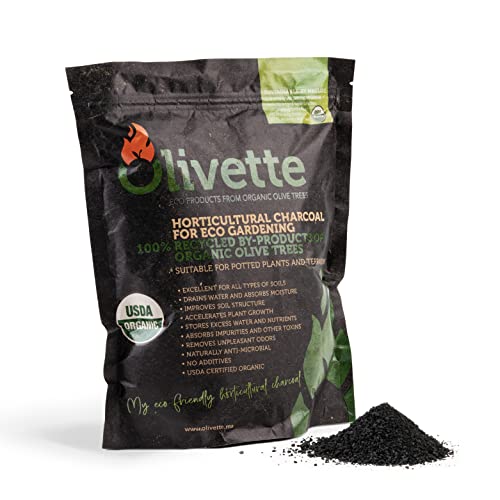
OLIVETTE Biochar for Plants, 1 Bag

PlantBest Organic Coco Mulch Block, 64 Quarts
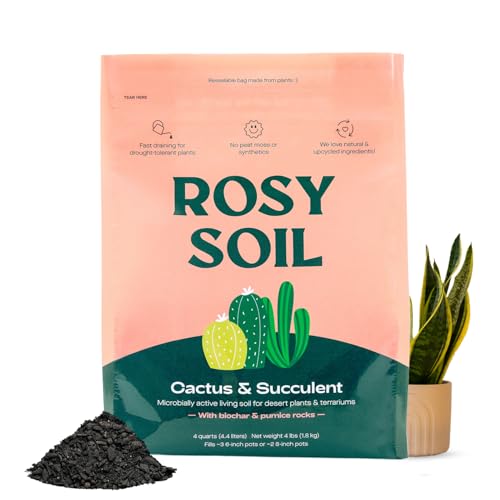
Rosy Soil Cactus & Succulent Mix, 4 Quarts
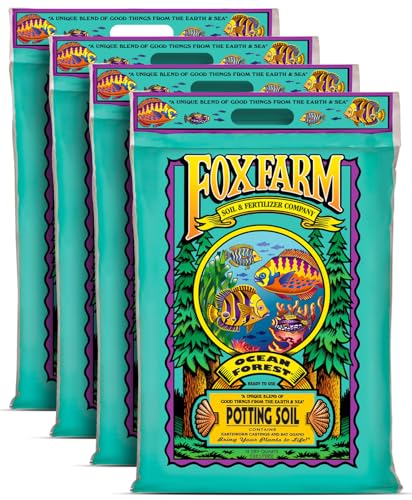
FoxFarm Ocean Forest Potting Soil, 4 x 12 Quart

PlantBest Coco Peat Garden Soil

PlantBest Coco Mulch Compressed Block, 64 Quarts
The Picks, Examined More Closely
Olive-derived biochar gives raised-bed soil a porous amendment without requiring you to replace the entire fill. Biochar is a stable, carbon-rich material made from heated organic material, and this version uses recycled olive pits, pulp, and prunings. Its porous structure helps manage excess water while keeping the root zone aerated.
That makes it most useful for an existing bed that drains slowly or becomes dense after repeated watering. Unlike the complete potting mixes later in the lineup, OLIVETTE Biochar works alongside your soil rather than serving as the whole growing medium. In a container, it can also support orchids, succulents, bonsai, and moisture-sensitive plants that value a balanced root environment.
Useful Touches
- Recycled olive byproducts give discarded material a practical role in garden care.
- Improved aeration can reduce soil density around established roots.
- Moisture control suits plants that dislike constantly saturated soil.
- The porous material helps support beneficial microorganisms and stronger root development.
- It can reduce odors in terrariums and other enclosed plant displays.
Things To Consider
- This is an amendment rather than a complete raised-bed fill, so you still need a suitable base medium.
Key Specs
Made For
This fits raised-bed gardeners and indoor plant owners who want to amend dense soil without replacing the full root zone.
Another Choice May Suit
PlantBest Coco Peat Garden Soil suits gardeners who need a complete peat-free medium for filling raised planters instead of improving existing fill.
Compressed coconut mulch is a practical answer when a bed or landscaping project needs substantial coverage but you have little room to store a loose bag. The 9.1-pound block expands to 64 quarts and is listed for coverage up to 17.5 square feet. For most garden beds, that gives you enough material to create a consistent surface layer around vegetables, trees, and flowers.
The distinction from PlantBest Coco Peat Garden Soil is important: this product belongs on top of the bed, while potting mix fills the root zone. The block’s compact form also handles easier than several loose bags, though you must prepare a little space for expansion before spreading it.
Useful Highlights
- Compressed packaging makes the mulch easier to carry and store before use.
- The stated 64-quart expansion provides useful coverage for multiple planting areas.
- Coconut mulch creates a surface layer for garden beds, trees, and landscaping.
- Organic labeling gives gardeners a defined product distinction.
Worth Noting
- The block expands after water is added, so hydration and spreading need an open work area.
- It is a surface mulch, not a complete medium for filling the root zone.
Feature Snapshot
Who Will Love This
This works well for gardeners with limited storage space who need an expandable mulch layer for raised beds, trees, or larger landscaping areas.
Where A Sibling Pick Shines
PlantBest Coco Peat Garden Soil is the better fit when the priority is filling the entire raised planter with a peat-free potting medium.
Dense potting soil can leave succulent roots sitting in moisture longer than they prefer, so the loose, chunky structure here is the defining feature. The four-quart format fits raised planters and containers dedicated to cacti, succulents, and other plants that prefer fast drainage. The mix is designed to stay open instead of settling into a compact mass.
Rosy also includes beneficial fungi, microorganisms, and organic worm castings, adding biological material to the root zone. Compared with the coco mulch picks, this belongs in the pot rather than across the surface. That makes it a specialized choice for a dry-loving collection, not your general-purpose bed filler.
The Practical Payoff
- The chunky texture supports drainage and root aeration in moisture-sensitive containers.
- Loose structure resists compaction during repeated watering.
- Worm castings and microorganisms introduce organic material into the root zone.
- The four-quart container suits smaller planters and manageable repotting tasks.
- Fast drainage helps cacti and succulents avoid sitting in soggy soil.
Small Caveats
- The specialized texture is less appropriate for vegetables and moisture-loving plants that want a more balanced root medium.
The Right Fit
This fits beginners and experienced growers raising cacti or succulents in containers where drainage and a loose root zone matter most.
Look Elsewhere When
FoxFarm Ocean Forest Potting Soil serves mixed container gardens and plant starts better than this cactus-focused blend.
FoxFarm combines aged forest products, sandy loam, and sphagnum peat moss to create a light, aerated medium for container gardens. That combination gives seedlings and plant starts a supportive root zone while still allowing air and excess water to move through the mix. The four 12-quart containers also provide a practical amount for filling a larger raised planter.
Unlike Rosy Soil’s especially coarse succulent blend, this formula aims at a broader mix of houseplants and starts. Fish meal, crab meal, and earthworm castings add several organic components, while the base ingredients keep the structure loose. It is a more versatile container medium, though peat-based ingredients make it a poor match for a strictly peat-free setup.
Reasons It Performs
- Aged forest products support an airy root zone suited to container growth.
- Sandy loam adds structure without turning the blend into dense soil.
- Sphagnum peat moss helps the growing medium retain moisture while remaining porous.
- Fish meal, crab meal, and earthworm castings provide varied organic components.
- The four-container format suits raised planters, houseplants, and plant starts.
Points To Note
- Sphagnum peat moss rules it out for gardeners who require a peat-free medium.
- It is designed for containers and starts, so a large outdoor bed may require substantial volume.
Technical Highlights
Built With In Mind
This suits container gardeners and beginners raising seedlings or houseplants in raised planters where an airy, versatile mix is useful.
Swap It Out When
PlantBest Coco Peat Garden Soil is the better choice for raised planters where avoiding peat-based ingredients is a priority.
This concentrated coco peat mix solves the storage problem created by bulky potting-soil bags. The 11-pound compressed block expands to about 79 quarts, or 2.65 cubic feet, giving raised-bed growers a substantial amount of medium from a compact package. Coconut coir, the fibrous material surrounding coconut husks, forms the peat-free base.
Triple washing and a low-salt formulation make it a sensible choice for gardeners who want a clean, peat-free growing medium. Unlike PlantBest Coco Mulch Compressed Block, it fills the bed rather than covering it. You’ll still need to hydrate the block before planting, and your available storage space must accommodate the expanded material.
What Pays Off
- The compressed block stores neatly until a raised planter is ready to be filled.
- An expansion to 79 quarts provides useful volume from an 11-pound package.
- Triple washing and low salt levels suit gardeners with specific medium preferences.
- The peat-free coir base avoids a traditional peat-moss component.
Trade Offs
- The block must be hydrated and expanded before it can fill the bed.
- It is a root-zone medium rather than a surface layer for weed control.
Whose Shelf It Belongs On
This fits small-space gardeners and peat-conscious growers who want a lightweight, compact medium for raised planters and containers.
Reach For A Different Pick When
FoxFarm Ocean Forest Potting Soil is a better fit for mixed houseplants and seedlings that benefit from a broader blend of forest, loam, and peat ingredients.
This coconut mulch block brings the same space-saving format that makes the PlantBest mulch line practical for raised beds. A 9.1-pound compressed block expands to 64 quarts and is listed for coverage up to 17.5 square feet. That makes it a manageable option for mulching several beds, tree circles, or a larger landscaped area.
It fills a similar role to PlantBest Organic Coco Mulch Block, with organic labeling providing the clearest distinction between the two listings. This version is a straightforward coconut-mulch choice for gardeners focused on compact handling and surface coverage. The expansion step matters, so prepare the application area before adding water.
Bright Spots
- Compact packaging simplifies transport and storage compared with loose mulch bags.
- The 64-quart expansion supports useful coverage across multiple garden areas.
- Coconut mulch suits raised beds, trees, plants, and general landscaping.
- The surface layer helps separate exposed soil from the surrounding growing area.
Minor Gripes
- Hydration and expansion require extra workspace before the mulch can be spread.
Feature Rundown
Best Suited To
This fits gardeners with a larger mulching project who value compact packaging and plan to cover beds, trees, or landscaped areas.
Consider Something Else When
PlantBest Coco Peat Garden Soil is the better alternative when you need growing medium beneath the plants rather than mulch above the soil.
What Matters Most in a Raised Bed
Drainage Before Volume
A loose root zone matters more than a large quantity of dense fill. Cacti and succulents need especially fast drainage, while houseplants and seedlings benefit from a blend that holds some moisture without becoming compact. Watch for large particles, fibrous coir, or a light texture that keeps water moving through the bed.
Match the Medium to Its Job
An amendment improves existing soil, potting mix fills the root zone, and mulch covers the surface. OLIVETTE Biochar belongs in the first category, Rosy Soil and FoxFarm handle containers, and PlantBest Coco Peat Garden Soil can fill a raised planter. The two compressed coco mulch blocks belong on top, where they form a surface covering for beds, trees, and landscaping.
Check the Bed Dimensions
A compressed block saves storage before expansion, but the final volume still needs somewhere to go. The PlantBest Coco Peat Garden Soil expands to 79 quarts, while both coco mulch blocks reach 64 quarts. Measuring your bed and available mixing area prevents a compact package from becoming an awkward pile of loose material.
Consider the Root Zone First
Peat-free coir works for gardeners avoiding peat-based ingredients, and the biochar amendment suits existing soil that needs better aeration. Container gardeners can compare the very open Rosy Soil succulent formula with the broader FoxFarm blend. Match the texture and ingredients to the plants, then treat the surface mulch as a separate layer.
Avoiding Costly Soil Mistakes
Common Shopping Slip Ups
Do not treat mulch, amendment, and potting mix as interchangeable products. A surface mulch does not fill the root zone, and biochar is meant to work within existing soil. Check the role of the product before calculating how much you need for the bed.
What Separates Premium From Basic
A more specialized mix may offer a deliberately coarse texture, added organic components, or a compact expanding format. Those distinctions help when your plants have specific drainage needs or your storage space is limited. Pay for the feature your setup actually requires rather than choosing a more elaborate blend for a simple bed.
Frequently Asked Questions for Raised Garden Soil
Can biochar replace potting soil in a raised bed?
No. Biochar is an amendment that improves aeration and moisture handling within a growing medium. Use potting mix or suitable soil as the main fill, then incorporate biochar according to the planting conditions.
Is coco mulch suitable for filling a raised bed?
Coco mulch is primarily a surface covering for garden beds, trees, and landscaping. Fill the root zone with a potting mix or suitable bed soil before applying mulch around the plants.
Which option is best for cactus and succulents?
Rosy Soil Cactus & Succulent Mix is designed around a loose, chunky structure that encourages drainage. Its coarse texture is more purposeful for dry-loving plants than a general-purpose houseplant mix.
Do any of these options avoid peat?
PlantBest Coco Peat Garden Soil is peat-free and uses concentrated coconut coir. FoxFarm Ocean Forest Potting Soil includes sphagnum peat moss, so it suits a different set of planting priorities.
Should compressed soil be expanded before planting?
Yes. Add water and allow the block to expand before filling the bed or spreading the mulch. Preparing the expanded volume in advance makes planting and coverage easier.
Final Verdict
Start by matching the product to its role: biochar for improving existing fill, coir or FoxFarm for the root zone, chunky mix for succulents, and compressed coco mulch for the surface. PlantBest Coco Peat Garden Soil stands out for compact, peat-free bed filling, while the two mulch blocks simplify larger coverage jobs. Choose the format that suits your plants, bed size, and available workspace.
