

A Venus flytrap sharing a room with fruit flies or fungus gnats creates a familiar indoor problem, especially near bright windows and warm, humid plant areas. The products in this lineup are traps rather than planting pots, but they can help reduce flying insects around a potted Venus flytrap while you address where the pests are entering and reproducing.
The Lineup, Simplified
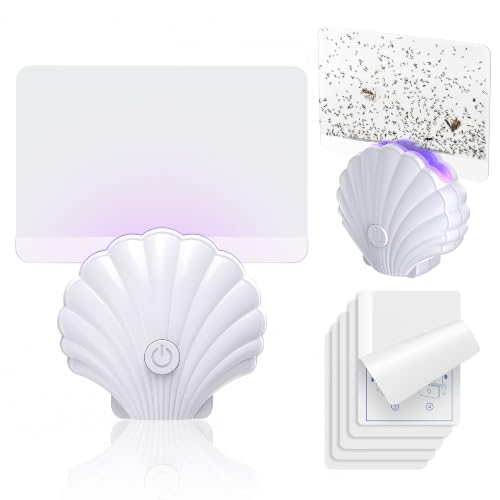
LFSYS Scallop Traps, 2-Pack
LFSYS 64-Piece Sticky Traps

LFSYS Shell Fly Traps, 2-Pack
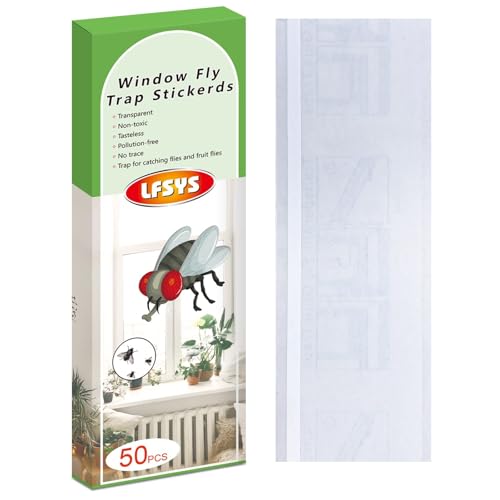
LFSYS 50 Window Fly Traps

LFSYS 40-Pack UV Trap Refill Cards

LFSYS 25 Cup Traps
What Each Pick Brings To The Table
Two scallop-shaped stations give you a practical way to monitor flying insects around more than one indoor plant area. Each plug-in trap uses ultraviolet light to draw attention toward transparent, double-sided adhesive cards, making it useful near a Venus flytrap when gnats gather around damp soil or nearby fruit.
The two-device format is more flexible than a single station, particularly in a room divided between several shelves or windows. You’ll need accessible outlets, however, and the trap still doesn’t replace the planter or solve the source of an infestation.
Features That Help
- Two stations let you monitor separate plant zones.
- UV attraction supports passive indoor monitoring.
- Transparent double-sided cards capture insects from both sides.
- Twenty replacement cards support continued use.
Points To Keep In Mind
- Each station requires a nearby electrical outlet.
- Placement near a sunny window may reduce the light’s visible effect.
The Right Fit
This setup suits you when a Venus flytrap shares a room with several plants and you want two discreet monitoring points.
Another Choice May Suit
LFSYS 64-Piece Sticky Traps suit you better when you have many pots and prefer simple soil inserts without electrical devices.
Sticking a small trap directly into the soil gives you a straightforward approach for a collection of potted plants. The yellow cards use double-sided adhesive, and their low-profile format avoids the outlet and bulb requirements of the LFSYS Scallop Traps.
For a single Venus flytrap, 64 cards may be more than necessary, but the quantity works well across a windowsill full of carnivorous plants. In a warm room, cooling the adhesive cards before placement can make them easier to handle.
What Helps Most
- Soil placement targets the area around plant containers.
- No power outlet or UV bulb is required.
- Double-sided cards provide two adhesive surfaces.
Trade-Offs
- The large count may be excessive for one pot.
- Soil insertion needs a careful spot around roots.
- Warm adhesive can be awkward to position.
- Coverage remains concentrated around each card.
Made For
Plant collectors with several small pots benefit most from this low-fuss, outlet-free approach.
Look Elsewhere When
LFSYS 50 Window Fly Traps suit you better when your plant area has more usable window space than exposed potting soil.
Shell-shaped housings bring a softer look to a plug-in insect trap, which can be useful on a display shelf where a boxy appliance would stand out. The package includes two devices and twenty refill cards for monitoring separate plant areas.
Functionally, this resembles the LFSYS Scallop Traps: both combine UV attraction with double-sided transparent cards. The shell housing changes the appearance rather than the core trapping method, so your decision comes down to the look and placement of the stations.
Well-Handled Touches
- Rounded shell styling suits shelf displays.
- Two stations cover separate indoor zones.
- UV light attracts several flying-insect types.
- Transparent cards preserve an unobtrusive appearance.
- Twenty refills accompany the devices.
Small Caveats
- Outlet access remains necessary for each station.
Whose Shelf It Belongs On
You’ll appreciate this version most when appearance matters as much as active insect monitoring around displayed plants.
Consider Something Else When
LFSYS 25 Cup Traps suit you better when you want flexible placement without a permanent electrical connection.
Bright windows often become the first place you notice flying insects, and these clear adhesive cards turn that surface into a monitoring point. Unlike the soil-insert LFSYS 64-Piece Sticky Traps, this option stays on glass and other suitable flat surfaces.
The transparent design lets more daylight pass through, and the adhesive traps insects without adding the buzzing sound associated with some powered traps. Fifty cards provide a useful stock for several windows, although you may not need them all.
Bright Spots
- Clear cards preserve window visibility.
- Flat-surface placement requires no outlet.
Things That May Matter
- Window positioning may not match the pest’s entry point.
- Fifty cards can be excessive for one small shelf.
- Cards need a clean, suitable mounting surface.
- The format offers less direct soil coverage.
Right Fit For
Sunlit indoor plant displays with accessible glass make these cards a practical fit.
Reach For A Different Pick When
LFSYS 64-Piece Sticky Traps suit you better when insects concentrate around the soil rather than the window.
Refill cards make more sense once you already own a compatible LFSYS cube-style plug-in trap and want to keep its sticky surfaces usable. Forty replacement cards provide a substantial supply without adding another electronic unit to your plant shelf.
Unlike the LFSYS Scallop Traps, which arrive with devices and refills, this package contains cards only. You should confirm that your existing unit takes LFSYS cube plug-in refill cards before ordering, because the hardware itself is not included.
The Helpful Details
- Forty cards support repeated replacement.
- Existing trap owners avoid buying new hardware.
- Refills preserve the unit’s existing setup.
Practical Considerations
- No trap device is included.
- Compatibility is limited to the specified LFSYS cube-style unit.
Who Should Grab It
You’ll find this useful after confirming that your current LFSYS plug-in trap accepts these refill cards.
Where A Sibling Pick Shines
LFSYS Scallop Traps suit you better when you need both the powered unit and replacement cards in one package.
These cup-cover cards turn a container you already own into a simple trap. Place the adhesive card across the top of a cup containing apple cider vinegar, wine, or another suitable attractant, then position the cup near the affected plant area.
Double-sided adhesive captures insects above and within the cup, giving you more placement freedom than the soil inserts or window cards. You’ll need to keep the vessel stable, handle the attractant carefully, and place it where children or pets cannot reach it.
The Upside
- Uses common cups instead of dedicated hardware.
- Attractant choice can suit your setup.
- Adhesive works on both exposed sides.
- Placement can move as the pest pattern changes.
Where It May Fall Short
- Each trap needs a separate cup and attractant.
- Open attractants require secure placement.
Built With In Mind
This option suits you when flexible, movable traps fit your routine better than fixed cards or powered stations.
Swap It Out When
LFSYS 50 Window Fly Traps suit you better when you want a simpler surface-mounted solution without liquid attractants.
What To Look For In Indoor Fly Traps
Match the trap to the insect’s location
Fruit flies and fungus gnats rarely occupy the same part of a room. Soil-insert cards work well when activity surrounds a pot, while window cards suit insects gathering around bright glass. Powered UV stations offer broader placement around shelves, and cup traps can follow activity across the room.
Check power and placement requirements
Plug-in models need an accessible outlet and should sit where their light is noticeable. Cordless cards avoid that requirement, but their adhesive surfaces need suitable landing or mounting areas. The position should target the pest activity rather than crowd the Venus flytrap’s leaves or disturb its growing medium.
Separate the trap from the planter
None of these products is a Venus flytrap pot, and the trap cannot replace a container with suitable drainage. Treat it as an insect-control accessory placed nearby. Remove or replace cards as their adhesive surfaces become covered, and address decaying plant matter, overwatering, or nearby fruit that may be attracting flies.
Common Traps First Timers Fall Into
Choose the trap location first
A trap placed far from the insect activity may look tidy while doing little useful work. Check the soil, nearby fruit, window edges, and humid corners before choosing between a soil insert, window card, powered station, or cup trap. Match the placement to the problem instead of selecting purely by appearance.
Check what arrives in the package
The cup-cover option requires cups and attractant, while the refill-card package requires an existing compatible device. Full trap kits include their relevant hardware, but the exact contents vary. Read the package description carefully so you don’t buy refills for a unit you don’t own or expect hardware that isn’t included.
Where The Extra Money Goes
More elaborate setups add hardware
A plug-in station adds UV hardware and an outlet requirement, but it also gives you movable monitoring points with a refill supply. Large sticky-trap packs favor households managing many pots or windows. Simple cup covers remain useful when flexible placement matters more than dedicated equipment.
The upgrade pays off in busy plant rooms
Moving up from loose cards to two powered stations can help you cover separate plant zones without rebuilding the arrangement. For one small pot, a modest set of soil inserts may be more proportionate. The useful upgrade depends on the number of locations you need to monitor.
Frequently Asked Questions for Pots For Venus Fly Trap
Do these products include pots for Venus flytraps?
No, these are insect traps and refill cards rather than planting containers. You’ll still need a separate pot with appropriate drainage and growing medium for your Venus flytrap.
Can you place a fly trap beside a Venus flytrap?
Yes, but keep the trap from covering the plant’s leaves or preventing you from checking the soil. Position it near the area where you notice insects while keeping the liquid attractant in cup-based options inaccessible to children and pets.
Should you use sticky cards or a UV trap?
Sticky cards suit soil, window, and flat-surface placement without power. A UV trap is more useful when you want two movable stations and can provide nearby outlets.
How often should you replace the sticky cards?
Replace a card when its adhesive surface is covered or no longer holds insects properly. Exposure to warmth, dust, and handling can also affect how easily a card fits into soil or on glass.
Can you use the refill cards in any LFSYS trap?
No, these cards are intended for the specified LFSYS cube-style plug-in trap. Confirm compatibility with your existing device before ordering, or choose a complete kit that includes both hardware and refills.
Final Verdict
For a room full of potted carnivorous plants, the LFSYS 64-Piece Sticky Traps offer the most direct way to place traps near soil. The Scallop and Shell sets suit larger displays with multiple plant zones, while window cards and cup traps cover two practical alternatives to powered stations.
The right choice depends less on the Venus flytrap itself than on where the flying insects gather and how much equipment you want to maintain.
