

A windowsill collection can look healthy for months, then pale, stretch, or struggle through a hot summer. The right cactus fertilizer corrects nutrient gaps without encouraging soggy soil or excessive growth, and the right potting mix can prevent the root problems that fertilizer cannot fix.
This guide covers concentrated plant foods, seaweed-based feeding, foliar mist, and drainage-focused soil. It helps you match the product to your plants, growing medium, and routine without turning a simple indoor setup into a chemistry lesson.
A Snapshot Of The Selections
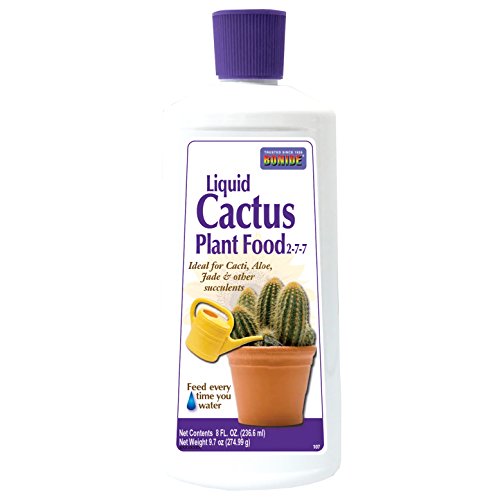
Bonide 107 Cactus Food

TATAWORM Christmas Cactus Fertilizer
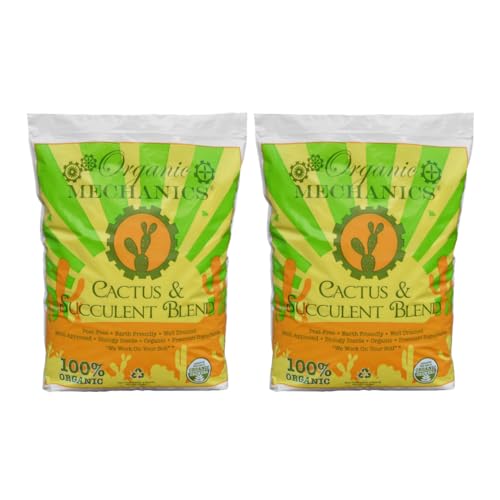
Organic Mechanics Cactus and Succulent Blend Soil
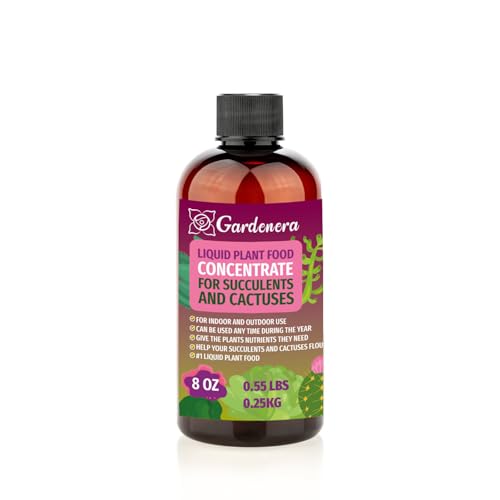
Gardenera Plant Growth Superfood for Succulents and Cactus 8oz

Gardenera Premium Liquid Succulent Fertilizer 3-1-2

Gardenera Professional Succulent Spray Fertilizer Mist 3-1-2
Bonide 107 Cactus Food serves mixed succulent collections that include cacti, aloe, jade, and other plants with similar needs. Its 2-7-7 N-P-K ratio represents the relative balance of nitrogen, phosphorus, and potassium, giving you a straightforward option for routine feeding without moving to several different products.
The concentrate suits home growers and professional plant-care routines, with a compact 8-ounce bottle that stores easily. Compared with the kelp-based TATAWORM Christmas Cactus Fertilizer, this formula offers a more conventional mineral feed for a broader group of cacti and succulents. The honest read is that precise dilution matters more than sheer bottle size.
What Earns Its Place
- One formula covers cacti, aloe, jade, and popular succulents.
- The measured 1/8 teaspoon-per-quart dilution simplifies regular watering.
- The compact concentrate fits neatly into an indoor plant-care cabinet.
- Made in the USA for home and professional gardening routines.
Trade Offs
- Concentrated plant food requires careful measurement before every application.
- Its broad succulent focus is less specific to flowering holiday cacti.
Key Specs
Who It Suits Best
This concentrate fits home growers maintaining a mixed cactus, aloe, jade, and succulent collection.
A Better Fit Elsewhere
Organic Mechanics Cactus and Succulent Blend Soil suits you more when repotting drainage-loving plants into a fresh aerated medium.
Holiday cactus care has a different center of gravity, with steady root development and flowering support taking priority over rapid foliage production. This seaweed-extract food provides a gentle feeding option for Christmas cactus and other Schlumbergera, using North Atlantic rockweed as its nutrient source.
Where Bonide 107 Cactus Food uses a defined 2-7-7 mineral ratio, TATAWORM takes a kelp-based approach with amino acids, macronutrients, and micronutrients. The 2-ounce bottle makes up to 12 gallons, which works neatly for a small indoor collection. You may find the schedule more useful than the bottle count for a typical home setup.
Everyday Advantages
- Seaweed extract supports routine nourishment without aggressive feeding.
- Two ounces can produce up to 12 gallons of diluted plant food.
- OMRI Listed for organic use and made without synthetic additives.
- Supports root development, nutrient uptake, and fuller segmented growth.
- Mixes into water for application as a soil drench.
Points To Note
- The narrow Christmas cactus focus suits fewer plants than Bonide 107 Cactus Food.
- A small 2-ounce bottle requires accurate measurement and secure storage.
- The every-two-to-three-week schedule applies during active growth rather than year-round care.
Feature Snapshot
Made For
This kelp-based food fits indoor Christmas cactus growers who prefer a gentle, plant-specific feeding routine.
Another Choice May Suit
Bonide 107 Cactus Food suits you more when one plant food must cover cacti, aloe, jade, and several other succulents.
Loose, compact soil can restrict succulent roots faster than a missing feeding can. Organic Mechanics addresses that problem with a porous blend made from biochar, expanded shale, rice hulls, compost, worm castings, sand, and coconut coir, all combined to balance drainage with limited moisture retention.
Unlike the liquid products elsewhere in this list, this is a growing medium rather than plant food. The pack contains two 8-quart bags, making it more relevant at repotting time than for weekly feeding. For a mixed bonsai or jade collection, its aerated structure can be a practical foundation before nutrition is added.
A Few Highlights
- The porous ingredient blend encourages water to move through the root zone.
- Expanded shale, sand, and rice hulls support drainage in dense soil conditions.
- Biochar helps retain beneficial microbes near plant roots.
- Two 8-quart bags provide a useful quantity for repotting several plants.
Practical Considerations
- Terracotta, clay, or fiber pots are recommended to preserve airflow around the roots.
- This mix supplies a growing medium, so established plants still need an appropriate food.
The Right Fit
This potting blend suits home growers repotting cacti, succulents, jade, or bonsai into an aerated medium.
Look Elsewhere When
Gardenera Premium Liquid Succulent Fertilizer 3-1-2 suits you more when your soil is already adequate and the need is routine nutrition.
A single food for a mixed plant room has a different appeal. Gardenera Plant Growth Superfood combines 18 vitamins and minerals with micro-fungi and bio-organisms in an organic concentrate, extending beyond conventional soil toward hydroponic, semi-hydro, and LECA setups.
Unlike Organic Mechanics Cactus and Succulent Blend Soil, which changes the medium around roots, this formula supplies nutrition through the chosen growing system. Its stated range also includes vivariums, terrariums, water gardens, fish-tank setups, and flowers. Depending on your collection, that versatility may eliminate several separate products from the shelf.
The Case For It
- Works across conventional soil and several soilless growing systems.
- Includes 18 vitamins and minerals alongside micro-fungi and bio-organisms.
- One 8-ounce concentrate suits cactus, succulent, flower, and terrarium routines.
Small Caveats
- A concentrated fertilizer calls for careful dilution rather than direct application.
- The broad formula may suit a mixed collection better than a single-species routine.
Core Details
Best Suited To
This broad-spectrum concentrate fits collectors using multiple growing media across cacti, succulents, flowers, and enclosed displays.
Where A Sibling Pick Shines
Gardenera Premium Liquid Succulent Fertilizer 3-1-2 suits you more when a clearly defined nutrient ratio matters more than broad plant-system compatibility.
A plainly stated nutrient ratio makes this concentrate easier to place within a routine. Its 3-1-2 formula carries more nitrogen relative to phosphorus and potassium than Bonide 107 Cactus Food’s 2-7-7 mix, giving indoor growers a different balance for a shelf dominated by cacti and succulents.
The liquid concentrate is designed for indoor plants, including the plump growth associated with many succulents, and its 8-ounce bottle remains compact. Compared with Gardenera Plant Growth Superfood for Succulents and Cactus 8oz, this option is less concerned with matching numerous growing systems. For a dedicated windowsill collection, that narrower purpose can feel tidier.
Bright Spots
- The labeled 3-1-2 ratio makes its nutrient balance easy to identify.
- The liquid format fits regular watering routines for indoor plants.
- The formula is tailored to cacti and other moisture-sensitive succulents.
Possible Compromises
- Its succulent focus offers less flexibility than a multi-plant or multi-media food.
- Compared with Bonide 107 Cactus Food, it carries a lower relative phosphorus level.
Who Should Grab It
This liquid concentrate suits indoor growers who want a clearly defined 3-1-2 formula for a focused cactus or succulent collection.
Reach For A Different Pick When
TATAWORM Christmas Cactus Fertilizer suits you more for a gentle kelp-based routine centered on holiday cacti and Schlumbergera.
Leaf feeding changes the application method, and this Gardenera mist makes that distinction visible in the bottle. The 3-1-2 formula is intended for succulents and cacti, with the spray format placing the focus on foliage rather than root-zone application.
Gardenera Premium Liquid Succulent Fertilizer 3-1-2 uses the same stated nutrient ratio, but its concentrate format belongs in a watering routine. This mist complements that approach by offering a separate delivery method for the leaves. For a crowded shelf, that may be more practical than carrying a watering can to every pot.
Noteworthy Benefits
- Spray application gives leaves direct access to the fertilizer mist.
- The 3-1-2 ratio matches Gardenera’s dedicated succulent concentrate.
- The 8-ounce bottle is compact and easy to keep with other indoor care supplies.
Honest Caveats
- A leaf mist complements root-zone feeding rather than replacing it.
Important Details
Built With In Mind
This spray mist suits home gardeners who want a quick, leaf-focused feeding option for an indoor succulent collection.
Swap It Out When
Gardenera Premium Liquid Succulent Fertilizer 3-1-2 suits you more when you prefer to deliver nutrients through the soil during routine watering.
What Matters in Cactus Care and Feeding
Match the Formula to the Plant
A broad mixed collection benefits from one product covering several succulent types, while a holiday cactus collection may warrant food formulated specifically for Schlumbergera. Read the intended plants before judging the nutrient ratio, because a formula designed for roots and foliage is not automatically ideal for every flowering or foliage goal.
Understand the Nutrient Ratio
N-P-K notation lists the relative proportions of nitrogen, phosphorus, and potassium. Nitrogen supports leafy growth, phosphorus contributes to flowering and root development, and potassium supports general plant vigor. A higher number does not automatically make a fertilizer better; the balance should correspond to the plant and growing conditions.
Check the Application Method
Concentrates require accurate dilution, soil drenches deliver nutrients through the root zone, and leaf mists offer a different route. Match the method to your routine and the product directions, especially because a fertilizer concentrate should not be applied directly to roots or foliage.
Consider the Potting Medium
Fertilizer cannot correct compacted or waterlogged soil. Biochar, expanded shale, rice hulls, and coir in a cactus mix support aeration, while porous terracotta or clay pots can help excess water escape. For an established plant with adequate soil, a liquid food is usually more relevant than a new potting blend.
Practical Decisions Before You Feed
Mistakes Worth Dodging
Avoid selecting plant food by the word “organic” alone, since that label does not tell you whether the formula is designed for your plant. A soil drench and a leaf mist also deliver nutrients differently, so match the application method to the setup you can maintain consistently.
What Separates Premium From Basic
A more specialized formula can provide a defined nutrient ratio, broader plant coverage, or a more convenient application method. The premium option earns its place when those details solve a real problem in your collection, not simply because the container looks more advanced.
Frequently Asked Questions for Cactus Fertilizer
Do Cacti and Succulents Need Fertilizer?
Yes, cacti and succulents can benefit from measured feeding during active growth. The right product supports growth while avoiding the excessive moisture and overfeeding that can damage roots.
Is Liquid Fertilizer Better for Cacti?
Liquid fertilizer offers precise dilution and fits routine watering, making it practical for container plants. A dry product or soil drench can also work, provided the application rate matches the growing medium and plant type.
How Often Should You Fertilize a Christmas Cactus?
TATAWORM Christmas Cactus Fertilizer directs application every 2 to 3 weeks during active growth. Feeding should be reduced outside that period, while bright indirect light, light soil moisture, and extended darkness support bud formation.
Can I Use Cactus Fertilizer on Other Succulents?
Bonide 107 Cactus Food is formulated for cacti, aloe, jade, and other succulents. Check the listed plants before applying any fertilizer to a different species, particularly one with unusual watering or temperature requirements.
Does Potting Soil Replace Fertilizer?
No, potting soil provides physical support, drainage, and a root environment rather than a complete feeding program. You may need a suitable fertilizer after repotting once routine plant care resumes.
Final Verdict
The best choice depends on the plant and the delivery method. Bonide 107 Cactus Food covers a broad succulent collection, TATAWORM Christmas Cactus Fertilizer targets holiday cacti, and the Gardenera options cover concentrate, broad-media, and mist routines. Start with the pot, watering schedule, and plant type, then choose the simplest formula that fits.
