

Clay soil can turn a garden bed into a bricklike mess after rain, while dense roots struggle to find air and nutrients. The right potting mix or soil amendment gives plants for clay soil a better starting point, whether you’re repotting indoor greenery, growing herbs, or improving a raised bed.
The Main Contenders

Rosy Soil Cactus Mix 4QT Pack

Rosy Soil Biochar Booster 8QT
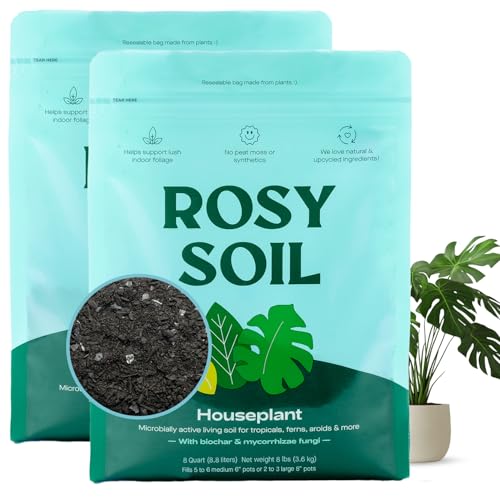
Rosy Soil Houseplant Soil 8QT Pack

Omitgoter Horticultural Charcoal 1qt

Rosy Soil Houseplant Soil 4QT

Rosy Soil Herb Mix 4QT
Taking A Closer Look At The Options
Clay can also make container work surprisingly difficult because garden soil remains dense after it is scooped into a pot. This mix takes a different approach, providing a loose, gritty medium for drought-tolerant plants that need their roots surrounded by air rather than constant moisture.
The two four-quart bags suit anyone repotting several cacti, succulents, or small bonsai. Compared with the Biochar Booster, it is a complete container medium rather than an additive blended into existing soil, which makes it the more straightforward choice for a fresh pot.
What Helps Most
- A chunky texture improves drainage around sensitive succulent roots.
- Worm castings and soil organisms add biological material to an otherwise sterile-looking mix.
- The formula contains no peat, reducing reliance on a dense moisture-holding component.
- Each bag fills roughly two or three plants, useful for small collections.
Points To Note
- This gritty mix is aimed at drought-tolerant plants, not water-loving houseplants.
- The loose texture needs a pot with drainage holes, especially in humid conditions.
Key Specs
Made For
This mix fits home gardeners repotting cacti, aloe, jade, snake plants, desert roses, and other plants that prefer quick drainage.
Where Another Pick Suits Better
Rosy Soil Biochar Booster 8QT suits you better when you want to improve a dense raised bed rather than fill a decorative succulent pot.
Biochar is a carbon-rich material made by heating organic matter with little oxygen. This booster combines that stable material with mycorrhizae, beneficial fungi that form a close relationship with roots, plus worm castings, compost, and bokashi.
That broader formula makes it a more useful garden amendment than the specialized Rosy Soil Cactus Mix 4QT Pack. You can blend it into raised-bed soil, work it into potting medium, or add it around established plants, depending on the root area and soil condition.
Practical Advantages
- Biochar can improve both moisture retention and aeration in difficult soil.
- The living ingredients support nutrient availability around plant roots.
- One eight-quart bag covers a meaningful area of raised bed or container soil.
- The formula works with vegetables, herbs, flowers, and young fruit trees.
Practical Considerations
- Application rates matter, so mixing it evenly works better than scattering a heavy layer over the root zone.
- It remains an amendment, so existing clay still benefits from additional organic matter and careful loosening.
Feature Snapshot
Right Fit For
This amendment works well for gardeners improving clay-heavy raised beds or container soil for vegetables, herbs, and flowering plants.
Consider Something Else When
Rosy Soil Cactus Mix 4QT Pack is the better fit for a single cactus pot because it arrives ready to use as a complete gritty medium.
A wall of houseplants creates a steady need for potting soil, and a two-pack gives you enough material for several sizable containers. This mix replaces peat with biochar, worm castings, mycorrhizae, compost, and bark fines for a more open indoor planting medium.
Unlike the concentrated Biochar Booster, it arrives as a complete potting mix. That makes it convenient for repotting foliage plants, while its living components add more to the pot than plain bark or a basic peat-based blend.
Useful Strengths
- The peatless blend supports airflow around indoor roots.
- Mycorrhizae and compost contribute biological material to the potting medium.
- Bark fines add structure that can resist compaction.
- Two eight-quart bags accommodate a substantial indoor collection.
Trade Offs
- The larger package needs somewhere dry to store until the next repotting session.
- This general houseplant mix is less specialized for cacti or moisture-loving herbs.
Who Will Love This
This two-pack fits apartment dwellers and plant owners with several medium or large indoor pots that need a complete planting medium.
A Better Fit Elsewhere
Rosy Soil Houseplant Soil 4QT suits you better when storage space is tight and you only need enough mix for a few small pots.
Charcoal is useful when your own potting recipe needs more structure, particularly for succulents, orchids, cacti, or bonsai in a container. This one-quart supply gives you room to adjust several mixes without replacing everything at once.
Rosy Soil Cactus Mix 4QT Pack offers a complete gritty medium, while Omitgoter Horticultural Charcoal 1qt works as the component you add to another base. The distinction matters because charcoal alone does not provide the balanced ingredient set of a finished potting mix.
Noteworthy Benefits
- Charcoal can loosen compacted potting media and create more space around roots.
- Its porous structure absorbs excess moisture within a mixed soil recipe.
- The material can also help manage unwanted odors in enclosed growing spaces.
- The one-quart size is manageable for terrariums and small pots.
Small Caveats
- It needs to be blended into your potting medium rather than used alone as soil.
- Accurate measurement helps prevent a charcoal-heavy mix that may not provide the support some plants need.
At A Glance
Built With In Mind
This charcoal fits indoor growers who build custom mixes or need a measured drainage component for compact containers.
Where A Sibling Pick Shines
Rosy Soil Biochar Booster 8QT is the stronger choice for an entire raised bed because it combines carbon-based structure with compost and biological ingredients.
Repotting one large plant can consume more soil than expected, so the four-quart size still offers useful flexibility without the bulk of the two-pack. You get the same biochar, worm castings, mycorrhizae, compost, and bark-fine blend used in the larger Rosy Soil houseplant option.
That makes it a sensible middle ground between buying a small bag for one tiny pot and storing sixteen quarts of mix. In most homes, one bag should also be easier to move from the storage area to the potting bench when the job is finished.
Everyday Perks
- The four-quart volume suits routine repotting without excessive bulk.
- The ingredient blend adds biological and structural components to ordinary potting soil.
- No peat keeps the medium open without relying on a dense, moisture-heavy ingredient.
Factors To Consider
- Several large floor plants may require more than one bag.
- The general houseplant formula does not target the drainage needs of cacti or succulents.
Best Suited To
This size works well for apartment plant owners repotting several medium containers while keeping storage practical.
Another Choice May Suit
Rosy Soil Houseplant Soil 8QT Pack suits you better when you maintain many large pots and can reserve storage space for two bulky bags.
A kitchen garden brings together plants with different habits: basil and mint appreciate more moisture, while rosemary and thyme favor a lighter root zone. This herb-specific mix gives you a purpose-built medium for windowsill pots, outdoor planters, and containers near the kitchen door.
Compared with Rosy Soil Houseplant Soil 4QT, it narrows the focus toward culinary herbs. Biochar, worm castings, and mycorrhizae add biological material and support root development, while the four-quart bag remains manageable for a compact herb garden.
What Pays Off
- The formula is tailored to common herbs such as basil, thyme, mint, parsley, cilantro, lavender, and rosemary.
- One blend works for both indoor windowsills and outdoor herb containers.
- Biochar contributes structure to soil that might otherwise remain dense.
- Living soil ingredients provide a more complex planting medium than plain garden soil.
Worth Noting
- Container herbs still need drainage holes and watering matched to their individual moisture needs.
Core Details
The Right Fit
This mix fits cooks growing basil, parsley, cilantro, thyme, and other herbs in compact indoor or patio containers.
Reach For A Different Pick When
Rosy Soil Houseplant Soil 4QT suits you better when your container collection includes broad-leaved foliage plants rather than mostly culinary herbs.
What Counts Before You Pot
Start With Drainage
Clay soil packs tightly and holds water longer than many plants can tolerate, especially in containers. Good drainage matters first, and the right pot should have holes that allow excess water to leave. A gritty succulent mix handles dry-loving plants, while an organic amendment can begin improving a dense garden bed.
Match the Medium to the Plant
Cacti and succulents need a loose, fast-draining medium rather than rich garden soil. Houseplants benefit from a balanced blend with bark, compost, and biological components, while culinary herbs need a mix formulated for their containers. Rosy Soil Herb Mix 4QT is more purposeful than a general indoor mix for a windowsill herb garden.
Think Beyond Container Size
Volume affects storage and handling, not just how many pots you can fill. The four-quart options suit smaller collections and tighter living spaces, while the eight-quart packs serve more extensive repotting or raised-bed work. Biochar applications also need even distribution so every root zone receives a consistent amendment.
Avoiding Common Potting Mistakes
Mistakes Worth Dodging
Adding a heavy layer of amendment beneath clay does little to fix the entire bed. Mix it through the root zone instead. Using a general houseplant medium for cacti can also leave roots sitting in moisture longer than they prefer.
What Separates Premium From Basic
Specialty mixes provide a defined texture for particular plants, while amendments concentrate on soil structure. A complete medium saves mixing work; a booster gives you more control over an existing bed. The better choice depends on whether you need a ready-made pot or a broader soil improvement.
Frequently Asked Questions
Can biochar improve clay soil for plants?
Yes. Biochar can add pore space, improve aeration, and support moisture and nutrient retention in dense clay. It works best when blended through the root zone with other organic material.
Which mix suits clay soil best?
No single mix solves every clay-soil planting situation. A gritty cactus mix suits drought-tolerant container plants, while a biochar amendment addresses the structure of a clay-heavy garden bed.
Is peat-free houseplant soil suitable for indoor plants?
Yes. A peat-free houseplant mix can support indoor plants when it provides adequate drainage and matches the plant’s watering needs. Biochar, bark fines, compost, and biological ingredients add structure to the medium.
What size potting soil bag do I need?
Measure your pots before buying. A four-quart bag suits several small or medium containers, while an eight-quart bag or two-pack works better for larger plants and more frequent repotting.
Can I use garden soil for potted plants?
Dense garden soil can compact inside a pot and restrict drainage, particularly when it comes from heavy clay. A purpose-made potting mix gives roots a lighter, more stable growing environment.
Closing Remarks
The right choice depends on where the roots are growing. Use a loose cactus mix for drought-tolerant pots, biochar to loosen dense beds, and a living houseplant medium for indoor containers; a dedicated herb mix adds a little more focus for kitchen gardens. Match the product to the plant, the container, and the amount of space you have, and your setup will be much easier to manage.
