

A windowsill basil plant can look healthy while its soil quietly runs short of nutrients. The right feeding approach depends on where it grows, how you water, and whether you want a dry fertilizer, liquid concentrate, soil amendment, or hydroponic nutrients. These six options cover outdoor beds, container gardens, indoor plants, and recirculating systems without forcing one format into every situation.
The Shortlist At A Glance

Espoma Organic Garden-Tone 3-4-4 Fertilizer for Vegetables and Herbs, 18 lb.

HARRIS Worm Castings Organic Fertilizer, 5 lb

ALIINKD A&B Nutrients 1000ml

GrowThrive Lemon Tree Fertilizer

GrowThrive Slow-Release Citrus Fertilizer, 10oz
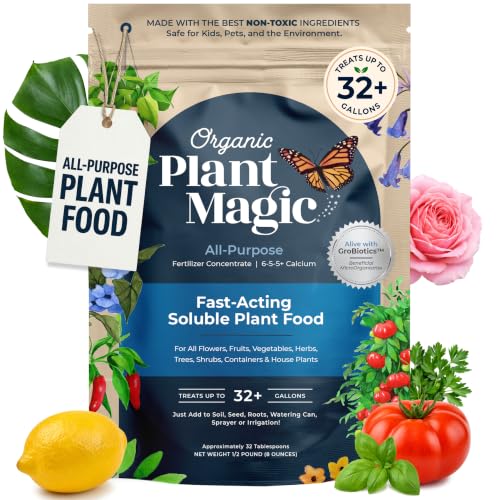
Organic Plant Magic Plant Food 1/2 lb
More Details On Our Top Picks
Mixing fertilizer shouldn’t be part of every weekend garden routine. Espoma Organic Garden-Tone 3-4-4 Fertilizer for Vegetables and Herbs, 18 lb. is ready to apply around herb rows, leafy vegetables, and warm-season crops, giving you a straightforward option for beds that need feeding throughout the season.
Its 3-4-4 analysis pairs relatively even amounts of nitrogen, phosphorus, and potassium, with 5% calcium added. Unlike a specialized liquid feed, this dry product is built for soil application and thorough watering afterward, which works well when you manage an outdoor kitchen garden rather than a hydroponic setup.
Why It Works Well
- Ready to use, so you avoid measuring and mixing concentrate.
- Suits leafy herbs, vegetables, tomatoes, peppers, squash, and melons.
- Monthly use supports a regular feeding schedule during active growth.
- Registered organic input status suits formal organic garden plans.
Practical Considerations
- The 18-pound size needs dry storage and may be more than a small patio garden uses.
- Its soil-and-water routine makes it unsuitable for a soilless hydroponic system.
Key Specs
Made For Garden Beds
You benefit most from this choice when you grow herbs alongside vegetables in outdoor soil and prefer a ready-to-use fertilizer.
Another Choice May Suit
Organic Plant Magic Plant Food 1/2 lb suits you better when one water-soluble concentrate must serve both herbs and indoor houseplants.
Containers often need more than an added nutrient because frequent watering gradually changes the soil. HARRIS Worm Castings Organic Fertilizer, 5 lb offers a soil-building approach for potted herbs, flowers, and vegetables, with the material derived from earthworms processing organic matter.
Its usefulness extends beyond feeding roots. The castings can improve soil structure, water retention, and drainage, which may be particularly helpful in a pot that dries rapidly or stays soggy. Compared with Espoma Organic Garden-Tone 3-4-4 Fertilizer for Vegetables and Herbs, 18 lb., this is less of a scheduled nutrient product and more of a soil amendment.
What Works In Its Favor
- Supports soil structure alongside plant nutrition.
- Helps containers balance moisture retention with drainage.
- Works across houseplants, flowers, vegetables, and herbs.
Worth Noting
- Its soil-building role may not replace a fertilizer tailored to a specific nutrient need.
- Mixing and incorporating castings takes more effort than applying ready-to-use granules.
- The five-pound volume matters when storage space is tight.
Right Fit For Containers
This option fits you best when you pot herbs in dense or fast-draining soil and want to support the growing medium itself.
Consider Something Else When
ALIINKD A&B Nutrients 1000ml is a better fit for your herbs when they grow in a soilless hydroponic system rather than a soil-based pot.
A countertop herb garden can lose nutrients faster than you expect because the water recirculates through the root zone. ALIINKD A&B Nutrients 1000ml is made for hydroponic systems, delivering a paired A-and-B nutrient format directly through the system your plants use.
Unlike Espoma Organic Garden-Tone 3-4-4 Fertilizer for Vegetables and Herbs, 18 lb., you do not spread this formula over soil and water it in. The 1,000 ml total package and included micronutrients suit indoor or potted plants managed through hydroponics, while the two-part format calls for care to keep the components properly separated.
Real Benefits
- Designed specifically for hydroponic growing systems.
- Provides essential nutrients and micronutrients for plant growth.
- A-and-B packaging supports a two-part feeding approach.
- The 1,000 ml total volume suits a dedicated indoor herb setup.
Details To Watch
- This is a hydroponic formula, so it does not suit ordinary soil beds.
- Your system and the product instructions need to agree on the feeding method.
Feature Snapshot
Built With In Mind
You benefit most from this formula when basil, mint, or another herb grows continuously in a recirculating hydroponic system.
Skip It When
HARRIS Worm Castings Organic Fertilizer, 5 lb is the better option for your potted herbs when improving the physical soil matters more than adding hydroponic nutrients.
A lemon tree in a container has a different feeding profile from a basil plant, especially when you want steady foliage, flowering, and fruit development. GrowThrive Lemon Tree Fertilizer is a fast-acting liquid formula made for citrus plants, delivering nutrients through the root zone rather than asking you to work dry material into the surface.
The liquid format makes sense for indoor trees or container citrus that need regular, controlled feeding. Compared with ALIINKD A&B Nutrients 1000ml, this is a dedicated citrus formula rather than a hydroponic system nutrient, so your normal potting soil and watering routine remain the setting.
Everyday Wins
- Formulated specifically for lemon and other citrus plants.
- Fast-acting liquid nutrition suits regular container feeding.
- Supports leaf growth, flowering, and fruit production goals.
Points To Note
- The citrus focus makes it less aligned with an all-purpose herb feed.
- Liquid plant food requires careful dosing and a watering routine that accounts for application.
Who Will Love This
This formula suits you when a lemon, lime, or similar citrus tree shares your indoor or patio space.
Look Elsewhere When
GrowThrive Slow-Release Citrus Fertilizer, 10oz suits you better when gradual feeding fits your schedule more closely than fast-acting liquid nutrition.
Some garden schedules call for steady nutrition rather than a feeding that acts immediately. GrowThrive Slow-Release Citrus Fertilizer, 10oz takes the opposite approach from GrowThrive Lemon Tree Fertilizer, delivering its organic liquid formula gradually for citrus plants with lush, upright growth.
Its 10-ounce size is easy to keep on a shelf and useful when one tree receives focused care. The formula includes beneficial microbes, fungi, active enzymes, and natural amino acids, while its soil-conditioning role supports nutrient uptake and organic matter breakdown.
Features That Help
- Slow-release nutrition fits a less frequent feeding rhythm.
- Supports green foliage and upright citrus growth.
Possible Compromises
- Its gradual release is less suitable for a plant needing an immediate nutrient response.
- The citrus-specific formula does not cover a mixed herb and houseplant collection.
- Slow-release feeding still depends on consistent watering for proper distribution.
Core Details
Made For Steady Growth
You benefit most from this option when you maintain a container citrus tree and prefer measured nutrition over frequent feeding.
Reach For A Different Pick When
Espoma Organic Garden-Tone 3-4-4 Fertilizer for Vegetables and Herbs, 18 lb. fits your garden better when you need a dry, monthly feed for culinary herbs in soil.
A single bottle on the shelf can simplify feeding for a windowsill herb, a vegetable bed, and a flowering houseplant. Organic Plant Magic Plant Food 1/2 lb is an all-purpose, water-soluble concentrate designed to cover herbs, vegetables, flowers, fruit, trees, gardens, and indoor plants.
Its half-pound package makes more than 32 gallons of liquid plant food, which gives you plenty of dilution for repeated feedings. Unlike Espoma Organic Garden-Tone 3-4-4 Fertilizer for Vegetables and Herbs, 18 lb., this is a versatile liquid concentrate rather than a dry product applied around soil rows.
The Practical Payoff
- Covers herbs, houseplants, flowers, vegetables, and trees.
- Water-soluble concentrate works across soil and container gardening.
- One package prepares more than 32 gallons of liquid feed.
- Suitable for indoor and outdoor plant collections.
- Organic formulation suits an all-purpose plant-care routine.
Room For Improvement
- Accurate dilution matters because concentrated plant food requires careful measurement.
Feature Overview
Whose Shelf It Belongs On
This choice suits you when you want one liquid plant food for a varied collection of indoor and outdoor plants.
Swap It Out When
ALIINKD A&B Nutrients 1000ml suits you better when your herbs rely on a recirculating hydroponic system instead of ordinary soil.
What to Match Before You Feed Your Herbs
Choose by growing method
Your setup comes first. Soil-based herbs need a product intended for soil application, while hydroponic plants need nutrients formulated for a recirculating system. A general-purpose liquid concentrate works across several indoor and outdoor situations, but it does not replace a system-specific formula.
Look at the nutrient format
Fertilizer analysis is the shorthand for the proportion of nitrogen, phosphorus, and potassium. Nitrogen supports leafy growth, phosphorus contributes to root and flower development, and potassium supports general plant vigor. A 3-4-4 analysis offers a relatively even profile for mixed edible plantings.
Account for soil and watering habits
Soil amendments improve structure, drainage, or moisture retention, while fertilizers supply nutrients. Fast-draining containers may benefit from a soil-building material, whereas soil already holding water well needs attention to drainage before heavier feeding.
Match the feed to the plant
Citrus formulas focus on trees that may produce flowers and fruit. All-purpose options suit mixed collections, including culinary herbs. Slow-release products suit steadier feeding schedules, while fast-acting liquids give you more control over individual applications.
Two Details That Prevent Feeding Errors
Common Shopping Slip Ups
A label listing many plant types can still miss your actual setup, so check whether it suits soil, containers, or hydroponics before buying. Concentrated feeds also need accurate measurement; guessing at dilution can place too much nutrition in one watering can.
What The Higher Tier Buys
Premium plant food may offer a more specialized nutrient profile, slower release, or a formula designed for a particular growing method. Those features earn their place when you need precise control or fewer applications, but a basic all-purpose feed can suit a simple mixed herb garden just as well.
Frequently Asked Questions
What type of plant food is best for culinary herbs?
A balanced fertilizer is a practical starting point for most culinary herbs grown in soil. You also need to match the format to your setup, whether that means a dry soil fertilizer, liquid concentrate, soil amendment, or hydroponic nutrient.
Can I use citrus fertilizer on herbs?
You can use a fertilizer labeled for herbs or all-purpose plants on culinary herbs. A citrus-specific formula is narrower in purpose, so choosing it makes more sense when your main goal is feeding lemon or other citrus trees.
Is worm castings fertilizer suitable for potted herbs?
Yes, worm castings can support potted herbs by contributing organic matter and improving soil structure, water retention, and drainage. They work best as part of a broader soil and feeding routine rather than as a substitute for every nutrient a plant requires.
Do hydroponic nutrients work in ordinary pots?
Hydroponic nutrients are formulated for soilless systems and their specific watering and mixing process. For an ordinary pot, choose a product labeled for soil or one marked suitable for both growing methods.
How much plant food should I use?
Follow the product’s application directions and measure concentrated liquid carefully. Soil fertilizers also need thorough watering afterward so nutrients move into the root zone instead of remaining on the surface.
Final Verdict
Your growing method should make the first cut: choose Espoma Garden-Tone for outdoor soil beds, ALIINKD for hydroponics, and Organic Plant Magic for a varied indoor and outdoor collection. Harris worm castings suit soil improvement, while the two GrowThrive formulas serve container citrus with different feeding speeds. Match the format to your plants, measure carefully, and keep the routine simple enough to maintain.
