

Starting a flower bed rarely goes as planned: tulips need a different feeding approach from roses, while shrubs and container plants have their own soil and nutrient considerations. This lineup helps you match the formula to the plant instead of treating every bed the same. It also covers convenient options for bulbs, flowering evergreens, roses, and root-focused soil care.
The Lineup, Simplified

Espoma Organic Bulb-Tone 3-5-3 Natural Fertilizer, 4 lb Bag

Espoma Organic Azalea-Tone 4-3-4 Natural Fertilizer, 4 lb Pack
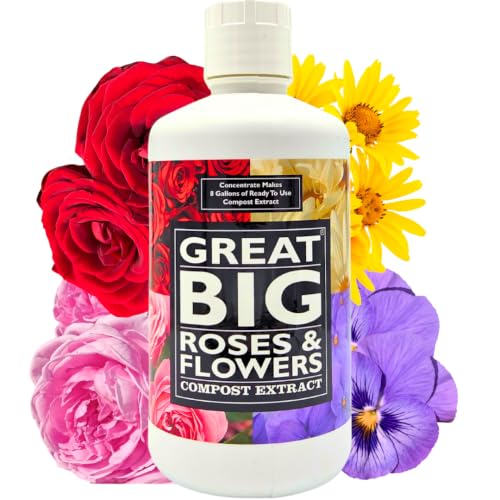
Great Big Roses Fertilizer Booster, 32 oz

Organo Republic Mycorrhizal Fungi Soil Inoculant, 4 oz Pack

Organo Republic Mycorrhizal Fungi Soil Inoculant, 1 lb Pack

Organo Republic Mycorrhizal Fungi Soil Inoculant, 8 oz Pack
The Picks, Examined More Closely
A bag of tulips in autumn creates a straightforward planting job, and Bulb-Tone is formulated for that moment. Its 3-5-3 fertilizer analysis supplies nitrogen, phosphorus, and potassium in a balanced ratio, with 6% calcium included for bulb-focused feeding.
Unlike a general-purpose lawn product, this fertilizer targets fall-planted tulips, daffodils, crocus, and hyacinths, plus spring bulbs such as gladioli and lilies. For a mixed border, that narrow focus is the main advantage; for a lawn or rose bed, you would need a different formula.
What It Does Well
- Its planting-hole application makes it convenient when you are already digging spring or fall bulbs.
- The ready-to-use format eliminates mixing, which simplifies a busy weekend planting session.
- It also works as a surface feed for established bulbs after their spring flowering period.
- The natural and organic ingredient blend fits gardeners seeking a more conventional garden fertilizer.
Points To Note
- This is a bulb-specific food, so it does not replace a feeding plan for roses, flowering shrubs, or lawn grass.
Feature Snapshot
Made For Seasonal Bulbs
You benefit most from this option when planting tulips, daffodils, crocus, hyacinths, gladioli, or lilips in beds or containers.
Another Choice May Suit
Great Big Roses Fertilizer Booster fits rose-heavy beds better, while Bulb-Tone remains the more precise match for spring and fall bulbs.
Azaleas and rhododendrons often occupy the same part of a garden but still receive different care from bulbs, so a dedicated shrub formula makes sense. Azalea-Tone is intended for flowering evergreens, including azaleas, rhododendrons, camellias, and gardenias.
Its 4-3-4 analysis differs from Bulb-Tone’s 3-5-3, with 5% sulfur added to support a plant-specific approach. The product is recommended for established plants in both spring and fall, so this is primarily a maintenance choice rather than a fertilizer placed directly into an empty planting hole.
Notable Gains
- One formula covers several popular flowering evergreens, reducing the need to sort products by individual shrub.
- Spring and fall feeding guidance suits the twice-yearly maintenance rhythm of established shrubs.
- Its ready-to-use form keeps application straightforward around the root area of a densely planted bed.
Worth Noting
- Established shrubs are the stated focus, so new bulb or annual plantings need a formula matched to their own needs.
- The two-bag pack requires adequate storage space and offers little benefit when you maintain only a few small shrubs.
Quick Facts
Right Fit For Flowering Evergreens
You benefit most from this pack when you maintain azaleas, rhododendrons, camellias, or gardenias in spring and fall.
A Better Fit Elsewhere
Espoma Organic Bulb-Tone 3-5-3 Natural Fertilizer is the better fit for tulips, daffodils, and other true bulbs.
A rose bed often contains more than roses, so Great Big Roses offers a broader flowering-garden angle than a narrowly labeled rose food. It is intended for roses, hydrangeas, citrus trees, and other garden plants, with the liquid directed toward the root zone.
Where Bulb-Tone and Azalea-Tone provide crop-specific plant food, this booster is designed to work with nutrients already present in the soil and with existing fertilizer. That makes it a different tool in a mixed planting plan rather than a direct replacement for either Espoma formula.
Notable Upsides
- It suits mixed beds containing roses, hydrangeas, citrus, and other flowering plants.
- Root-zone application gives you a practical focus for watering and feeding after application.
- Its booster role complements a garden’s broader fertilizer approach instead of targeting one bulb type.
- The 32-ounce container is compact enough for a home garden storage shelf.
Small Caveats
- Its function depends on compatible nutrients already being available in the soil.
- A large rose bed may need more than one 32-ounce container, so check the label’s coverage guidance before planting.
Feature Rundown
Built With Flower Beds In Mind
You benefit most from this booster when roses share space with hydrangeas, citrus, or varied garden flowers.
Look Elsewhere When
Espoma Organic Bulb-Tone 3-5-3 Natural Fertilizer fits a bulb-focused planting job more precisely.
Container gardening often starts with a small volume of potting mix, and this 4-ounce inoculant is built for targeted soil work. Mycorrhizal fungi form associations with plant roots, creating a larger active relationship between roots and soil than a plant food alone addresses.
Unlike the crop-specific Espoma products, this formula is positioned as a soil inoculant and root-focused biofertilizer. It contains 100,000 propagules, which are individual fungal units capable of establishing in soil, and carries OMRI Listed status for use in organic gardening systems.
Standout Benefits
- The 4-ounce package is easy to store and suitable for a limited number of containers or planting sites.
- Its 100,000 propagules provide a defined inoculant count rather than relying only on a fertilizer analysis.
- Root-focused use adds a different approach to your planting routine, especially when transplanting into prepared soil.
Where It May Fall Short
- It is not a crop-specific substitute for a dedicated bulb or flowering-shrub fertilizer.
- The compact pack may be less practical for a large bed with many planting sites, depending on the application guidance.
Who Should Grab It
You benefit most from this inoculant when preparing a few containers, starting plants, or treating individual planting areas.
Where A Sibling Pick Shines
Organo Republic Mycorrhizal Fungi Soil Inoculant, 8 oz Pack suits broader or repeated applications that could outpace a 4-ounce supply.
Large garden projects call for more than a few spoonfuls of soil treatment, and the 1-pound pack gives you a larger supply of the same root-focused approach. It contains 400,000 propagules, four times the count in the 4-ounce version, while retaining the same mycorrhizal soil-inoculant format.
You can view this as the bulk-oriented choice for repeated transplanting, multiple beds, or an expanding container garden. The honest read is that a larger pack is only an upgrade when you have enough planting work to use it; for a single windowsill pot, the smaller version may make more sense.
Positive Takeaways
- The 400,000-propagule count supports broad application across numerous planting sites.
- The 1-pound format reduces the likelihood of running short during a large seasonal planting project.
- Its OMRI Listed, root-stimulating biofertilizer focus serves organic and soil-conscious gardening approaches.
Practical Considerations
- The large pack can be excessive for a few pots or a single newly prepared bed.
- It remains a general soil inoculant, so dedicated plant foods still have a clearer role in bulb and shrub feeding.
Made For Large-Scale Soil Work
You benefit most from this pack when preparing multiple beds, dozens of containers, or several repeated planting projects.
Swap It Out When
Organo Republic Mycorrhizal Fungi Soil Inoculant, 4 oz Pack is the more proportionate choice for a small number of planting sites.
The 8-ounce pack occupies a useful middle ground between the 4-ounce and 1-pound options. It contains 200,000 propagules, giving you twice the supply of the compact pack without moving up to the largest container, and it works with the same mycorrhizal fungi soil-inoculant concept.
For a mixed bed, the extra quantity may make repeat applications more practical. Compared with a conventional fertilizer, this option concentrates on the root-soil relationship and is described as a root-stimulating biofertilizer, making it a complementary tool for gardeners building a broader soil-focused routine.
The Practical Payoff
- Two hundred thousand propagules provide a substantial amount without the bulk of a one-pound package.
- The 8-ounce size suits repeated work across several containers or a medium-sized bed.
- OMRI Listed status aligns with organic gardening practices and the product’s natural-material positioning.
Details To Watch
- For a very large planting project, the 1-pound version may be easier to use without frequent replenishment.
Core Details
The Right Fit For Garden Projects
You benefit most from this pack when you want room for several applications without committing to the largest container.
Another Choice May Suit
Organo Republic Mycorrhizal Fungi Soil Inoculant, 1 lb Pack fits larger gardens where repeated use is expected.
Plant Food or Soil Booster? What Matters
Match the Formula to the Plant
A fertilizer formulated for tulips is not automatically suited to azaleas, roses, or container vegetables. Bulb-Tone addresses spring and fall bulbs, while Azalea-Tone focuses on flowering evergreens, including azaleas, rhododendrons, camellias, and gardenias. Great Big Roses takes a broader flowering-garden approach and is designed to complement nutrients already in the soil. Matching the stated plant group is the first practical filter.
Understand What the Numbers Represent
Fertilizer analysis, commonly written as N-P-K, shows the percentage of nitrogen, phosphorus, and potassium. Bulb-Tone uses a 3-5-3 analysis with 6% calcium, while Azalea-Tone uses 4-3-4 with 5% sulfur. These figures help distinguish products, but they do not determine results on their own. Soil condition, plant age, watering, and the label’s application guidance still shape the outcome.
Choose Between Plant Food and Soil Inoculation
Mycorrhizal inoculants introduce beneficial fungi that associate with plant roots and can participate in the soil’s nutrient and water movement. That makes them different from a conventional plant food, particularly for new plantings, transplants, and container soil. The three Organo Republic sizes also differ mainly in quantity: 4 ounces, 8 ounces, and 1 pound, with 100,000, 200,000, and 400,000 propagules respectively. Choose the size that fits the number of planting sites and your storage space.
Check the Application Method
Bulb-Tone can go directly into the planting hole for new bulbs or onto the soil surface for established plants. Azalea-Tone is positioned for spring and fall feeding of established shrubs, and Great Big Roses is applied toward the root zone. Read the complete label before combining products, since a second fertilizer may add more nutrients than your planting plan calls for. Avoid treating a root inoculant as a complete substitute for crop-specific plant food.
Practical Planting Fertilizer Decisions
Mistakes Worth Dodging
The most common error is choosing fertilizer by a broad label such as “flower food” when your plants have more specific needs. Another mistake is applying a new product without identifying the plant and its growth stage. You can also waste soil inoculant by using a large pack for a few containers. Match the product to the plant, confirm the application method, and estimate the number of sites before choosing a package size.
The Upgrade Payoff
A larger inoculant pack becomes worthwhile when you have multiple beds, frequent transplanting, or repeated soil work to cover. The added quantity saves replenishment, but a smaller pack can be more practical for a limited project. For crop-specific foods, the meaningful upgrade is better formula alignment rather than simply more material in the bag.
Frequently Asked Questions
Is planting fertilizer different for bulbs and flowering shrubs?
Yes. Bulb-Tone is formulated for spring and fall bulbs, while Azalea-Tone targets flowering evergreen shrubs. Their 3-5-3 and 4-3-4 analyses also reflect different nutrient profiles.
What does a 3-5-3 fertilizer analysis mean?
It represents 3% nitrogen, 5% phosphorus, and 5% potassium by weight. The ratio helps identify the formula, but application guidance and soil conditions also affect how the product supports plant growth.
Is mycorrhizal inoculant a replacement for regular fertilizer?
No. Mycorrhizal inoculant focuses on beneficial fungi and their relationship with plant roots. It can complement plant food, while a crop-specific fertilizer remains more closely matched to the nutrient needs of bulbs, shrubs, or flowering plants.
Which Organo Republic inoculant size is best for containers?
The 4-ounce pack suits a limited number of containers or individual planting sites. Choose the 8-ounce version for more repeated work, or the 1-pound pack for larger gardens and frequent projects.
Can one planting fertilizer feed an entire mixed garden?
Usually not. Bulbs, flowering shrubs, roses, and container plants have different needs and application schedules. A mixed garden can benefit from separate, plant-specific products used at the correct time.
Final Verdict
Your best choice depends on the plants, not the package size. Bulb-Tone suits seasonal bulbs, Azalea-Tone serves flowering evergreens, and Great Big Roses supports mixed flower beds. For root-focused soil work, the Organo Republic options scale from a few containers to broader planting projects. Match the formula and quantity to the job in front of you.
