

Bare patches left by winter turn spring lawn care into a timing problem, and a warm window can disappear before the soil is ready. I focus on seed blends for new lawns, forage areas, erosion control, and quick repairs, with an emphasis on climate fit, growing habits, and practical seeding rates. The right choice depends less on a clever label than on matching the seed to the site, season, and amount of ground that needs coverage.
How The Shortlist Stacks Up

Outsidepride White Prairie Clover Seeds, 1/4 lb. Perennial Drought-Tolerant Forage Seed

Outsidepride Annual Ryegrass Seeds, 5 lb. Fast-Growing Forage Cover Crop
Lesco All-Pro Transition Tall Fescue Blend, 50 lbs.

Barenbrug Wonderlawn Winter Grass Seed Mix, 5 lbs.

Scotts Turf Builder Sun & Shade Mix, 5.6 lbs.

Scotts Turf Builder Rapid Grass, 2.4 lbs.
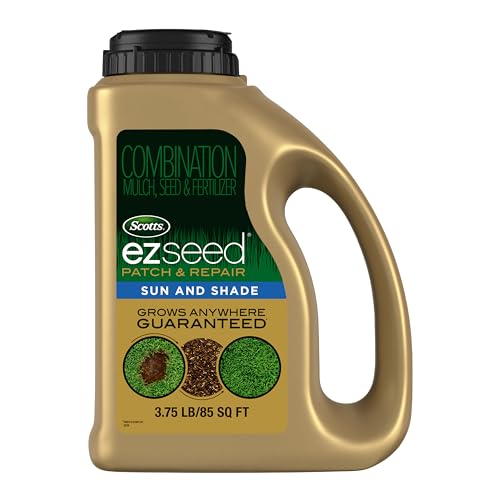
Scotts EZ Seed Patch & Repair, 3.75 lbs.
A Deeper Look At The Lineup
White prairie clover is a perennial planting rather than a conventional lawn seed, which makes it a better fit for meadows, pasture improvements, and dry restoration sites. I like the combination of a deep taproot, summer flowers, and high-protein forage for livestock, rabbits, and other wildlife.
Its root system also supports the soil, while the legume relationship with soil bacteria can contribute to nitrogen availability. Compared with Outsidepride Annual Ryegrass, this choice prioritizes drought tolerance, flowers, and perennial regrowth rather than fast forage production.
Where It Excels
- Deep roots help stabilize dry, sandy, or loamy soil.
- White flower spikes support bees and butterflies during summer.
- The perennial habit returns across multiple growing seasons.
- Low-maintenance growth suits large meadow and habitat plantings.
Trade Offs
- The listed late-fall sowing guidance fits spring planning less closely than fall planting.
- Its 18- to 36-inch height and upright form do not suit a closely mown lawn.
Key Specs
Built With In Mind
This seed fits landowners establishing forage, pollinator habitat, or erosion-resistant ground cover in USDA Zones 6 through 9.
Where A Sibling Pick Shines
Outsidepride Annual Ryegrass Seeds suit livestock operations that need a fast-growing annual cover crop rather than a flowering perennial meadow.
Annual ryegrass makes sense for pasture restoration, hay acreage, and covering disturbed ground quickly. I see it as a working agricultural seed rather than a fine-textured lawn option, with the five-pound bag suited to established small farms and larger planting projects.
The tetraploid designation means the plants carry four chromosome sets, a trait associated here with larger leaves and higher water content. Compared with Lawn Synergy Lesco All-Pro Transition Tall Fescue Blend, this seed is built for forage and temporary cover instead of a dense residential lawn.
The Practical Payoff
- Rapid establishment provides quick forage and ground coverage.
- Works for grazing, hay, silage, and green-chop operations.
- Dense roots help stabilize disturbed or exposed soil.
- Glossy, dark green leaves remain useful through the growing season.
- Can be combined with fall-sown grains and clovers.
Practical Considerations
- Medium-to-high soil fertility is needed to support the stated forage performance.
- Annual ryegrass is less fitting for a permanent, ornamental turf lawn.
Feature Snapshot
Made For
Cattle, sheep, and horse owners managing pasture, hay, silage, or erosion-prone farmland will get the most benefit from this annual ryegrass.
Another Choice May Suit
Outsidepride White Prairie Clover Seeds suit gardeners prioritizing perennial flowers, drought-tolerant habitat, and soil enrichment over annual forage yields.
A transition zone can punish lawn seed with hot summers and cool winters, and this tall fescue blend is designed for that uneven climate. I favor it for large properties where heat, drought, moderate shade, and regular foot traffic need to be considered together.
The endophyte-enhanced grass contains living microorganisms within the plant that deter certain surface-feeding insects, including chinch bugs and sod webworms. That is a focused advantage, not a broad answer to every lawn problem, and it sets this blend apart from Outsidepride Annual Ryegrass.
Useful Highlights
- Tall fescue tolerates the defining stresses of transition-zone lawns.
- The blend forms thick, dark green turf with practical mowing characteristics.
- Endophyte-enhanced plants discourage selected surface-feeding insects.
- One 50-pound bag suits substantial new-lawn or overseeding projects.
Points To Note
- The large bag requires dry storage space before planting.
- Insect resistance is directed at specific surface-feeding pests rather than every insect.
Technical Sheet
Right Fit For
Homeowners, grounds managers, and professional turf crews tending large transition-zone lawns benefit most from this high-capacity blend.
Look Elsewhere When
Barenbrug Wonderlawn Winter Grass Seed Mix fits late-fall and winter planting in southern regions better than a spring-focused tall fescue application.
Winter grass has a narrow seasonal purpose, and Barenbrug Wonderlawn is built around that job. I see it as a strong fit for southern lawns seeded from late fall into early winter, particularly where soil temperatures have reached the mid-40s and the goal is growth during colder months.
The mix combines turf-type Italian and perennial ryegrass, meaning the grasses are selected for lawn use rather than forage production. It germinates in roughly 7 to 12 days under suitable conditions, which makes it more relevant to a planned winter planting than a spontaneous spring repair.
Positive Takeaways
- Handles partially shaded and sunny locations.
- Italian and perennial ryegrass support active winter growth.
- A 7-12 day germination window allows quick planning.
- The five-pound bag suits moderate seasonal lawn work.
Worth Noting
- Late fall to early winter is the stated preferred planting window.
- Its seasonal focus makes it less aligned with a spring lawn plan.
Who Will Love This
Gardeners in southern regions planting a lawn specifically for fall and winter growth will appreciate this cold-season approach.
Swap It Out When
Scotts Turf Builder Sun & Shade Mix suits a broader spring planting that focuses on establishing roots across changing light conditions.
A lawn that receives both sunshine and partial shade needs a blend designed to tolerate that variation. I consider Scotts Turf Builder Sun & Shade Mix a practical general option for spring repairs where the light changes noticeably across the property.
Its root-building nutrition combines the seed with fertilizer and soil improver, which reduces the number of separate materials needed during initial lawn care. Unlike the winter-focused Barenbrug Wonderlawn mix, this one is framed around a broader sun-and-shade lawn condition rather than a narrow cold season.
A Few Strong Suits
- Handles yards with both sunny and partially shaded sections.
- Root-building nutrition supports deeper turf development.
- Combines seed, fertilizer, and soil improver in one product.
- The 5.6-pound quantity suits a meaningful lawn repair or planting.
Small Caveats
- A mixed-light blend is a compromise rather than a specialized match for either condition.
- Root development still depends on suitable soil and consistent moisture after sowing.
Quick Facts
Best Suited To
Home lawn gardeners dealing with a mix of sunny and shaded areas will find this blend more versatile than a single-condition seed.
Consider Something Else When
Scotts Turf Builder Rapid Grass suits spring work focused on closing thin patches sooner rather than building roots with added lawn nutrition.
Thin spring lawns often need visible improvement before a summer event, and this rapid grass mix focuses on that narrower goal. I would consider it for overseeding, meaning scattering seed over existing turf to thicken bare areas, rather than starting an entire lawn from bare soil.
The manufacturer states that the seed-and-fertilizer combination can produce visible grass in weeks and grow up to twice as fast as seed alone when applied at the new-lawn rate and properly cared for. The source also identifies spring and fall as suitable application periods, which makes the timing relevant.
Key Advantages
- Fast visible growth suits thin or bare spring areas.
- Seed and fertilizer are combined in one material.
- Works for both overseeding and new-lawn establishment.
- Each listed unit contains 2.4 pounds of seed.
Possible Compromises
- The source lists a six-pack, so storage space may be needed.
- Faster visible growth still depends on proper watering and lawn care.
The Right Fit
Gardeners repairing scattered thin areas and hoping for faster visible coverage during spring will find this mix responsive and easy to use.
Reach For A Different Pick When
Lawn Synergy Lesco All-Pro Transition Tall Fescue Blend serves large transition-zone projects that need broad climate tolerance and substantial seed volume.
Small bare patches can look disproportionate on an otherwise healthy lawn, and this repair mix is designed around those isolated trouble spots. I find it most relevant for areas receiving full sun, dense shade, heavier foot traffic, or planting on slopes, where ordinary lawn seed can struggle.
Seed, continuous-release lawn food, and a super-absorbent growing agent are combined in one product. The absorbent material helps retain moisture around the seed, while the lawn food supports early care. Compared with Scotts Turf Builder Rapid Grass, this option is more specifically organized around patching damaged places.
Everyday Advantages
- Targets bare spots rather than requiring a full-lawn approach.
- Handles sun, dense shade, traffic, and sloped locations.
- Adds lawn food and moisture-holding material to the seed.
- The 3.75-pound bag suits several localized repairs.
Areas To Watch
- A localized repair mix is less efficient for rebuilding an entire lawn.
- Different repair locations may need separate preparation and watering routines.
Feature Overview
Whose Shelf It Belongs On
Home lawn gardeners dealing with isolated bare spots, worn patches, or sloped areas will find this mix especially useful.
A Better Fit Elsewhere
Scotts Turf Builder Rapid Grass suits broader spring overseeding when faster coverage across a larger lawn matters more than targeted repair.
What Matters Before Spring Sowing
Match the Seed to the Site
A sun-and-shade lawn needs a flexible mix, while a transition zone benefits from tall fescue that handles both hot summers and cool winters. I start with sunlight, soil drainage, and summer temperature, then narrow the selection to a product whose stated growing conditions match the site.
Decide Between Turf, Forage, and Habitat
A lawn seed blend aims for dense, mowable turf, annual ryegrass supports grazing and cover cropping, and white prairie clover contributes forage, flowers, and soil stabilization. These are different jobs, so a larger seed bag does not automatically make it suitable for every purpose.
Read the Seeding Rate Before Ordering
Coverage figures matter because overseeding and starting from bare soil require different amounts. The Lesco blend covers 10,000 square feet when overseeding at 5 pounds per 1,000 square feet, but its new-lawn rate is 8 to 10 pounds per 1,000 square feet. A quick area calculation prevents either thin coverage or unnecessary storage.
Consider Seasonal Timing
Spring soil warming and available moisture are important, though the product’s preferred season still matters. Barenbrug Wonderlawn is directed toward late fall and early winter, while Scotts Turf Builder Rapid Grass lists both spring and fall as suitable application periods.
Timing And Seed Selection Pitfalls
Common Shopping Slip Ups
Choosing by the word “spring” alone can hide major differences in seasonal timing, seed type, and intended use. I would also compare the actual planting rate with the size of the area, and check whether a winter-oriented ryegrass blend or a forage crop is being mistaken for lawn seed.
What The Extra Money Goes Into
Larger or more specialized blends may add endophyte-enhanced grass, root-building nutrition, moisture-holding material, or enough seed for substantial coverage. The added cost is worthwhile when a lawn faces specific stresses, while a simple patch repair may not need the same volume or combination of materials.
Frequently Asked Questions
When is the best time to plant grass seed in spring?
The best time is after the soil has warmed and is consistently workable, with enough moisture available for germination, which is the stage when a seed begins growing. Spring or early summer often works better than cold, saturated soil, though timing varies by climate and grass type.
Can grass seed be planted in spring?
Yes, spring planting can repair thin lawns or establish new turf once soil temperatures are suitable. The white prairie clover and winter ryegrass choices have more specific planting windows, so following their stated timing matters more than treating spring as interchangeable with fall.
Should I overseed or start a new lawn?
Overseeding suits a lawn with thin spots but a sound base, while a new-lawn approach fits bare or heavily damaged ground. Seed rates differ between the two methods, and using the wrong rate can produce weak coverage or leave more seed than the area requires.
How much grass seed is needed for spring?
The required amount depends on the product and whether the ground is being overseeded or seeded from scratch. Lesco All-Pro Transition Tall Fescue Blend covers up to 10,000 square feet at its stated overseeding rate, while its new-lawn rate calls for more seed per 1,000 square feet.
Can one seed mix handle both sun and shade?
A sun-and-shade mix can cover a lawn with mixed exposure, though it remains a compromise between the two conditions. Uniformly shaded or uniformly sunny ground benefits from a more specialized selection, while localized damage can be handled with a targeted patch product.
Final Verdict
The best spring seed depends on the actual lawn job: tall fescue for demanding transition zones, sun-and-shade blends for mixed light, rapid grass for timely repairs, and patch products for isolated damage. For forage, pasture, or meadow planting, the Outsidepride options serve a different purpose. Match the seed to the site, check the timing, and calculate the rate before the bags arrive.
