A partly shaded patio rarely needs more color, so finding the right annuals can change how the space feels. These seeds suit beds that receive bright light without a full day of direct sun, from compact borders to open meadow planting. Annual flowers complete their growing cycle in one season, making them practical for seasonal color, cut arrangements, and pollinator-friendly spaces. The six options below cover different climates, heights, and planting styles, so your best fit depends on the site you actually have.
A Closer Look At The Lineup
PickWhy We Picked ItBest ForAction
Seasonal Pick
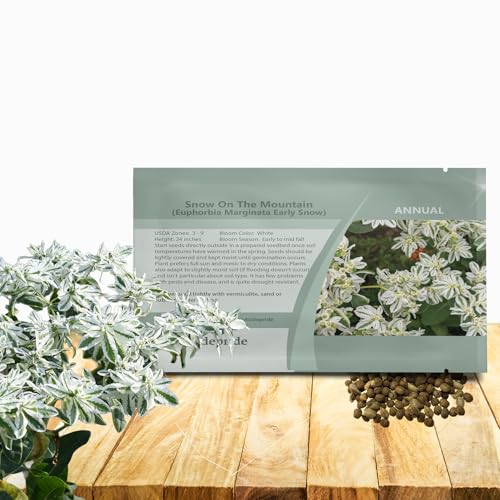
Outsidepride Snow On The Mountain Euphorbia Seeds 500 Pcs Annual
A bed that fades by late summer needs a plant with a later season of interest, and Snow on the Mountain fills that gap with white-and-green foliage. Bracts are modified leaves surrounding the small flowers, creating the frosted look that makes this euphorbia useful in borders and bouquets.
The plant reaches 24 inches and handles full sun or partial shade, so you can place it along a bright edge or in a bed with intermittent light. For most home gardens, the main appeal is the combination of height, fall color, and relatively little routine care.
Benefits That Matter
✓White and green bracts add strong contrast to mixed borders.
✓Its 24-inch height gives seasonal beds a clear vertical layer.
✓Flowering from early to mid-fall extends color as summer plants finish.
✓Dry to slightly moist soil gives you flexibility in imperfect sites.
Worth Noting
•Plan for 24-inch spacing so mature plants have room to develop.
At A Glance
Feature
Specification
Why It Matters
Mature height
Up to 24 inches
Adds a noticeable vertical layer.
Growing zones
USDA Zones 3-9
Defines the broad range of suitable climates.
Light
Full sun to partial shade
Fits beds with changing exposure.
Blooming period
Early to mid-fall
Provides color late in the growing season.
Who It Suits Best
You will get the most from these seeds in a fall border, cottage-style bed, or cutting garden that receives several hours of bright light.
Where Another Pick Suits Better
Outsidepride Purity Cosmos Bipinnatus Seeds suit gardeners wanting taller white flowers with finer, more delicate foliage.
Sky-blue cornflowers bring a saturated color that works especially well against white blooms, green foliage, and warm flowers such as dahlias. At 12 to 18 inches, this dwarf form is more manageable than a tall border plant, making it useful for compact beds and containers.
You can cut the flowers for fresh or dried arrangements, and the blooms also attract bees and butterflies. The listing describes the flowers as edible, though you should confirm the plant’s identity before adding any home-grown bloom to food.
What Earns Its Place
✓Frilled blue flowers create lively contrast in mixed borders.
✓Dried and fresh arrangements benefit from the clear color and frilled form.
✓Bees and butterflies gain a useful nectar and pollen source.
Points To Note
•Allow 6 to 8 inches between planting sites for compact growth.
•Full sun is preferred in moderate climates, while warmer areas benefit from partial shade.
Quick Facts
Feature
Specification
Why It Matters
Height
12-18 inches
Works in borders and containers.
Growing zones
USDA Zones 3-10
Supports a wide climate range.
Light
Full sun or partial shade
Accommodates warmer garden sites.
Made For
This fits your space best if you want blue cut flowers, pollinator activity, and a moderate-height annual in a sunny border.
Consider Something Else When
Outsidepride Mountain Wild Flower Seed Mix fits larger high-elevation plots where you want a varied regional blend rather than one flower type.
White cosmos carries a different visual character from blue cornflowers: the blooms are broad and bright, while the foliage is fine and feathery. That pairing suits airy borders, cottage gardens, and meadow-style planting where you want structure without dense foliage.
The plants can reach 60 inches, giving your garden a much stronger vertical element than the 18-inch cornflower. You can also cut stems early in the morning for arrangements, with the listing indicating that properly harvested flowers can remain fresh in a vase for up to 10 days.
Practical Pluses
✓Large white blooms create a clean focal point in mixed beds.
✓Fern-like foliage gives borders a light, open texture.
✓Plants can grow to 60 inches for dramatic height.
✓Bees and butterflies are drawn to the summer-through-fall flowers.
✓Cut stems can remain fresh in a vase for up to 10 days.
Trade Offs
•The 60-inch height needs more room than the other single-flower options here.
•Self-seeding can add volunteer plants in later seasons, so you may want to manage seedlings.
Right Fit For
You will appreciate this choice for a large sunny border, meadow planting, or cutting garden that needs airy white flowers at substantial height.
Not Your Match When
Outsidepride Dwarf Blue Cornflower Seeds suit you better when space is limited and blue, frilled flowers fit the design better than tall white blooms.
A mountain garden is a specific environment, so a regional blend makes more sense there than a general collection of annuals. This mix combines 45 percent annual seeds with 55 percent perennial seeds, giving you flowers that contribute during both the current season and later growing cycles.
It is intended for USDA Zones 3-8 and elevations above 7,000 feet, including gardens across the listed mountain states. The blend reaches 36 to 48 inches, and spring sowing gives the seeds a full growing season to establish.
Where It Delivers
✓The annual and perennial balance supports flowers over multiple growing cycles.
✓Plants add 36 to 48 inches of height to open mountain plots.
✓Broadcasting or drilling makes the bulk mix practical for larger areas.
Factors To Consider
•This is a specialized high-elevation mix, not a general-purpose blend for every climate.
•Wait until spring soil reaches 55°F and keep the seeded area moist during germination.
Feature Snapshot
Feature
Specification
Why It Matters
Seed mix
45% annual, 55% perennial
Combines current-season color with returning growth.
Height
36-48 inches
Creates a substantial meadow-style layer.
Elevation
Above 7,000 feet
Identifies the intended mountain setting.
Planting season
Spring at 55°F soil temperature
Gives seeds an established growing season.
Best Suited To
This mix fits you best in a high-elevation garden within Zones 3-8 where you want a broad mix rather than a single annual variety.
A Better Fit Elsewhere
Outsidepride Midwest Wildflower Seed Mix serves you better in a lower Midwestern garden without the mountain blend’s 7,000-foot elevation requirement.
Humidity and persistent warmth make the Gulf Coast a demanding starting point for many garden plants, so regional seed selection matters here. This mix combines annual and perennial wildflowers for Southern Florida and Southern Texas, with a listing that places it in USDA Zones 8-10.
Full sun and partial shade make it relevant to exposed coastal yards and areas with lighter canopy cover. The native wildflower selection is designed for pollinator gardens and varied landscapes, and depending on your soil and moisture, you may need to prepare the site carefully before sowing.
Useful Strengths
✓Annual and perennial seeds provide varied growth across seasons.
Midwestern weather can swing from warm summer conditions to cold autumn and winter, so a regional wildflower mix offers a more grounded choice for that environment. This one combines annual and perennial native seeds, bringing varied colors and successive growth to meadows and gardens.
The mix is intended for Midwestern states and supports pollinator activity while fitting a low-maintenance approach. Unlike the single-flower choices, you will get a varied display rather than one consistent height or bloom shape, which suits a larger, naturalistic landscape.
Reasons It Performs
✓Annual and perennial seeds create a varied seasonal display.
✓Native wildflowers suit meadow and garden planting.
✓Pollinator activity makes the mix useful beyond ornamental color.
✓The one-pound format supports an open garden area.
Small Caveats
•Different species may bloom at different times, so expect variety rather than uniform height.
Key Details
Feature
Specification
Why It Matters
Bag size
1 lb
Provides a practical amount for a garden or meadow.
Seed types
Annual and perennial
Adds current-season and longer-term growth.
Plant origin
Native wildflower seeds
Focuses the mix on regionally relevant plants.
Primary use
Midwestern meadows and gardens
Matches the blend to its intended climate.
The Right Fit
This fits your garden if you live in a Midwestern state and want a varied, pollinator-focused planting for a meadow or larger border.
Look Elsewhere When
Outsidepride Purity Cosmos Bipinnatus Seeds suit you better when you want one coordinated flower type with white blooms and airy foliage.
## Planning Annuals Around Light, Climate, and Scale
### Read the Light First
Partial sun usually means a location receiving several hours of direct light along with shade during the hottest part of the day. A plant that tolerates this exposure gives you more planting options than one restricted to constant shade. Pay attention to buildings, fences, and trees because their shadows can shift across a bed throughout the day.
### Match the Plant to the Climate
USDA hardiness zones estimate winter minimum temperatures, which help you narrow the climate range for perennial plants. Annual flowers still need suitable temperature and timing, while regional wildflower mixes are more closely matched to local conditions. Choose the Gulf Coast blend for warm coastal areas, the mountain mix for high elevations, and the Midwest mix for Midwestern landscapes.
### Consider Height and Space
Tall cosmos can provide 60 inches of vertical interest, while dwarf cornflower stays around 12 to 18 inches. The Mountain Wild Flower Seed Mix offers 36 to 48 inches of height across a diverse blend. Account for the mature size before sowing so your plants do not crowd their neighbors or become difficult to reach.
### Plan the Role in the Garden
Single varieties such as euphorbia and cornflower give you more control over color and form. Regional mixes create a looser, more varied display, and they suit larger meadow-style areas better than a formal border. For cut flowers, the cosmos and cornflower options provide clear reasons to harvest stems, while Euphorbia adds striking white-and-green bracts to autumn arrangements.
## Practical Checks Before You Purchase
### Where Shoppers Go Wrong
A common mistake is choosing by flower color while overlooking mature height and light exposure. Another is treating every wildflower mix as interchangeable, even though regional blends target different climates. Check the planting location, sow at the recommended time, and account for the final size of the plants before opening the packet.
### What Separates Premium From Basic
A larger seed bag or a more specialized regional formulation may cost more because of the quantity or intended growing area. The useful question is whether the added expense matches your site: a high-elevation mix has greater value above 7,000 feet, while a single variety offers more control in a compact border.
## Frequently Asked Questions
### Can Partial Sun Annuals Grow in Containers?
Yes, compact varieties such as dwarf cornflower can suit containers with suitable drainage. Choose a pot that accommodates the mature root system and monitor moisture closely because container soil dries faster than garden soil.
### Which Option Is Best for Cut Flower Arrangements?
Outsidepride Purity Cosmos Bipinnatus Seeds offer tall white blooms and vase use, while Snow on the Mountain adds contrasting bracts to autumn arrangements. Dwarf cornflower also works well in fresh or dried bouquets.
### Do Wildflower Mixes Only Contain Annual Flowers?
No, the regional mixes listed here contain both annual and perennial seeds. Annual plants provide growth during the current season, while perennial species can return in later growing cycles.
### Which Mix Works in Partial Shade?
All six choices tolerate some partial shade, but regional blends offer the broadest planting options. The Gulf Coast mix is suited to warm areas, while the Mountain mix fits high-elevation sites and the Midwest mix targets Midwestern gardens.
### How Far Apart Should These Seeds Be Planted?
Spacing depends on the specific flower, with Snow on the Mountain needing 24 inches and dwarf cornflower needing 6 to 8 inches. Follow each listing’s directions because tight spacing can reduce airflow and restrict mature growth.
## Final Verdict
Your best partial sun annuals depend on the garden’s scale, climate, and desired style. Pick a single variety for tighter borders and coordinated arrangements, or choose a regional mix for a broad, naturalistic display. Match the seed choice to your light and local conditions, then give each plant enough room to reach its stated height. The right fit will look more natural and require less second-guessing as the season develops.