

An aspen with pale, thinning leaves often prompts a quick trip to the garden center, where dozens of fertilizers promise greener foliage and stronger growth. I focus on the details that actually guide that decision: nutrient ratio, delivery method, application timing, and whether the label suits aspen rather than merely a nearby tree species. None of these eight products names aspen directly, so matching the formulation to the tree and soil remains the essential first step. For a landscape containing aspens, fruit trees, evergreens, roses, or mixed beds, the most useful choice is the one built for that specific planting rather than the most broadly named bag.
How The Shortlist Stacks Up

Jobe’s Tree and Shrub Fertilizer Spikes, 15 Count

Jobe’s Fruit and Citrus Fertilizer Spikes, 15 Count
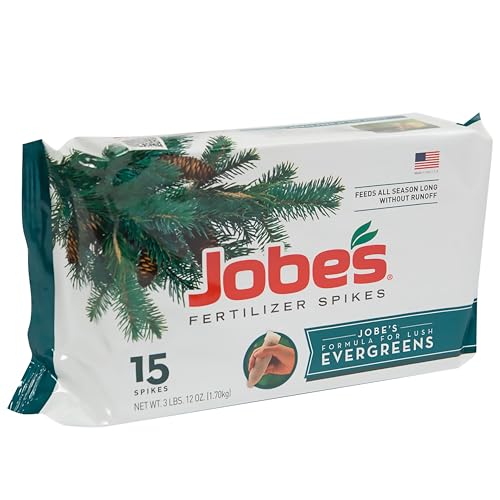
Jobe’s Evergreen Fertilizer Spikes for Acid-Loving Trees, 15 Count

Milorganite 6-4-0 Slow-Release Fertilizer, 32 lb

MediCap MD 12-4-4 Tree Food Implants, 3/8-Inch
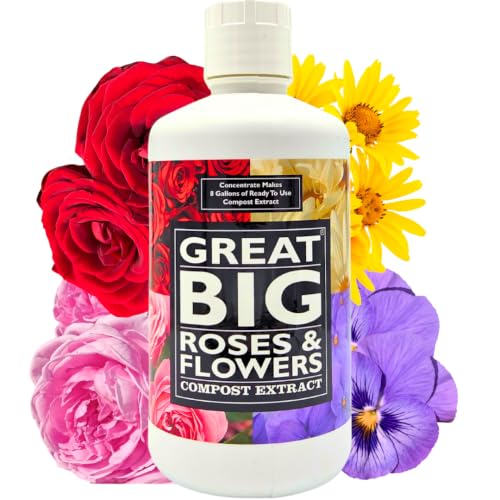
Great Big Roses Fertilizer Booster, 32 Ounce

Farmer’s Secret Fruit Tree Booster, 128oz
The Details Behind The Selections
The pre-measured format makes this tree and shrub spike easy to incorporate into a regular spring and fall maintenance routine. Its 16-4-4 analysis supplies nitrogen, phosphorus, and potassium in a relatively nitrogen-forward blend, which supports general foliage and root development.
I would treat this as a label-directed option for listed acid-loving plants, not as an automatic aspen recommendation. The spikes release nutrients below the surface near active roots, reducing the scattered material associated with loose top-dressed fertilizer.
Standout Benefits
- Pre-measured spikes simplify dosage and application.
- Root-zone placement reduces loose fertilizer debris.
- Slow-release nutrients support gradual feeding.
- The 15-count pack covers repeated applications.
Practical Considerations
- Aspen is not named among the listed tree types.
- Twice-yearly timing requires calendar planning.
Quick Facts
Who It Suits Best
This suits gardeners maintaining listed acid-loving trees and shrubs who value measured, root-zone application over loose fertilizer.
A Better Fit Elsewhere
Milorganite 6-4-0 Slow-Release Fertilizer serves broad lawn and garden feeding better than this narrowly targeted spike assortment.
Compared with the 16-4-4 tree formula, this spike uses a 9-12-12 analysis with much more phosphorus and potassium relative to nitrogen. That balance makes more sense for fruit and citrus plants, where bloom, fruit development, and overall vigor remain central considerations.
I appreciate the flexibility of applying it in early spring and late fall or as needed during the growing season. The measured spikes also keep handling cleaner than loose material, although their fruit-tree focus makes them a poor automatic choice for an aspen-centered landscape.
Real-World Strengths
- The 9-12-12 formula targets fruit and citrus feeding.
- Pre-measured spikes reduce dosage guesswork.
- Midseason application offers schedule flexibility.
A Few Limitations
- Aspen is outside the stated plant category.
- Fifteen spikes may cover only several trees.
- Repeated applications need careful scheduling.
Made For
Homeowners tending citrus, fruit, or nut trees can use the specialized analysis more confidently than general landscape planters.
Consider Something Else When
Jobe’s Evergreen Fertilizer Spikes suit listed acid-loving evergreens better than this fruit-focused formula.
This evergreen formula carries a 13-3-4 analysis, placing more emphasis on nitrogen than the fruit spike reviewed earlier. That profile makes sense for maintaining the foliage color and active growth of listed acid-loving evergreens such as cypress, arborvitae, pine, and cedar.
The root-zone placement and twice-yearly schedule are easy to follow, and the pre-measured form keeps application tidy. For aspen, however, the decisive issue remains the labeled plant category; I would not substitute an evergreen formula solely because it comes in a convenient spike.
Well-Handled Touches
- A nitrogen-forward formula supports evergreen foliage.
- Spikes place nutrients near active roots.
- Pre-measured portions simplify application.
- Slow release avoids one concentrated feeding.
- Fifteen spikes suit recurring seasonal use.
Some Limits To Know
- The stated use is limited to specific evergreen types.
Core Details
Right Fit For
Gardeners with cypress, arborvitae, pine, cedar, or similar listed evergreens get the clearest label match.
Look Elsewhere When
Jobe’s Tree and Shrub Fertilizer Spikes provide a more relevant named category for general listed trees and shrubs.
The major difference here is scale. A 32-pound bag of slow-release fertilizer supports broad lawn or garden feeding rather than a targeted group of tree spikes, and the 6-4-0 analysis supplies nitrogen as its most prominent nutrient.
I see this as a practical bulk format for a large property, although the absent potassium component in 6-4-0 makes it less directly comparable with the three-part formulas used by the Jobe’s spikes. The bag also needs dry, dedicated storage away from children and animals.
What Helps Most
- The 32-pound bag covers large garden areas.
- Slow-release feeding suits low-fuss routines.
Details To Watch
- The 32-pound format needs substantial storage.
- The 6-4-0 analysis contains no listed potassium.
Feature Snapshot
Best Suited To
Large-property owners managing extensive lawns and garden beds will find the bulk bag easier to distribute than individual spikes.
Another Choice May Suit
Jobe’s Tree and Shrub Fertilizer Spikes offer a more focused option for several listed trees and shrubs.
Tree implants create a different maintenance category from root-zone spikes. This 12-4-4 system is designed for iron-deficient trees, and its stated treatment period of two to three years removes the need for annual feeding during that period.
The installation process is the real decision point. Ten implants serve a trunk measuring 14 inches in diameter, and the required tools include a tape measure, cordless drill with a 3/8-inch bit, hammer, and bolt or dowel rod.
Notable Gains
- Designed to support iron-deficient trees.
- A stated two-to-three-year feeding period.
- Premeasured implants eliminate chemical mixing.
Factors To Consider
- Installation requires drilling and a hammer.
- Trunk measurements determine implant quantity.
- The formula is not labeled specifically for aspen.
Who Will Love This
Experienced homeowners managing established trees and comfortable with precise trunk installation can make use of its multi-year approach.
Reach For A Different Pick When
Jack’s Classic 20-20-20 All Purpose Water-Soluble Fertilizer serves routine indoor and outdoor feeding without trunk installation.
This water-soluble powder provides an equal 20-20-20 analysis for general plant feeding. That balanced ratio, combined with foliar or root application, makes the product more versatile than the tree-specific spikes and implant systems reviewed earlier.
I would consider it for a mixed indoor and outdoor collection that needs fast green-up and rapid leaf expansion. The measured powder dissolves into multiple gallons of liquid, but the broad label means it offers no aspen-specific guidance.
Positive Takeaways
- Equal NPK supports general plant growth.
- Foliar feeding offers an additional application route.
- Root feeding fits container and bed plants.
- Dissolved powder covers multiple gallons.
Points To Note
- The label is broad rather than aspen-specific.
- Mixing and dilution require accurate measurement.
Technical Highlights
The Right Fit
Houseplant owners and mixed-bed gardeners need one flexible formula for many kinds of indoor and outdoor plants.
Swap It Out When
Jobe’s Tree and Shrub Fertilizer Spikes provide clearer guidance for a planting made entirely of listed trees and shrubs.
Named for roses, this booster takes a different approach from the straightforward nutrient products elsewhere in the list. It moves into the root zone of roses, hydrangeas, citrus trees, and garden plants to help activate nutrients already present in the soil and support existing fertilizer.
For a densely planted flower bed, that root-zone emphasis is the main attraction. I would treat it as an amplifier within a complete soil-management routine rather than a universal tree food, particularly because the label centers on roses and flowering plants rather than aspen.
The Case For It
- Designed for rose and flower gardens.
- Supports nutrient activation in the root zone.
- Also serves hydrangeas and citrus plantings.
The Fine Print
- The formula is not presented as aspen-specific.
- Best results depend on a complete soil routine.
Whose Shelf It Belongs On
Rose growers and flower-garden maintainers get a clear purpose from this booster, especially alongside other soil amendments.
Where A Sibling Pick Shines
Farmer’s Secret Fruit Tree Booster serves peach, banana, and apple trees better than this flower-garden product.
This liquid concentrate focuses on fruit trees and carries a phosphorus-rich profile. Its stated uses include peach, banana, and apple trees, while the formula is directed toward the early growth cycle after dormancy and before fruit begins to form buds.
The 128-ounce container provides a substantial volume, making it convenient for several fruit plantings. I would keep it within that fruit-tree context, handle the concentrate carefully during dilution, and avoid treating its phosphorus emphasis as a reason to apply it to an aspen without further guidance.
What Works In Its Favor
- Phosphorus-rich nutrition targets fruit trees.
- The large container suits multiple plantings.
Worth Bearing In Mind
- The plant list excludes aspen.
- Concentrated liquid demands careful dilution.
- Its timing centers on early fruit development.
Key Attributes
Built With In Mind
Homeowners managing several fruit trees can use the large container and crop-specific formula most efficiently.
Skip It When
Great Big Roses Fertilizer Booster fits a rose and flower garden better than this fruit-tree concentrate.
Matching Fertilizer to Aspen Site and Tree Needs
Read the Plant and Site
I start with the tree’s condition, nearby plants, and available soil information. A product formulated for acid-loving evergreens, fruit trees, or roses should not automatically be applied to aspen merely because the product is sold as tree fertilizer. Soil testing and local extension guidance provide a better basis for selecting nutrients.
Decode NPK
NPK describes the percentages of nitrogen, phosphorus, and potassium in a fertilizer. Nitrogen primarily supports vegetative growth, phosphorus contributes to root and reproductive development, and potassium supports general stress resilience and growth regulation. Equal ratios work for broad feeding, while specialized formulas concentrate on particular plant needs.
Compare Delivery Methods
Spikes place measured nutrients below the surface, bulk dry fertilizer suits broad spreading, soluble powder supports root or foliar feeding, and implants require direct trunk installation. Each method changes application effort, storage needs, and placement precision. The most convenient option is the one that matches both the planting and the available equipment.
Match Scale to Property
A single spike may suit a small tree, while a 32-pound bag covers a larger lawn and garden. Concentrated liquids can serve multiple fruit trees but require careful dilution. I compare the planting count, application frequency, storage space, and expected use before settling on a package size.
Avoidable Mistakes in Tree Fertilization
Mistakes Worth Dodging
Choosing by the word “tree” alone ignores crop-specific formulas and nutrient ratios. Applying several products at once can make nutrient totals difficult to track, while skipping soil information leaves the actual need uncertain. I would follow one considered plan rather than combining several fertilizer routines.
What Separates Premium From Basic
Specialized nutrients, concentrated formulas, precise implants, and larger or more controlled packaging can command more than basic dry fertilizer. The added expense becomes worthwhile when the formulation matches the planting, the application method saves labor, or the package covers enough plants to reduce waste.
Frequently Asked Questions
Can Jobe’s tree and shrub spikes be used on aspen?
The Jobe’s tree and shrub formula lists oak, maple, dogwood, boxwood, and other acid-loving plants rather than aspen. I would confirm the label and obtain soil guidance before using it on an aspen.
What NPK ratio is best for aspen?
I would base that decision on a soil test rather than choose a ratio from appearance alone. A balanced fertilizer may suit ordinary maintenance, while a soil deficiency can justify a more targeted adjustment.
Are fertilizer spikes better than dry fertilizer for trees?
Spikes offer measured, localized application and less loose material to handle. Dry fertilizer spreads more easily across large areas, making it more practical for lawns and extensive garden beds.
Can fruit or evergreen fertilizer spikes feed an aspen?
I would not use a fruit or evergreen formula on an aspen solely for convenience. The labeled crop category and any soil-based nutrient guidance should come before the application.
How often should fertilizer be applied to aspen?
I would follow the fertilizer label and local growing guidance, paying attention to tree condition and soil rather than applying automatically. The Jobe’s spike products specify early spring and late fall applications for their listed plant categories.
Final Verdict
I would begin with a soil assessment and an aspen-appropriate fertilizer recommendation, then use these eight options only where the labeled crop matches the landscape. Jobe’s spikes serve specific tree and shrub groups, Jack’s Classic handles general feeding, and the Milorganite bag favors broad properties. Matching the tree, soil, delivery method, and property scale is the most reliable route to a sensible fertilizer choice.
