

Turning kitchen scraps and yard waste into useful compost starts with a system that suits your space and routine. A compact worm bed works best for small gardens, while larger tumblers and static bins suit households producing steady volumes of leaves, clippings, and food scraps. The six options below cover different capacity levels, turning methods, and outdoor footprints, helping you match the design to the job without paying for features you will rarely use.
A Closer Look At The Lineup

TOP XIAN Mini Inground Worm Composter and Worm Farm for Garden Beds, Tan 4-Pack

EJWOX Large Capacity Composter Tumbler with Compost Turner
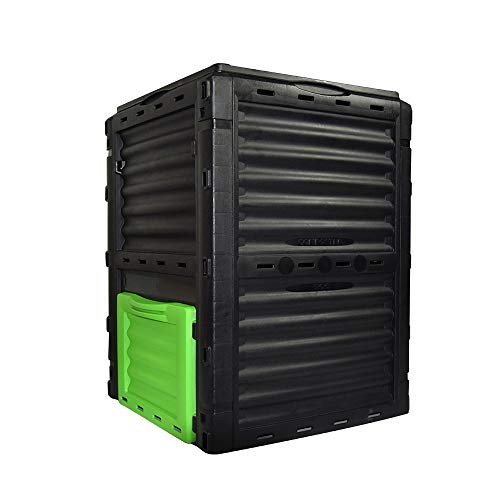
EJWOX 80 Gallon Static Outdoor Compost Bin with Access Hatch and Aeration, Forest Green
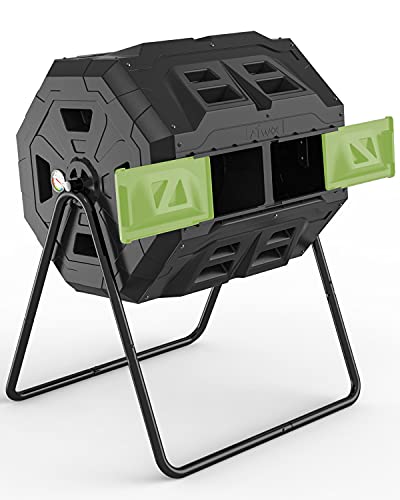
EJWOX 2021 Tumbling Composter, 43 Gallon Green
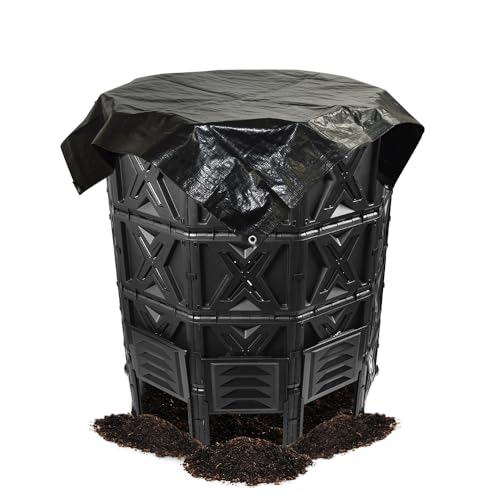
EJWOX 190 Gallon Outdoor Compost Bin with Modular PP Panels and Access Door

EJWOX Large Compost Bin with Stainless Steel Aerator
More On The Choices That Made The List
This little system fits a different job from a conventional outdoor compost bin. Its 7-by-7-by-7.4-inch box goes underground in a garden bed, where earthworms help process small amounts of kitchen waste through vermicomposting, the practice of using worms to break organic material into compost.
For a small patio or compact plot, that low profile keeps the working area tidy. The four-pack also gives you room to establish separate stations, although each site needs suitable soil, moisture, and healthy earthworms for the system to develop.
Everyday Wins
- Its compact footprint leaves most of the garden bed visible and accessible.
- Perforated lid openings and base holes encourage airflow, helping regulate moisture and temperature.
- The twist-lock lid discourages animals and reduces the chance of unwanted intrusions.
- Corrosion-resistant polypropylene supports prolonged outdoor placement.
Things To Consider
- Its 2-to-3-month cycle suits manageable waste volumes rather than heavy seasonal yard debris.
- Installation requires digging and suitable planting conditions around each underground box.
Quick Facts
Made For
You benefit most from this pick when you garden in a small space and process modest kitchen scraps in several raised beds.
A Better Fit Elsewhere
Large-volume gardeners will find the EJWOX 190 Gallon Outdoor Compost Bin more suitable for leaves, grass clippings, and other bulky yard waste.
Unlike the TOP XIAN underground beds, this EJWOX model stays above ground and takes a more active approach. Rotating the tumbler mixes grass clippings, leaves, and vegetable scraps while introducing air, a process called aeration that helps organic material break down more efficiently.
The included mixing tool gives you another way to turn material that may not move evenly inside the barrel. For households producing a dependable weekly stream of food scraps, the 80-liter capacity should feel more practical than a miniature worm bin without occupying the footprint of a large static enclosure.
Useful Touches
- The 80-liter volume holds a useful mix of kitchen scraps and garden material.
- A separate compost-turning tool makes mixing more manageable.
- Six included components keep assembly relatively straightforward.
- Turning the barrel mixes material and introduces oxygen without a separate fork.
Trade Offs
- The tumbler needs enough room for its full size and a clear path for rotation.
- Regular turning remains part of the routine; aeration does not make maintenance disappear.
Right Fit For
This model suits you when kitchen scraps are frequent, the bin is easy to reach, and you prefer a tumbler to a stationary pile.
Reach For A Different Pick When
The EJWOX 80 Gallon Static Outdoor Compost Bin suits gardeners who want more storage capacity and would rather turn the material by hand.
A vertical static bin gives you more usable volume without the wide shape of a tumbler. This EJWOX model holds 80 gallons, or 300 liters, and its forest-green finish sits naturally beside shrubs, fencing, and raised beds.
The access hatch provides a dedicated opening for adding or retrieving material, while multiple vents support air circulation through the pile. Compared with the rotating EJWOX tumbler, this design favors storage and a compact footprint over hands-free mixing, making it a practical match for mixed household and garden waste.
The Good Stuff
- The 80-gallon capacity holds a substantial mix of food scraps and yard waste.
- Multiple air vents reduce the need for the bin to be completely sealed.
- The access hatch simplifies material handling without opening the main lid.
- Its vertical shape conserves ground space and blends into a garden setting.
Minor Gripes
- As a static bin, it relies on manual mixing to keep the contents evenly aerated.
- Its 80-gallon volume still requires adequate yard space and a level setup.
Feature Snapshot
Built With In Mind
You will appreciate this bin when visual tidiness, generous storage, and straightforward material access matter more than a rotating mechanism.
Swap It Out When
Prefer active mixing and a smaller working volume? The EJWOX Large Capacity Composter Tumbler offers a more hands-on setup for frequent kitchen scraps.
This 43-gallon tumbler puts temperature awareness at the center of the composting routine. Its built-in thermometer gives you a direct reading of the pile, helping you judge when the compost is active and which additions belong in the next batch.
The dual-chamber structure and 50-millimeter-deep grooves support more controlled turning than a simple barrel. Reduced screw count also simplifies assembly compared with designs that use more fasteners, though you still need room to rotate the unit and access both chambers.
What Pays Off
- The built-in thermometer removes the need for a separate temperature check.
- Deep grooves help move and mix material during rotation.
- Two chambers give you some flexibility for organizing compost.
- The reduced fastener count streamlines setup.
Points To Note
- Its 43-gallon capacity is smaller than the 80-gallon static EJWOX bin.
- Temperature readings are useful only when you also monitor moisture and material balance.
Core Details
Who Should Grab It
This tumbler suits you when temperature readings and organized turning matter more than maximum capacity.
Another Choice May Suit
The EJWOX 80 Gallon Static Outdoor Compost Bin serves households that need more storage and occasional hand mixing instead.
Seasonal leaf piles and repeated grass clipping loads demand more room than a household tumbler can comfortably provide. This EJWOX static bin holds 190 gallons, or 720 liters, giving you space to combine bulky material with kitchen scraps in a dedicated outdoor area.
Its modular polypropylene panels create a broad enclosure with a lid, ventilation openings, and a bottom access door. Compared with the 43-gallon tumbler, the focus shifts from frequent rotation to holding larger quantities, which can suit properties with substantial garden waste.
Reasons It Performs
- The 190-gallon capacity accommodates heavy seasonal yard waste.
- BPA-free polypropylene panels suit regular outdoor use.
- Ventilation openings support airflow through the stored material.
- The bottom access door provides a separate way to reach the compost.
Softer Spots
- Its large footprint and broad panels require meaningful yard space.
- Building a modular enclosure involves more assembly than a small tumbler.
Best Suited To
Large-property owners handling frequent clippings, leaves, and mixed kitchen waste will get the most value from the extra capacity.
Look Elsewhere When
The TOP XIAN Mini Inground Worm Composter fits compact beds where a large stationary enclosure would dominate the available space.
The EJWOX Large Compost Bin combines a 190-gallon tumbler format with a dedicated stainless-steel turning tool. That tool lets you aerate and reposition material from inside the bin, which can be helpful when ingredients settle unevenly or you do not want to rely on rotation alone.
It shares the substantial capacity of the modular EJWOX static bin, but takes a different approach to material handling. You gain a dedicated tool for mixing, while the static model offers a wider bottom-access layout, so your choice depends on whether turning convenience or accessible storage matters more.
Points In Its Favor
- The 190-gallon capacity handles substantial household and garden waste.
- A stainless-steel aerator provides a dedicated way to turn compost.
- The tool supports a closed-loop approach by keeping food scraps within a household system.
- The large bin reduces how often a smaller receptacle must be emptied.
Small Caveats
- A large outdoor footprint and room to operate the tumbler are necessary.
- The included tool adds another item to store and rinse after use.
At A Glance
The Right Fit
You will appreciate this setup when you want high capacity and prefer a purpose-built turning tool for regular mixing.
Where A Sibling Pick Shines
The EJWOX 190 Gallon Outdoor Compost Bin fits you better when broad storage, aeration vents, and a bottom access door take priority over a tumbler.
What to Look for in an Outdoor Compost System
Capacity should match your waste output
A small household can manage with a compact tumbler or worm bed, while seasonal leaves and grass clippings call for a larger static enclosure. Measure the material you realistically generate rather than choosing based on an aspirational gardening project.
Turning methods shape the routine
Tumblers mix material through rotation and often include a tool for tighter mixing. Static bins leave that work to a fork or similar implement, but they often offer more capacity and easier access to the material.
Plan for outdoor space and access
A large bin needs a level, reachable location with room for its lid, hatch, or turning motion. Underground systems need suitable planting spots and digging space, while enclosed bins benefit from being close enough for regular additions.
Watch the balance of useful features
A thermometer, access hatch, ventilation openings, and mixing tool can each improve the routine, though none matters more than capacity and space. Match those features to the work you will actually perform.
Avoid Common Outdoor Composting Errors
Common Shopping Slip Ups
The most common mistake is buying a bin that looks spacious but leaves no room to turn it or reach the contents. Another is choosing a large static model for only a few weekly scraps. Measure your footprint and estimate your actual waste before deciding.
What The Higher Tier Buys
Larger or more specialized models add capacity, multiple chambers, temperature monitoring, or dedicated turning tools. Those upgrades are worthwhile when your waste volume is high or you want fewer maintenance sessions, but they are unnecessary for a modest compost habit.
Frequently Asked Questions
Which outdoor composter works best for a small garden?
A compact underground worm composter fits small garden beds with little visible space. A small tumbler also works well where its rotation path remains accessible.
Are tumbler composters easier to maintain?
They mix and aerate material as you rotate them, reducing the need for separate turning. You still need to turn them regularly and monitor moisture and the balance of ingredients.
How large should a backyard compost bin be?
Choose a size that handles your typical mix of food scraps, leaves, and grass clippings without consuming the whole yard. Seasonal waste producers benefit from a larger static bin.
Do outdoor composters need ventilation?
Ventilation openings support airflow and help maintain aerobic conditions inside the pile. Your material also needs appropriate moisture and a balance of carbon-rich and nitrogen-rich ingredients.
Is a compost thermometer useful?
A thermometer gives you a clearer picture of the pile’s temperature and helps you judge when the compost is active. It works best alongside attention to moisture and the type of material you add.
Final Verdict
Your best choice comes down to space and routine. Choose the TOP XIAN system for compact worm composting, the 80-gallon static bin for organized storage, and the tumblers for active mixing. For large seasonal waste loads, the 190-gallon options offer the space you need.
Start with the material you actually produce and the space you can use comfortably. The right composter is the one you will tend regularly.
