

A bare patch beside the driveway or a thinning strip beneath a shady tree calls for more than a quick scatter of seed. I focus on the mix, climate fit, planting season, and coverage details that matter when repairing an existing lawn, while keeping separate options for native grass, regional blends, and larger-scale overseeding.
The Leading Options At A Glance

Everwilde Farms Side-Oats Grama Seeds

Jonathan Green Keystone PA 7 lb

Jonathan Green Black Beauty Tall Fescue

Scotts Turf Builder Sun & Shade Mix

Scotts Rapid Grass Sun & Shade Mix
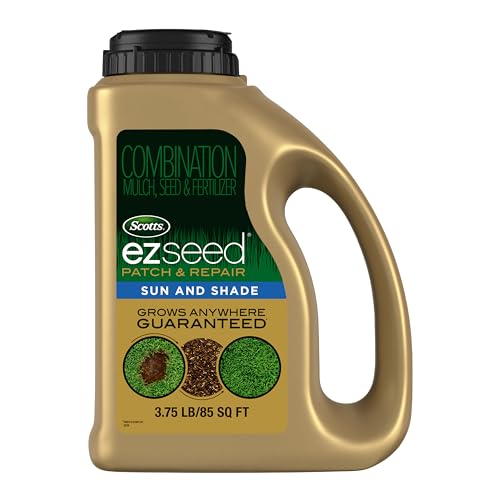
Scotts EZ Seed Patch & Repair

Jonathan Green Rocky Mountain Mix
What Each Pick Brings To The Table
I would consider this packet for restoring native grass rather than blending a conventional lawn. Side-oats grama forms a warm-season perennial with purplish seed spikes along one side of each stem, making it more visually distinctive than the familiar turf blends. Its clumping habit suits short-grass prairie plantings, where native habitat matters more than uniform sod-like coverage.
For an outdoor enthusiast maintaining a native planting, the resealable zipper and heavy-duty foil packaging are practical features. The packet includes planting directions on the back and a QR code for online guidance, so I can keep the essential information close without relying on a separate guide.
Notable Gains
- The triple-layer foil package is designed to protect seed for longer than paper or plastic storage.
- A zipper closure makes leftover seed convenient to reseal and protect between plantings.
- Packet-level planting directions support careful preparation before the seed goes into the ground.
- The native warm-season grass suits short-grass prairie restoration rather than high-traffic turf.
Things To Consider
- Warm soil is important because this grass enters active growth after the ground becomes warm.
- Its clumping native form may blend less evenly with an existing manicured lawn than a turf-type blend.
Key Specs
Built With In Mind
This packet best suits gardeners restoring native prairie patches or maintaining side-oats grama in a warm-season landscape.
A Better Fit Elsewhere
Jonathan Green Keystone PA 7 lb serves conventional Pennsylvania lawn repair more closely, with a regional cool-season mix.
A Pennsylvania lawn has enough regional character that I would not treat every regional seed blend as interchangeable. This 7-pound mix combines tall fescues, perennial ryegrass, and Kentucky bluegrass, giving a repair area several cool-season grass types that can work together under changing conditions. That variety is especially useful along an active lawn where irrigation and wear vary from one corner to another.
The recommended planting window runs from mid-August through mid-October, while warmer soil and cooler nights favor establishment. Unlike the warm-season side-oats grama in the previous pick, this mix is shaped around a Pennsylvania lawn and the conditions expected in that state.
A Strong Showing
- Three cool-season grass types offer flexibility across a Pennsylvania lawn.
- The mix is intended to produce dense, dark-green turf.
- The autumn planting window supports establishment before cooler conditions settle in.
Worth Noting
- Seven pounds may cover more ground than a single small bare spot requires.
- The regional focus makes this a less natural choice outside Pennsylvania and nearby cool-season regions.
- The mix requires suitable soil moisture and continued care after sowing.
Made For In Mind
This option best suits Pennsylvania households repairing thin areas in an established cool-season lawn.
Where A Sibling Pick Shines
Jonathan Green Rocky Mountain Mix is a stronger match for lawns in Colorado, Montana, Utah, and Wyoming.
Large repair areas call for a dependable cool-season choice with an emphasis on heat and drought tolerance. Jonathan Green Black Beauty Tall Fescue is a 25-pound blend built entirely from turf-type tall fescues, with roots described as reaching as deep as four feet. That deeper root system gives the grass a more substantial approach to hot, dry periods than a shallow-rooted mix might offer.
The waxy leaf coating is another practical feature because it helps the plant retain moisture during hot weather. I also see the uniform leaf texture and resistance to shredding during mowing as useful qualities for an actively maintained lawn, with sunny and shaded sections both listed as suitable.
Real-World Strengths
- The 25-pound quantity suits broad reseeding and substantial thinning.
- Deep roots support the blend’s drought-tolerance claim.
- Waxy foliage helps conserve moisture during hot weather.
- Tall fescue works in both sunny and shaded portions of a cool-season lawn.
Trade Offs
- The 25-pound bag needs dry, organized storage and is excessive for a tiny damaged patch.
- A single-species focus offers less variety than the Keystone PA mixture.
Feature Snapshot
The Right Fit
This tall fescue blend suits households repairing extensive thinning in sunny or partly shaded cool-season lawns.
Swap It Out When
Scotts EZ Seed Patch & Repair fits a single bare patch more neatly, particularly where traffic and shade vary across the repair area.
A lawn that receives both direct sun and partial shade needs a mix that can handle both conditions. The Scotts Turf Builder Sun & Shade Mix takes that practical route, combining seed, fertilizer, and soil improver in a 5.6-pound package. Root-Building Nutrition is included to support the deeper roots associated with thicker turf, making this a sensible option for broad patch work rather than a single isolated spot.
Compare that approach with Jonathan Green Black Beauty Tall Fescue: the tall fescue option concentrates on one cool-season grass type, while this Scotts mix brings together several components intended to improve establishment. For a mixed-light yard, that broader setup may be easier to work with.
Practical Pluses
- Seed, fertilizer, and soil improver are combined for a more complete starting setup.
- The formulation is intended for both full-sun and shaded lawn sections.
- Root-focused nutrition supports thicker turf during establishment.
Practical Considerations
- A general sun-and-shade mix may be less precise than a regional formulation for a specific climate.
- The 5.6-pound quantity calls for adequate storage and a clearly measured repair area.
Quick Facts
Who Will Love This
This mix suits beginners and experienced lawn maintainers dealing with thinning across both sunny and shaded areas.
Consider Something Else When
Jonathan Green Keystone PA 7 lb is the more specific fit for a Pennsylvania lawn with regional growing conditions.
Fast results matter when a worn lawn needs to look fuller before the season advances. Scotts Rapid Grass Sun & Shade Mix combines seed with fertilizer, and the manufacturer states that proper application can produce growth at up to twice the rate of seed alone. That claim depends on using the new-lawn rate and providing appropriate care, so I would treat it as a conditional planting result rather than a fixed timetable.
The mix is intended for overseeding bare or thin sections as well as establishing new grass, with spring and fall application suggested. Unlike Scotts Turf Builder Sun & Shade Mix, this version places greater emphasis on rapid establishment, making it the more focused choice for a visible repair in a reasonably short window.
Practical Advantages
- Seed and fertilizer are combined to support quick early growth.
- The mix can be used for both new grass and overseeding thin areas.
- Sun-and-shade positioning suits lawns with changing exposure.
Possible Compromises
- Rapid growth still depends on correct application, moisture, and follow-up care.
- The 2.4-pound pack comes as a set of six, which may exceed the needs of a small repair.
Feature Breakdown
Ready For Routine
This mix suits lawn maintainers who want rapid overseeding of bare areas in mixed sun-and-shade conditions.
Reach For A Different Pick When
Scotts EZ Seed Patch & Repair is a more focused option for one small bare spot, slope, or high-traffic area.
Some lawn problems occupy only a few square feet, and buying a broad reseeding blend for that space can be needlessly excessive. Scotts EZ Seed Patch & Repair takes a narrower approach with a 3.75-pound package designed to fill bare spots. The included lawn food supplies nutrition while the seed and absorbent material support the repair area through establishment.
Full sun, dense shade, slopes, and high-traffic locations are all listed as suitable settings. I would pay particular attention to the traffic and slope claims for a patch beside a path or at the bottom of a slope, since those locations need the surface prepared carefully and require consistent moisture.
Well-Handled Touches
- The focused patch format suits isolated bare areas better than a full-lawn seed bag.
- Continuous-release lawn food supports the new grass during establishment.
- The formula targets full sun, dense shade, traffic, and sloping ground.
Details To Watch
- The package does not identify a regional climate formulation.
- Shade, traffic, and slope all make careful soil preparation and watering especially important.
Who Should Grab It
This product best suits homeowners repairing a small bare patch near a path, on a slope, or beneath a tree.
Another Choice May Suit
Jonathan Green Keystone PA 7 lb fits a Pennsylvania repair requiring several cool-season grass types across a larger area.
Altitude changes the growing conditions enough that a high-altitude formula can be more useful than a general lawn mix. Jonathan Green Rocky Mountain Mix is intended for Colorado, Montana, Utah, and Wyoming, where cool, semi-arid conditions are common. The 7-pound package provides a practical quantity for a regional lawn or several moderate patches.
Its composition combines Black Beauty turf-type tall fescues, Blue Panther Kentucky bluegrass, and elite perennial ryegrass. Compared with Jonathan Green Keystone PA 7 lb, this option follows the same regional-blend approach but shifts toward Rocky Mountain conditions rather than Pennsylvania.
Reasons It Performs
- The formula is tailored to high-altitude Rocky Mountain conditions.
- Three cool-season grasses provide a varied regional turf mix.
- The blend is listed for both sunny and shaded lawn sections.
- Semi-arid climate fit makes it more relevant than a generic lawn blend locally.
Where It May Fall Short
- The regional focus limits its relevance outside the stated Rocky Mountain states.
- Seven pounds may be more than a small damaged area requires.
Core Details
Best Suited To
This mix suits Rocky Mountain households repairing a regional lawn in sunny or partially shaded conditions.
Not Your Match When
Jonathan Green Keystone PA 7 lb is the more suitable regional option for a Pennsylvania lawn.
What To Check Before Repairing A Lawn
Match The Existing Grass
A patch looks most convincing when its seed matches the dominant grass already growing nearby. Regional blends such as Jonathan Green Keystone PA 7 lb offer a more targeted answer than a general-purpose mixture, while the Rocky Mountain mix fits the cooler, semi-arid conditions found in its named states. A warm-season native species creates a different result and is better suited to native prairie planting.
Seed Mix Or Single Species
A mix introduces several grass types, which can spread the demands placed on the repair area. A single-species blend such as Jonathan Green Black Beauty Tall Fescue gives the lawn a more uniform look and concentrates on moisture retention and drought tolerance. The right choice depends on the existing lawn, the repair area, and the amount of variety desired.
Consider Nutrition And Coverage
Scotts Turf Builder Sun & Shade Mix includes fertilizer and soil improver alongside seed, reducing the number of separate establishment components. Rapid Grass adds fertilizer for faster-looking overseeding, while Scotts EZ Seed focuses on a smaller damaged area. Larger bags also require dry storage and careful coverage measurement, so quantity should match the actual repair job.
Plan The Planting Window
Cool-season blends benefit from autumn planting while the ground remains warm and nights begin to cool. Spring offers another useful window for many lawns, particularly once conditions are mild. The Everwilde Farms native option waits for warmer soil because side-oats grama is a warm-season grass.
Making The Patch Decision Practical
Mistakes Worth Dodging
Choosing a large regional bag for one tiny bare spot is a common mistake. Matching the existing lawn, measuring the damaged area, and checking the planting window prevents wasted seed and poor timing. Another error is overlooking shade, slope, or foot traffic, all of which affect preparation and watering.
What The Higher Tier Buys
Larger bags suit broad overseeding, while added nutrition can simplify establishment. Regional formulas add value where local climate conditions differ sharply. The extra material is worthwhile only when the repair area, grass type, and planting season genuinely match the package.
Frequently Asked Questions
What type of grass seed is best for patching a lawn?
The best match is the grass already growing in the lawn, provided it suits the local climate and light conditions. A mixture works well for varied lawns, while a tall fescue blend suits properties that favor tall fescue.
When should grass seed be applied for patching?
Autumn is widely suitable for cool-season seed because the soil remains warm while nights begin to cool. Spring is another practical window, with timing adjusted for local weather and grass type.
Can I use the same seed for sunny and shaded areas?
A sun-and-shade mix is designed for both exposures, although deep shade can remain difficult. Irrigating the shaded area during establishment and preparing the soil properly gives the seed a better starting point.
How much seed is needed for a small bare spot?
Coverage depends on the product, the size of the damaged area, and the existing soil. Measuring the patch before opening the bag helps avoid over-seeding or running short of seed.
Should lawn fertilizer be included with patching seed?
Seed paired with lawn food can support early establishment by supplying nutrition alongside the seed. Soil preparation, moisture, and suitable planting timing remain just as important as the fertilizer included in the package.
Final Verdict
For a small isolated bare spot, I favor Scotts EZ Seed Patch & Repair; for broader sun-and-shade repair, Scotts Turf Builder Sun & Shade Mix makes more sense. Pennsylvania and Rocky Mountain lawns have clearer regional choices, while Everwilde Farms Side-Oats Grama Seeds serves a distinctly native purpose. The right bag is the one that matches the grass, location, and size of the repair.
