

Have you ever thought about the air quality inside your home? Many common indoor air pollutants can affect your health, like pet dander, mold, and even volatile organic compounds. Luckily, air-purifying plants can help! These green companions not only beautify your space but also work tirelessly to filter out harmful toxins. By adding them to your living areas, you can create a cleaner, healthier environment that promotes well-being. Let’s explore some of the best varieties you can bring into your home!
Importance of Air Quality

Health Impacts
You might not realize it, but poor indoor air quality can seriously affect your health. Many common pollutants lurk in your home, including dust, mold, and chemicals from household products. Here are some key health impacts you should know about:
Respiratory Issues: Poor indoor air quality is linked to respiratory problems. Pollutants from smoking, inadequate sunlight, and pest infestations can trigger asthma and other breathing difficulties.
Children at Risk: Children and young people are especially vulnerable. Poor housing conditions, like dampness and pests, can significantly impact their respiratory health.
Long-term Risks: Exposure to harmful substances like formaldehyde and benzene can lead to serious health issues. For instance, benzene exposure can cause respiratory irritation and even neurological effects. Formaldehyde has been linked to increased cancer risks in various studies.
Benefits of Clean Air
Now, let’s talk about the bright side—clean air! Improving your indoor air quality can lead to numerous benefits for you and your family. Here’s what you can expect:
Enhanced Cognitive Function: Studies show that cleaner air can boost your brainpower. In fact, cleaner indoor air can enhance cognitive function by up to 61%. This means you might find it easier to focus and think clearly.
Increased Productivity: Cleaner air can also improve your productivity. Research indicates that better air quality can lead to a 10% increase in productivity and a reduction in fatigue and sick days.
Fewer Allergy Symptoms: If you struggle with allergies, improving your indoor air quality can help. Many people experience significant reductions in allergy symptoms when they reduce indoor air pollution. Following recommendations to lower VOC levels in your home can lead to the best results.
By incorporating air-purifying plants into your living space, you can take a big step toward achieving cleaner air. These plants not only beautify your home but also help filter out harmful toxins, making your environment healthier.
Top Air Purifying Plants
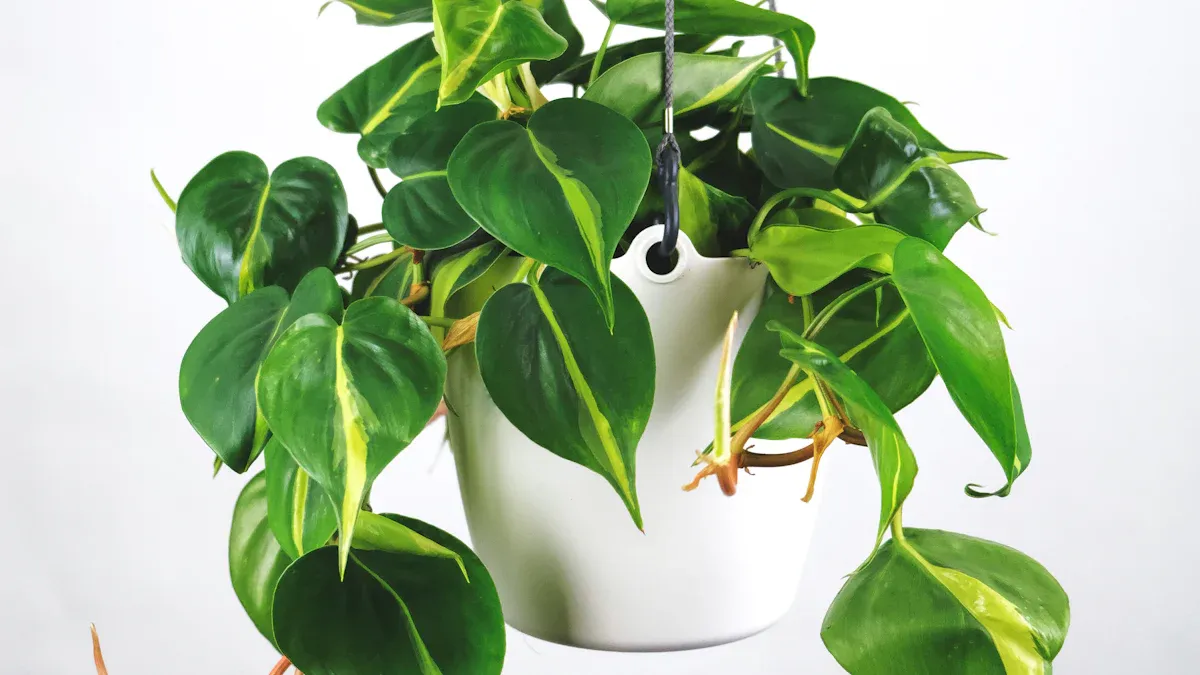
When it comes to improving your indoor air quality, certain plants stand out as the best air purifying plants. Here’s a closer look at some of these green heroes, their benefits, and how to care for them.
Spider Plant
The Spider Plant is a fantastic choice for beginners. It effectively absorbs formaldehyde and xylene, making it a powerful ally in cleansing the air.
Care Tips:
Place it near east or west-facing windows for 4-6 hours of indirect light daily.
Keep the soil moist but not soggy. Overwatering can harm its roots.
Dust the leaves weekly to ensure they can absorb toxins efficiently.
Snake Plant
The Snake Plant is known for its resilience and air-purifying capabilities. It removes formaldehyde, benzene, and toluene, making it a top air purifying plant.
Care Tips:
It thrives in low light but prefers bright, indirect sunlight.
Water it every couple of weeks, allowing the soil to dry out between waterings.
This plant is forgiving, so don’t worry if you forget to water it occasionally!
Peace Lily
The Peace Lily not only beautifies your space but also purifies the air by removing pollutants like formaldehyde and benzene.
Care Tips:
It prefers bright, indirect light and should be watered weekly.
Keep the soil moist but avoid waterlogging.
Fertilize monthly during the growing season for optimal growth.
Aloe Vera
Aloe Vera is not just a soothing gel for burns; it also helps cleanse the air by absorbing formaldehyde and benzene.
Care Tips:
Place it in bright, indirect sunlight.
Water it sparingly, allowing the soil to dry out completely between waterings.
This hardy plant thrives on neglect, making it perfect for busy individuals.
Boston Fern
The Boston Fern is a natural humidifier and effectively targets formaldehyde and xylene.
Care Tips:
It loves humidity, so mist it regularly or place it in a bathroom.
Keep the soil consistently moist but not soggy.
Provide bright, indirect light for best results.
English Ivy
English Ivy is excellent at reducing airborne mold spores and fecal particles, making it a great choice for improving indoor air quality.
Care Tips:
It thrives in most light conditions but prefers bright, indirect light.
Water it when the top two inches of soil feel dry.
Misting the leaves helps maintain humidity.
Rubber Plant
The Rubber Plant is known for its large leaves that filter out harmful pollutants effectively.
Care Tips:
It prefers bright light and consistent moisture.
Water it thoroughly, checking the soil moisture regularly.
Avoid overwatering to prevent yellowing leaves.
Golden Pothos
Golden Pothos is a low-maintenance plant that removes formaldehyde, benzene, and toluene from the air.
Care Tips:
It tolerates low light, making it perfect for dimly lit spaces.
Water it irregularly; it can handle some neglect.
This plant is ideal for busy or forgetful plant owners.
Areca Palm
The Areca Palm is one of the best natural air purifiers, effectively removing toxins and improving humidity.
Care Tips:
It thrives in bright, indirect light.
Water it regularly, ensuring the soil remains moist.
A 6-foot Areca Palm can release about one quart of water daily, acting as a natural humidifier.
Lemon Button Fern
The Lemon Button Fern is a charming air-purifying houseplant that filters out pollutants while adding oxygen to your space.
Care Tips:
It prefers medium, indirect light and consistent moisture.
Keep the soil moist but not waterlogged.
This fern enjoys warm, humid conditions, so consider misting it in dry environments.
By incorporating these top air purifying plants into your home, you can enjoy better air quality and a more vibrant living space. Each of these plants offers unique benefits and requires minimal care, making them perfect additions to your indoor environment.
Care for Air Purifying Indoor Plants
Taking care of your air purifying indoor plants is essential for their health and effectiveness. Here are some key tips to help you keep them thriving.
Watering Tips
Watering schedules can vary among different plants. Here’s a quick guide to help you:
Plant | Watering Schedule |
|---|---|
Peace Lily | Water from the bottom up; keep the tray filled. |
Snake Plant | Water once a month during winter. |
ZZ Plant | Very low water needs; can go months without water. |
Spider Plant | Water well, but avoid soggy soil. |
Gerbera Daisy | Fertilize once a month; watering frequency not specified. |
Make sure to adjust your watering based on the season and humidity levels in your home. Overwatering can lead to root rot, so always check the soil moisture before adding more water.
Light Requirements
Light plays a crucial role in the health of your plants. Here are some important points to consider:
Plants need sufficient light intensity to drive photosynthesis effectively.
Moving plants from low to high light conditions can increase their photosynthesis rate.
Bright light can lead to measurable changes in oxygen levels and reduce volatile organic compounds (VOCs).
For example, the Peace Lily thrives in bright, indirect light, while the Snake Plant can tolerate lower light conditions. Understanding your plants’ light preferences will help them flourish.
Soil and Fertilization
Choosing the right soil and fertilization method is vital for your air purifying indoor plants. Here are some recommendations:
Soil Types: A basic mixture of peat moss and perlite works well for most air-purifying plants.
Synthetic Fertilizers: Water-soluble and slow-release options provide long-term nutrition.
Organic Fertilizers: Consider using worm castings, compost, or fish emulsion mixed into the soil for a natural boost.
By following these care tips, you can ensure your air purifying indoor plants remain healthy and effective in improving your indoor air quality.
Best Placement for Air Purifying Plants
Living Room
Your living room is a great spot for air-purifying plants. They not only enhance the decor but also improve air quality. Consider placing three large pots (15 L) of plants like Asplenium or Peace Lily in this space. These plants can effectively filter out harmful pollutants. Here’s a quick look at how to arrange them:
Room | Large Pots (15 L) | Small Pots (7 L) | Plants Used |
|---|---|---|---|
Living Room | 3 couples | N/A | Asplenium, Peace Lily |
Bedroom
In your bedroom, air-purifying plants can help you sleep better. They filter out pollutants like benzene and formaldehyde while increasing oxygen levels. This can lead to improved sleep quality and a calming atmosphere. Here are some benefits of having plants in your bedroom:
They filter pollutants such as benzene, toluene, and formaldehyde.
They increase oxygen levels and humidity, contributing to better air quality.
Improved air quality can enhance concentration and promote a sense of calm.
Home Office
Your home office deserves some greenery too! Placing air-purifying plants here can boost your productivity. For example, the Spider Plant and Peace Lily are excellent choices. They not only clean the air but also help reduce stress. Here’s a table showing some great options for your workspace:
Plant Name | Benefits for Air Quality and Productivity |
|---|---|
Spider Plant | Improves indoor air quality, reduces stress, and boosts humidity. |
Peace Lily | Highly effective at removing VOCs from the air, recognized for its air-cleansing properties. |
By strategically placing these plants in your indoor spaces, you can create a healthier environment that supports your well-being.
Incorporating air-purifying plants into your home can significantly enhance your indoor environment. Here are some key benefits you can enjoy:
Improved Air Quality: These plants help reduce toxins and increase oxygen levels, promoting better health.
Mental Well-Being: Being around greenery can lower stress and anxiety, making your space feel more inviting.
Aesthetic Appeal: Plants add beauty and life to your decor, creating a vibrant atmosphere.
Consider adding a few of these green companions to your living spaces. They not only purify the air but also uplift your mood and overall well-being. Remember, a little greenery can go a long way in making your home a healthier place!
FAQ
What are air-purifying plants?
Air-purifying plants are indoor plants that help improve air quality. They absorb toxins and release oxygen, making your home healthier and more pleasant.
How many air-purifying plants do I need?
You should aim for at least one plant per 100 square feet of space. More plants can enhance air quality even further, so feel free to add more!
Are air-purifying plants safe for pets?
Many air-purifying plants are safe for pets, but some can be toxic. Always check if a specific plant is pet-friendly before bringing it home.
How often should I water my air-purifying plants?
Watering needs vary by plant. Generally, check the soil moisture weekly. If it feels dry, it’s time to water. Avoid overwatering to prevent root rot.
Can I keep air-purifying plants in low light?
Yes, some air-purifying plants thrive in low light, like the Snake Plant and Pothos. However, most prefer bright, indirect light for optimal growth.