
Taking care of your plants throughout the year is crucial for their health. Seasonal plant care helps you tackle unique challenges that arise during winter and summer. In winter, milder temperatures can invite pests and diseases, while warmer soil may lead to root problems. Summer brings heat stress, especially to cool-season plants. A plant care calendar can guide you in managing these seasonal stresses effectively, ensuring your plants thrive no matter the time of year.
Key Takeaways
Adjust your watering routine in winter. Water less frequently to prevent root rot.
Maximize light exposure for indoor plants during winter. Position them near south-facing windows.
Use deep watering techniques in summer. This encourages roots to grow deeper and access moisture.
Provide shade for plants in summer. Use shade cloths or natural shade from trees to reduce heat stress.
Monitor for pests and diseases regularly. Early detection can save your plants from serious damage.
Winter Plant Care Calendar
Adjusting Watering
During winter, your plants need less water than in warmer months. As temperatures drop, most plants slow down their growth, which means they use less moisture. For indoor plants, you should reduce watering by about 30-40%. For example, a Pink Aglaonema might need watering every 14 days instead of every week. Overwatering can lead to root rot, so always check the soil moisture before watering. Here are some tips for adjusting your watering routine:
Water only when the top inch of soil feels dry.
Use pots with drainage holes to prevent standing water.
Keep an eye on your plant’s specific needs, as some may require more or less water.
Managing Light and Humidity
Winter brings shorter days and less natural light, which can stress your indoor plants. To help them thrive, maximize their exposure to light:
Position your plants near south-facing windows for the best sunlight.
Rotate pots regularly to ensure all sides receive light.
Consider using grow lights to supplement natural light during the darkest months.
Indoor humidity often drops in winter due to heating systems. This can harm plants that thrive in higher humidity levels. To combat this, you can:
Use a portable humidifier near your plants to maintain humidity levels between 40-60%.
Group plants together to create a microclimate with higher humidity.
Mist your plants occasionally, but avoid overdoing it to prevent mold.
Trimming and Cleaning
Winter is an excellent time to trim and clean your plants. This helps prevent diseases and promotes healthy growth. Here’s why you should consider it:
Removing dead or diseased material stops pests and diseases from spreading.
Pruning shapes your plants, keeping them looking their best.
Cleaning leaves allows better light penetration, which is crucial during low-light months.
Make sure to sanitize your tools before and after use to avoid transferring any pathogens.
Pest Checks and Repotting
Even in winter, pests can be a problem. Regularly inspect your plants for signs of infestations, such as spider mites or scale insects. Look for:
Fine webbing or stippled yellow leaves for spider mites.
Brown, waxy bumps on stems for scale insects.
If you notice any issues, treat them promptly with insecticidal soap.
Repotting during winter is risky because plants are dormant and may not recover well. Only repot if absolutely necessary, such as when roots are circling the pot or the soil has degraded.
Acclimating Outdoor Plants
If you have outdoor plants, transitioning them indoors for winter requires careful acclimation. Follow these steps:
Move plants to a shaded area outdoors for a few days to adjust to lower light levels.
Gradually introduce them to indoor conditions, starting with bright but indirect light.
Monitor temperatures and bring them inside before night temperatures drop below 45°F.
By following these winter plant care tips, you can ensure your plants remain healthy and vibrant throughout the colder months.
Summer Plant Care Calendar
Deep Watering Techniques
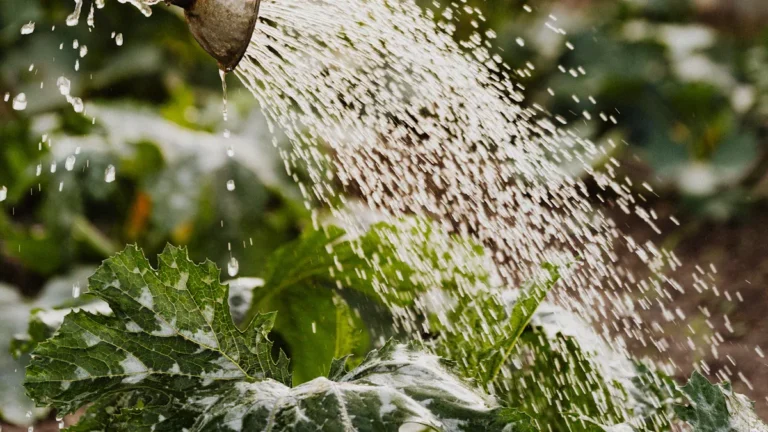
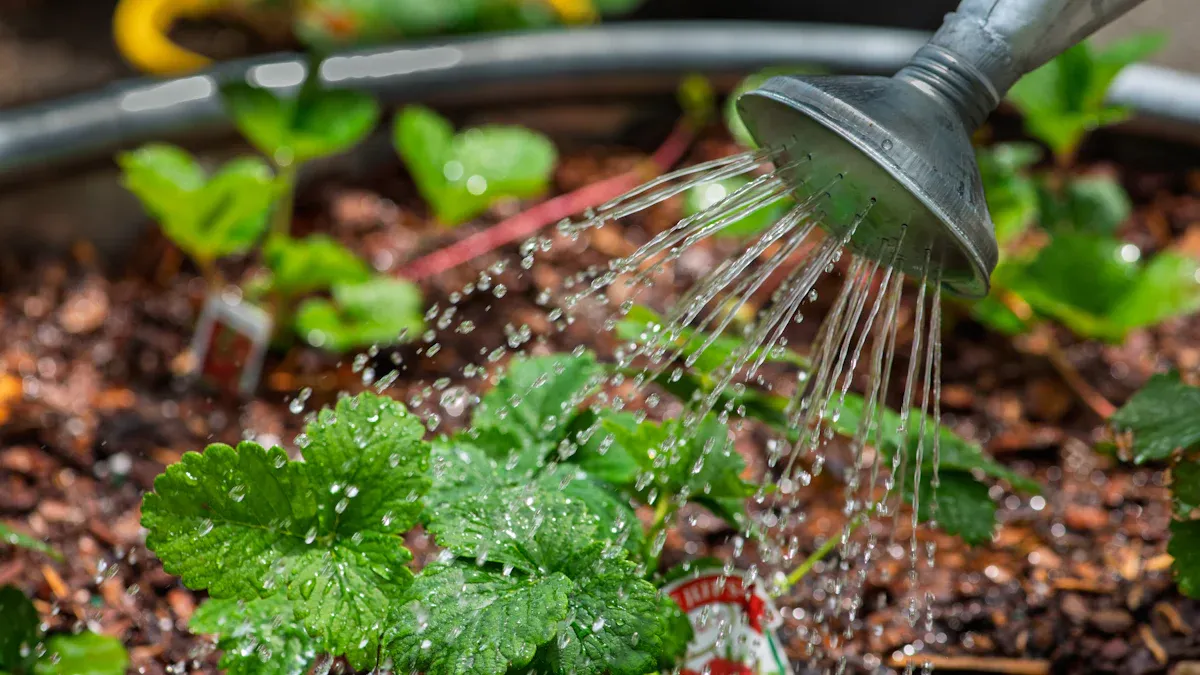
Summer heat can be tough on your plants. To help them thrive, you need to master deep watering techniques. Watering deeply but infrequently encourages roots to grow deeper into the soil. This helps them access moisture stored in lower layers, especially during dry spells. Here are some effective strategies:
Water early in the morning or late in the evening to minimize evaporation.
Apply mulch around your plants to conserve moisture and protect the soil.
Use a soaker hose or drip irrigation to deliver water directly to the roots.
By following these techniques, you promote deeper root systems, making your plants more resilient to heat stress.
Providing Shade
Creating shade for your plants is essential during the scorching summer months. Too much sun can lead to wilting and heat stress. Here are some effective ways to provide shade:
Use shade cloths to block harsh sunlight. A 30-50% shade cloth can significantly reduce heat stress on sensitive plants.
Plant trees strategically to create natural shade. Trees not only provide shade but also cool the surrounding area through transpiration.
Consider using temporary structures like pergolas or garden hoops to support shade cloth over your plants.
These methods will help protect your plants from excessive heat and keep them healthy.
Managing Humidity
Humidity plays a crucial role in plant health during summer. It affects transpiration and gas exchange, which are vital for maintaining your plants’ water status. Here are some tips for managing humidity levels:
Group your plants together to create a microenvironment that retains humidity.
Mist your plants regularly to increase humidity, especially for indoor plants that thrive in higher moisture levels.
Use a dehumidifier in enclosed spaces to prevent excess moisture, which can lead to disease.
Maintaining the right humidity levels will help your plants grow better and reduce stress.
Fertilization Tips
Summer is a time when your plants need nutrients to cope with heat. However, their nutrient absorption slows down due to high temperatures. Here are some fertilization tips to keep in mind:
Choose a slow-release, balanced fertilizer containing nitrogen, phosphorus, and potassium.
Apply fertilizer early in the morning or in the evening to minimize evaporation and root damage.
Focus on young or stressed plants, providing them with smaller, more frequent doses of fertilizer.
By following these tips, you can ensure your plants receive the nutrients they need without risking root burn or foliage damage.
Monitoring Soil Temperature
Soil temperature affects essential processes like photosynthesis and water uptake. Keeping an eye on soil temperature is vital for plant health. Here’s how you can monitor and maintain it:
Use a digital thermometer to check soil temperature regularly.
Implement shade cloths or reflective materials to reduce excessive heat.
Increase ventilation with fans to enhance airflow and prevent heat buildup.
By managing soil temperature, you can help your plants thrive even in the hottest months.
Summer Plant Care Checklist
To make your summer plant care easier, here’s a quick checklist:
Spread mulch around your plants.
Pull up weeds regularly.
Add color with summer annuals.
Plant summer-blooming bulbs.
Pinch back mums and other late perennials.
Remove faded flowers to encourage new growth.
Watch for pests and diseases.
Water your garden deeply and consistently.
Following this checklist will help you stay on top of your summer garden care.
Taking care of your plants throughout the seasons is essential for their health. By following the right strategies, you can help your indoor plants thrive, whether it’s winter or summer. Here are some key practices to remember:
Mulch to Retain Moisture: This helps conserve moisture and manage soil temperature.
Provide Shade: Protects sensitive plants from excessive heat.
Prune Regularly: Encourages growth and prevents disease.
Fertilize Appropriately: Ensures your plants get the nutrients they need.
Monitor for Pests and Diseases: Early detection can save your plants from significant damage.
Implementing these seasonal care tips will lead to healthier plants and a more enjoyable gardening experience. So, get out there and enjoy your garden care all year round!
FAQ
What should I do if my indoor plants are wilting in winter?
Wilting often means your plants need water. Check the soil moisture first. If it’s dry, water them. If the soil is wet, consider adjusting your watering schedule or checking for root rot.
How often should I fertilize my plants in summer?
Fertilize your plants every 4-6 weeks during summer. Use a slow-release fertilizer to provide consistent nutrients without overwhelming your plants. Focus on young or stressed plants for more frequent feeding.
Can I move my outdoor plants indoors during winter?
Yes! Gradually acclimate your outdoor plants to indoor conditions. Start by moving them to a shaded area for a few days, then bring them inside before temperatures drop below 45°F.
How can I tell if my plants are getting enough light?
If your plants are stretching towards the light or have pale leaves, they may need more light. Rotate them regularly and consider using grow lights during winter months for better growth.
What are some signs of pest infestations?
Look for yellowing leaves, webbing, or sticky residue on your plants. Regularly inspect the undersides of leaves and stems for pests like spider mites or aphids. Early detection helps prevent serious damage.