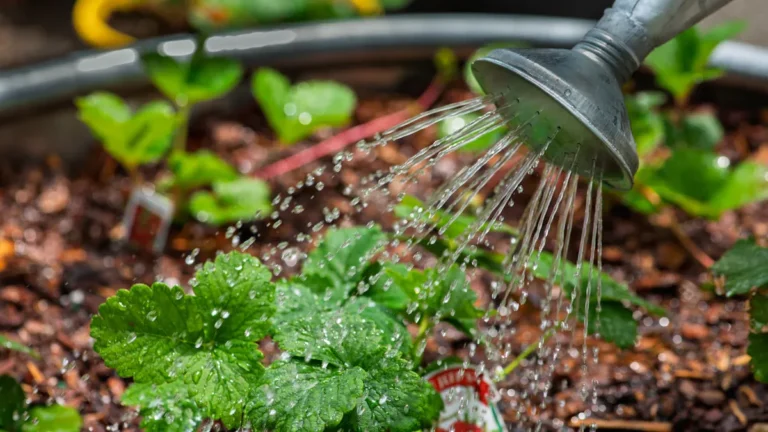

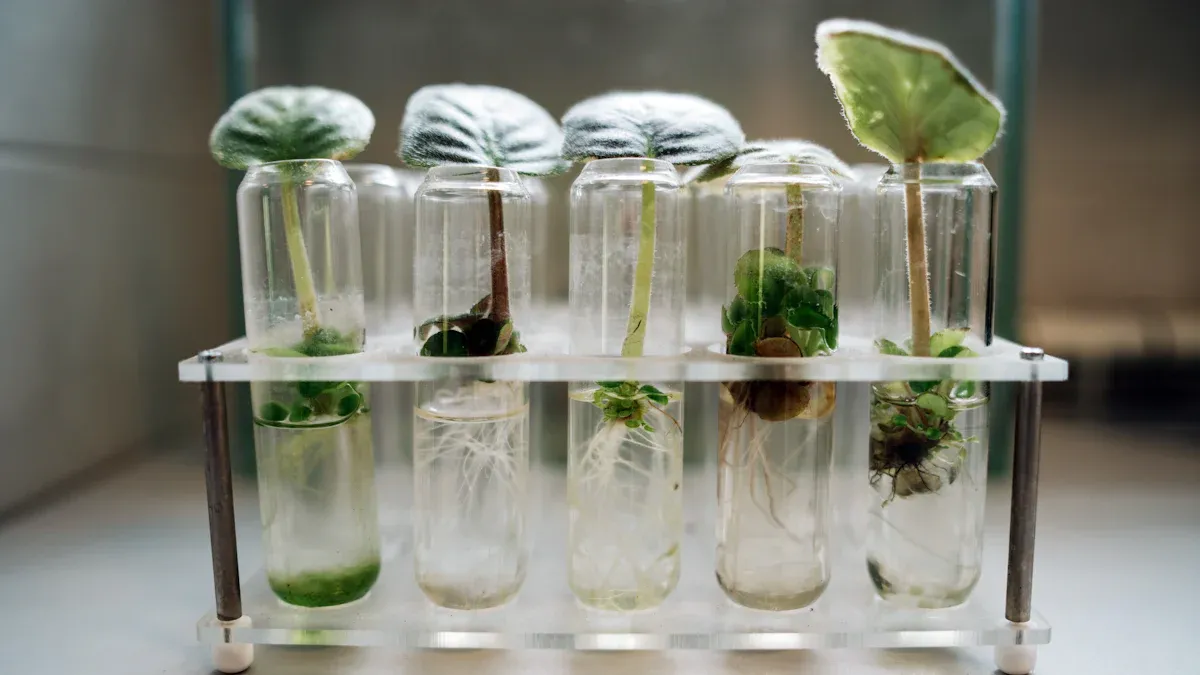
Plant propagation is an exciting way to expand your garden without breaking the bank. By using various techniques, you can create new plants from existing ones, which not only saves money but also helps preserve your favorite varieties. Here’s a quick look at some benefits of plant propagation:
Benefit | Description |
|---|---|
Saving money | Reduces the need to purchase new plants, leading to significant cost savings. |
Preservation | Aids in preserving and multiplying favorite plants for personal use or as gifts. |
Customization | Enables selection of the strongest plants, ensuring better chances of successful growth. |
In this blog, you’ll discover three main plant propagation methods: cuttings, division, and seed starting. Each method has its own unique advantages, making it easier for you to grow the garden of your dreams.
Key Takeaways
Plant propagation saves money by allowing you to grow new plants from existing ones, reducing the need for purchases.
Cuttings, division, and seed starting are three effective methods to expand your garden and preserve favorite plants.
Choose healthy cuttings and follow proper techniques to increase your chances of successful propagation.
Division rejuvenates overcrowded plants, promoting healthy growth and extending their lifespan.
Starting seeds offers genetic diversity and is a cost-effective way to grow a variety of plants in your garden.
Plant Propagation Methods: Cuttings
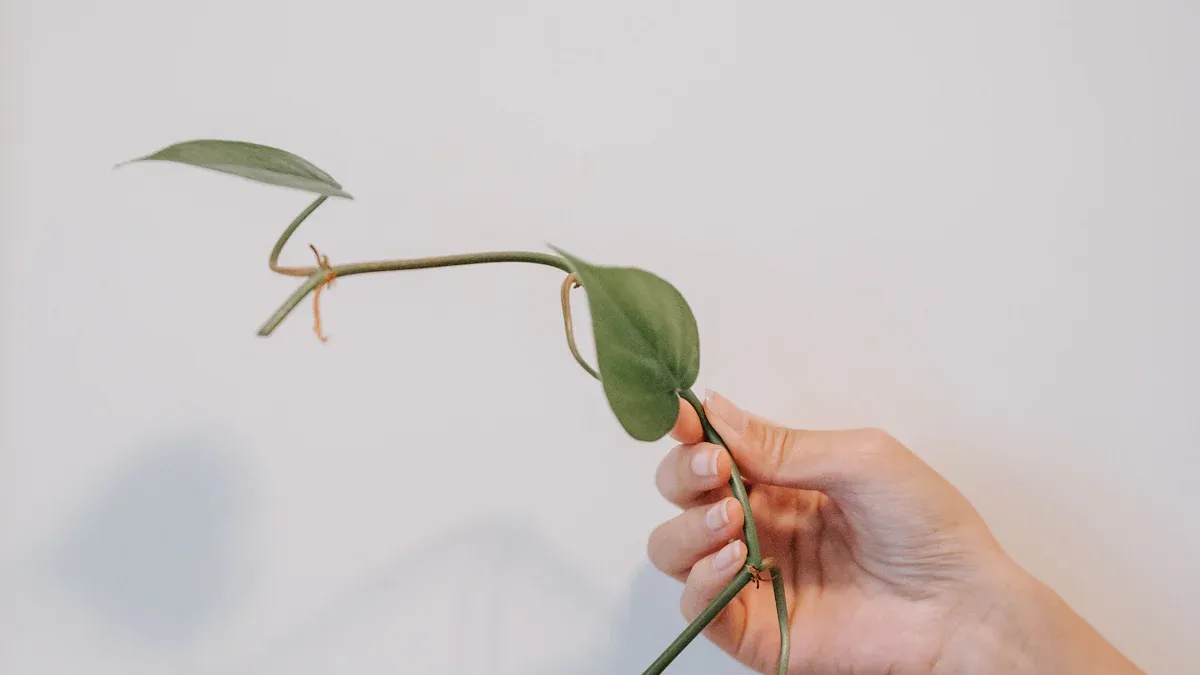
Cuttings are one of the most popular methods of plant propagation. They allow you to create new plants from existing ones, which can be both rewarding and cost-effective. Let’s dive into the different types of cuttings you can use.
Types of Cuttings
You can choose from several types of cuttings, each suited for different plants. Here’s a quick overview:
Plant Species | Stem/Tip Cuttings | Cane Cuttings | Leaf Petiole Cuttings | Leaf Vein Cuttings | Leaf Section Cuttings |
|---|---|---|---|---|---|
Citrus species | Yes | ||||
Coleus | Yes | ||||
Dracaena species | Yes | Yes | |||
Hoya carnosa | Yes | ||||
Philodendron hederaceum | Yes | ||||
Saintpaulia species | Yes |
How to Propagate Plant Cuttings
Now that you know the types, let’s discuss how to propagate plant cuttings effectively. Follow these steps:
Choose healthy cuttings that are 4-6 inches long.
Use clean, sharp tools to cut stems just below a node.
Remove lower leaves and any flowers.
Dip the cutting in rooting hormone (optional).
Place the cutting in a moist rooting medium.
Keep the container in a warm spot with indirect light.
Monitor the cuttings for signs of rooting.
Recommended Plants for Cuttings
Some plants are particularly well-suited for propagation by cuttings. Here are a few recommended plants to propagate with cuttings:
Impatiens
Coleus
Geranium
Fuchsia
Sweet Potato Vine
These plants tend to have higher success rates, making them great choices for beginners.
Tips for Success with Cuttings
To increase your chances of success, keep these tips in mind:
Always start with healthy plants for cuttings.
Avoid overwatering; keep the soil moist but not soggy.
Maintain humidity around the cuttings using a plastic cover.
Be patient; wait until cuttings develop roots before transplanting.
By following these guidelines, you can enjoy the rewarding experience of propagating your favorite plants through cuttings!
Division in Plant Propagation
Division is a fantastic method of plant propagation that allows you to rejuvenate your garden. This technique involves separating a plant into multiple sections, each capable of growing into a new plant. It’s especially beneficial for overcrowded perennials, as it reduces competition for resources and promotes healthy growth. You’ll find that division can enhance flowering and overall plant health, which other methods may not achieve.
What Is Division?
When you divide plants, you essentially create new plants from an established one. This method is significant because it helps maintain vigorous growth and extends the lifespan of your favorite perennials. Plus, it’s a cost-effective way to expand your garden without spending a dime!
How to Divide Plants
Here’s a simple guide on how to divide plants effectively:
Prepare each candidate for division: Water the plants a day before to hydrate them and loosen the soil.
Dig the plant: Use a long-handled spade to lift the entire plant out of the ground.
Divide the root and plant material: Shake off excess soil and separate the roots into new plants, ensuring each division has roots and shoots.
Replanting: Plant the divisions in holes wider than the root ball, firm the soil, and water well.
Recommended Plants for Division
Some plants thrive when divided. Here are a few you might consider:
Daylilies
Hostas
Peonies
Iris
Sedum
These plants are known for their ability to bounce back after division, making them perfect for this propagation method.
Tips for Successful Division
To ensure success when dividing plants, keep these tips in mind:
Look for signs a plant is ready for division, such as smaller leaves or dying clumps in the center.
Choose a cool, cloudy day for dividing plants to minimize stress.
Water the plants well before division and trim any damaged roots or foliage.
After replanting, keep the divisions evenly moist and gradually expose them to sunlight.
By following these steps, you can enjoy the benefits of division and watch your garden flourish!
Seed Starting Techniques
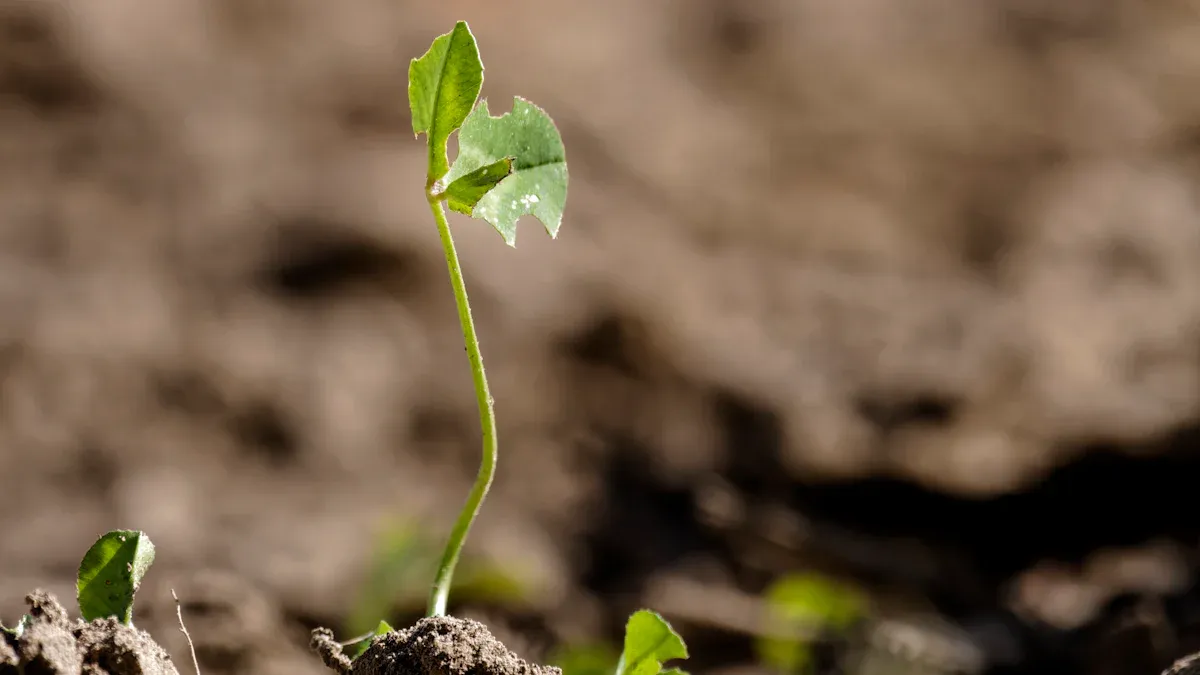
Seed starting is an essential part of plant propagation. It allows you to grow new plants from seeds, giving you control over their growth conditions. This method helps you create a clean and supportive environment for seedlings, reducing the risk of diseases and pests. Plus, it’s a cost-effective way to expand your garden!
What Is Seed Starting?
Seed starting involves combining the right timing, light, seeds, and seed starting mixes. A high-quality seed starting mix is crucial for strong roots and healthy growth. These mixes support early plant growth and protect seedlings. Maintaining consistent moisture is vital for successful seed germination.
Here are some advantages of starting plants from seeds compared to other propagation methods:
Advantage | Description |
|---|---|
Genetic Diversity | Seeds can produce plants with a variety of traits due to genetic mixing. |
Cost-Effective | Seeds are generally cheaper and easier to transport than live plants. |
Long Storage Life | Many seeds can be stored for years and still germinate when needed. |
Perfect for Large-Scale | Ideal for planting large areas like gardens or meadows. |
How to Start Seeds
Starting seeds can be straightforward if you follow these steps:
Choose the right potting mix and containers for your seeds.
Sow seeds using techniques appropriate for each type.
Water the seedlings gently after sowing.
Monitor moisture levels by checking the weight of the pots or the moisture of the potting mix.
Harden off seedlings by gradually introducing them to outdoor conditions 7 to 10 days before transplanting.
Start hardening off by placing seedlings in dappled shade for short periods, gradually increasing their time outside.
Keep the growing medium moist during the hardening off period.
Transplant seedlings when they are still young, ideally 3 to 4 weeks after sowing.
Recommended Plants for Seed Starting
Some plants are particularly well-suited for seed starting. Here are a few you might want to try:
Lupines (Lupinus)
Nasturtiums (Tropaeolum majus)
Marigolds
Tomatoes
Peppers
Basil
Kale
Broccoli
Starting these plant species from seeds not only reduces costs but also enhances biodiversity in your garden.
Tips for Successful Seed Starting
To ensure successful seed propagation, keep these tips in mind:
Moisture Management: Keep seeds consistently moist but not overly wet. A germination chamber can help maintain moisture levels.
Air Circulation: Provide adequate air circulation to prevent suffocation of seeds. Avoid compacting the soil too much.
Light Requirements: Most seeds prefer dark conditions for germination, but check specific needs for flower seeds.
Overwatering: Avoid overwatering to prevent ‘damping off’, which causes seedlings to rot at the soil surface. Allow soil to dry out about 80% between watering.
Light Positioning: Keep grow lights within one inch of seedlings to prevent them from becoming leggy. Adjust lights regularly as plants grow.
By following these guidelines, you can enjoy the rewarding experience of seed starting and watch your garden thrive!
In summary, plant propagation methods like cuttings, division, and seed starting can transform your gardening experience. Each technique offers unique benefits, allowing you to expand your garden and preserve your favorite plants. By experimenting with these methods, you not only save money but also contribute to biodiversity. Home gardens play a vital role in promoting sustainability and enhancing local ecosystems. So, why not give it a try? You might find joy in watching your plants thrive and grow!
FAQ
What is the best time to take cuttings?
You should take cuttings in spring or early summer when plants are actively growing. This timing increases your chances of successful rooting.
How often should I water my cuttings?
Keep the soil moist but not soggy. Water your cuttings when the top inch of soil feels dry. Overwatering can lead to rot.
Can I propagate any plant using cuttings?
Not all plants propagate well from cuttings. Research specific plants to see if they are suitable for this method.
How long does it take for cuttings to root?
Rooting time varies by plant species. Generally, expect roots to develop within 2 to 6 weeks. Be patient and monitor their progress.
What should I do if my seeds don’t germinate?
Check your seed quality, moisture levels, and temperature. If conditions are right, try reseeding. Some seeds may take longer to germinate than others.