

Dealing with pests in your houseplants can be incredibly frustrating. Did you know that over 75% of houseplant owners face recurring pest issues each year? Identifying these pests early can save your plants from serious damage. Fortunately, there are practical solutions for effective houseplant pest control that you can use.
Key Takeaways
Identify common houseplant pests like aphids, spider mites, and mealybugs early to prevent serious damage.
Use natural remedies such as water sprays and neem oil as a first line of defense against pests.
Regularly inspect your plants and quarantine new ones to keep infestations at bay.
Identifying Pests
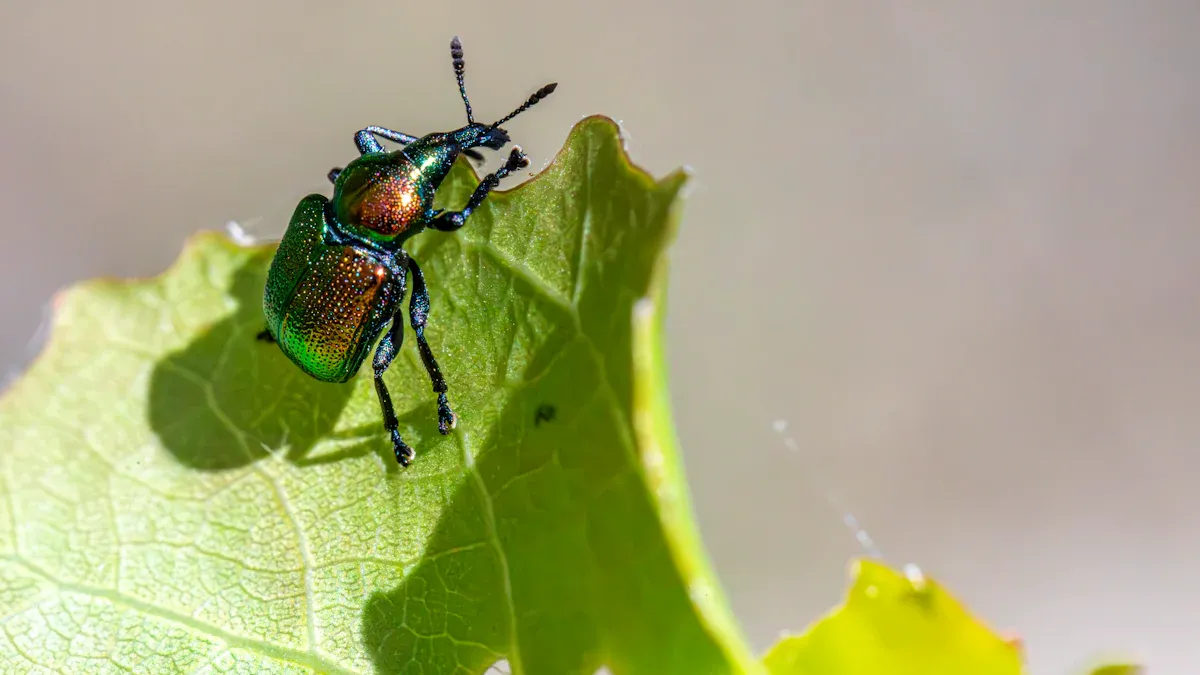
Identifying pests early can save your houseplants from serious damage. Here are some of the most common houseplant pests you might encounter:
Aphids
Aphids are small, soft-bodied insects that often gather in large groups. They can be various colors, including green, black, and yellow. Here are some key traits to help you spot them:
Typically under 1/4 inch in size.
Pear-shaped bodies with long antennae.
Most species have two short tubes (cornicles) at their hind end.
They often feed on new growth, which can lead to curling leaves.
If you notice sticky residue on your plants, it could be honeydew produced by aphids. This sugary substance can attract other pests and lead to sooty mold.
Spider Mites
Spider mites are tiny arachnids that can cause significant damage to your plants. They are often hard to see, but you can look for these signs:
Tiny yellow or brown speckles on leaves, caused by their feeding.
Fine webbing on the undersides of leaves, resembling cobwebs.
Leaf drop in heavily infested plants.
These pests thrive in dry conditions, so keeping your plants well-watered can help reduce their numbers.
Mealybugs
Mealybugs have a distinctive white, cottony appearance. They are soft-bodied and can move around your plants. Here’s how to identify them:
Characteristic | Mealybugs | Other Pests |
|---|---|---|
Appearance | White, cottony | Varies (e.g., brown, green) |
Body Type | Soft | Hard (e.g., scale insects) |
Mobility | Mobile | Often immobile (e.g., scale) |
Preferred Location | Protected areas | New growth (e.g., aphids) |
Honeydew Production | High | Varies |
Mealybugs produce a lot of honeydew, which can lead to sooty mold and attract ants.
Fungus Gnats
Fungus gnats are annoying little pests that lay eggs in damp soil. You might see them flying around your plants. Here’s what to look for:
Stage | Description | Duration |
|---|---|---|
Egg | Small, shiny, white, found on the surface of soil. | 4-6 days |
Larva | Approximately 1/4” long, found in growing medium. | N/A |
Pupa | Pupates in plant debris or soil. | N/A |
Adult | Emerges from the soil after pupation. | N/A |
The larvae feed on organic matter and can damage plant roots, so it’s essential to manage their population.
Whiteflies
Whiteflies are tiny, winged insects that resemble small moths. They often gather on the undersides of leaves. Here are some identifying features:
Adults are about 1/16th of an inch long and typically white.
They have four wings covered with a powdery wax.
Nymphs appear as flat disks on leaves and may also have a waxy covering.
If you notice a cloud of tiny white insects flying up when you disturb your plants, you likely have a whitefly infestation.
By knowing how to identify these common houseplant pests, you can take action before they cause significant harm to your plants.
Signs of Infestation
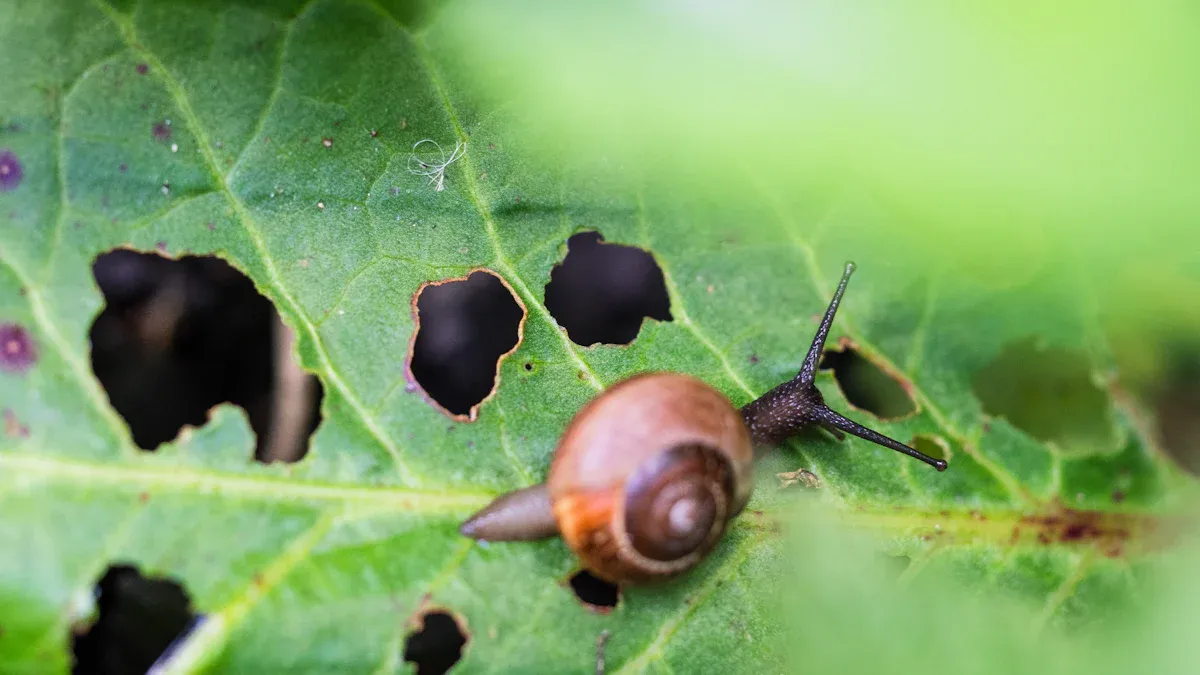
When you notice signs of infestation, it’s crucial to act quickly. Here are some common indicators that pests may be wreaking havoc on your beloved plants.
Visible Damage
Visible damage is often the first clue that something is wrong. Keep an eye out for:
Discoloration of older leaves or the entire plant
Yellowing or bronzing leaves with speckling
Small particulates on leaves or in the crotches of branches
Honeydew accumulation leading to sooty mold growth and ant infestations
If you see these signs, pests like aphids or spider mites might be the culprits. They can cause yellow stippling patterns on leaves or even lead to dieback and stunted growth.
Sticky Residue
Have you noticed a sticky residue on your plants? This sticky substance, known as honeydew, is produced by sap-feeding insects like aphids and whiteflies. Here’s what to look for:
Aphids produce heavy honeydew that drips onto lower leaves, often found on new growth and accompanied by curling leaves.
Whiteflies create a fine, dust-like coating on leaf undersides, with their nymphs also producing honeydew that supports sooty mold.
If you see this sticky mess, it’s a clear sign that you need to investigate further.
Webbing
Webbing is another telltale sign of spider mite activity. These tiny pests create fine silk threads that can be found on the undersides of leaves and between branches. This webbing serves multiple purposes:
It protects their colonies.
It helps them move between different feeding sites on your plants.
If you spot webbing, take immediate action to prevent further damage.
By recognizing these signs of infestation early, you can protect your plants and keep them healthy and thriving.
Eliminating Common Pests
When it comes to houseplant pest control, you have several options to eliminate those pesky invaders. Whether you prefer natural remedies, chemical treatments, or manual removal, each method can be effective depending on the severity of the infestation. Let’s explore these options in detail.
Natural Remedies
Natural remedies can be a great first line of defense against pests. Here are some effective methods you can try:
Water Spray: Use a strong stream of water to dislodge aphids and spider mites from your plants. This method works best early in the season when infestations are still small.
Hand Removal: For a more hands-on approach, manually knock aphids into soapy water. This method is simple and effective for small infestations.
Soap and Water Spray: Mix pure liquid soap with water to create a spray that kills aphids without harming beneficial insects. Just be sure to rinse your plants afterward.
Neem Oil: This natural oil acts as a repellent for aphids and other pests. Follow the dilution instructions carefully to avoid harming your plants.
Essential Oils: Create a spray using peppermint, clove, rosemary, and thyme. These oils can target aphids effectively.
Natural Predators: Introduce ladybugs and green lacewings to your garden. They consume aphids in their larval stages, helping to keep their population in check.
Attract Beneficial Plants: Plant varieties like clover and mint to attract natural aphid predators. This can create a balanced ecosystem in your home.
Chemical Treatments
If natural remedies don’t do the trick, you might need to consider chemical treatments for severe infestations. Here are some options:
Fertilome Indoor/Outdoor Multipurpose Insect Spray: This product is recommended for severe infestations but use caution, as it can harm plants and beneficial insects.
Triple Action Plus: Another option for severe cases, this treatment works similarly to the Fertilome spray.
Bio Advanced Insect, Disease, and Mite Control: This 3-in-1 treatment is effective against spider mites and other pests.
Spinosad Soap: Suggested for small infestations, this soap can be a good choice if natural methods fail.
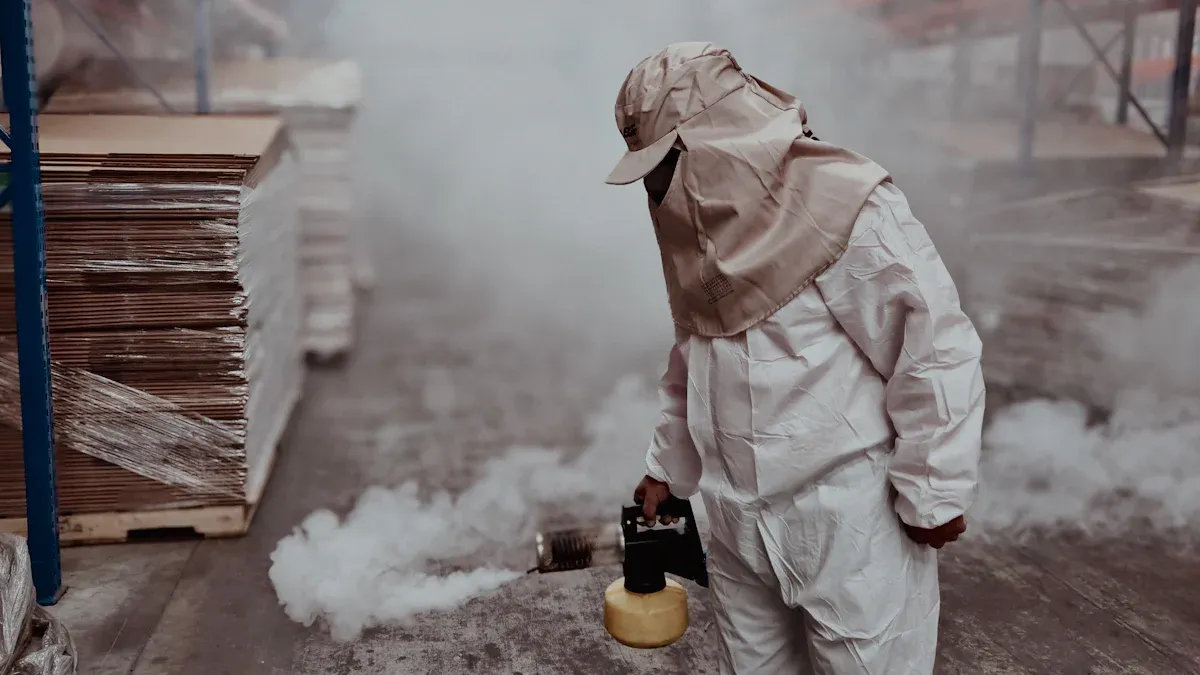
Safety Precautions: When applying chemical pesticides indoors, always read the label thoroughly. Use appropriate personal protective equipment (PPE) and ensure proper ventilation. Keep children and pets away from treated areas for the duration specified on the label.
Manual Removal
Manual removal can be surprisingly effective, especially for small-scale pest infestations. Here are some tips:
Cotton Swab with Rubbing Alcohol: Use this method to gently eradicate pests like mealybugs. It’s a safe way to remove them without harmful chemicals.
Regular Inspections: Check your plants frequently for any signs of pests. Early detection makes manual removal much easier.
Manual removal not only helps control pests but also keeps your plants healthy without introducing chemicals into your home.
By using these methods, you can effectively tackle houseplant pests and keep your plants thriving. Remember, the key to successful pest control is early detection and consistent action.
Preventive Measures
Preventing infestations is key to keeping your houseplants healthy. Here are some effective strategies you can implement:
Regular Inspections
Make it a habit to regularly inspect your plants. Look closely at the undersides of leaves and in the crevices of stems. Here are some tips to help you:
Scout for pests weekly, especially during warmer months.
Wash your plants with water or wipe leaves with a moist sponge to remove any insects or mites.
By staying vigilant, you can catch any issues before they escalate.
Clean Pots and Soil
Keeping your pots and soil clean can significantly reduce pest populations. Here’s how to do it effectively:
Use hot soapy water to clean pots. This method is less toxic and effective.
Ensure good air circulation around your plants. This helps reduce moisture and prevents fungal infections.
Healthy plants are less susceptible to pests, so provide them with the right growing conditions.
Quarantine New Plants
When you bring new plants home, always quarantine them for a couple of weeks. This practice helps ensure they’re not carrying hidden pests. Experts recommend isolating new plants for two to four weeks. This gives you enough time to observe them for any signs of pests or diseases. Remember, the term ‘quarantine’ comes from the French word quarantine, meaning 40 days, historically used for ships suspected of carrying plague.
By following these preventive measures, you can significantly reduce the risk of common pests invading your houseplants and keep them thriving.
Keeping a close eye on your houseplants is essential for effective pest control. Regular inspections help you spot issues early, making treatment easier. Here are some proactive steps you can take:
Establish a weekly monitoring routine.
Quarantine new plants for a few weeks.
Maintain plant health by ensuring proper light and airflow.
By staying vigilant and maintaining a routine, you can keep your plants thriving and pest-free! 🌱
FAQ
What should I do if I find pests on my plants?
Act quickly! Remove pests manually or use natural remedies. Regular inspections help catch infestations early.
How can I prevent pests from returning?
Keep your plants healthy with proper care. Regularly inspect them, clean pots, and quarantine new plants.
Are chemical treatments safe for indoor plants?
Some chemical treatments can harm plants and beneficial insects. Always read labels and follow safety precautions.
