

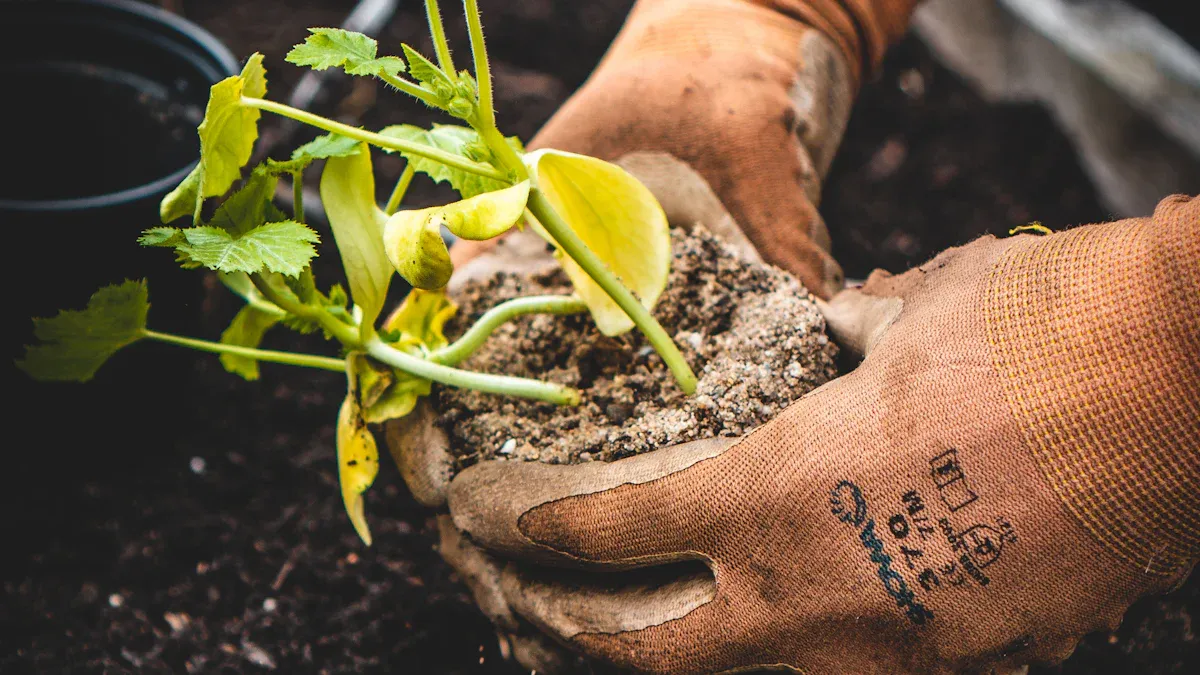
Gardening is more than just a hobby; it’s a chance for you to connect with nature and grow your own food. To have a thriving home garden, you need to focus on a few key areas. First, proper soil preparation sets the foundation for healthy plants. Next, sticking to planting schedules helps you maximize your garden’s potential. Finally, seasonal care ensures your plants stay strong throughout the year. So, roll up your sleeves and dive into the rewarding world of home gardening!
Key Takeaways
Test your soil every 3 to 5 years to understand its quality and nutrient needs.
Create a planting schedule based on local climate to ensure optimal growth for your vegetables.
Regular seasonal care, like pest management and soil enrichment, keeps your garden healthy year-round.
Use organic fertilizers and compost to improve soil health and promote strong plant growth.
Gardening enhances well-being by reducing stress and providing fresh produce for your table.
Soil Preparation
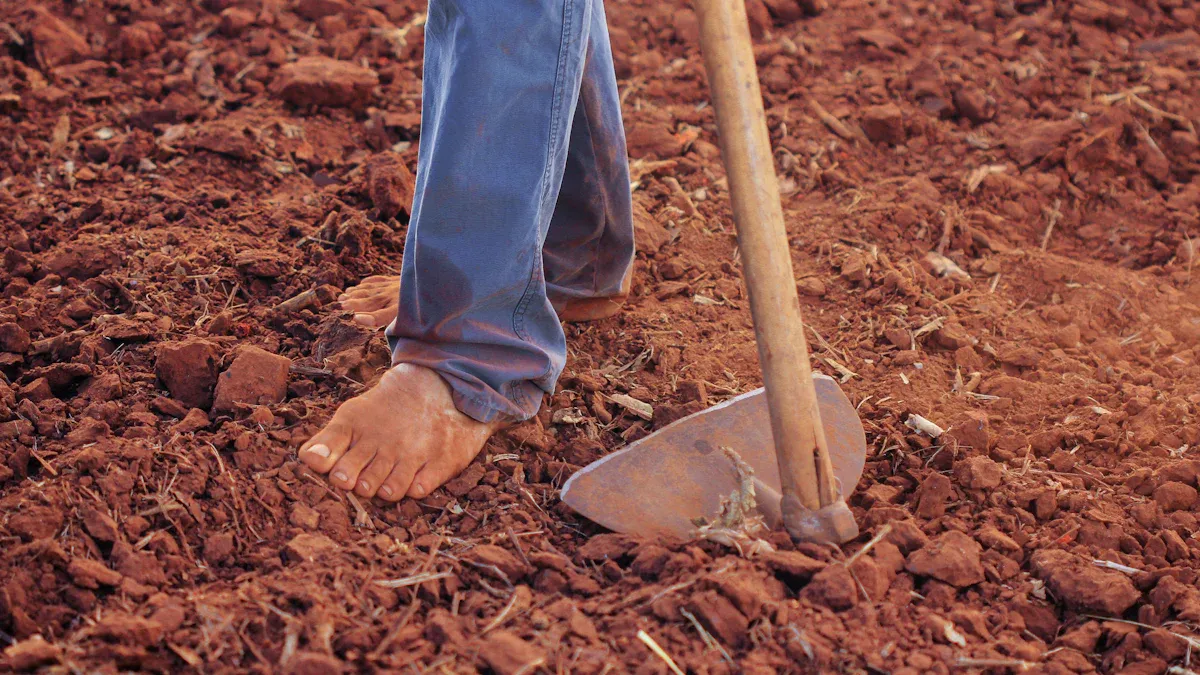
Soil preparation is crucial for a successful garden. It all starts with understanding your soil’s quality. You can’t just throw seeds in the ground and hope for the best. Instead, you need to know what you’re working with.
Soil Testing
Testing your soil is the first step in improving it. You want to check for pH levels and nutrient content. Here are some methods you can use:
Method | Description | Cost Range |
|---|---|---|
Analog probes | Easy to use, measures multiple factors, less accurate than lab tests. | $7 – $30 |
Testing strips | Accurate, requires soil sample and distilled water, color matching needed. | ~$12 for 100 |
Digital meters | Provides specific readings, easier to read than analog. | $20 – $100 |
Home pantry method | Uses common kitchen ingredients for a quick initial assessment. | N/A |
Test kits | Mail-in kits for comprehensive testing, results in 1-2 weeks. | $15 – $60 |
You should test your soil every 3 to 5 years to keep it healthy. Regular testing helps you catch any issues early. For instance, bad drainage can lead to waterlogged soil, which suffocates roots. Nutrient deficiencies can cause yellowing leaves and stunted growth. By knowing your soil’s condition, you can take action to fix these problems.
Adding Compost and Manure
Once you know your soil’s needs, it’s time to improve it. One of the best ways to do this is to add compost. Compost enriches your soil with organic matter, which enhances water retention and nutrient availability. Research shows that adding compost can increase soil organic matter, improve microbial activity, and even suppress diseases.
Manure is another excellent option. It boosts soil structure and adds essential nutrients. Just remember, the nutrient content can vary, so use it wisely. You want to avoid any health risks from pathogens.
Using Fertilizers
Fertilizers can also play a significant role in improving your soil. You have two main types: organic and synthetic. Organic fertilizers, like compost and fish emulsion, promote a healthy soil ecosystem. They feed beneficial microorganisms and improve soil fertility. On the other hand, synthetic fertilizers can lead to environmental issues if overused. They might provide quick results, but they can harm your soil in the long run.
For your garden, consider using organic fertilizers. They release nutrients slowly, which is better for your plants. Some effective options include:
Compost
Fish emulsion
Manure
Organic fertilizers like plant-based meal and bone meal
By focusing on these soil preparation techniques, you set your garden up for success. Healthy soil leads to healthy plants, and that’s what every gardener wants!
Planting Schedules
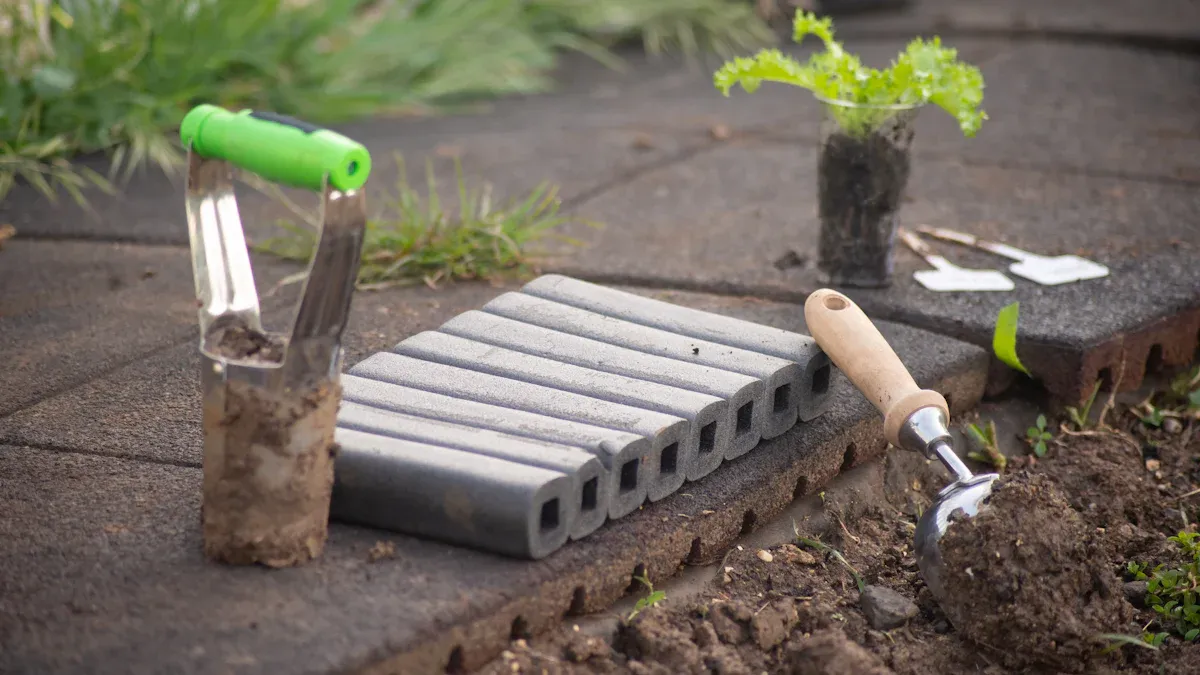
Creating a planting schedule is essential for any gardener. It helps you know when to plant different vegetables based on your local climate. A well-structured planting calendar can prevent common mistakes, like planting too early or too late. This way, you can enjoy a bountiful harvest without the stress of stunted growth or delayed maturity.
When to Plant Vegetables
Timing is everything when it comes to planting vegetables. Different crops thrive in different conditions. Here’s a quick guide to help you understand when to plant some popular vegetables:
Vegetable | Recommended Planting Dates |
|---|---|
Tomatoes | After the last frost in spring |
Carrots | Early spring and late summer |
Lettuce | Early spring and fall |
Peppers | After the last frost in spring |
Spinach | Early spring and late summer |
Cool-season crops, like lettuce and spinach, prefer the cooler temperatures of early spring. You can also sow them again in late summer for a fall harvest. On the other hand, warm-season crops, such as tomatoes and peppers, need warmer soil and air temperatures. Plant these after the last frost date to ensure they thrive.
Tip: Check your local frost dates to determine the best time for planting. This knowledge can help you create a personalized planting calendar tailored to your region.
Seasonal Planting Calendar
A seasonal planting calendar is a gardener’s best friend. It outlines the best times to sow seeds and transplant seedlings throughout the year. Here are some key components to consider:
Crop Rotation: This practice helps maintain soil health and reduces pest issues.
Succession Planting: Plan multiple plantings to extend your harvest season.
Companion Planting: Pair plants strategically to enhance growth and control pests.
Soil Preparation: Ensure optimal growing conditions through proper soil management.
By understanding these components, you can create a planting calendar that works for you. For example, if you know your average last frost date, you can plan when to sow seeds indoors or outdoors.
Timing for Transplanting
Transplanting seedlings can be tricky, but with the right timing, you can maximize their survival rates. Here are some guidelines to follow:
Choose the right time based on weather forecasts. Avoid late frosts and storms.
Ensure soil temperatures are suitable for the seedlings you’re transplanting.
Water seedlings immediately after planting to reduce stress.
Monitor your transplants for a week after planting to ensure they establish well.
Transplanting in the morning on cooler days or late afternoon on warmer days can help minimize stress on your plants. Remember, larger seedlings often withstand pest and weed pressure better, so consider their size when transplanting.
By following these planting schedules and tips, you can cultivate a thriving garden that yields delicious vegetables throughout the growing season!
Seasonal Care
Taking care of your garden throughout the seasons is vital for healthy plants and a bountiful harvest. Each season brings unique tasks that help you maintain your garden’s vitality.
Spring Tasks
Spring is the time to wake up your garden! Start by preparing your beds and planting early crops. Remove last fall’s leaves to prevent pests and diseases from taking hold. As you clean up, fertilize your soil to give your plants a nutrient boost. Remember, they’ve been dormant all winter and need that extra help to thrive. You can also plant new flowers and annuals to add color and attract pollinators.
“As plants start growing, they’re looking for whatever nutrients they can find after their long winter’s nap.”
Summer Maintenance
Summer requires consistent care to keep your garden flourishing. Focus on pest management by using repellents and barriers to deter unwanted visitors. Regularly check for pests and diseases, as maintaining a clean yard helps reduce infestations. Water your plants early in the morning to minimize evaporation. Mulching is also essential; it retains moisture and suppresses weeds. Aim for a mulch depth of 2-3 inches to keep your soil cool and healthy.
Fall Preparation
As the days grow shorter, it’s time to prepare for winter. Start by evaluating your garden and removing old plants. This cleanup reduces the risk of overwintering pests and diseases. Treat any remaining diseases and feed your soil with compost to enrich it for the next planting season. Consider planting cover crops to improve soil structure and fertility.
Evaluate Your Garden
Remove Old Plants & Collect Seed
Treat Disease & Use Pest Control
Feed Your Soil With Compost
Protect With Mulch or Leaves
Plant a Cover Crop
Winter Care
Winter may seem like a quiet time for your garden, but it’s crucial for planning and preparation. Protect your plants from cold by covering them with frost fabric or moving potted plants indoors. Monitor temperatures and ensure your soil remains moist but not soggy. Use this time to strategize for spring planting, order seeds, and review what worked well in previous seasons.
“Maintaining adequate moisture in the soil during winter is crucial for soil health.”
By following these seasonal care tips, you’ll set your garden up for success year-round!
Gardening is a rewarding journey that offers numerous benefits for your well-being. Here’s a quick recap of what you learned:
Soil Preparation: Testing your soil and adding compost can significantly improve plant health.
Planting Schedules: Knowing when to plant helps you maximize your harvest.
Seasonal Care: Regular maintenance keeps your garden thriving year-round.
Gardening not only enhances your physical health but also boosts your mood and reduces stress. Studies show that it can lower cortisol levels and improve emotional well-being. 🌱
So, grab your gardening tools and start planting! You’ll enjoy fresh produce, a sense of accomplishment, and a deeper connection with nature. Happy gardening! 🌼
FAQ
What is the best way to improve my soil?
To improve your soil, add organic matter like compost or well-rotted manure. This enhances soil structure, boosts nutrients, and promotes healthy plant growth.
How often should I water my garden?
Water your garden deeply but infrequently. Aim for about 1 inch of water per week, adjusting based on rainfall and plant needs.
When is the best time to plant vegetables?
The best time to plant vegetables depends on your local climate. Generally, plant cool-season crops in early spring and warm-season crops after the last frost.
How can I control pests in my garden?
Use natural pest control methods like introducing beneficial insects, applying neem oil, or using insecticidal soap. Regularly inspect your plants for early signs of trouble.
What should I do with my garden in winter?
In winter, protect your plants from frost by covering them. Clean up debris and plan for spring planting. Consider planting cover crops to enrich your soil.
