

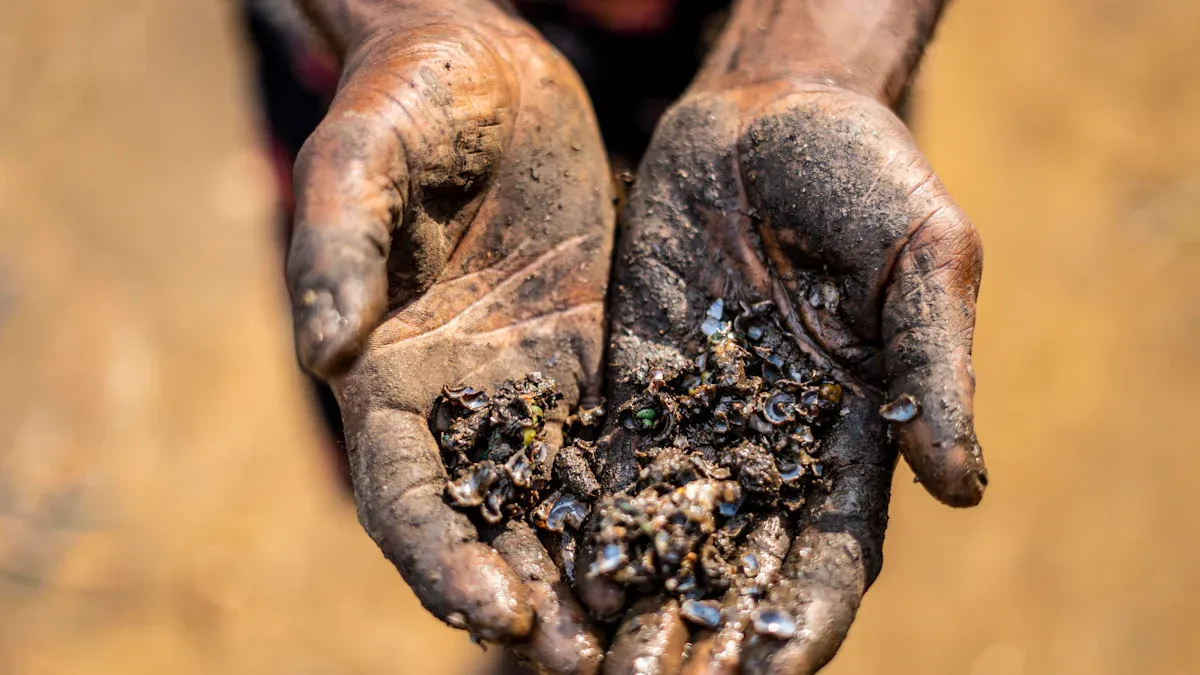
Sustainable gardening plays a vital role in protecting our environment. By adopting practices like water conservation, mulching, and enhancing soil health, you can make a positive impact. These methods not only reduce resource consumption but also improve your garden’s resilience. You’ll enjoy healthier plants and a thriving ecosystem right in your backyard!
Key Takeaways
Implement efficient watering techniques to conserve water. Water deeply and at the right times to keep your garden healthy while reducing waste.
Use mulch to retain moisture, suppress weeds, and improve soil health. Choose the right type of mulch for your garden to maximize its benefits.
Focus on soil health through composting and crop rotation. These practices enhance soil fertility and support a thriving ecosystem in your garden.
Water Conservation
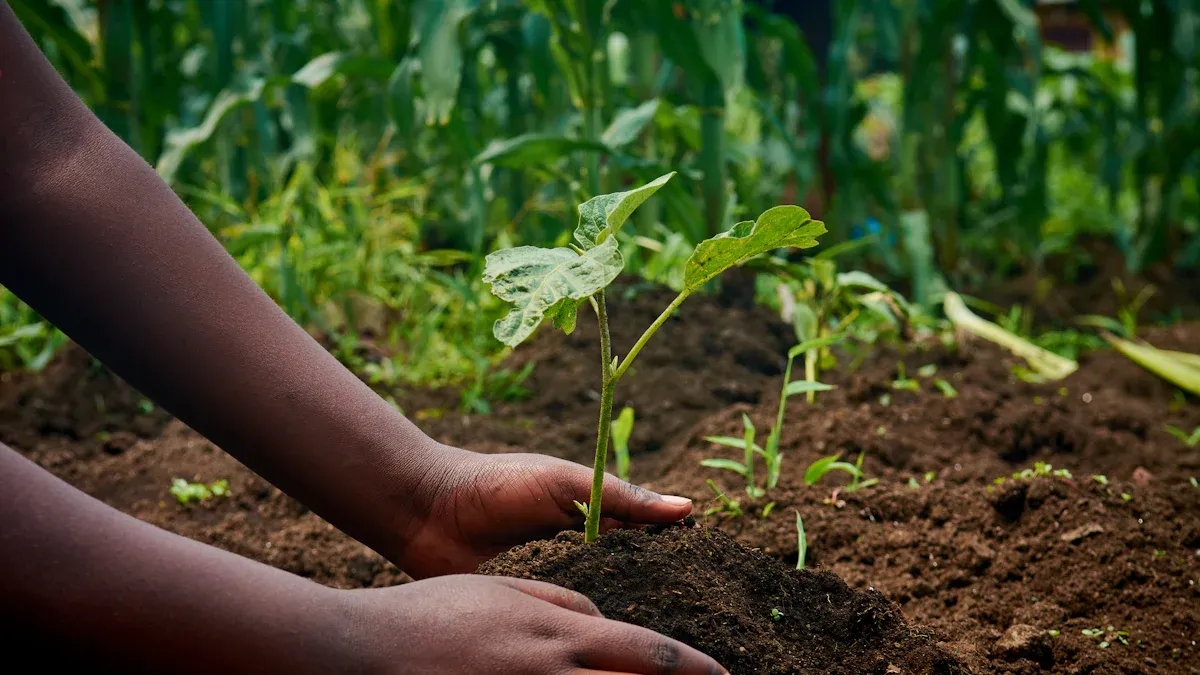
Water conservation is essential for sustainable gardening. You can adopt several techniques to save water while keeping your garden healthy and vibrant. Let’s explore some effective methods.
Efficient Watering
Efficient watering is the first step in conserving water in your garden. Here are some practical tips to help you water wisely:
Know your plants: Different plants have different water needs. Observe your plants for signs of wilting to understand when they need water.
Know your soil: Increase organic matter in your soil to enhance its water retention. Using mulch can also help keep moisture in and control weeds.
Deep watering: Water deeply to encourage strong root growth. Aim for 6-12 inches of soil moisture to ensure your plants thrive.
Do the Finger Test: Check soil moisture by inserting your finger into the soil. If only the top layer is moist, it’s time to water again.
Timing is everything: Water in the cool of the evening or early morning to minimize evaporation.
By implementing these techniques, you can significantly reduce water waste. In urban areas, gardening activities can account for a staggering 30% to 56% of total household water usage. This makes efficient watering even more crucial.
Rainwater Harvesting
Rainwater harvesting is another fantastic way to conserve water. By collecting rainwater, you can reduce your reliance on municipal water supplies. Here are some benefits of rainwater harvesting:
Benefit | Description |
|---|---|
Cost Savings | Rainwater harvesting can significantly reduce water bills, as outdoor irrigation can account for 30% to 60% of household water use. |
Plant Health | Rainwater is free of harmful additives found in treated water, promoting healthier plants and richer soil. |
Environmental Impact | Capturing rainwater helps recharge groundwater and supports local ecosystems, reducing runoff and erosion. |
Long-term Resilience | Systems can create climate-resilient landscapes that maintain value and aesthetic appeal during droughts. |
Soil Integrity | Slow-release irrigation from stored rainwater helps maintain soil health and prevents erosion. |
To set up a rainwater harvesting system, consider installing barrels or cisterns to collect rainwater from your roof. This simple step can make a big difference in your garden’s water supply.
Drought-Resistant Plants
Incorporating drought-resistant plants into your garden is a smart way to conserve water. These plants require less water and are more resilient to dry conditions. Here are some popular drought-resistant species you might consider:
Creeping Phlox (Phlox stolonifera)
Feather Reed Grass (Calamagrostis x acutiflora)
Golden Stonecrop (Sedum)
Hyssop (Agastache aurantiaca)
Juniper (Juniperus)
Lamb’s Ear
Drought-resistant plants have unique characteristics that help them thrive with minimal water. They can store water efficiently, minimize water loss, and withstand heat without compromising their health. By choosing these plants, you can create a beautiful garden that requires less maintenance and conserves water effectively.
Mulching for Sustainability
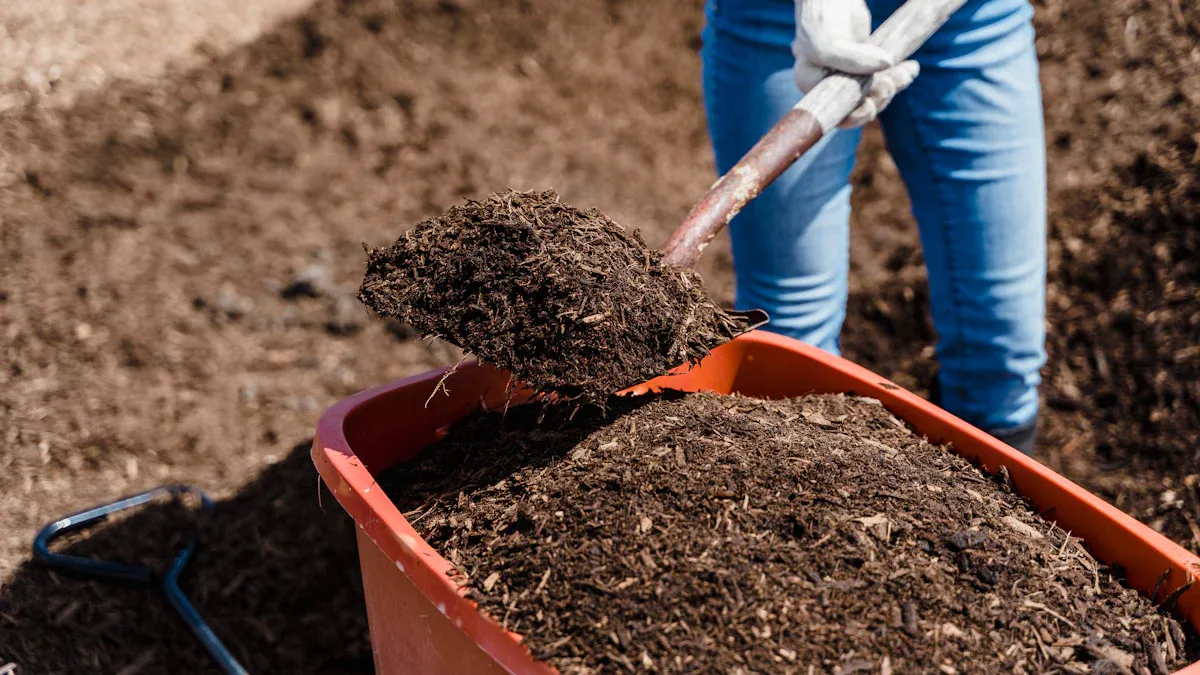
Mulching is a key practice in sustainable gardening. It helps retain moisture, suppress weeds, and improve soil health. By using mulch, you can create a thriving garden while minimizing your environmental impact. Let’s dive into the different types of mulch, their benefits, and how to apply them effectively.
Types of Mulch
You have several options when it comes to choosing mulch for your garden. Here are some common types:
Shredded Bark: Durable and great for pathways and sloped areas.
Wood Chips: Popular for trees and shrubs; you might even find some for free from tree trimming services.
Sawdust or Wood Shavings: Fine texture, ideal for seedlings but can compact over time.
Pine Straw: Lightweight, prevents soil erosion, and doesn’t acidify the soil.
Grass Clippings: A free source that enriches the soil quickly; perfect for lawns.
Freshly Cut Cover Crops: Adds nutrients and maintains soil structure.
Each type of mulch has its unique advantages, so consider what works best for your garden’s needs.
Benefits of Mulching
Mulching offers numerous benefits that enhance your gardening experience. Here are some key advantages:
Improves Soil Fertility: Organic mulches decompose over time, adding essential nutrients back into the soil.
Reduces Water Evaporation: A proper layer of mulch can significantly lower water loss, meaning you won’t have to water as often.
Suppresses Weeds: Mulch acts as a barrier, preventing weeds from sprouting and reducing the need for herbicides.
Insulates Roots: Mulch protects plant roots from extreme temperatures, keeping them safe during hot summers and cold winters.
Here’s a quick comparison of organic and inorganic mulch regarding moisture retention:
Type of Mulch | Moisture Retention Benefits | Additional Benefits |
|---|---|---|
Organic Mulch | Conserves soil moisture by reducing evaporation | Minimizes soil erosion, moderates soil temperatures, inhibits weed growth, encourages beneficial microorganisms, reduces soil-borne pathogens |
Inorganic Mulch | Retains moisture | Minimal need for replacement, low maintenance, functionally versatile, higher availability in garden centers |
Application Techniques
To maximize the benefits of mulching, you need to apply it correctly. Here are some effective techniques:
Technique | Description | Impact |
|---|---|---|
Proper Selection | Choose eco-friendly materials like straw, leaf litter, or wood chips. | Supports sustainability and reduces toxins. |
Application Practices | Spread mulch evenly, maintaining a 2-4 inch layer. | Prevents weeds and retains moisture. |
Maintenance Tips | Regularly replenish mulch and monitor moisture levels. | Ensures effectiveness and supports plant health. |
In regions with high rainfall, you might need to replace organic mulch annually or even twice a year. In hotter climates, mulch may degrade quickly, so keep an eye on it and refresh as needed.
By making mulch your friend, you can create a more sustainable garden that thrives with less effort. Remember, the right mulch not only beautifies your garden but also supports a healthier ecosystem.
Soil Health Practices
Healthy soil is the foundation of a thriving garden. It supports plant growth, retains moisture, and fosters a rich ecosystem. By focusing on soil health, you can enhance your garden’s productivity and sustainability. Here are some effective practices to improve soil health.
Composting Benefits
Composting is a fantastic way to enrich your soil. It transforms kitchen scraps and yard waste into nutrient-rich organic matter. Here are some key benefits of composting:
Benefit | Description |
|---|---|
Improves soil structure | Compost enhances soil aggregates, increasing porosity and resistance to erosion. |
Enhances soil fertility | It stabilizes soil pH and adds essential nutrients like nitrogen, phosphorus, and potassium. |
Increases water retention | Compost improves water infiltration and retention, aiding root growth and soil organism activity. |
Supports ecosystem health | It aids in ecosystem restoration, improving water quality and conservation efforts. |
Boosts plant growth | Compost promotes plant health by enhancing soil conditions and supporting beneficial microbes. |
Crop Rotation
Crop rotation is another effective method for maintaining soil health. By changing the types of crops you plant each season, you can improve nutrient cycling and reduce pest issues. Here are some advantages of crop rotation:
It enhances nutrient cycling, allowing plants to utilize soil nutrients more effectively.
It reduces soil erosion, which helps maintain soil structure and fertility.
It promotes biodiversity, leading to healthier ecosystems.
Integrating deep-rooting crops with less nutrient-efficient ones helps cycle nutrients effectively within the soil profile. This practice not only boosts soil health but also increases crop yields.
Soil Testing
Soil testing is crucial for understanding your garden’s needs. It helps you assess nutrient levels and optimize fertilizer use. You can choose between laboratory tests for precise results or home test kits for a quick check. Here’s a quick comparison:
Method | Description | Recommendations Provided? | Accuracy Level |
|---|---|---|---|
Laboratory Tests | Provide precise and accurate results, testing a broad range of nutrients. | Yes | High |
Home Test Kits | Test for a few nutrients, often with subjective results. | Sometimes | Low |
Testing your soil informs your gardening practices, ensuring you provide the right nutrients for healthy plants.
Sustainable gardening practices, like water conservation, mulching, and improving soil health, create a thriving environment for your plants and the ecosystem. These methods help conserve water, enhance soil quality, and promote biodiversity.
By adopting these practices, you not only boost your garden’s productivity but also contribute to a healthier planet. 🌍
Start implementing these sustainable practices in your own garden today, and watch it flourish!
FAQ
What is sustainable gardening?
Sustainable gardening focuses on eco-friendly practices that protect the environment while promoting plant health and biodiversity.
How can I conserve water in my garden?
You can conserve water by using efficient watering techniques, harvesting rainwater, and planting drought-resistant species.
Why is soil health important?
Healthy soil supports plant growth, retains moisture, and fosters beneficial organisms, making your garden more resilient and productive.
