

Starting a container vegetable garden means giving each plant a growing medium that balances moisture, drainage, and root space. A crowded balcony, a sunny porch, or a kitchen windowsill can each create different demands, from water retention in hot weather to quick drainage beneath dense foliage. This lineup covers coir-based media, liquid soil amendments, and plant-specific formulas so you can match each option to the job it handles best.
The Leading Options At A Glance

Kempf Compressed Coco Coir Pith Block, 10 Pound
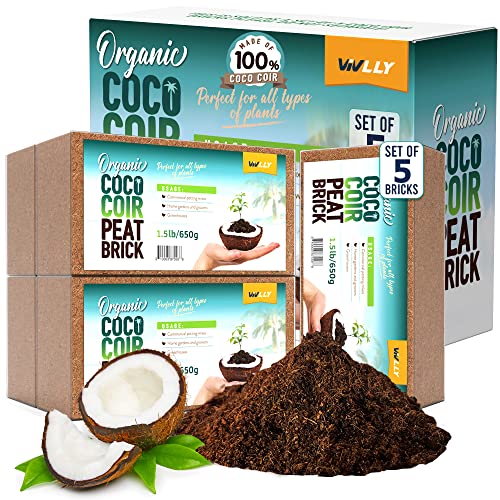
Vivlly Coco Coir Bricks, 5 Pack

Farmer’s Secret Organic Soil Revitalizer, 128 oz

Farmer’s Secret Organic Soil Revitalizer, 8 oz
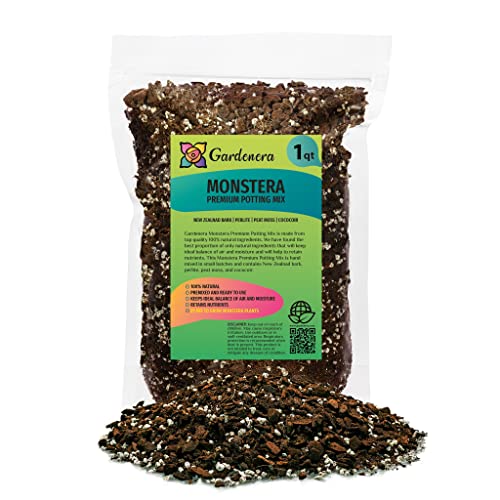
Gardenera Premium Monstera Potting Soil, 1 Quart Bag

Gardenera Professional Monstera Spray Fertilizer Mist, 3-1-2 Blend, 8 oz
A Deeper Look At The Lineup
A compressed coir block makes sense when one balcony garden needs enough medium for several large pots. The 10-pound block expands to 18 gallons, giving you a generous starting volume for vegetable containers without handling numerous separate bags.
Coir is the fibrous material remaining from coconut husk processing, and its structure can retain substantial moisture while leaving spaces for oxygen around roots. In a warm, exposed balcony, that balance is useful, though the expansion and preparation required before planting deserve a place in your setup plan.
Features That Help
- The large expansion capacity lets one compressed block fill several sizable vegetable pots.
- Its fibrous structure supports both moisture retention and airflow around developing roots.
- Water-holding capacity of up to 10 times the block’s weight can reduce frequent watering during hot weather.
Small Caveats
- You need space to expand the block before it can serve as potting media.
- Container drainage holes remain necessary because retained moisture can still become a problem in a poorly drained pot.
Feature Snapshot
Built With In Mind
This option suits home growers filling several vegetable containers who value coir’s moisture storage and want a compressed format before planting.
Where Another Pick Suits Better
Vivlly Coco Coir Bricks suit you better when a smaller starting quantity and a stated pH range matter more than a 10-pound block.
Five individually portioned bricks suit a gardener who wants to mix media for seed trays, small pots, or a limited collection of containers. Each 650-gram brick expands to multiple gallons in minutes, making the format easier to scale than one large compressed block.
Unlike the Kempf block, this option lists a pH of 5.5 to 6.5 and low electrical conductivity, or EC. EC measures how readily a solution conducts electricity and serves as a useful indicator of soluble salts, making these details particularly helpful for growers starting seeds or using coir in hydroponic setups.
Real Benefits
- Individual bricks give you more control over the amount of media prepared at once.
- The stated 5.5 to 6.5 pH range offers a clear baseline for soil and nutrient compatibility.
- Low EC helps keep soluble salts lower, which matters for sensitive seedlings and newly rooted plants.
- Rapid expansion supports quick setup for seed trays, indoor containers, or outdoor pots.
Practical Considerations
- You may need a larger preparation vessel because each brick expands to multiple gallons.
Quick Facts
Who Will Love This
This format works well for beginners raising seedlings or tending a small collection of vegetables in pots and seed trays.
Another Choice May Suit
Kempf Compressed Coco Coir Pith Block is the better fit for filling many large containers from one compressed unit.
Sometimes an established container needs its growing medium refreshed rather than replaced. Farmer’s Secret Soil Revitalizer applies a different approach from the Vivlly Coco Coir Bricks because it is a liquid compost amendment, not a standalone potting medium.
The activated humic acid is the main active ingredient, and the product is described as OMRI Listed with ingredients derived from organic sources. Monthly use through the growing season suits a larger garden where you already have suitable soil and want to support its biological activity.
The Case For It
- The 128-ounce format supports repeated applications across a larger group of containers.
- Activated humic acid provides a targeted way to amend existing potting media rather than replace it.
Where It May Fall Short
- You cannot use this amendment as the sole growing medium for a new vegetable container.
- Its monthly application schedule calls for attention throughout the growing season.
- The liquid format requires following the label directions for dilution and use.
The Right Fit
This product fits gardeners with existing pots who want to refresh depleted growing media through a liquid compost amendment.
A Better Fit Elsewhere
Vivlly Coco Coir Bricks serve you better when filling empty containers or starting seeds in a new medium.
The smaller Farmer’s Secret Soil Revitalizer format keeps the same liquid humic-acid approach as the 128-ounce version, but in a quantity better suited to a few pots. It is a practical amendment for a balcony gardener whose existing mix needs attention without replacing a large volume of soil.
Activated humic acid is derived from organic sources, and the product is described as OMRI Listed. That distinction matters here because it remains an amendment rather than a seed-starting medium, so your container still needs an appropriate soil base underneath the treatment.
Why It Works Well
- The 8-ounce size fits a compact gardening routine and limited storage space.
- Liquid application is straightforward to distribute across a small group of containers.
- The humic-acid formula supports the soil-focused approach described by the manufacturer.
Factors To Consider
- The compact supply may require more frequent purchases than the 128-ounce version.
- It cannot serve as the planting medium itself in an empty container.
Made For
This option suits growers tending only a few containers who want a compact amendment for existing potting soil.
Not Your Match When
Farmer’s Secret Organic Soil Revitalizer, 128 oz fits you better when you maintain a larger collection of pots and need more supply on hand.
Gardenera Premium Monstera Potting Soil is built around a specific plant rather than a general vegetable formula. Its blend of peat moss, perlite, coco coir, biochar, worm castings, and bark is intended to combine drainage, aeration, and moisture retention for Monstera deliciosa and Swiss cheese plants.
Compared with the looser Kempf coir block, this comes ready to pot in a one-quart quantity. That convenience suits a Monstera collection, although the plant-specific formulation makes it a less natural choice for filling vegetable containers from scratch.
Everyday Advantages
- Perlite and coco coir create a quick-draining structure suited to Monstera containers.
- Bark and worm castings add organic components beyond plain coir.
- Biochar contributes another carbon-rich material to the blend.
- The one-quart bag handles repotting work without the bulk of a large compressed block.
Points To Note
- The formula is designed for Monstera plants rather than a broad range of vegetables.
Core Details
Best Suited To
This blend suits Monstera growers repotting houseplants in one-quart increments and prioritizing quick drainage.
Swap It Out When
Vivlly Coco Coir Bricks are the better fit for vegetable seedlings, hydroponic setups, and general container filling.
A foliar mist belongs beside the potting process, not inside it. Gardenera Professional Monstera Spray Fertilizer Mist provides a 3-1-2 liquid nutrient blend made for Monstera foliage, giving indoor plant growers a focused feeding option separate from soil preparation.
The nutrient ratio gives a clear format for anyone comparing fertilizer labels. Still, its Monstera-specific purpose separates it from the broad vegetable options in this lineup, and it complements rather than replaces the Gardenera Premium Monstera Potting Soil.
Strong Points
- The stated 3-1-2 nutrient ratio makes the fertilizer format easy to identify.
- Eight ounces is a manageable quantity for a home collection of Monstera plants.
Worth Bearing In Mind
- It supplies nutrients through a spray and cannot replace potting medium.
- The plant-specific formula is less aligned with mixed vegetable containers.
- You need to follow the label directions for application and frequency.
Technical Highlights
Who Should Grab It
This mist suits home growers focused on Monstera foliage who already have a suitable potting medium in place.
Where A Sibling Pick Shines
Gardenera Premium Monstera Potting Soil fits you better when the immediate need is repotting and fresh well-draining medium.
What Matters Most in Container Soil
Drainage Comes First
Vegetables in containers need a growing medium that drains excess water while retaining enough moisture for the roots. Coco coir, perlite, and bark are useful indicators because they create visible space within the medium. A pot also needs drainage holes, since a porous mix cannot compensate for water trapped at the bottom.
Moisture Storage Matters in Heat
Water retention becomes especially important on a sunny balcony or during dry indoor periods. A medium that holds up to 10 times its weight in water can reduce how often you reach for the watering can. Your watering rhythm should still reflect the crop, pot size, and conditions rather than a fixed calendar.
Check the Product’s Role
Some products create a complete planting medium, while others only amend existing soil. Vivlly Coco Coir Bricks expand into growing medium, while Farmer’s Secret Soil Revitalizer is a liquid amendment for pots already filled with suitable soil. Sorting out that distinction prevents you from treating one product as a substitute for the other.
Match the Formula to the Plant
Gardenera’s Monstera potting soil and spray mist are purpose-built for a foliage plant rather than mixed vegetables. Their 3-1-2 nutrient mix and Monstera-focused ingredients may suit a houseplant shelf, but vegetable containers need a broader potting medium with the drainage and moisture balance appropriate to the crop.
Common Mistakes Worth Avoiding
Mistakes Worth Dodging
Choosing a product because its label sounds fertile can leave you with the wrong job. A foliar mist cannot become potting soil, and a liquid amendment cannot fill an empty container. Match each product to the stage of your garden before checking any other feature.
What Separates Premium From Basic
Higher-priced options often provide measured pH, multiple ingredients, or a larger supply that reduces repeated purchases. Those details can matter for seedlings, precise nutrient work, or many pots, but a basic coir block may still suit a straightforward home garden.
Frequently Asked Questions
What is the best soil for potting vegetables?
A container vegetable mix should balance drainage, aeration, and moisture retention. Coco coir is a useful base for those qualities, while perlite or bark can add larger air spaces.
Is coco coir good for vegetable containers?
Coco coir works well for many container vegetables because it retains moisture while its fibrous structure preserves airflow. You still need drainage holes and should adjust watering to the crop and pot conditions.
Do I need to mix compost into potting soil?
Mixing compost can add organic matter to a suitable base, but compost alone does not replace a well-structured potting medium. A balanced coir blend is often simpler for beginners than creating a custom recipe.
Can Farmer’s Secret Soil Revitalizer replace potting soil?
No, it is a liquid compost amendment with activated humic acid. Use it to support existing potting media rather than filling an empty container with the amendment alone.
Is Monstera potting soil suitable for vegetables?
Gardenera’s Monstera mix is formulated for Monstera deliciosa and Swiss cheese plants. A general coir-based vegetable mix offers a more suitable starting point for edible crops.
Final Verdict
The Vivlly Coco Coir Bricks offer the clearest all-purpose starting point for vegetables, with measured pH, low EC, and convenient expansion. Kempf’s larger block suits bigger container projects, while Farmer’s Secret handles soil refreshment rather than planting. Gardenera’s two formulas serve Monstera collections and should remain separate from a vegetable-growing plan. Match the product to the stage of your garden, then account for drainage, sunlight, and watering frequency.
