Missouri’s shifting winter temperatures and varied soil can make a perennial garden harder to plan than it looks on paper. A plant that thrives in one part of the state may receive too much moisture in another, so your local USDA hardiness zone and growing site deserve attention before seeds go into the ground. These six options cover different goals, from monarch habitat and blue meadow borders to mixed Midwest beds and shaded corners. You’ll find a focused choice for pollinators, dependable cut flowers, or broad coverage without committing to a single species.
Fall borders often begin looking tired before the first hard frost. New England asters bring starry purple flowers and long stems to that late-season gap, making them useful beside a porch, along a path, or in a vase.
The 600 seeds need an early start because cold stratification, a chilling period that helps break seed dormancy, is part of their starting process. They suit USDA hardiness zones 2 through 8, which are geographic bands indicating expected winter cold.
Real-World Strengths
✓Six hundred seeds support several sowing attempts and multiple garden areas.
✓Full sun or part shade suits many Missouri home gardens.
✓Long stems make the early-to-late-fall flowers useful for arrangements.
✓Rhizomes and reseeding can gradually form dense perennial colonies.
Practical Considerations
•The eight-week chilling process requires planning before spring sowing.
•Allow 18 to 24 inches between plants, and give spreading colonies room to expand.
Quick Facts
Feature
Specification
Why It Matters
Seed quantity
600 seeds
Useful for several starts
Sowing depth
Just under 1/8 inch
Keeps the seed near the soil surface
Planting spacing
18–24 inches
Allows room for spreading growth
Hardiness range
USDA zones 2–8
Covers many cold-winter regions
Made For
Gardeners who want fall color, visiting pollinators, and vase-ready stems from a compact perennial packet.
Consider Something Else When
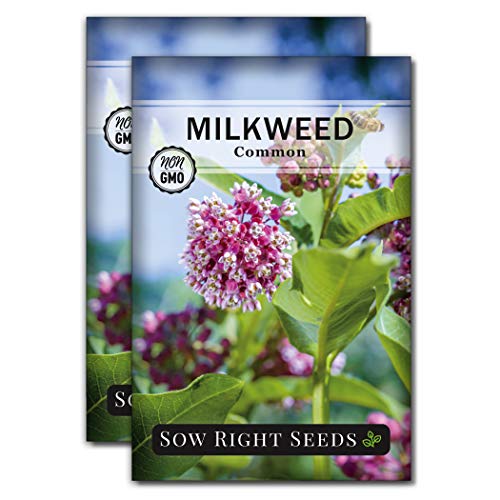
Sow Right Common Milkweed Seed 2-Pack is a stronger fit when monarch host-plant habitat matters more than cut flowers.
Where KVITER New England Aster Seeds create a tidy flower patch, common milkweed serves a more specific ecological purpose. Its pink clusters provide nectar for butterflies and serve as a host plant for monarch caterpillars, giving a backyard habitat planting a distinct role.
Each packet holds at least 400 mg, or about 100 seeds, so the two-pack provides room for a group rather than a single specimen. You can expect mature plants around 3 to 4 feet tall once established, with blooms appearing in roughly 40 to 50 days under suitable conditions.
Bright Spots
✓The pink, star-shaped flower clusters add height and structure to sunny beds.
✓Milkweed supports monarch caterpillars as well as nectar-feeding butterflies and bees.
✓Packet instructions cover the planting process, and the plant can reseed itself.
Details To Watch
•Germination takes 10 to 15 days when soil reaches 75–85°F.
•Space plants 18 to 24 inches apart to account for their 1 to 1.5-foot spread.
•Self-seeding can make a small planting expand beyond its original footprint.
The Main Details
Feature
Specification
Why It Matters
Mature height
24–40 inches
Creates a noticeable upright accent
Germination window
10–15 days at 75–85°F
Ties planting to warm soil
Hardiness range
USDA zones 3–13
Offers broad climate compatibility
Who It Suits Best
Backyard habitat gardeners who want common milkweed specifically and can provide a sunny site with room for mature plants.
A Better Fit Elsewhere
Midwest Wildflower Mix fits broader beds where a varied collection matters more than a dedicated monarch host plant.
A row of violet-blue lupine can turn an ordinary meadow edge into a strong vertical display. Compared with milkweed’s pink summer clusters, this Outsidepride packet offers a cooler color, greater visual height, and a notable deer-resistance claim for landscape planting.
The 500 seeds are suited to USDA zones 3 through 9 and can go into full sun or partial shade. Plants reach about 36 inches with a 12-to-16-inch spread, making them useful along sunny borders and larger meadow-style groupings.
Benefits That Matter
✓Violet-blue flowers add bold color to beds and wildflower-style borders.
✓Thirty-six-inch plants provide height without reaching the scale of many shrubs.
✓Full sun to partial shade gives you flexibility when placing the seed mix.
✓The plants can self-sow when left untrimmed, supporting repeat displays.
✓Deer resistance is useful in landscapes where browsing animals are a concern.
A Few Limitations
•Plan for 36-inch height and a 12-to-16-inch spread, especially in a compact border or along a walkway.
The Right Fit
Gardeners building meadow borders or wildlife-oriented beds who value blue color, tall flowers, and plants that can return through self-sowing.
Where Another Pick Suits Better
KVITER New England Aster Seeds is the more direct choice for long-stemmed flowers that carry a fall border into early-to-late fall.
A single-species packet gives you a predictable visual theme, but a 20-variety mix offers a different kind of balance. This Midwest blend combines annuals and perennials with species such as Black-Eyed Susan, Purple Coneflower, Scarlet Flax, and Illinois Bundleflower.
Some of those plants carry the garden into early summer while later flowers extend its color range into fall. That makes the 1/4-pound packet a practical choice for a large mixed bed, a roadside area, or a meadow-style corner where varied heights and forms feel more natural than a regimented row.
Where It Excels
✓Twenty varieties create texture, height, and color across the growing season.
✓Annual and perennial types provide complementary windows of bloom.
✓The regional mix includes both native and non-native species suited to Midwest conditions.
✓Flowers offer nectar and pollen for bees, butterflies, and other pollinators.
Trade Offs
•The exact components can change with seed availability, so the mix may not look identical from one packet to another.
•Not every plant in the blend is perennial, which matters when your plan depends entirely on flowers returning each year.
Feature Snapshot
Feature
Specification
Why It Matters
Variety count
20 wildflower varieties
Adds broader color and form
Plant types
Annual and perennial mix
Supports blooms across different seasons
Best Suited To
Gardeners creating a large Midwest planting who value variety and seasonal continuity over precise control of one flower.
Another Choice May Suit
Sow Right Common Milkweed Seed 2-Pack suits a focused habitat garden where monarch host-plant value is the central goal.
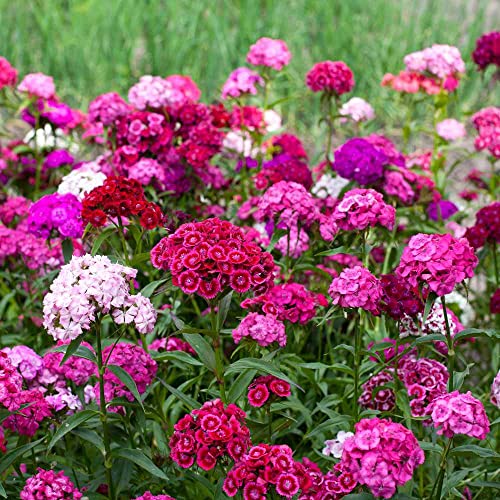
Cottage borders often call for a plant that adds both color and scent without demanding a complicated layout. Sweet William fills that role with vibrant flowers, a fragrant presence, and a perennial description suited to USDA zones 3 through 9.
The 5,000-seed quantity works particularly well for generous outdoor sweeps or repeated sowing across a new bed. Its flowers also work as cut material, giving you another way to use the planting beyond landscape color and pollinator activity.
Points In Its Favor
✓Fragrant, colorful blooms bring a stronger sensory element to cottage and border plantings.
✓The large seed count supports broad sowing, repeated starts, and generous cut-flower use.
Some Limits To Know
•Five thousand seeds are more than many small beds need, so plan your sowing area before opening the packet.
•Check your local hardiness zone rather than relying solely on the broad packet range.
•As a perennial mix, it may not suit a tightly coordinated single-color scheme.
Who Will Love This
Cottage-garden enthusiasts who want fragrant color, plentiful seeds, and flowers that can move from a border into a vase.
Look Elsewhere When
SWEET YARDS Partial Shade Seed Mix is the more direct fit for a planting area whose defining feature is limited sunlight.
The corner beside a garage rarely gets the same attention as a sunny border, yet partial shade can still support a varied seed mix. This pouch offers more than 7,000 open-pollinated annual and perennial seeds, giving you enough material to cover roughly 100 square feet.
Open-pollinated seeds are produced through natural pollination and can be saved for later sowing. The reusable zipper pouch and included planting instructions also make the larger quantity easier to organize, though you still need to plan the site before broadcasting so widely.
Real Benefits
✓The partial-shade focus suits spots that receive less direct sun than an open flower bed.
✓Annual and perennial seeds create variety within a single planting.
✓More than 7,000 seeds make broad coverage practical for larger shaded areas.
Things To Weigh Up
•A broad mix gives you less control over individual plant heights and exact varieties than a single-species packet.
•The one-ounce quantity calls for careful storage and a planned sowing area to avoid unwanted spreading.
At A Glance
Feature
Specification
Why It Matters
Packet size
1 ounce
Supports broad-area sowing
Seed count
More than 7,000
Provides a large planting quantity
Plant types
Annual and perennial
Adds mixed seasonal character
Suggested coverage
About 100 square feet
Offers a useful area reference
Built With In Mind
Gardeners with a partially shaded yard or border who want a varied, substantial sowing rather than one focal species.
Swap It Out When
KVITER New England Aster Seeds fits a more specific plan built around late-fall color, long stems, and one recognizable perennial.
## What to Match Before Planting in Missouri
### Your Hardiness Zone
USDA hardiness zones estimate average annual minimum temperatures, and Missouri includes more than one zone. Match each perennial to your local zone rather than relying on a broad statewide range. A plant that handles your coldest conditions is more likely to return after winter, while a warm-zone perennial may struggle through a harsh exposed site.
### Light, Moisture, and Space
Full sun, part sun, and partial shade describe different conditions, so assign seeds to the site you actually have. Dry foundations and low spots also create different moisture levels, meaning you should look beyond bloom color when matching a plant to your yard. Account for mature height, spread, and reseeding habits before placing seeds near fences or paths.
### Timing and Ongoing Care
Some packets call for cold stratification, while others germinate as soil warms, so start planning before the planting window. Give young perennials regular water while they establish, then adjust for rainfall and soil drainage. A long bloom display is possible, but the mix or mix of species determines how the bed changes through summer and fall.
## Seed Packet Details That Change the Choice
### Common Shopping Slip Ups
Avoid choosing by color alone, since a packet may contain annuals, perennials, or both. Check the mature size and light requirements first, then confirm the seed quantity matches the area you intend to sow.
### What The Higher Tier Buys
Higher-priced packets may spend more on seed count, a specific species, or a coordinated regional selection. Paying more makes sense when a precise plant, larger sowing area, or carefully matched bloom sequence matters more to your design.
## Frequently Asked Questions for Perennials For Missouri
### Which perennial seed option is easiest for Missouri beginners?
Sow Right Common Milkweed Seed 2-Pack provides clear soil-temperature and planting guidance, making it approachable for a dedicated habitat planting. A regional blend offers more visual variety, but you give up precise control over every plant.
### When should I plant these perennial seeds?
Sow milkweed once soil temperatures reach 75–85°F, while fall planting suits the lupine selection. New England aster seeds benefit from an eight-week cold-stratification period before sowing.
### Which option attracts the most pollinators?
Common milkweed supports monarch caterpillars and provides nectar for butterflies and bees. The Midwest blend, lupine, aster, and Sweet William also offer flowers that can attract pollinating insects.
### Can these flowers grow in partial shade?
SWEET YARDS Partial Shade Seed Mix is designed for that setting, while New England aster accepts full sun or part sun. Lupine can also handle partial shade, though its strongest flowering may occur with stronger light.
### Which option works best in containers?
KVITER New England Aster Seeds is suitable for containers, pots, and small outdoor beds. Its colony-forming habit still calls for some room, so avoid a container that is much too small.
## Final Thoughts
The right perennial choice for Missouri depends on the job your garden needs, from focused monarch habitat to broad pollinator color. Match the packet to your hardiness zone, light, moisture, and available space, then give the seeds a timely start. A well-chosen perennial bed can return color and activity season after season without demanding constant attention.