


Effective weed control is crucial for maintaining healthy gardens and landscapes. Weeds compete with your plants for nutrients, water, and sunlight, often hindering their growth. You can choose from three main weed control strategies: pre-emergent, post-emergent, and natural solutions. Pre-emergent strategies can prevent weed seeds from germinating, as shown in studies where Eucalyptus globulus leaves reduced germination by 63%. Post-emergent methods, like using imazethapyr, effectively manage existing weeds while supporting crop health. Natural solutions offer eco-friendly alternatives to traditional herbicides, promoting a balanced ecosystem.
Key Takeaways
Pre-emergent herbicides prevent weed seeds from germinating, allowing your plants to grow without competition.
Apply pre-emergent herbicides before soil temperatures reach 55°F for maximum effectiveness.
Post-emergent herbicides target existing weeds; apply them when weeds are young and actively growing for best results.
Natural weed control methods, like mulching and manual removal, promote a healthier ecosystem without chemicals.
Combining different weed control strategies can enhance effectiveness and reduce the risk of herbicide resistance.
Pre-Emergent Herbicides
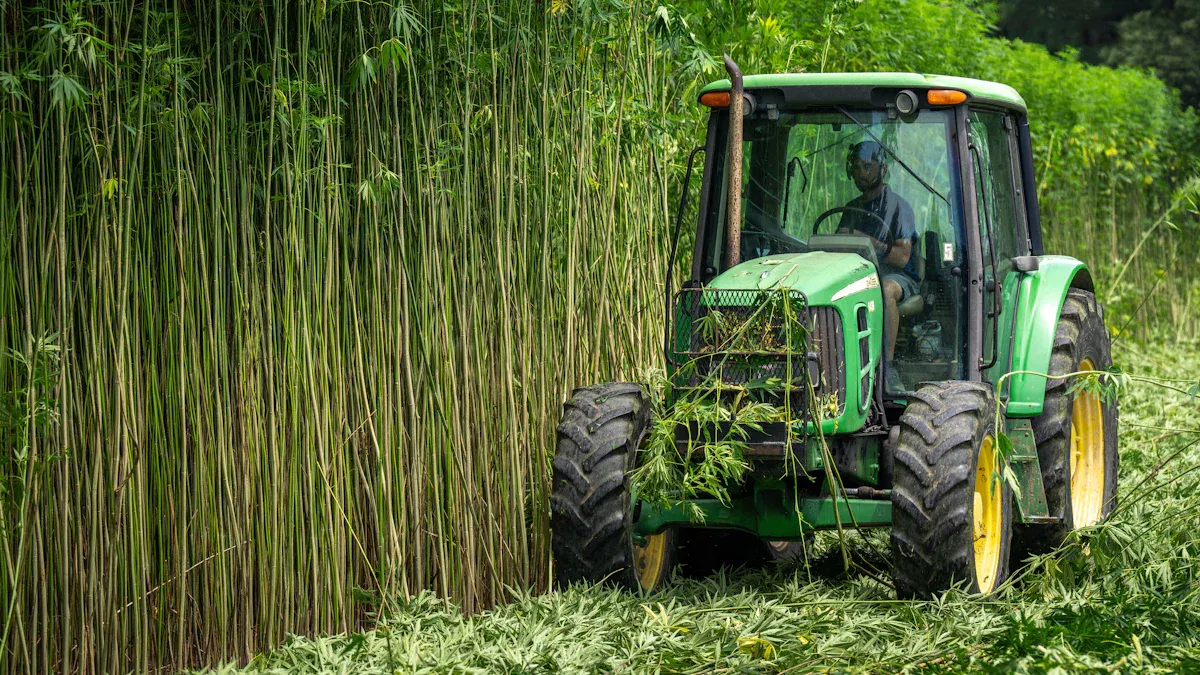
Pre-emergent herbicides play a vital role in your weed control strategy. These herbicides prevent weed seeds from germinating, allowing your plants to thrive without competition. To maximize their effectiveness, you must apply them at the right time.
Application Timing
Timing is crucial when using pre-emergent herbicides. You should apply these products before weeds begin to germinate, which typically occurs when soil temperatures reach around 55°F. This timing usually falls between late February and early April, depending on your region. For example, if you want to control winter annual weeds like chickweed, apply the herbicide in the fall before temperatures drop below 55°F.
Research shows that applying pre-emergent herbicides during cooler temperatures and increased rainfall can significantly reduce weed growth. If you miss this window, you may face challenges controlling early-emerging weeds. Additionally, activating rainfall is essential for these herbicides to work effectively. Without it, the herbicide may not penetrate the soil, leading to potential yield reductions if weeds emerge alongside your crops.
Benefits
Using pre-emergent herbicides offers several advantages:
They minimize pest harborage by reducing shaded, damp spots that attract insects and rodents.
They reduce soil disruption, preventing disturbance of pest eggs or larvae during manual weed removal.
They support lawn density, leading to fewer bare patches where pests can nest.
They improve moisture balance, enhancing drainage and minimizing habitats for mosquitoes and roaches.
These benefits make pre-emergent herbicides a valuable tool in your weed control arsenal.
Drawbacks
Despite their advantages, pre-emergent herbicides have some drawbacks:
Herbicide-resistant weeds can limit your ability to manage fields effectively.
If rain does not occur within a week of application, early-emerging weeds may escape control due to a lack of herbicide activation.
Some herbicides can degrade slowly, leading to long-term exposure for non-target organisms, which may impact beneficial soil microorganisms and wildlife.
Additionally, pre-emergent herbicides can disrupt microbial communities in the soil, leading to fragile soil conditions. Contaminated stormwater runoff can carry residual chemicals into waterways, affecting aquatic life and biodiversity.
Post-Emergent Herbicides
Post-emergent herbicides are essential tools in your weed control strategy. They target weeds that have already sprouted, allowing you to manage existing weed populations effectively. Understanding when to apply these herbicides can significantly enhance their effectiveness.
When to Apply
Timing plays a crucial role in the success of post-emergent herbicides. You should apply these products when weeds are actively growing. Young weeds, typically with 2 to 4 leaves, are the most susceptible to treatment. For winter annuals, apply in the fall and again in spring during their growth phase. Summer annuals should receive treatment in spring when they are young and actively growing. Perennials are most vulnerable during their young stage and during active growth in spring and early summer.
For optimal results, aim to apply herbicides when temperatures range between 65°F and 85°F. Avoid applying on rainy days, as rain can wash away the herbicide before it takes effect.
Effectiveness
Post-emergent herbicides work by disrupting the normal growth processes of weeds. They mimic natural growth-regulating substances called auxins, leading to rapid cell division and elongation in leaf veins. This process causes abnormal leaf shapes and increases the water content in treated plants, making them brittle. As a result, the roots lose their ability to absorb nutrients, and the plant’s metabolic processes shut down, ultimately leading to its death.
Several effective post-emergent herbicides are available for controlling common weed species. Here are some options:
SedgeHammer Plus Herbicide – $18.90
Tenacity Herbicide – On Sale! $59.98 (Was: $66.64)
Drive XLR8 Herbicide Crabgrass Killer – On Sale! $59.98 (Was: $69.98)
Roundup QuikPRO – $89.94
Dismiss Turf Herbicide – $89.98
Blindside Herbicide WDG – $169.00
Ferti-lome Weed-Out Lawn Weed Killer with Trimec – $19.78
3 Way Max Turf and Ornamental Broadleaf Herbicide – $32.98
These herbicides have shown significant effectiveness in reducing total weed biomass compared to untreated areas.
Safety Considerations
When applying post-emergent herbicides, safety should be your top priority. Here are some essential precautions to take:
Wear a gardening hat.
Use rubber gloves.
Protect your eyes with goggles.
Dress in long pants and a long-sleeved shirt.
Choose closed-toe shoes, preferably made of rubber.
Consider wearing a protective face mask and face shield for added safety.
Additionally, keep children and pets away from treated areas until they are completely dry. Always check the label for the recommended reentry time to ensure safety.
Chronic exposure to post-emergent herbicides can lead to health risks, including respiratory issues and neurological disorders. Long-term effects are more pronounced in individuals with prolonged exposure. Therefore, taking these safety measures is crucial for your health and the environment.
Natural Weed Control Solutions

Natural weed control solutions offer effective ways to manage weeds without relying on synthetic chemicals. You can choose from various methods, including cultural practices, organic herbicides, and manual removal.
Cultural Practices
Cultural practices play a significant role in controlling weeds naturally. Here are some effective strategies:
Practice | Description |
|---|---|
Mulching | A method that reduces weed growth by blocking sunlight and retaining moisture, improving soil quality. |
Crop Rotation | Growing different crops in succession disrupts weed life cycles and prevents establishment. |
Dense Planting | Utilizing multi-tiered plantings creates ground cover that suppresses weeds more effectively. |
These practices not only suppress weeds but also enhance soil health and promote biodiversity. For instance, mulching reduces light transmittance, which is crucial for inhibiting the germination of many weed species.
Organic Herbicides
Organic herbicides provide an eco-friendly alternative to synthetic options. They are generally biodegradable and less harmful to beneficial insects and soil microbes. This supports healthier ecosystems. In contrast, synthetic herbicides can persist in the environment, accumulating in soil and water, potentially harming wildlife and ecosystems.
While organic herbicides can be effective, they may require more frequent applications than their synthetic counterparts. You should always read the labels to ensure proper usage and effectiveness.
Manual Removal
Manual removal is another natural method for controlling weeds. This method involves physically pulling weeds out of the ground.
Aspect | Manual Weeding with a Weed Puller | Herbicides |
|---|---|---|
Environmental Impact | Eco-friendly; no pollution or chemical residues. Preserves soil health and local ecosystems. | Causes environmental pollution; chemicals can contaminate soil and water, harming wildlife and beneficial insects. |
Health Risks | Safe for humans, children, and pets; no exposure to harmful chemicals. | Poses health risks due to chemical exposure; potential hazards for family members and pets. |
Cost | Cost-effective; minimal investment in tools like a stand-up weed puller or hand weed tool. | Can be expensive; may require professional application services. |
Manual removal is labor-intensive but effective for small areas. It allows you to target specific weeds without harming surrounding plants.
Comparing Weed Control Strategies
Effectiveness
When you compare the effectiveness of different weed control strategies, you find distinct advantages and limitations. Here’s a summary of recent findings:
Weed Control Strategy | Effectiveness |
|---|---|
Chaff collection, early cut silage, reduced canola in rotation | Effective for managing volunteer canola |
Inclusion of winter annuals and perennials with herbicides | Effective for managing lambsquarters |
Increased seeding rate, diverse crop rotation with herbicides | Ineffective for managing cleavers |
Inclusion of winter annuals and perennials, no in-crop herbicides, chaff collection, increased seeding rate | Effective for managing kochia |
Inclusion of alfalfa in rotation, diversified rotations without herbicides | Effective for managing redroot pigweed |
Winter cereals with poor survival, increased seeding rate alone, diversified spring annual rotation | Ineffective for managing wild oats; however, incorporating alfalfa and competitive winter cereals was effective for wild oats and foxtail species. |
Cost
Cost is another critical factor in your decision-making process. Here are some insights into the long-term maintenance costs associated with each strategy:
LD-HR strategies reduce long-term costs by using less herbicide while effectively managing black-grass densities.
MIT strategies may incur financial disincentives as resistance increases, but can be viable in low-resistance fields.
The trade-off between yield losses and financial viability is significant in fields with high black-grass densities.
Environmental Impact
The environmental impact of your chosen weed control strategy can vary significantly. Here’s a brief overview:
Herbicide Type | Environmental Impact Description |
|---|---|
Pre-emergent & Post-emergent | Effective in managing weeds with associated environmental risks evaluated, showing lower concentrations in soil and water than initial levels. |
Natural solutions tend to promote biodiversity and soil health. A diverse ecosystem can stabilize your garden, making it less vulnerable to pests. For example, a mix of plants can deter insect outbreaks, as predators and parasites thrive in diverse environments.
By choosing sustainable weed management practices, you can prevent herbicide resistance, promote biodiversity, and maintain soil health. Integrated Weed Management (IWM) combines both chemical and organic methods for maximum efficiency and sustainability.
In summary, effective weed control is essential for a healthy garden. You can choose from three main strategies: pre-emergent, post-emergent, and natural solutions. Each method has its benefits and drawbacks.
Pre-emergent herbicides prevent weeds before they sprout.
Post-emergent herbicides tackle existing weeds.
Natural solutions offer eco-friendly alternatives.
Consider your specific circumstances and environmental factors when selecting a strategy. By making informed choices, you can maintain a thriving landscape. 🌱
FAQ
What is a weed control plan?
A weed control plan outlines your strategy for managing weeds in your garden or landscape. It includes methods like pre-emergent and post-emergent herbicides, as well as natural solutions. This plan helps you maintain healthy plants and minimize weed competition.
How often should I apply pre-emergent herbicides?
You should apply pre-emergent herbicides once or twice a year, depending on your region and the types of weeds you face. Timing is crucial, so monitor soil temperatures and apply before weeds germinate for the best results.
Are natural weed control solutions effective?
Yes, natural weed control solutions can be effective. Methods like mulching, crop rotation, and manual removal help suppress weeds without chemicals. While they may require more effort, they promote a healthier ecosystem and reduce chemical exposure.
Can I combine different weed control methods?
Absolutely! Combining different weed control methods often yields the best results. For example, you can use pre-emergent herbicides alongside cultural practices like mulching. This integrated approach enhances effectiveness and minimizes the risk of herbicide resistance.
What should I do if weeds keep returning?
If weeds keep returning, reassess your weed control plan. Ensure you apply herbicides at the right time and consider incorporating natural solutions. Regular maintenance, like manual removal and mulching, can also help prevent weed re-establishment.
