

A bare slope rarely fails because you chose the wrong seed. More often, the problem is a mismatch between the planting method, the soil, and the amount of protection the ground needs during establishment. You may need a cover crop to hold soil temporarily, living ground cover for a softer landscape, or temporary fabric and anchors while vegetation takes root. The right combination depends on your slope, rainfall, soil, and tolerance for hands-on maintenance.
The Main Contenders

Mountain Valley Seed Cover Crop Mix

LLCJYYCY 6-Inch 8-Gauge G-Shaped Landscape Staples, 4.0mm Galvanized, 120 Pack
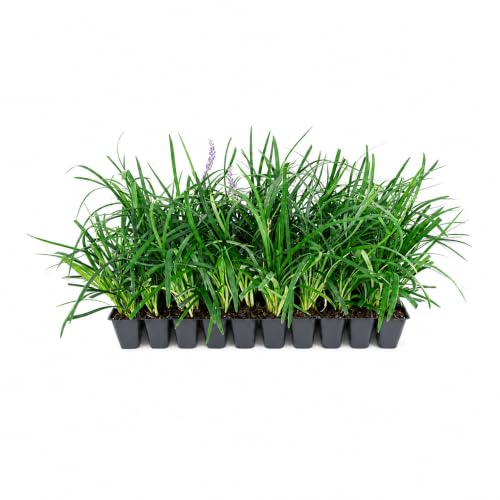
Florida Foliage Super Blue Liriope Muscari Evergreen Ground Cover, 10 Live Plants

Tin Shed Cover Crop Pollinator Mix Seed for Soil Health

Variegated Liriope, 3-Inch Pots, Set of 18

AAYU Burlap Fabric Roll, 40-Inch x 75 Feet for Erosion Control and Weed Barrier
A Breakdown Of The Leading Choices
Mountain Valley Seed Cover Crop Mix is built for exposed soil that needs protection before vegetables or flowers take over. Its nine-seed blend combines legumes, grasses, brassicas, and leafy crops, giving a slope varied root growth rather than one uniform crop. You can broadcast it over prepared soil in spring or fall, then cut, till, or mulch the growth back in.
That versatility makes it useful in raised beds, containers, no-till plots, and larger garden areas. The stated 30-70 day maturity range gives you a useful planning window, while the daikon radish component brings a deeper taproot that can work through compacted ground. For most backyard slopes, the mix offers more soil-building potential than a single-purpose packet.
Bright Spots
- Nine plant types create varied root depths and reduce dependence on one species.
- Legumes contribute nitrogen-fixing root activity, supporting later crops.
- Daikon radish can help break up compacted soil and improve tilth.
- The mix suits spring or fall planting and may overwinter in mild areas.
- Pre-inoculated seed removes the need to add a separate inoculant.
Points To Note
- The labeled seeding rate is 2-4 pounds per 1,000 square feet, so larger slopes need accurate area calculations.
- Some varieties may overwinter in mild climates, making your planting date an important decision.
Quick Facts
Made For
You benefit most from this mix as a gardener building soil in a no-till bed or protecting a moderate slope during seasonal growth.
Consider Something Else When
AAYU Burlap Fabric Roll offers a better fit when you need immediate surface protection before seed can establish.
Fabric can cover bare soil, but loose edges on a slope tend to shift, lift, or pull loose after rain. These LLCJYYCY G-shaped staples give erosion-control fabric, weed barriers, artificial turf, and row covers a firmer connection to the ground. Unlike the seed mix, this item does not create vegetation; it secures the temporary materials that help vegetation establish.
Each stake measures 6 inches and uses 4.0 mm galvanized steel, described as 8 gauge. The single-stake G shape is useful where you need to drive one leg rather than align a two-legged pin, while the pointed tip is designed to pass through fabric and compacted ground. You still need to judge the soil and slope carefully, especially where rocks or roots interfere with placement.
A Favorable Mix
- 4.0 mm steel gives fabric anchoring support in hard or rocky soil.
- The G-shaped profile grips fabric from several directions on uneven ground.
- Galvanized coating resists corrosion from rain, irrigation, and soil moisture.
- The 120-piece pack supports many uses, from row covers to erosion netting.
Trade Offs
- Six-inch stakes need enough soil depth for the pointed section to remain buried.
- Rocky ground may require positioning each stake around obstacles rather than driving straight through.
- Staples secure fabric, but they do not replace the soil retention provided by established plant roots.
Feature Snapshot
Right Fit For
These staples suit you best when a slope needs fabric secured through a long establishment period or under frequent foot traffic.
A Better Fit Elsewhere
Mountain Valley Seed Cover Crop Mix is more suitable when you want roots and soil improvement to become the long-term protection.
Super Blue Liriope Muscari brings a softer finish to a slope than a temporary fabric system. It forms dense clumps of grass-like foliage, which can cover the ground and compete with weeds once you have several plants spread across the area. The ten live plants give you enough material for a grouped planting rather than a single specimen.
Sun or shade tolerance makes this liriope useful on sites with uneven light. Unlike Mountain Valley Seed Cover Crop Mix, which is primarily a temporary soil-building crop, this is a perennial ground cover intended to remain in the landscape. Its purple flower spikes also add seasonal color, though you should check local conditions and mature growth before expecting it to cover a large slope immediately.
Points In Its Favor
- Dense clumping helps fill bare ground and suppress emerging weeds.
- Adaptability to sun or shade broadens the range of usable slope locations.
- Evergreen foliage preserves structure and texture through the year.
Where It May Fall Short
- Ten plants may cover only a modest area at first, particularly on a broad slope.
- Drought tolerance begins after establishment, so newly planted material still needs appropriate watering.
Core Details
Who It Suits Best
This choice works well for you when you want a permanent, low-maintenance ground cover in a shaded or mixed-light slope.
Swap It Out When
Variegated Liriope, 3-Inch Pots, Set of 18 offers a better fit for a larger planting where striped foliage matters more than purple flowers.
Tin Shed Cover Crop Pollinator Mix Seed handles two landscape jobs at once: covering exposed soil and adding flowering plants for pollinators. Its pea, vetch, clover, and oat blend provides a practical choice for gardens, orchards, and small plots where you want more than a utilitarian erosion crop. The legumes contribute to the mix’s nitrogen-fixing purpose, while the flowering species extend food availability for visiting insects.
Where Mountain Valley Seed Cover Crop Mix names nine individual species and gives a 30-70 day maturity range, Tin Shed emphasizes a broader pollinator role. The trade-off is that a multi-species cover crop looks less uniform than a planted ornamental bed. It is most useful where temporary soil protection and habitat planting can share the same space.
Noteworthy Benefits
- Protects exposed soil while building soil through a mixed cover crop.
- Peas, vetch, and clover support the stated nitrogen-fixing function.
- Pollinator-friendly plants add value beyond slope stabilization.
Small Caveats
- The cover crop requires establishment time, so exposed slopes may need temporary protection during the first stage.
- An extended bloom cycle means you need a plan for ending the crop rather than treating it as a permanent flower border.
Built With In Mind
This mix suits you best when a slope borders a pollinator-friendly garden, orchard, or small growing area.
Another Choice May Suit
Mountain Valley Seed Cover Crop Mix offers a better fit when you prioritize a detailed nine-species blend and a stated maturity range over pollinator emphasis.
Variegated Liriope, 3-Inch Pots, Set of 18 is the decorative choice in this group. Green-and-cream striped foliage brings brightness to a border, path, or the upper edge of a slope. The 18 small pots make it easier to distribute plants in a pattern instead of placing one large specimen in a single location.
Compared with Florida Foliage Super Blue Liriope Muscari, this set trades purple flower spikes for variegated leaves. Liriope is suited to sun or shade and grows in clumping form, making it useful when you want consistent texture in a mixed planting. For steep ground, place the plants where you can maintain them during establishment and combine them with a temporary erosion-control layer.
Useful Highlights
- Striped foliage adds visual contrast to green shrubs and perennial borders.
- The set of 18 supports a wider grouped planting across a bed or slope edge.
- Three-inch pots make the plants easier to position individually.
Less Ideal Details
- The small pot size is more convenient for spacing than for instantly covering a large slope.
- Ornamental placement alone may not provide enough immediate protection on bare, steep soil.
The Right Fit
You benefit most from this set when appearance is a priority and you can pair the plants with temporary protection during establishment.
Look Elsewhere When
Florida Foliage Super Blue Liriope Muscari, 10 Live Plants suits you better when purple flower spikes are the main feature you want.
