

A strip of grass creeping over a concrete walk can make the entire yard look untidy. You need a tool that trims the edge without damaging the surface, and your choice depends on whether you prefer a compact hand tool, a cordless machine, or a longer manual edger. These options cover targeted repairs, routine lawn borders, firm garden soil, and underground utility paths.
An Overview Of The Picks

Bon 22-778 Blue Steel Sidewalk Edger with Wood Handle
WORX WG898 Cordless Edger
WORX WG898.9 Cordless Edger

Adnee 2-Set Walkway Tunnel Kit
GlimHirVox Half Moon Edger
Truper 35195 Rotary Lawn Edger, 48-Inch Fiberglass Handle
A Breakdown Of The Leading Choices
A short reach and a manageable head make the Bon 22-778 useful for isolated patches where a full-size edger feels excessive. Its 6-inch by 6-inch blue steel head carries a 1/2-inch radius and a 5/8-inch lip, where the lip is the projecting edge that helps define the cut beside concrete or raised beds.
The wood handle gives this model a traditional, direct feel for quick touch-ups around walks, steps, and flowerbeds. For most small jobs, that compact approach is an advantage, although you may reposition it more often across a long border. The listed package weight of 0.8 pounds also supports easy storage between seasonal cleanups.
What Earns Its Place
- The compact head reaches tight spots without requiring a long operating space.
- The rounded 1/2-inch radius suits softened corners along beds and paths.
- Blue steel provides a substantial alternative to lightweight plastic edging tools.
- The wood-handled format avoids batteries, fuel, and extension cords.
Trade Offs
- A 6-inch head is better for local corrections than for covering an entire property in one pass.
- Store the wooden handle away from prolonged damp conditions to preserve its condition between uses.
Key Product Details
Who It Suits Best
This model suits homeowners with short, scattered edging jobs who value compact storage and direct hand control.
Another Choice May Suit
The Truper 35195 Rotary Lawn Edger is the better fit for long, open borders that benefit from a 48-inch shaft and a wheel-guided cutting head.
Unlike the compact Bon 22-778, the WORX WG898 brings a battery-powered head to larger garden borders. Its brushless motor, 20-volt platform, and 7.1-inch blade give you cord-free movement around driveways, patios, and planting beds, with no fuel system or extension cord to manage.
Depth adjustment sets the cutting height at 1.5, 1.75, or 2 inches. That range lets you match the cut to the edge rather than forcing one setting across every surface, though your soil and root conditions will determine how smoothly the blade tracks.
A Favorable Mix
- Three depth positions offer practical control along different lawn and border heights.
- Brushless construction suits frequent edging without a gasoline engine.
- The cordless format clears garden obstacles and narrow spaces more easily.
Things To Consider
- Confirm that a compatible 20V Power Share battery and charger are already in your possession.
- The 7.1-inch blade focuses on lawn edges rather than dense, woody growth.
- Deeper settings can bite into soft soil, so slow down near exposed roots.
Feature Snapshot
Made For
This cordless edger fits homeowners who want adjustable cutting depth without carrying a cord or operating a gasoline machine.
Reach For A Different Pick When
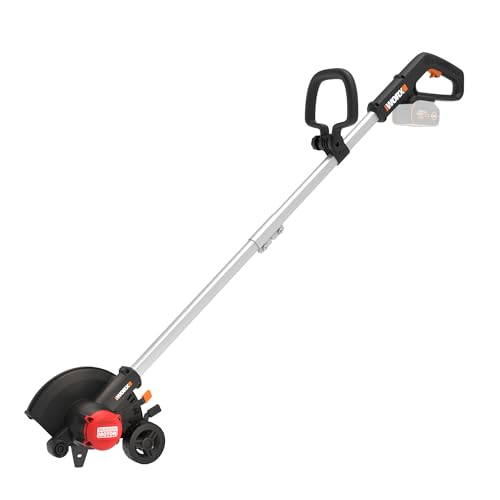
The WORX WG898.9 Cordless Edger may suit you better when a streamlined blade and a stated 4.0 Ah battery runtime figure matter more than three explicit depth positions.
The WG898.9 develops the cordless formula seen in the WG898 with a streamlined blade and an edge guide that helps define your cutting path. That guide is useful beside straight walks, where a wandering blade can leave a ragged border or place grass clippings on the pavement.
Its manufacturer-stated edging distance reaches up to 2,800 feet when paired with a 4.0 Ah Power Share Pro battery. In most residential yards, the larger battery can support fewer charging stops, although actual session length will vary with grass density, cutting depth, and how carefully you follow the border.
Key Advantages
- The edge guide helps maintain a consistent line along sidewalks and patios.
- The streamlined 7-inch blade supports close work around garden borders.
- A high-efficiency brushless motor suits recurring seasonal edging.
- The stated 2,800-foot figure targets extended garden-border sessions.
- You can use the 20V cordless format without fuel or a connected cable.
Worth Noting
- The 2,800-foot estimate depends on the specified 4.0 Ah battery and suitable cutting conditions.
- Its narrow blade remains better suited to edging grass than clearing thick stems.
Built With In Mind
This model fits cordless users with long borders who value guidance and battery capacity more than manual handling.
A Better Fit Elsewhere
The WORX WG898 Cordless Edger is a better fit when three selectable depth positions matter more than the WG898.9’s streamlined-blade and stated battery-runway focus.
Unlike the two WORX trimmers that cut vegetation, the Adnee kit addresses a different problem beneath a walkway. It creates a passage for 3/4-inch PVC pipe, using a concentrated water stream to move soil below paths, patios, and other hard surfaces.
For most DIY irrigation projects, this approach reduces the amount of open trenching around a walkway. The two-piece set also provides components for separate runs, while a water connection and compatible pipe remain essential parts of the setup.
Why It Works Well
- The 3/4-inch connection targets a common PVC pipe size for irrigation and conduit runs.
- The water-driven approach reduces the need to open a trench across a path.
Small Caveats
- This is an underground tunneling accessory rather than a grass-edging tool, and it requires compatible pipe, a water source, and careful utility locating.
Who Will Love This
This kit suits DIY homeowners installing irrigation or conduit beneath walkways where surface disruption needs to stay minimal.
Another Choice May Suit
The Truper 35195 Rotary Lawn Edger is the better choice for trimming grass beside paths, rather than running pipe beneath them.
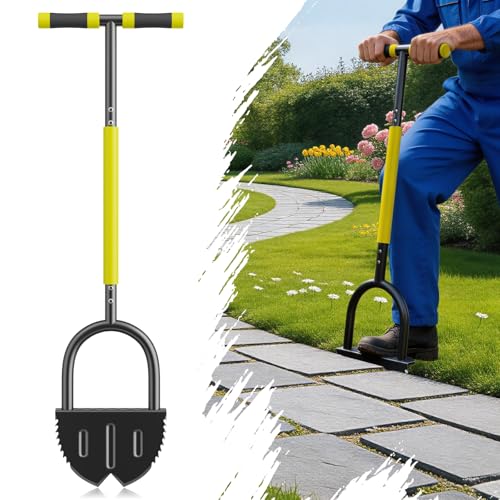
The GlimHirVox takes a different approach from the compact Bon 22-778, combining a 41-inch shaft with a half-moon cutting head. Its double-V saw-tooth blade is designed to bite through firm soil, turf, and grass roots, making it a practical fit for borders that have become dense.
A rubber T-grip supports a two-handed stance, while the foot lever assists with the downward cutting action. Depending on the soil, you may need more than one stroke to sever a stubborn root network, but the longer shaft also provides better leverage than a short hand tool.
Everyday Perks
- The serrated blade profile favors firm ground and rooty lawn edges.
- The 41-inch shaft adds reach and leverage without a motor.
- The T-shaped rubber grip gives your forward hand a cushioned hold.
Practical Considerations
- Manual cutting requires repeated strokes, particularly through dense turf.
- A 41-inch shaft needs room to swing, so confined side yards can feel awkward.
- Keep stones and buried debris away from the serrated cutting face.
Technical Highlights
Who Should Grab It
Gardeners with firm soil, root-filled edges, and a preference for cordless manual chopping will find this design especially relevant.
Swap It Out When
The Bon 22-778 Blue Steel Sidewalk Edger is a better fit for small, isolated corrections where compact handling matters more than long reach.
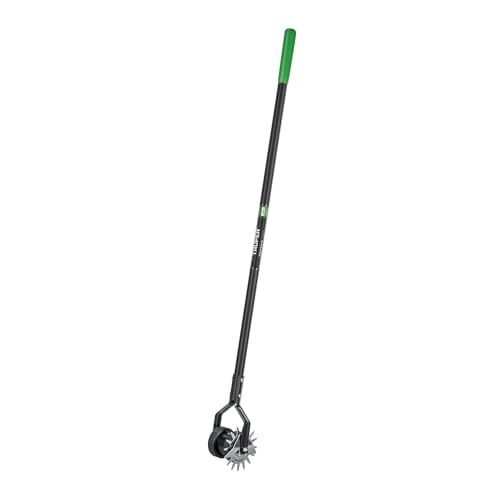
The Truper 35195 provides a steadier alternative to the GlimHirVox’s chopping-style blade. Its rotary head turns as you push, while two support wheels help guide the cutting path along sidewalks, driveways, and garden beds.
The 48-inch fiberglass handle adds reach and leverage without introducing a battery or fuel system. A textured, non-slip grip supports control during repeated passes, making this design practical for an open lawn with long, accessible borders.
Standout Benefits
- The dual-wheel layout helps produce a straighter cutting line.
- Rotary blade action suits routine trimming along multiple hard borders.
- The 48-inch fiberglass shaft improves reach while keeping the tool manual.
- The textured grip helps maintain a secure hold during forward movement.
Possible Compromises
- Rotary cutting still depends on repeated passes, especially through thick growth.
- The long handle takes more room to store and maneuver than a compact edger.
Feature Facts
The Right Fit
This edger suits homeowners with open yards who prefer a stable, wheel-guided manual tool for long borders.
Where A Sibling Pick Shines
The GlimHirVox Half Moon Edger is a better fit for firm, rooty ground where a serrated chopping blade and shorter shaft suit your working space.
What Matters Before You Buy A Sidewalk Edger
Match The Cutting Method
Rotary edgers roll along the border, while half-moon and square-head tools cut downward like a small spade. Rotary designs suit longer, relatively open paths because the wheels help guide the head. Chopping-style tools make more sense for compact beds, firm soil, and edges containing roots.
Power Source and Control
Manual tools need no battery or fuel, but they depend on your arm strength and repeated strokes. Cordless models add adjustable cutting depth and easier movement around obstacles, while their battery and charger requirements deserve a separate check. The Adnee tunnel kit serves a different purpose: creating a pipe route beneath hard surfaces rather than trimming grass.
Blade Size And Storage
A small head offers precision in confined areas but covers long borders more slowly. A wider blade or longer shaft improves reach and can make straight runs smoother. Account for turning room, storage length, and the amount of swept space beside each path before choosing the size.
Before You Make The Purchase
Mistakes Worth Dodging
Do not confuse trimming a grass edge with installing a pipe beneath a path; the Adnee kit serves the latter task. Check the connection requirements, battery platform, and available cutting depth before buying. Measure the working area too, since a long handle can be awkward around tight corners.
The Upgrade Payoff
A higher-tier cordless edger may add a guide, streamlined blade, or greater battery capacity. Those features help during longer sessions, but a compact manual tool can handle occasional cleanups at a lower complexity. Pay extra for added control and capacity only when your property genuinely needs them.
Frequently Asked Questions
Are manual sidewalk edgers enough for most lawns?
Yes, a manual edger can handle routine grass cleanup along walks and garden beds. You will need repeated strokes for dense growth or embedded roots.
Is a cordless edger better than a manual one?
A cordless edger reduces physical effort and offers more precise depth control. A manual model is simpler and avoids battery management.
What blade size works for a narrow path?
A smaller blade gives you more control in confined areas. A wider blade may cover open borders more quickly.
How do I keep an edger from damaging a sidewalk?
Keep the guide or wheel against the edge while the blade remains below the grass line. Move slowly near exposed roots and hard surfaces.
Can a walkway tunnel kit replace a lawn edger?
No, a tunnel kit creates a passage for pipe beneath a path. You still need an edger to trim grass along the walkway.
Final Verdict
The Bon 22-778 handles focused repairs, while the two WORX models suit cordless border work. The Adnee kit solves an underground installation problem, the GlimHirVox brings leverage to firm soil, and the Truper 35195 keeps long manual edging steady. Match the cutting method and reach to your yard rather than choosing by appearance alone.
