

A spring garden can look beautiful while offering little to bees, so the useful question is what blooms, where, and for how long. Whether you maintain a large yard, a community garden, or a compact city plot, you need plants suited to local conditions and insects active throughout the season. These picks range from a showy allium bulb to region-specific bee and plant references, helping you move from a single attractive bloom to a more useful habitat plan.
Your Options, Compared

CZ Grain Purple Sensation Bulbs

Heather Holm Bees Guide

Douglas W. Tallamy Bringing Nature Home
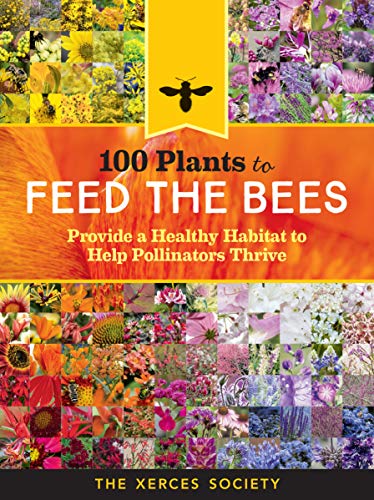
Xerces Society 100 Plants to Feed the Bees

Reader’s Digest North American Wildlife
Xerces Society 100 Plants to Feed the Monarch
A Deeper Look At The Lineup
A group of purple alliums can turn a low mixed border into a much stronger vertical display. The globe-shaped flower heads form from clusters of tiny star-shaped florets, creating dense purple spheres on stems that commonly reach 24 to 36 inches. For a walk, this gives you a long-lasting focal point without demanding much ground space.
These bulbs also provide a distinct spring planting option alongside the broader habitat references later in the lineup. The stems work as fresh or dried cut flowers, while the open bloom can attract bees and other visiting pollinators. The catch is seasonal: the display centers on late spring, and you need to let the foliage yellow naturally after flowering before removing it.
Benefits That Matter
- Tall flower heads add structure above shorter perennials.
- Purple blooms provide clear color from a compact planting area.
- Long stems suit borders, pathways, and seasonal arrangements.
- The mature bulbs offer reserves for seasonal root and foliage growth.
Trade Offs
- Planting bulbs for a specific open flower display does not provide season-long forage.
- Full sun and loose, well-drained soil are important before you place them 4 to 6 inches deep.
Key Specs
Who It Suits Best
This choice suits gardeners who want a dramatic spring display and can provide a sunny, well-drained planting site.
Consider Something Else When
Choose Xerces Society 100 Plants to Feed the Bees instead when you need a broader, multi-season plant selection rather than one showy bulb.
Unlike a book devoted to one decorative genus, Heather Holm Bees Guide connects bee identification with the plants that support them. Its coverage includes north-central and eastern United States and southern Canada, giving you regional context for the insects appearing around flowers, fields, and gardens.
For a serious planting project, the profiles offer a useful level of detail. Twenty-seven bee genera receive full treatment, with 12 uncommon genera summarized, and approximately 100 native trees, shrubs, and perennials receive coverage for the Midwest, Great Lakes, and Northeast. In our view, that combination makes this the most research-oriented option here, especially when you want to understand why a particular plant matters.
Bright Spots
- Combines bee identification with native forage choices.
- Explains habitat, diet, foraging, nesting, and seasonal activity.
- Connects bee profiles with relevant plants and crops.
- Includes insect and bird visitation details for plant entries.
- Covers a clearly defined group of North American regions.
Worth Noting
- The regional emphasis means the guide may offer less direct guidance outside its listed areas.
- Its detailed profiles demand more attention than a simple plant list, which may suit experienced planners better than complete beginners.
Feature Snapshot
Built With In Mind
This reference fits gardeners, naturalists, and habitat planners who want regional bee profiles connected to a specific native-plant palette.
Another Choice May Suit
Reader’s Digest North American Wildlife is a broader alternative for people who want plants and animals covered in one illustrated reference.
Heather Holm Bees Guide takes a close look at particular bee groups, while Douglas W. Tallamy Bringing Nature Home works from a wider habitat perspective. Its focus is sustaining wildlife with native plants, which makes it relevant when your goal extends beyond bees to the larger community visiting a yard or garden.
The updated and expanded edition also suits gardeners who want their planting choices to serve several purposes. You can approach the book as a source of ideas for reshaping an ornamental space around vegetation suited to local wildlife. The honest read is that this is the broader planning option, whereas the bee identification guide offers more detail for recognizing particular pollinators and their forage.
Positive Takeaways
- Frames native plants as tools for supporting wildlife habitat.
- Broadens the goal beyond bees and butterfly food plants.
- Offers a practical way to rethink existing ornamental plantings.
- The expanded edition provides room for a wider treatment of the subject.
Practical Considerations
- A broad wildlife focus may feel less focused than a dedicated bee-and-forage reference.
- Your planting decisions still need to account for local climate, soil, sunlight, and plant availability.
The Right Fit
This book is a practical match for gardeners who want to build a wildlife-oriented landscape rather than focus on a single pollinator group.
Swap It Out When
Heather Holm Bees Guide is the better fit when detailed bee profiles and regional forage associations are your main priorities.
Where Douglas W. Tallamy Bringing Nature Home establishes a broad native-plant framework, Xerces Society 100 Plants to Feed the Bees narrows the focus to a practical plant count. A list of 100 options gives you room to move beyond a single flower and compare choices by bloom period, garden form, and the needs of different bee groups.
That makes this the most approachable option for someone beginning a bee-friendly garden. You can use the plant count as a starting point, then narrow the selection for your region, available space, and soil conditions. It does not replace a regional reference, but it gives you a clearer action list than a general wildlife book alone.
Everyday Wins
- Provides a concrete list of 100 bee-supporting plants.
- Keeps the subject focused on bees and pollinator habitat.
- Gives new gardeners a more direct starting point than a broad ecology text.
- Supports selection across multiple kinds of garden plantings.
Things To Consider
- A plant list still needs to be filtered for your local climate and growing conditions.
- You may want another reference for detailed bee identification after the planting plan is underway.
Made For
This choice is made for beginning gardeners who want a clear, bee-focused plant list that can be adapted to their own space.
Reach For A Different Pick When
Choose Heather Holm Bees Guide instead when you need detailed bee profiles and specific regional forage information alongside plant recommendations.
Bee-focused references narrow the subject, while Reader’s Digest North American Wildlife widens the view considerably. This illustrated guide covers 2,000 plants and animals, making it useful when you want to understand the larger community surrounding a pollinator planting rather than bees alone.
The trade-off is focus. A broad illustrated reference can help you build context and recognize familiar North American species, but it may not provide the same depth for bee identification or regional forage relationships. For a family garden or a mixed-interest library, the wider coverage may make this the more useful shelf addition.
Where It Delivers
- Covers plants and animals within one illustrated reference.
- Includes 2,000 North American subjects for broad reference.
- Supports learning that extends beyond a bee-focused planting project.
- Offers a more varied format for families and mixed-interest collections.
Less Ideal Details
- The broad scope provides less depth on bee-specific forage than Heather Holm Bees Guide.
- For a focused planting project, the title promises more subject coverage than any single garden plan may require.
Core Details
Made For
This reference suits families, nature enthusiasts, and gardeners who want one illustrated book spanning many forms of North American wildlife.
Where A Sibling Pick Shines
Heather Holm Bees Guide is the stronger choice for an in-depth bee reference with direct links between pollinator profiles and native forage plants.
