

A garden bed rarely fails because you chose the wrong vegetable. More often, the soil cannot hold enough air, release water properly, or provide a steady supply of nutrients. The right growing medium helps roots spread, drainage, and steady root access to water and nutrients.
These picks cover several situations: building heavy clay, filling compact pots, starting seedlings, and feeding plants after planting. Two options are fertilizers rather than complete soil, so their role is narrower. Match the product to the job your bed actually needs.
The Picks In Brief

Coast of Maine Bumper Crop Soil Builder

Organic Plant Magic Compressed Coir Potting Soil, Expands 4x
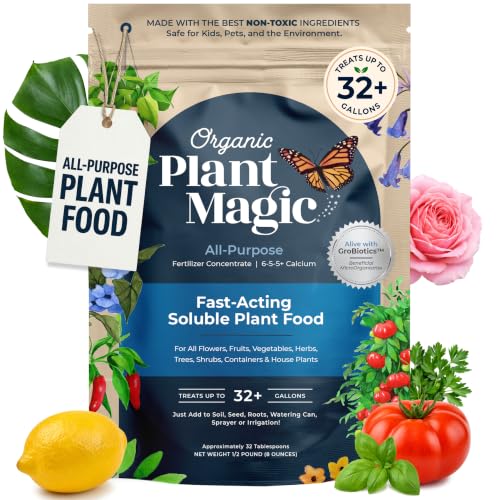
Organic Plant Magic Plant Food, 1/2 lb

Organic Plant Magic Slow-Release Granular Fertilizer, 4 lb Bag
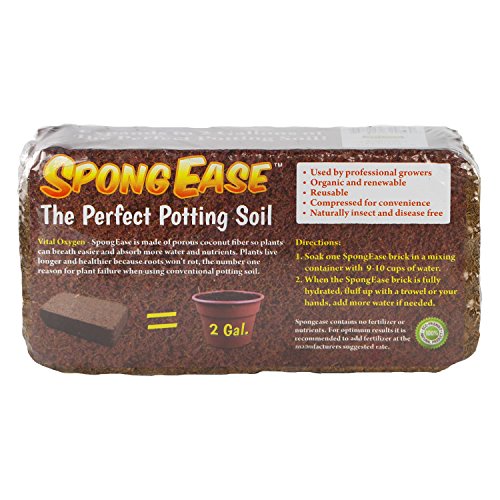
SPONGEASE Pro Coco Coir Brick, 2 Gallons
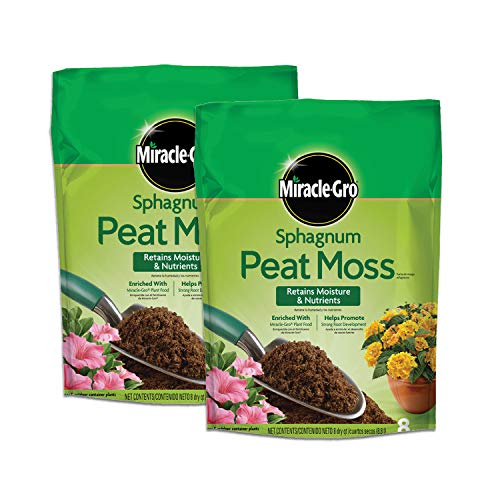
Miracle-Gro Sphagnum Peat Moss
A Deeper Look At The Lineup
Clay soil can make a raised bed feel dense and slow to drain, especially after repeated watering. Coast of Maine Bumper Crop Soil Builder is designed as an organic amendment, meaning it is mixed into existing soil rather than used as the entire planting medium.
For a vegetable bed or flower border, its blend of compost, sphagnum peat moss, aged bark, and lobster and crab shell meal gives the soil a broader mixture of organic material. Mycorrhizal fungi included in the formula support root function, which may be particularly useful in a newly prepared bed.
Key Advantages
- The amendment helps loosen dense clay, improving the bed before vegetables and flowers go in.
- Lobster compost adds organic material to soil that may otherwise compact readily.
- Mycorrhizal fungi support the development and functioning of plant roots.
- One cubic foot provides a manageable amount for amending a defined bed area.
Points To Note
- This is a soil amendment, not a complete soil for filling an empty container.
- The one-cubic-foot package may require several units for a large garden bed.
Feature Snapshot
Built With In Mind
Vegetable growers and flower gardeners working with compacted clay benefit most from this targeted soil-building approach.
A Better Fit Elsewhere
SPONGEASE Pro Coco Coir Brick suits container gardeners who need a peat-free potting medium rather than an amendment for in-ground clay.
Storage space becomes the deciding factor for apartment growers, balcony gardeners, and anyone carrying soil from a closet to a potting bench. This compressed potting soil combines coconut coir with worm castings and expands as much as four times after water is added, producing as much as three gallons of growing medium.
That makes it a practical choice for filling several containers without hauling bulky loose soil. The concentrated formula also includes more than 55 trace minerals, while the resealable package helps protect unused material between planting sessions.
Practical Pluses
- Compressed granules keep unused soil compact and easier to store.
- Water expands the material into as much as three gallons of potting mix.
- Coir and worm castings provide a useful base for indoor and outdoor containers.
- The resealable bag makes repeated potting sessions more practical.
Trade Offs
- Expansion requires planning for the water and mixing space needed.
- The compact format offers less volume per package than a loose bag of soil.
Quick Facts
Right Fit For
Small-space gardeners and container growers benefit most from the compact package and expandable volume.
Look Elsewhere When
Coast of Maine Bumper Crop Soil Builder makes more sense for improving an established in-ground bed with heavy clay.
Good soil can still support plants that need supplemental feeding during active growth. Organic Plant Magic Plant Food is a water-soluble concentrate, meaning it dissolves into irrigation water and can serve vegetables, flowers, herbs, fruit plants, trees, shrubs, and houseplants.
One half-pound package makes more than 32 gallons of liquid plant food, which works well for a household tending many containers or a garden maintained on a regular schedule. The honest distinction is that this product feeds plants; it does not replace the physical growing medium they need.
Everyday Wins
- The water-soluble format works with regular watering routines.
- One package can produce more than 32 gallons of diluted plant food.
- A broad plant range makes the concentrate useful indoors and outdoors.
- The small package is easier to store than a large granular fertilizer container.
Minor Gripes
- Mixing and dilution are required before application.
- It cannot replace soil, compost, or a suitable potting medium.
Who It Suits Best
Houseplant owners and mixed-plot gardeners benefit most from one plant food covering numerous edible and ornamental plants.
Another Choice May Suit
Organic Plant Magic Slow-Release Granular Fertilizer offers a dry top-dressing approach for gardeners who prefer not to mix liquid feed.
Spreading fertilizer by hand around vegetables, flowers, fruit trees, and shrubs keeps feeding separate from watering. These slow-release granules can be placed in planting holes, mixed with soil, or applied as a top dressing, giving you several ways to introduce them around a garden.
The four-pound package suits an established mixed bed rather than a single windowsill pot. Compared with the water-soluble Organic Plant Magic Plant Food, this option avoids mixing a liquid feed, although granular feeding still requires you to place it where roots can reach it.
Well-Handled Touches
- Granules work through planting holes, soil mixing, and top-dressing.
- Slow-release feeding suits gardeners who prefer a less frequent application method.
- The formula covers vegetables, flowers, fruit trees, shrubs, and houseplants.
- A four-pound package covers more ground than the half-pound liquid concentrate.
Possible Compromises
- Granules must remain close enough to roots for plants to use them.
- Keeping granules evenly distributed takes care around dense planting.
Feature Breakdown
Made For
Gardeners managing a varied outdoor bed benefit most from the flexible application methods and broad plant coverage.
Reach For A Different Pick When
Organic Plant Magic Plant Food suits indoor gardeners who already have a suitable growing medium and prefer adding nutrition through watering.
Container gardening becomes less forgiving when a potting mix stays saturated or collapses into a dense mass. SPONGEASE Pro Coco Coir Brick uses coconut coir fibers, which absorb water while retaining air spaces around the roots. Each 650-gram brick expands into roughly two gallons of potting soil.
That balance matters for seedlings, cuttings, and container-grown plants whose roots need both moisture and oxygen. The coir is peat-free and renewable, and its natural fibers support drainage through pot openings. It still requires supplemental plant nutrients suited to the particular crop.
Notable Gains
- Coir absorbs water while leaving air around roots.
- Drainage through pot holes helps reduce waterlogged root conditions.
- One brick expands into about two gallons of potting medium.
- The peat-free coir base suits gardeners avoiding conventional peat moss.
Small Caveats
- Plant-specific nutrients must be added according to crop requirements.
- Coir should remain moist rather than sitting in a soggy state.
Whose Shelf It Belongs On
Balcony growers, indoor plant keepers, and propagation-focused gardeners benefit most from the drainage-focused coir medium.
Where A Sibling Pick Shines
Miracle-Gro Sphagnum Peat Moss is a better fit for retaining moisture in a heavy bed mix where moisture retention matters more than a peat-free base.
