

A Chicago garden needs flowers that can handle cold winters, shifting soil moisture, and a growing season that often starts reluctantly. The right perennial gives you color in spring, pollinators during summer, and a reason to leave the seed heads standing for wildlife. These six options cover everything from compact containers to larger Midwest-style meadows, with planting times and establishment periods worth comparing before you sow.
The Lineup, Simplified

Seed Needs Dwarf Pink Alyssum
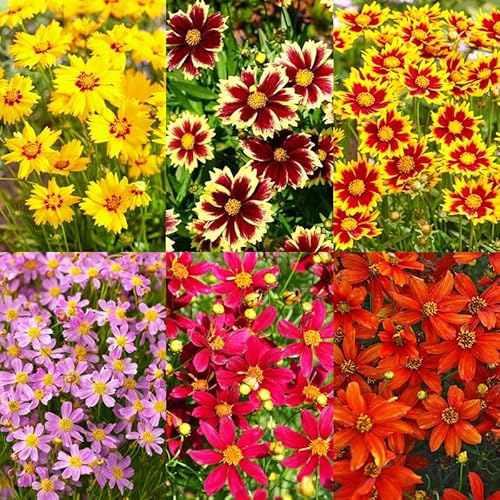
Carpet Creeping 200+ Coreopsis Plains Flower Seeds

Generic 400+ Black Eyed Susan Perennial Seeds

Generic Annual and Perennial Native Wildflower Mix, 1/4 lb

Paper Street Perennials Wisconsin Annual and Perennial Wildflower Mix, 1/4 lb

BuggyBeds 285+ Echinacea Coneflower Native Wildflower Seeds
A Breakdown Of The Leading Choices
Dwarf pink alyssum answers a familiar container problem: the space is attractive but too small for upright perennials. This variety stays about 2 to 4 inches high and spreads roughly 10 inches, creating a low carpet around pots, window boxes, bed edges, and borders. For most urban patios, that restrained habit is more useful than a taller plant that would hide the container.
The quarter-inch blossoms gather in clusters and can continue through summer into autumn, with flowers that draw honeybees and bumblebees. That extended flowering window is useful for a small space, although the plant’s low temperature tolerance around 50 degrees means you should treat Chicago winter survival as a site-specific consideration rather than a guarantee. The packet includes sowing guidance and uses moisture-resistant packaging, which helps during storage.
Standout Benefits
- The 2-to-4-inch height makes the flowers easy to combine with taller plants without hiding their bases.
- A spread of about 10 inches creates a spreading carpet without the height of conventional border flowers.
- Small clustered blooms provide color across summer and into the cooler autumn months.
- Honeybees and bumblebees gain a nectar-bearing flower source during the growing season.
- The 3.5-by-5-inch packet includes an illustration and detailed sowing information on the reverse.
Things To Consider
- Low autumn temperature tolerance is not the same as dependable year-round survival in every Chicago location.
- Seeds left for another season need cool, dry storage, so keep the packet sealed and away from moisture.
Quick Facts
Made For
You benefit most from this packet when you have sunny containers, window boxes, or narrow borders and need a low, flower-dense groundcover.
Consider Something Else When
Paper Street Perennials Wisconsin Annual and Perennial Wildflower Mix, 1/4 lb suits you better when you want a larger, Midwest-focused meadow rather than one compact species.
Coreopsis brings a different kind of utility to a Chicago perennial bed. This 200-plus-seed packet concentrates on one recognizable perennial, giving you a straightforward way to create a sunny border, fill a container, or begin a small meadow without sorting through numerous species. The packet is particularly approachable for someone starting perennial flowers from seed for the first time.
Its reported flowering period stretches from spring through fall, so the color can continue beyond a brief early-season display. Drought tolerance becomes useful during dry summer stretches after the plants are established, while the bright blooms attract bees, butterflies, and other pollinators. Compared with the low, single-purpose carpet of Seed Needs Dwarf Pink Alyssum, this packet centers on a taller-style border presence and a longer flowering window.
Useful Strengths
- A 200-plus seed count supports several planting areas or repeated sowing attempts.
- The extended spring-to-fall flowering period provides color across much of the growing season.
- Dry-condition tolerance reduces the watering burden once plants have become established.
Worth Noting
- Give the perennial time to establish before judging its drought tolerance in a new bed.
- A single-species packet creates a more uniform planting than a mixed meadow, so plan the site carefully.
Who It Suits Best
You benefit most from this Coreopsis packet when you want a straightforward perennial for sunny borders, containers, or a small wildlife-friendly patch with a long bloom season.
Another Choice May Suit
Seed Needs Dwarf Pink Alyssum is the better fit for compact pots and window boxes where its 2-to-4-inch height is more useful than a full border display.
Black-eyed Susan gives you a bold, recognizable focal point for sunny beds and wildflower-style borders. The yellow flowers with dark centers stand out clearly against green foliage, while the 400-plus seed count makes the packet practical for a generous planting. That makes it easier to imagine this option filling a broad garden area rather than producing only a token cluster.
The stated USDA zone range of 3 through 9 covers much of northern Illinois, giving you a useful regional reference before committing space. You can sow in early spring or fall by scattering the seeds over prepared soil and pressing them lightly into the surface. Bees and butterflies visit the flowers, and established plants tolerate dry conditions with less watering. Like Carpet Creeping 200+ Coreopsis Plains Flower Seeds, it offers a long seasonal presence, but this packet adds a clearly defined zone range.
The Case For It
- The 400-plus seed count suits broad beds, meadow planting, and generous spacing.
- Yellow blooms with dark centers create strong visual contrast in sunny borders.
- The stated USDA 3-to-9 range includes much of the Chicago area.
- Early-spring or fall sowing gives you flexibility in your planting schedule.
- Established plants need minimal watering during dry periods.
Small Caveats
- Moisture is needed during germination, even though mature plants tolerate dry conditions.
- Full sun and well-drained soil are important because waterlogged ground is unsuitable.
Feature Snapshot
Right Fit For
This packet fits you best when you want abundant, high-contrast flowers across a sunny bed or meadow and have a location within USDA zones 3 through 9.
Swap It Out When
Seed Needs Dwarf Pink Alyssum suits you better for a container rim, window box, or other small space needing a low groundcover.
A broad native wildflower mix solves a different problem from the single-species packets: it builds a layered habitat instead of one repeated flower. This quarter-pound blend includes annual and perennial North American native wildflowers for cottage borders, meadow areas, and naturalistic landscapes. The variety supports a longer sequence of blooms and gives the planting a more varied structure as different species emerge at different times.
Bees, butterflies, hummingbirds, and other beneficial insects can use the nectar and pollen, while mature seed heads provide food for native birds. Compared with Generic 400+ Black Eyed Susan Perennial Seeds, the composition is less predictable in appearance but more complex as habitat. The mix is also a practical choice for vegetable gardens because the broader flowering group can support more types of visiting pollinators.
Where It Helps
- A blend of annuals and perennials creates varied bloom heights and a multi-season display.
- North American native species support bees, butterflies, hummingbirds, and beneficial insects.
- Leaving seed heads in place extends the habitat value for native birds.
- The quarter-pound size suits cottage gardens, meadow borders, and larger naturalized areas.
Details To Watch
- The exact blend can change with seed availability, so future packets may not present an identical combination.
- A diverse mix does not provide the uniform color and predictable structure of a single-species packet.
At A Glance
Built With In Mind
This mix suits you when your goal is a diverse pollinator habitat, cottage-style border, or self-sustaining meadow rather than one repeated flower.
Reach For A Different Pick When
Paper Street Perennials Wisconsin Annual and Perennial Wildflower Mix, 1/4 lb serves you better when Midwest-specific selection and seed-only meadow planting are your priorities.
For a larger planting, regional selection matters. This Wisconsin mix contains 16 annual and perennial species chosen for Midwestern conditions, which gives you a more direct fit than a broadly described North American blend. The quarter-pound packet covers up to 500 square feet when the soil is properly prepared, so it can turn an open yard edge or meadow corner into a substantial planting.
Unlike Generic Annual and Perennial Native Wildflower Mix, 1/4 lb, this product contains wildflower seed without grass or low-cost filler seed. That makes it appealing for habitat planting, field borders, and wildlife areas where you want the planting to remain flower-focused. Planting can occur in spring, early summer, or fall, while the annual and perennial combination produces color from more than one life-cycle group.
The Practical Payoff
- Sixteen selected species provide a varied Midwest meadow rather than a single-flower display.
- The mix contains wildflower seed only, with no grass or inexpensive filler seed.
- One quarter-pound packet covers up to 500 square feet of prepared ground.
- Spring, early-summer, and fall planting windows accommodate different schedules.
- Annual and perennial species create color while the longer-term planting develops.
Practical Considerations
- Some annual flowers may bloom in the first season, while many perennials devote early growth to stronger roots.
- The stated coverage depends on proper soil preparation and planting conditions.
Who Will Love This
You benefit most from this Wisconsin mix when converting a 500-square-foot area into a Midwest wildflower meadow, habitat border, or field-edge planting.
Where Another Pick Shines
Generic Annual and Perennial Native Wildflower Mix, 1/4 lb may suit you better when you prefer a broadly described North American blend with bird-supporting seed heads.
Coneflower gives you a concentrated perennial display without turning the bed into a single-species patchwork. This 285-seed packet is intended for gardens, meadows, and naturalized landscapes, with native coneflower varieties chosen for pollinator value. Bees and butterflies benefit from the flowers, while the perennial habit lets the planting return in later growing seasons as its roots become established.
Once established, the plants tolerate dry conditions and need less attention during hot summers or limited rainfall. That makes the packet useful for a naturalistic border where you want strong structure without constant watering. Compared with Paper Street Perennials Wisconsin Annual and Perennial Wildflower Mix, 1/4 lb, this option concentrates on a recognizable perennial family rather than creating a varied meadow. That narrower focus suits a bed where you want a coherent coneflower planting.
Everyday Advantages
- The 285-seed count supports a meaningful planting across beds, meadows, or naturalized areas.
- Perennial growth returns each season, with stronger root systems developing over time.
- Dry-condition tolerance reduces watering needs after establishment.
- Native coneflower varieties provide nectar for bees and butterflies.
- The plants can fit natural gardens, wildlife habitats, and mixed perennial borders.
Less Ideal Details
- A single-perennial packet will not create the varied structure of a broad wildflower mix.
- Allow time for newly sown seeds to establish before expecting the mature drought tolerance.
Key Product Details
The Right Fit
You benefit most from this packet when you want a focused native coneflower planting for a sunny natural garden, meadow, or mixed border.
Look Elsewhere When
Generic Annual and Perennial Native Wildflower Mix, 1/4 lb fits you better when you want a varied North American blend instead of a concentrated coneflower display.
Choosing Plants That Can Handle Chicago
Match the perennial to your local zone
Start with the USDA hardiness zone for your exact location, since conditions can change across Chicago and nearby suburbs. Black-eyed Susan provides a clear zone 3-to-9 range, while the other listings require you to evaluate the plant’s stated cold tolerance and growing habits against your site. A perennial that survives one mild winter may still struggle through repeated freeze-thaw cycles and poorly drained soil.
Separate annual color from returning perennials
Several mixes combine annuals with perennials, so first-season flowers can create an established appearance before the perennial plants return strongly. That difference matters when you want immediate impact, a long-term meadow, or both. A focused packet such as BuggyBeds 285+ Echinacea Coneflower Native Wildflower Seeds gives you a more uniform planting plan.
Plan for sun, soil, and space
Full sun and free drainage are sensible starting points for the sun-loving options in this roundup, but your site still determines the result. The compact alyssum is suited to containers and narrow borders, while the two quarter-pound mixes make more sense for prepared meadow ground. Avoid treating dense, waterlogged soil as a substitute for choosing plants that match your conditions.
Avoiding Common Garden Seed Mistakes
Wrong Turns To Avoid
A common mistake is choosing by flower color alone and ignoring the plant’s mature habit. Another is assuming every plant in a mixed packet blooms at the same time. Check spacing, sunlight, drainage, and whether you value immediate annual flowers or returning perennials before sowing.
What Separates Premium From Basic
A regional mix or a focused species packet may cost more because it offers more deliberate selection. The added value is worth it when the regional fit, seed composition, or coverage matches your planting plan; otherwise, a broader mix may be the more practical choice.
Frequently Asked Questions
Which perennial seed option is best for Chicago?
Black-eyed Susan offers the clearest stated regional range, covering USDA zones 3 through 9 that include much of northern Illinois. The Wisconsin wildflower mix also makes sense for a larger Midwest-style planting.
When should you plant perennial seeds in Chicago?
Planting options in this roundup include early spring, early summer, and fall. Prepare the soil, sow at the appropriate time, and keep newly seeded areas moist during germination.
Can I grow these perennials in containers?
Dwarf pink alyssum is the strongest container choice because it stays 2 to 4 inches tall and spreads about 10 inches. Larger borders or meadow mixtures need considerably more room.
Should I choose one flower species or a wildflower mix?
A single species gives you a more uniform and predictable display. A mix offers broader heights, bloom timing, and habitat value, which can be better for wildlife-oriented planting.
Do all wildflower mix seeds bloom in the first year?
No. Annual species can provide first-season color, while many perennial species spend early growth developing roots before flowering more strongly in later seasons.
Final Verdict
Your best choice depends on the space and the result you want: compact color favors Seed Needs Dwarf Pink Alyssum, sunny borders fit Coreopsis or Black-eyed Susan, and larger habitat plantings point toward the two wildflower mixes. Coneflower offers a focused perennial option for natural gardens. Match the packet to your sunlight, soil, and desired scale, then give perennial flowers time to establish.
