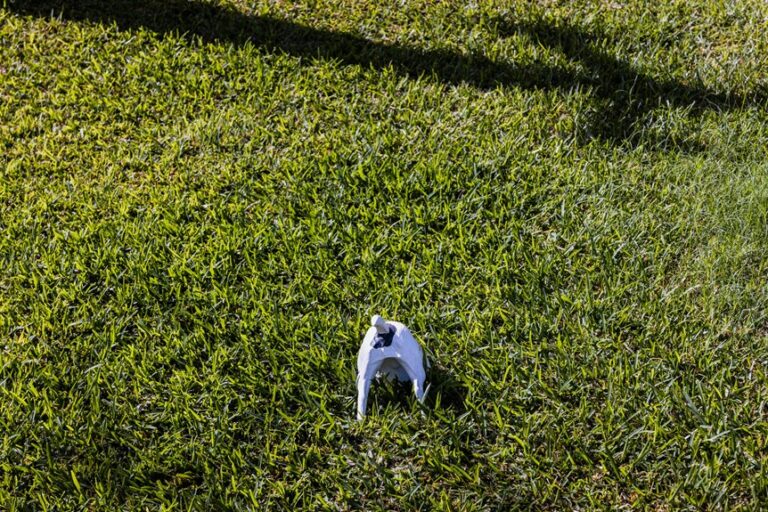

Yes, you can grow grass in shade with the right approach. Pick a shade-tolerant grass, trim back trees where possible, and help more light reach the lawn. Keep the soil loose, avoid too much water, and mow a little higher than usual. A few small changes can turn a thin, patchy area into healthy green turf.
Check Whether Your Shade Can Support Grass
Before you plant, assess how much irradiance the site actually receives across a full day. Your sunlight assessment should track direct insolation, dappled exposure, and reflected light from morning through late afternoon. Most shade-tolerant turf needs 3 to 4 hours of direct sun or 4 to 6 hours of filtered light to maintain photosynthetic function and carbohydrate reserves.
You’ll get the clearest read from observing shade density beneath trees, beside fences, and near structures. Fine-textured canopies may permit usable photon flux, while dense evergreen cover often suppresses turf vigor. If the area receives virtually no sunlight, establishment becomes biologically improbable.
You’re not failing if a site can’t support grass; you’re learning what the terrain can realistically sustain, and that knowledge helps you garden with confidence and community-minded care.
Choose the Best Grass Seed for Shade
You’ll get better turf establishment when you choose a cultivar with documented shade tolerance and match it to your regional climate.
In northern sites, fine fescue blends perform well under reduced irradiance, while in southern lawns, St. Augustine, zoysia, or centipede fit shaded warm-season conditions more reliably.
Provided your lawn receives no meaningful sunlight, though, you shouldn’t expect consistent grass vigor from any seed mix.
Shade-Tolerant Seed Varieties
Several shade-tolerant grasses can establish well provided your site receives at least 3 to 4 hours of direct sun or 4 to 6 hours of dappled light each day. When you choose among proven shade varieties, prioritize species with efficient photosynthetic performance under reduced irradiance. Fine fescues, including creeping red, chewings, and hard fescue, perform reliably and function as low maintenance seed with modest fertility requirements.
If you want dependable density in filtered light, use fine-fescue-dominant blends; they germinate and persist where broadleaf canopies limit photon flux. Sheamaster II mixtures also suit sites receiving six hours or less sunlight. In warmer lawns, St. Augustine shows strong shade adaptation, while zoysia tolerates intermittent canopy cover. Where pine litter acidifies soil, centipede grass remains a practical, community-trusted choice for establishment.
Match Seed To Climate
Because shade tolerance varies by species and region, you should match seed to both your climate zone and the light pattern on site. In northern lawns, fine fescue blends usually perform best under 3 to 4 hours of direct sun or dappled exposure, with lower nitrogen demand and reliable persistence.
In southern terrains, you’ll get stronger establishment from warm-season taxa such as St. Augustine, zoysia, or centipede, especially where acidic soils or intermittent shade prevail. Assess irradiance across the full day prior to choosing seed, since sites with virtually no sunlight rarely support dense turf.
Your seasonal timing matters too: sow cool-season grasses in fall, while warm-season grasses establish best in early spring. If you align species physiology with local conditions, you give your shaded lawn the same resilient foundation successful growers count on yearly.
Improve Shaded Soil Before Planting
Before you sow shade-tolerant turf, improve the root zone so seedlings can access oxygen, moisture, and nutrients despite low light and tree competition. Start with soil aeration in compacted zones, especially beneath tree drip lines where porosity declines. Incorporate organic matter into the top 2–4 inches to increase aggregation, infiltration, and cation exchange. Prioritize leaf removal and clear pine needles; accumulated litter blocks light, intercepts irrigation, and can shift surface acidity.
| Task | Benefit |
|---|---|
| Aerate damp soil | Improves gas exchange |
| Add compost | Improves structure |
| Remove litter | Reduces surface barriers |
You’ll create conditions your grass community can actually use. Rake the loosened profile smooth, then inspect for weeds; persistent bare soil often signals unresolved shade stress, root competition, or drainage limitations requiring correction initially.
Seed Shaded Areas for Better Germination
When you seed shaded areas, choose a shade-adapted blend matched to your climate and actual light exposure, then place seed into a finely raked, loosened surface for uniform soil contact and faster imbibition. Use fine fescues where you get at least three hours of sun or bright indirect light; in warmer regions, select St. Augustine, zoysia, or centipede suited to localized shade physiology.
Align seed germination timing with species biology: cool-season fescues establish best in initial fall, while warm-season grasses respond in spring.
During shaded lawn overseeding, distribute seed evenly so emerging coleoptiles aren’t crowded and seedlings can intercept limited photons efficiently.
You’ll get stronger establishment provided that you earliest remove leaf litter, reduce canopy density where possible, and sow only where your site meets minimum irradiance requirements for turf persistence.
Water Shaded Grass the Right Amount
You should irrigate shaded turf less often than full-sun areas, but apply enough moisture to support steady root establishment and offset tree competition. Don’t overwater, because low evapotranspiration in shade can keep the rhizosphere saturated and restrict oxygen availability to roots.
Check soil moisture before each watering so you maintain evenly moist, not waterlogged, conditions.
Shade Watering Frequency
Generally, shaded turf needs a different irrigation schedule than grass in full sun because reduced light slows evaporation while nearby trees intensify root-zone competition for water. To maintain moisture balance, you should monitor the upper soil profile and irrigate according to turf response, not habit.
- Water newly seeded shade lawns lightly once or twice daily until seedlings are mowable and roots begin anchoring.
- Shift established turf to deeper, less frequent applications, adjusting your watering schedule whenever tree canopies intercept rainfall.
- Check soil moisture at 2 to 4 inches deep; should it feel dry, irrigate before leaf blades lose turgor.
You’re not alone in this process; every shaded lawn asks for observation. With consistent timing, your grass can sustain root development, chlorophyll function, and steady canopy density in challenging shade conditions.
Avoid Overwatering Roots
Because shaded soil loses moisture more slowly than sun-exposed turf, overwatering can deprive grass roots of oxygen, weaken root development, and encourage disease pressure. In low-light turf, reduced evapotranspiration means you should irrigate conservatively, especially where canopy cover limits airflow and slows surface drying.
To protect root health, apply water deeply but less often, allowing the rhizosphere to reoxygenate between irrigation events. This practice supports stronger rooting depth rather than shallow, stress-prone growth. You’ll also preserve drainage balance, which helps prevent saturated pore space, algal film, and opportunistic fungal pathogens.
Around trees, competition can complicate irrigation, but excess water still harms shaded turf more than it helps. Whenever you manage moisture with precision, you give your shade-tolerant grass the stable conditions our lawn-growing community values most for long-term vigor.
Check Soil Moisture
How can you tell whether shaded turf actually needs irrigation? In low-light sites, evapotranspiration slows, so your lawn stays hydrated longer than sunny areas. To keep your community-worthy stand vigorous, inspect the rootzone before watering, not just the leaf blades.
- Press a screwdriver or soil probe 3 inches deep; should it enters easily and emerges cool, irrigation can wait.
- Squeeze a small soil sample. It should feel slightly moist, never slick or crumbly, maintaining proper wetness balance for root respiration.
- Use drainage testing after rain or irrigation. Whenever water lingers or the profile smells anaerobic, reduce frequency and improve aeration.
You’ll help shaded grasses establish deeper roots by watering deeply, then pausing until the upper soil begins drying. Around trees, check more often because roots compete aggressively for moisture.
Mow Higher and Reduce Stress in Shade
While shaded turf receives less irradiance, you can improve vigor through mowing at a higher setting to increase leaf surface area for photosynthesis and support deeper root development.
In low-light sites, your canopy needs more blade tissue to sustain carbohydrate production, so don’t scalp it. These mowing height benefits help your lawn community maintain density, resilience, and stronger rhizosphere function under tree competition.
Use sharp mower blades and remove no more than one-third of the leaf blade per cut. That practice limits wounding, conserves stored energy, and supports steady regrowth.
Pair higher mowing with proven stress reduction techniques: reduce traffic, avoid mowing during heat or drought, and keep fertility moderate, especially nitrogen. In shade, restrained inputs and gentler handling help your turf persist with less physiological strain.
Repair Bare Spots and Weak Grass in Shade
If bare spots persist in shade, start with confirming the site gets at least 3 to 4 hours of direct sun or 4 to 6 hours of dappled light, since turf establishment declines sharply below that threshold.
- Rake out senescent blades, leaf litter, and surface roots, then loosen the top 2 to 4 inches to improve seed-soil contact and rhizosphere aeration.
- Overseed with shade-adapted fine fescues, or use regionally appropriate cultivars, then apply a low-nitrogen, phosphorus-supportive starter fertilizer for lawn patch recovery.
- Keep the seedbed consistently moist until seedlings are mowable, and irrigate more around trees because competition reduces available water.
These spot repair strategies help your shaded lawn knit together. You’ll strengthen weak turf, support root establishment, and create a stand your scenery community can count on.
Frequently Asked Questions
Can Pets Damage Newly Established Shade Grass?
Yes, pets can damage newly established shade grass by crushing crowns, loosening young roots, and adding urine stress. Protect new growth by restricting foot traffic, maintaining consistent soil moisture, and guiding pet activity to another area until the turf is fully established.
How Long Should I Wait Before Walking on New Grass?
Hold off until the grass stays put when you give it a light tug and it has been mowed two or three times. Walking on it too soon can flatten tender seedlings before roots take hold. In most cases, that means waiting about four to six weeks, depending on how quickly the seed sprouts, how wet the soil stays, and how well the roots develop.
Will Shaded Grass Attract More Moss or Pests?
Yes, shaded turf is more likely to develop moss and certain pest problems if light levels stay low, drainage is poor, and the grass is weak. To reduce moss and limit pest activity, improve air movement by thinning tree cover, relieve soil compaction with aeration, water thoroughly but not too often, keep mowing height slightly taller, and avoid applying too much nitrogen.
Can I Mix Grass With Shade-Loving Ground Covers?
Yes, you can combine turf with shade tolerant ground covers when both need similar light and moisture levels. Choosing compatible plants supports healthier mixed shade plantings, limits root competition, and creates a stronger, more unified understory.
How Do I Protect Shade Grass During Winter?
During winter, protect shade grass by keeping the mowing height slightly taller, watering when the soil becomes dry, and adding a thin layer of mulch to reduce frost stress. These steps help shield the crowns and roots and support stronger growth when spring returns.