


NPK ratios represent the balance of nitrogen (N), phosphorus (P), and potassium (K) in lawn fertilizers, which is essential for any Lawn Fertilizer Guide. These nutrients play vital roles in plant health. For example, nitrogen promotes lush growth, phosphorus supports root development, and potassium enhances overall resilience. Understanding these ratios helps you create a successful fertilization plan, leading to a healthier lawn.
Tip: Use balanced N-P-K fertilizers for optimal results.
Key Takeaways
NPK ratios show the balance of nitrogen, phosphorus, and potassium in fertilizers. Understanding these ratios helps you choose the right fertilizer for your lawn.
Conduct a soil test to determine your lawn’s nutrient needs. This ensures you select a fertilizer that addresses specific deficiencies for optimal growth.
Apply fertilizer at the right time for your grass type. Cool-season grasses need fertilization in early spring and fall, while warm-season grasses thrive with late spring applications.
Understanding N-P-K
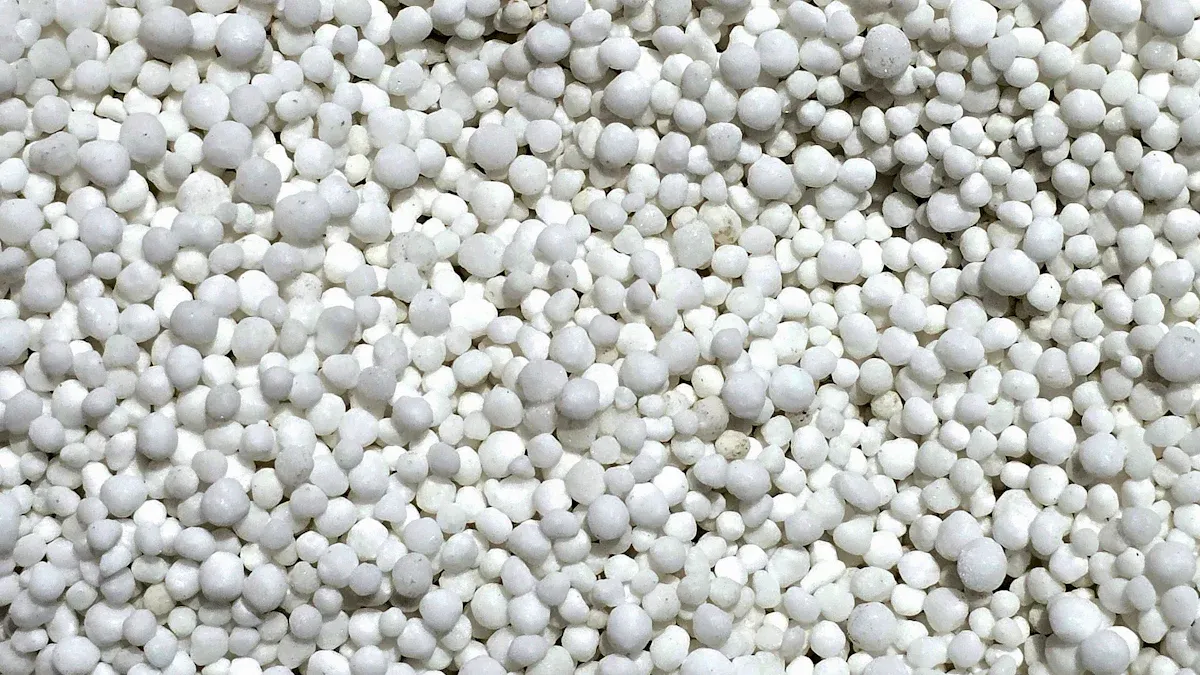
The Role of Each Nutrient
In lawn care, each nutrient in the N-P-K ratio plays a unique and vital role. Understanding these roles helps you choose the right lawn fertilizer for your specific needs.
Nitrogen (N): This nutrient is crucial for promoting healthy growth. It stimulates shoot growth, aiding in spring green-up and helping your grass recover from environmental stresses. Nitrogen also aids in chlorophyll creation, which is responsible for the green pigment in grass and photosynthesis. Additionally, it sustains plant health by manufacturing amino acids, essential for protein synthesis. Lastly, nitrogen assists in producing genetic material, which is necessary for plant growth and reproduction.
Phosphorus (P): Phosphorus is essential for root development. It plays a crucial role in cell division and the synthesis of plant compounds. Here’s a quick overview of phosphorus’s contributions:
Aspect
Details
Nutrient Role
Phosphorus is one of three primary nutrients essential for turfgrass.
Importance in Development
Crucial for rooting, seedling development, cell division, and synthesis of plant compounds.
Availability
Exists as H2PO4- and HPO42- and is mobile within the plant.
Phosphorus deficiencies can manifest during early seedling stages, leading to symptoms like purple or red leaf blades and reduced growth.
Potassium (K): Potassium enhances your lawn’s resistance to diseases, drought, and harsh weather conditions. It strengthens plant cell walls, contributing to improved disease resistance. Potassium also aids in stress management, helping your lawn withstand environmental stresses.
Importance of N-P-K Ratios
Understanding N-P-K ratios is crucial for maintaining a healthy lawn. The three numbers on fertilizer packaging indicate the levels of nitrogen, phosphorus, and potassium. For example, a fertilizer labeled 10-10-10 contains equal parts of each nutrient.
Using balanced N-P-K ratios is essential for different grass species. Here’s a quick reference:
NPK Ratio | Application |
|---|---|
5-5-5 | General gardening, suitable for flowers, vegetables, and lawns. |
10-10-10 | Maintenance fertilization for consistent nutrient levels. |
15-15-15 | Balanced nutrition for a variety of plants. |
Using incorrect N-P-K ratios can lead to weak grass that is more vulnerable to diseases and drought stress. For instance, high nitrogen and potassium but low phosphorus can cause increased erosion, patchy grass, and susceptibility to pests.
By understanding N-P-K ratios and their importance, you can make informed decisions about your lawn fertilizer, ensuring your grass thrives.
Choosing the Right Lawn Fertilizer
Interpreting N-P-K Ratios
When selecting a lawn fertilizer, understanding N-P-K ratios is essential. These ratios indicate the percentage of nitrogen, phosphorus, and potassium in the fertilizer. For example, a fertilizer labeled 10-5-10 contains 10% nitrogen, 5% phosphorus, and 10% potassium. Each nutrient plays a unique role in promoting healthy grass growth.
To choose the right fertilizer, consider the specific needs of your lawn. Here are some common N-P-K ratios and their applications:
NPK Ratio | Application Timing |
|---|---|
4:1:2 | Heavy Fall |
3:1:2 | Heavy Fall |
These ratios help you determine the best fertilizer for your grass type and seasonal needs. For instance, cool-season grasses often require higher nitrogen levels, while warm-season grasses thrive with lower nitrogen concentrations.
Recommended Ratios for Lawns
Selecting the right N-P-K ratio depends on your lawn’s specific needs. Conducting a soil test is the first step. This test reveals nutrient levels and pH, guiding your fertilizer choice. Here’s how to conduct a soil test effectively:
Collect a composite sample from your lawn by taking 20 sub-samples. This improves accuracy.
Use proper sampling techniques, such as:
Random soil sampling, which targets mid-slopes and avoids problem areas.
Zone or topographic sampling, which considers soil differences and topography.
Benchmark sampling, focusing on small, representative areas.
Grid or systematic sampling, which follows an organized pattern.
The ideal sampling time is just before seeding or in early spring. Recommended sampling depths include zero to 15 cm for immobile nutrients.
Once you have your soil test results, you can match fertilizers to your lawn’s needs. Here’s how:
Understand the difference between available nutrients and total nutrients in the soil.
Use fertilizers that correct nutrient deficiencies over time. Avoid trying to fix everything in one application.
Monitor progress through follow-up soil tests to ensure your lawn remains healthy.
For example, if your soil test indicates low nitrogen and phosphorus levels, choose a fertilizer with higher concentrations of these nutrients. This targeted approach ensures your lawn receives the necessary nutrients for optimal growth.
Tip: Always read the instructions on your fertilizer package. Proper application timing and methods can prevent over-fertilizing, which can harm your lawn.
By understanding N-P-K ratios and conducting soil tests, you can select the right lawn fertilizer. This knowledge leads to healthier grass and a thriving lawn.
Application Techniques

Timing and Frequency
Timing your fertilizer applications is crucial for achieving healthy grass. Different grass types require specific fertilization schedules. For cool-season grasses, apply fertilizer in early spring (March–April) and again in early fall (September–November). Warm-season grasses benefit from fertilization in late spring (May–June) and early fall (September).
Grass Type | Fertilization Timing | Optimal Temperature | Frequency of Application |
|---|---|---|---|
Cool-Season Grasses | Early spring and fall | 60°F – 75°F | Twice a year |
Warm-Season Grasses | Late spring and early fall | Around 80°F | Once in late spring |
Best Practices for Application
To ensure effective fertilization, follow these best practices:
Prepare Your Lawn: Water your lawn a few days before applying fertilizer. This helps nutrients absorb better.
Mow Beforehand: Mow your grass one to two days prior to fertilization. This allows for even coverage.
Use the Right Method: Choose an application method that suits your lawn. Here are some effective methods:
Method
Fertilizer Type
Best For
Broadcasting
Granular
Established lawns, large areas
Banding
Granular
Gardens, new lawns, targeted feeding
Aerator Application
Granular
Compacted lawn soil
Follow Manufacturer Guidelines: Set your spreader according to the instructions. This prevents over-fertilizing, which can harm your lawn.
Clean Up Spills: If fertilizer spills on hard surfaces, clean it up immediately to prevent runoff.
By following these practices, you can optimize your fertilization efforts and maintain a lush, healthy lawn.
Understanding NPK ratios is vital for maintaining a healthy lawn. Balanced fertilizers, like 20-10-10, provide essential nutrients for growth and resilience. Proper application methods, such as using slow-release fertilizers, enhance nutrient absorption and minimize environmental impact. By following these guidelines, you can achieve a thriving lawn.
Tip: Always consider your lawn’s specific needs when selecting fertilizers.
FAQ
What does NPK stand for?
NPK stands for nitrogen (N), phosphorus (P), and potassium (K). These nutrients are essential for healthy lawn growth.
How often should I fertilize my lawn?
You should fertilize your lawn two to four times a year, depending on grass type and local climate conditions.
Can I apply fertilizer during drought?
Avoid fertilizing during drought conditions. Fertilizer can stress your lawn further when it lacks adequate moisture.