

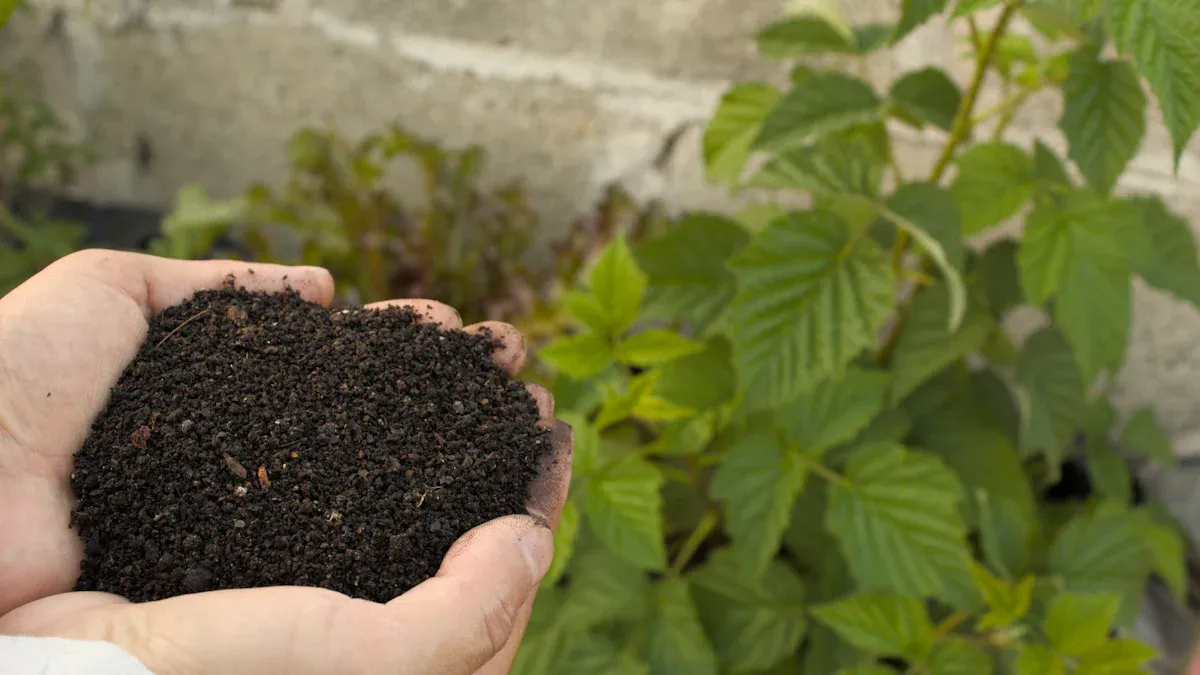
Fertilizer Basics play a crucial role in enhancing plant growth. They provide essential nutrients that plants need to thrive. You might think organic fertilizers are entirely chemical-free, but that’s a misconception. They contain natural chemical compounds that nourish your plants. Similarly, some believe organic fertilizers are less effective than synthetic ones. In reality, while organic options release nutrients slowly, they can significantly improve soil health over time. Understanding Fertilizer Basics has led to a remarkable 50% increase in crop yields, especially in cereals and oilseeds. Knowing these differences helps you make informed choices for your garden.
Fertilizer Basics: Essential Nutrients
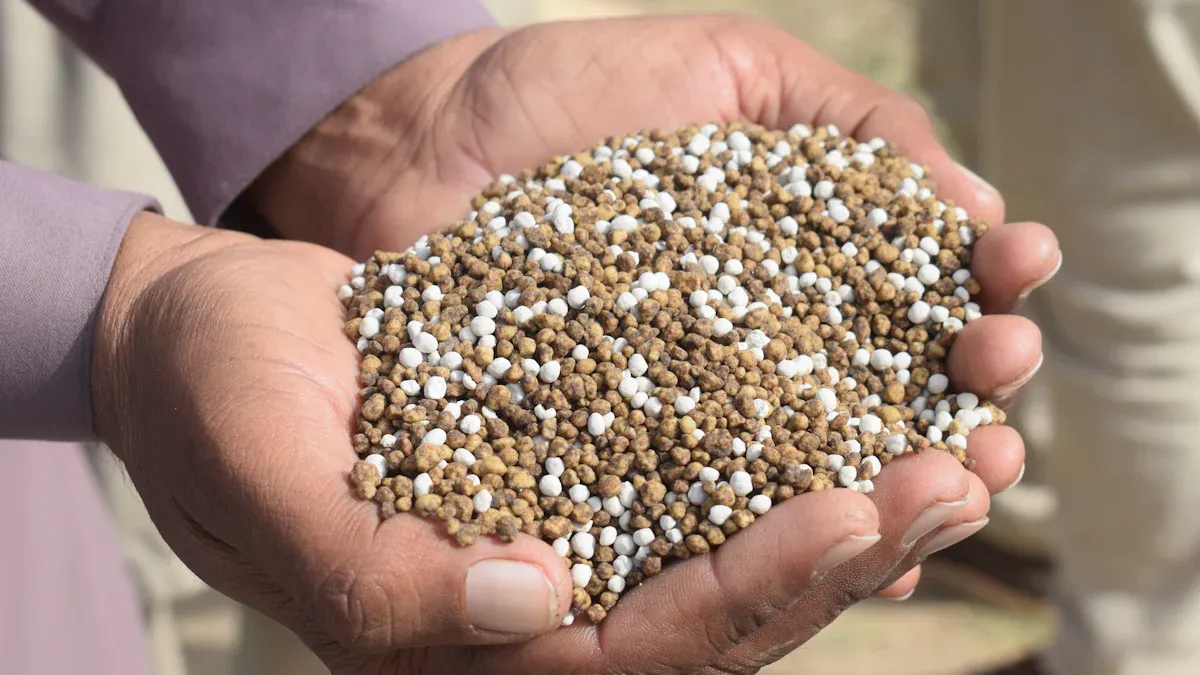
Plants require a variety of nutrients to grow strong and healthy. These nutrients fall into two main categories: macronutrients and micronutrients.
Macronutrients
Macronutrients are the primary nutrients that plants need in large amounts. The three key macronutrients are:
Nitrogen (N): This nutrient is essential for leaf development. It promotes green, leafy growth and helps plants utilize other nutrients effectively.
Phosphorus (P): Crucial for root growth and flowering, phosphorus plays a vital role in energy transfer within the plant.
Potassium (K): Important for overall plant health, potassium helps regulate water uptake and movement, enhancing the plant’s resilience.
These macronutrients are typically found in fertilizers in significant concentrations. For example, a balanced fertilizer might contain around 13 pounds of each macronutrient per 100 pounds of the product. This balance supports robust plant development and maximizes nutrient availability.
Micronutrients
While plants need macronutrients in large quantities, they also require micronutrients in smaller amounts. These include:
Iron: Essential for chlorophyll formation, iron deficiency can lead to yellowing leaves.
Zinc: Important for growth and metabolism, zinc deficiency can cause smaller leaves and stunted growth.
Manganese: This nutrient helps with photosynthesis and can affect overall plant size if deficient.
Micronutrients, though needed in smaller quantities, are just as critical for plant health. A deficiency in any of these can lead to significant growth issues and reduced yields.
Understanding both macronutrients and micronutrients is vital for effective fertilization. By ensuring your plants receive a balanced mix of these nutrients, you can promote healthy growth and improve your garden’s productivity.
Fertilizer Types: Organic vs Synthetic

When choosing between organic and synthetic fertilizers, you should consider their unique characteristics and how they affect your plants and soil.
Organic Fertilizer
Organic fertilizers come from natural sources. They include materials like animal manure, plant residues, and minerals. Here are some common sources of organic fertilizers:
Animal sources: Manures from dairy, poultry, and meat-producing animals provide essential nutrients.
Plant sources: Compost and crop residues enrich the soil and improve fertility.
Minerals: Peat and treated sewage sludge also contribute to organic fertilizers.
Organic fertilizers release nutrients slowly, which benefits soil health over time. They enhance microbial activity and improve soil structure. Research shows that using organic fertilizers can lead to better soil health and increased microbial diversity. This is crucial for maintaining a thriving ecosystem in your garden.
Synthetic Fertilizer
Synthetic fertilizers, on the other hand, are chemically manufactured. They contain concentrated nutrients that plants can absorb quickly. Some common types of synthetic fertilizers include:
Ammonium sulfate (21% N, plus sulfur)
Calcium nitrate (15% N, plus calcium)
Muriate of potash (0-0-60)
Potassium nitrate (13-0-44)
Urea (46-0-0)
These fertilizers provide immediate nutrient availability, which can lead to rapid plant growth. However, they may also cause environmental issues. Over-reliance on synthetic fertilizers can degrade soil health and disrupt microbial communities.
Key Differences
The differences between organic and synthetic fertilizers are significant. Here’s a comparison of their nutrient concentrations and costs:
Feature | Organic fertilizers | Synthetic fertilizers |
|---|---|---|
Nutrient concentration | Lower concentrations, thus greater amounts must be used | Higher concentrations, thus smaller amounts can be used |
Cost per pound of nitrogen | Generally higher, e.g., Alaska fish fertilizer costs $74 | Generally lower, e.g., Miracle-Gro costs $63 |
While organic fertilizers may require larger quantities to achieve the same nutrient levels, they contribute positively to long-term soil health. In contrast, synthetic fertilizers can provide quick results but may lead to soil degradation and other environmental issues.
How to Apply Fertilizers
Applying fertilizers correctly is essential for maximizing their benefits. You can enhance plant growth and soil health by following proper application techniques and conducting soil tests.
Application Techniques
Different fertilizers require specific application methods. Here are some effective techniques for both liquid and granular fertilizers:
Fertilizer Type | Application Method | Description |
|---|---|---|
Liquid | Foliar application | Spraying liquid fertilizers directly onto leaves for quick nutrient absorption. |
Liquid | Irrigation application | Mixing liquid fertilizer with irrigation water for even distribution to the root zone. |
Liquid | Soil application | Applying liquid fertilizer to the soil surface for root absorption. |
Liquid | Banding/side-dressing | Applying liquid fertilizer in bands along crop rows for concentrated nutrient delivery. |
Granular | Broadcasting | Spreading granular fertilizer over a field for even coverage. |
Granular | Banding | Placing granular fertilizer in a band near the seed or root zone. |
Granular | Side-dressing | Applying granular fertilizer alongside growing plants for targeted nutrient delivery. |
Granular | Top-dressing | Applying granular fertilizer on the soil surface around established crops. |
Granular | Fertigation | Dissolving granular fertilizers in water and applying through irrigation systems. |
Timing and frequency of fertilizer application also play a crucial role. For optimal results, apply fertilizers during key growth stages. For example, fruit-bearing plants benefit from nitrogen-rich fertilizers early in the season to promote leafy growth. As plants approach flowering, switch to a balanced NPK fertilizer to support fruit development. This approach ensures that nutrients align with the plant’s needs, enhancing growth and minimizing waste.
Soil Testing
Conducting soil tests before applying fertilizers is vital for effective fertilization. Here are some best practices for soil testing:
Timing: Conduct soil tests after harvest and before fall fertilizer applications to assess nutrient depletion accurately.
Sampling Techniques: Use a zig-zag pattern for sampling to ensure a representative nutrient profile, avoiding special problem areas.
Essential Tools: Utilize a clean bucket and a soil probe made of plastic or stainless steel to prevent contamination.
Soil test results guide your fertilizer selection and application rates. Following standard soil testing procedures ensures accurate recommendations based on local research. Understanding the relationship between soil nutrient levels and crop yield helps you apply fertilizers responsibly. This balance promotes profitability while minimizing environmental impact.
By applying fertilizers at the right times and using proper techniques, you can significantly improve your plants’ health and productivity. Remember, effective fertilizing in the home garden starts with understanding your soil and plant needs.
Tips for Effective Fertilization
Understanding Plant Needs
To maximize the effectiveness of your fertilization efforts, you must understand the specific needs of your plants. Different crops require different nutrients at various growth stages. For example, leafy greens thrive with a nitrogen-rich fertilizer, while flowering plants benefit from higher phosphorus levels. Here’s a quick reference table to help you choose the right NPK ratio for your crops:
Crop Type | Recommended NPK Ratio |
|---|---|
Leafy Greens | 20-10-10 |
Flowering Plants | 10-20-20 |
Follow these steps to ensure you meet your plants’ nutrient needs:
Conduct soil tests to assess nutrient levels and pH balance.
Identify specific nutrient requirements of crops at different growth stages.
Select the appropriate fertilizer type based on crop needs.
Determine the most effective application method.
Monitor crop performance and adjust your fertilization strategy as needed.
Understanding that plant nutrient requirements change as they grow is crucial. Apply fertilizer during periods of highest demand to reduce runoff and prevent nutrient deficiencies.
Long-term Soil Health
Maintaining long-term soil health is essential for sustainable gardening. Over-reliance on synthetic fertilizers can lead to several negative effects, such as reduced microbial diversity and disrupted soil structure. Here’s a summary of some long-term effects of repeated fertilizer use:
Effect | Description |
|---|---|
Decline in Soil Organic Matter | Long-term reliance on inorganic fertilizers decreases soil organic matter, crucial for soil health. |
Disruption of Soil Structure | Repeated use of chemical fertilizers can disrupt natural soil structure, affecting its ability to retain water and nutrients. |
Decreased Nutrient Use Efficiency | Continuous application of chemical fertilizers can reduce nutrient uptake efficiency by plants. |
Acidification and Nutrient Leaching | Long-term fertilizer use can cause soil acidification and increase the risk of nutrient leaching. |
Opting for organic fertilizers can enhance soil fertility and structure over time. They feed soil microbes, improving nutrient availability and supporting robust root development. This approach promotes long-term soil health, biodiversity, and overall sustainability.
By understanding your plants’ needs and prioritizing long-term soil health, you can create a thriving garden that benefits both your plants and the environment.
Choosing between organic and synthetic fertilizers involves understanding their key differences. Organic fertilizers release nutrients slowly, enhancing soil health and supporting beneficial microbes. They promote a sustainable gardening approach but may take longer to show results. In contrast, synthetic fertilizers provide immediate nutrient availability, leading to rapid plant growth. However, excessive use can harm soil health and create nutrient imbalances.
When selecting a fertilizer, consider your plants’ specific needs, your gardening philosophy, and the long-term health of your soil. A balanced approach, combining both types, can yield the best results for your garden.
Remember, healthy plants thrive in healthy soil!
FAQ
What is the best time to apply fertilizer?
You should apply fertilizer during key growth stages. For most plants, early spring is ideal for nitrogen-rich fertilizers. As plants flower, switch to balanced NPK fertilizers to support fruit and flower development.
How often should I fertilize my plants?
Fertilization frequency depends on plant type and growth stage. Generally, you can fertilize every 4-6 weeks during the growing season. Always follow specific recommendations for your plants.
Can I use both organic and synthetic fertilizers together?
Yes, you can combine organic and synthetic fertilizers. This approach allows you to benefit from the quick nutrient availability of synthetic options while improving soil health with organic fertilizers.
How do I know if my plants need fertilizer?
Signs of nutrient deficiency include yellowing leaves, stunted growth, and poor flowering. Conducting soil tests can also help you determine nutrient levels and whether your plants need additional fertilizer.
Are there any risks to over-fertilizing?
Over-fertilizing can harm your plants and soil. It may lead to nutrient burn, reduced growth, and environmental issues like water pollution. Always follow recommended application rates to avoid these risks.