

A patchy vegetable bed or crowded container can make ordinary digging feel like a workout. You need a hand tool that breaks up compacted soil, reaches weeds between plants, and remains manageable in tight spaces, while drill-powered augers offer a faster alternative for deeper planting holes.
The six options below cover different jobs. Single-claw and three-prong cultivators suit everyday soil work, compact rotary tools handle prepared beds, and spiral augers speed up bulb planting when you already own a compatible drill.
The Leading Options At A Glance

JCBIZ 215mm Single-Claw Root Hook Loosening Tool for Garden Weeding and Digging

WOODLAND TOOLS 3-Prong Garden Claw Cultivator with Anodized Aluminum Head and Ergonomic Grip

Garden Guru High Carbon Steel Hook Weeder and Cultivator with Ergonomic Handle

TCBWFY 1.6 x 16.5-Inch Extended-Length Spiral Garden Planting Auger Bit

TCBWFY 1.6-Inch and 3.5-Inch Heavy-Duty Garden Planting Augers
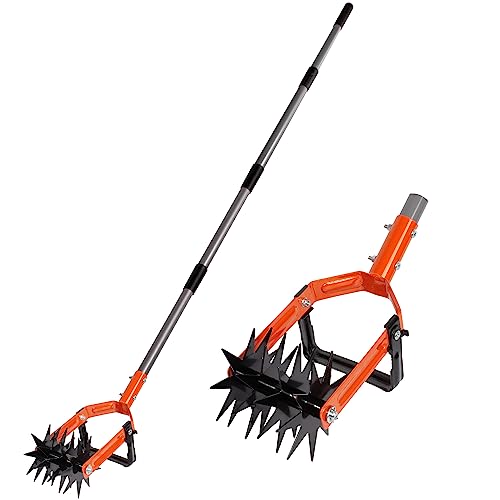
Walensee Rotary Cultivator and Hoe
A Deeper Look At The Lineup
A narrow single claw slips into soil where a broad cultivator cannot fit. That makes the JCBIZ tool useful for container corners, crowded flower beds, and spots where you want to lever soil or weeds loose without disturbing nearby roots.
At 215 mm overall, the tool stays compact enough to control with one hand, although the shorter handle may feel busier during a long bed-prep session. Its practical appeal comes from the focused claw, secure head connection, and 80 g weight rather than broad multitasking.
Notable Upsides
- The narrow claw reaches between plants and into confined soil.
- Ground manganese steel suits digging, aeration, and root work.
- Its light weight reduces fatigue during frequent spot treatments.
Things To Consider
- One claw requires repeated passes for broad bed preparation.
- The 120 mm handle may feel compact for prolonged use.
Quick Facts
Who It Suits Best
This tool suits container gardeners and balcony growers who need precise digging in places a larger cultivator cannot reach.
Another Choice May Suit
The WOODLAND TOOLS 3-Prong Garden Claw Cultivator with Anodized Aluminum Head and Ergonomic Grip suits gardeners preparing wider raised beds.
Three sharpened tines give this cultivator more contact with the ground than the JCBIZ single-claw design. That makes it a natural fit for breaking up small garden beds, loosening soil before sowing, and mixing compost into the upper layer.
The anodized aluminum head is designed to resist bending and corrosion, while the contoured grip adds comfort during extended work. For most home beds, the three-prong format feels more purposeful than a narrow hook, though you still need enough clearance to work the tines between plants.
Bright Spots
- Three pointed tines break and turn soil in one pass.
- The aluminum head provides a rigid platform for digging.
- The oversized grip improves comfort during longer sessions.
- A hang hole simplifies storage near the potting bench.
Small Caveats
- The three tines need more clearance than a single hook.
Feature Snapshot
Made For
Home gardeners tending raised beds, vegetable plots, and compost-amended garden soil will get the most benefit from its three-prong layout.
Consider Something Else When
The JCBIZ 215mm Single-Claw Root Hook Loosening Tool for Garden Weeding and Digging is the better option for narrow gaps and container corners.
The hook profile gives you a narrow working point for removing weeds and opening small planting holes. Compared with the WOODLAND TOOLS cultivator, this design favors controlled movements around established plants rather than broad soil turning.
Its high carbon steel blade provides the working strength, and the soft contoured handle supports a steadier grip. In a densely planted bed, that combination may be more useful than a wider tool, though focused weeding takes patience when roots run beneath the surface.
The Good Stuff
- The narrow hook reaches close to stems without disturbing them.
- The ergonomic handle supports controlled pulling and digging.
Where It May Fall Short
- The hook is less efficient than three tines for broad bed preparation.
- Deep root removal can still strain the wrist and forearm.
- Loose, very dry soil offers less grip than moist soil.
Who Will Love This
Gardeners with crowded flowers, young vegetable plants, and deep-rooted weeds will appreciate the precise hook geometry.
Reach For A Different Pick When
The Walensee Rotary Cultivator and Hoe better fits gardeners preparing larger sections of moist, lightly compacted soil.
This auger shifts the job from loosening an entire bed to creating individual planting holes. Its spiral bit draws soil into a narrow column, making it useful for bulbs, flowers, and small plants when a long row of holes is ahead of you.
The extended shape lets you work with the drill held more upright, which can reduce the amount of crouching involved. It is a drill attachment rather than a hand cultivator, so your existing equipment and the 3/8-inch hex connection determine whether it fits your setup.
Key Advantages
- The spiral action forms repeated planting holes quickly.
- The extended length supports a more upright drilling posture.
- The steel shaft and coated surface suit regular garden use.
- The narrow hole size works well for bulbs and flowers.
Practical Considerations
- A compatible drill with a 3/8-inch hex drive is required.
- Very rocky or hard ground can place a strain on a drill-powered auger.
Technical Notes
Right Fit For
This attachment suits gardeners planting many bulbs or flowers who want to reduce repeated digging with a spade.
Look Elsewhere When
The Garden Guru High Carbon Steel Hook Weeder and Cultivator with Ergonomic Handle suits you better when a quiet, manual tool is preferred.
Two auger sizes make this set more adaptable than the single-size TCBWFY option. The narrow bit handles smaller bulbs and starts, while the larger bit can form wider holes for small plants and deeper planting work.
You still operate both attachments with a drill rather than by hand, so this is most useful for repeated planting projects rather than routine bed cultivation. For a mixed planting day, having two diameters on hand prevents constant bit changes.
Why It Works Well
- Two hole diameters accommodate different plants.
- The spiral bits streamline repeated hole digging.
- The steel construction suits demanding garden soil.
Possible Compromises
- The set requires a drill with a 3/8-inch hex drive.
- It does not replace a cultivator for loosening a whole bed.
- Rocky ground may work poorly with any rotating auger.
Built With In Mind
Seasonal planters and bulb gardeners will find the two sizes especially useful across different crops and planting depths.
A Better Fit Elsewhere
The TCBWFY 1.6 x 16.5-Inch Extended-Length Spiral Garden Planting Auger Bit is simpler for gardeners who only need one hole size.
Four interlocking star wheels give the Walensee tool a different feel from the fixed tines on the WOODLAND TOOLS cultivator. The rotary action suits moist, prepared soil where you want to loosen the surface, mix amendments, or prepare a row for reseeding.
A manganese steel blade adds weeding and edging capability, and its adjustable angle helps you work around flowers and paths. The trade-off appears in hard or dry ground, where watering or loosening the surface first will give you a much cleaner result.
Positive Points
- Four toothed wheels loosen soil with a rolling action.
- The manganese steel blade handles cutting and digging.
- Adjustable blade angles suit beds, paths, and rows.
- Two working ends cover cultivation and weeding.
- The compact layout reaches flower beds and garden rows.
Details To Watch
- Dry, compacted soil should be moistened or loosened first.
Core Details
The Right Fit
Home growers with prepared beds and mixed planting areas will appreciate the combination of rolling cultivation and a separate weeding blade.
Swap It Out When
The JCBIZ 215mm Single-Claw Root Hook Loosening Tool for Garden Weeding and Digging fits container work where rotary wheels have too little clearance.
What Matters Before You Choose A Hand Tiller
Start with the shape of your work. A single hook reaches into narrow gaps and lifts roots, while multiple tines break broader sections of soil. Rotary wheels suit prepared surfaces, and drill augers handle repeated planting holes rather than general loosening.
Blade construction matters too. Manganese and high carbon steel serve different tool designs, but the geometry has a greater effect on daily handling. Hooks offer precision, tines provide downward leverage, and augers remove soil from a cylindrical hole.
Comfort follows the task. Short sessions around containers require only a compact grip, while a full raised bed can make a longer, cushioned handle more valuable. A hanging hole also helps keep frequently used tools close at hand.
Finally, check your equipment and ground. Augers need a drill with a matching 3/8-inch hex drive, while rotary tools work best in moist or lightly compacted soil. Hard, dry, or rocky beds benefit from preliminary loosening.
Common Mistakes Worth Avoiding
Buying for a large bed and then choosing a narrow hook creates unnecessary work. Match the tool to the space, and check whether the head can reach between your plants without striking their roots.
Do not force a rotating auger through dry stone-filled ground. Moistening the soil, removing obstacles, and loosening the surface first protects your equipment and produces cleaner planting holes.
When Paying More Pays Off
Higher-cost hand tools often use more refined materials, larger grips, or coordinated multi-part designs. Those improvements help most during frequent use or extended sessions.
The practical question is simple: will you use the tool regularly enough to notice better control and construction? For one small project, a basic specialist tool may make more sense.
Frequently Asked Questions
What Is The Best Hand Tool For Tilling Soil?
A three-prong hand cultivator is a practical choice for broad bed preparation because its sharpened tines loosen and turn soil as you work. A single hook offers more precision for narrow spaces and individual weeds.
Is A Hand Cultivator Better Than A Shovel?
A hand cultivator is better for breaking up small areas, loosening the top layer, and mixing soil amendments. A shovel remains more suitable for moving substantial amounts of soil and digging deep planting holes.
Can I Use A Garden Auger Without A Drill?
A spiral auger bit needs a compatible drill with the specified hex-drive connection. It cannot provide the same drilling action as a manual hand auger, so your equipment must support it.
What Soil Is Easiest To Work By Hand?
Moist, loose soil offers the best control because it yields without excessive resistance. Very dry ground becomes hard to penetrate, while rocky soil can strain narrow hooks and rotating tools.
Do I Need Different Tools For Weeding And Tilling?
A multi-use tool can handle both jobs, but its design affects the result. A hook favors precise weeding, three tines favor broader loosening, and rotary wheels suit prepared soil surfaces.
Wrap Up
Your best choice comes down to workspace and task: use a hook for confined weeding, three tines for raised beds, a rotary cultivator for prepared ground, and an auger for repeated planting holes. Match the tool to the soil you actually maintain, and you will spend less time fighting the bed.
