

A tomato bed can look healthy while missing the nutrition needed for steady fruit production, especially in containers or tired soil. For home growers, the right choice depends on nutrient balance, application method, and how much mixing your routine can handle. These six options cover simple packets, concentrated liquids, dry formulas, and a calcium-focused powder.
The Choices Worth Comparing

TPS NUTRIENTS 5-10-10 Fertilizer, 8oz

TeaDrops Tomato Food, 16 Packets
Natures Vitality Farms Eggshell Powder, 4oz
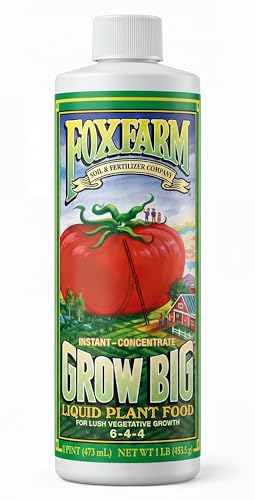
FoxFarm Grow Big 6-4-4 Liquid Plant Food, Pint Concentrate

FoxFarm Happy Frog 5-7-3 Vegetable Fertilizer, 4lb

Farmer’s Secret Tomato Booster Fertilizer 3:8:7, 32oz
More Details On Our Top Picks
Your outdoor beds can use a straightforward nutrient blend that covers more than tomatoes. TPS NUTRIENTS uses a 5-10-10 ratio, giving you more phosphorus and potassium than nitrogen so plant development, roots, and growing structure receive balanced support.
This option makes sense for a mixed kitchen garden, flower bed, or backyard planting. The 8-ounce package may suit a modest growing area better than a large landscape, and you’ll want to follow the label for application rates and timing.
Positive Takeaways
- The 5-10-10 formula provides a useful middle ground for many outdoor crops and flowers.
- Higher phosphorus supports root development, which matters during early plant establishment.
- Higher potassium contributes to overall plant structure and steady crop development.
- You can use it across garden beds, backyard plants, and mixed landscapes rather than limiting it to tomatoes.
- The product is made in the USA.
Practical Considerations
- The 8-ounce size may not stretch across a large garden without multiple applications.
- Check the label for application rate and watering guidance before adding it around roots.
Key Specs
Made For
You’ll benefit most from this formula with mixed outdoor beds, vegetables, tomatoes, and flowers at garden scale.
Another Choice May Suit
TeaDrops Tomato Food, 16 Packets suits you better when pre-measured feeding and container watering matter more than a dry outdoor fertilizer.
Feeding tomatoes shouldn’t require you to measure liquid concentrate or hunt for a small spoon. TeaDrops packages its plant food in 16 pre-measured tea packets, giving you a direct path from packet to watering can.
You steep one packet in one gallon of water for at least four hours, then use the mixture as a soil drench or foliar feed during active growth. That makes this a good fit for container gardens and busy weekends when simple steps create fewer chances for measurement mistakes.
What Stands Out
- Pre-measured packets remove the need for a liquid concentrate, measuring spoon, or separate dosing step.
- You can apply the prepared mixture through a soil drench or directly to foliage.
- The formula is intended for tomatoes, peppers, eggplants, and other fruiting vegetables.
- Weekly feeding fits a predictable maintenance schedule during active growth.
- Each tube holds 16 packets for organized storage.
Small Caveats
- The four-hour steeping period means you need to plan the feeding in advance.
- Store the packets in a cool, dry place and protect them from humidity.
- The product is intended only for feeding plants.
Feature Facts
Best Suited To
You’ll enjoy the packet format most as a container grower who wants straightforward weekly feeding for tomatoes, peppers, or eggplants.
Reach For A Different Pick When
FoxFarm Happy Frog 5-7-3 Vegetable Fertilizer, 4lb suits you better when a larger dry supply and mycorrhizal fungi matter more than pre-measured packets.
Calcium is the central feature of this eggshell-based fertilizer, making it a distinctive choice for tomato plants showing blossom-end-rot concerns. Blossom end rot is a disorder that affects the blossom end of a tomato’s fruit, and adequate calcium is central to how gardeners support affected plants.
You can also use the powder across orchids, African violets, spider plants, ivy, hoya, kalanchoe, tomatoes, and other indoor or outdoor plants. Compared with the broad-purpose TPS NUTRIENTS blend, this formula has a narrower nutritional purpose but a more unusual application process.
What Pays Off
- The eggshell powder provides a natural calcium source for plant nutrition.
- It also supplies magnesium and phosphorus to support plant growth.
- You can apply it to a broad range of ornamental and edible plants.
- The powder format lets you prepare only the amount needed.
- Its 4-ounce package is compact for home gardeners and indoor plant collections.
Points To Note
- You need to mix two tablespoons with vinegar and water per gallon before application.
- This adds more preparation than a ready-to-use packet or dry blend.
- Its nutrient profile is not a substitute for a complete tomato fertilizer when plants need broad, balanced feeding.
Right Fit For
You’ll find this useful when your priority is calcium-focused nutrition for tomatoes alongside assorted indoor and outdoor plants.
A Better Fit Elsewhere
FoxFarm Grow Big 6-4-4 Liquid Plant Food, Pint Concentrate suits you better when rapid liquid uptake and broad vegetative growth are your main priorities.
Liquid feeding gives you a practical way to support quick nutrient delivery around tomatoes, roses, vegetables, and houseplants. FoxFarm Grow Big uses a 6-4-4 ratio, with nitrogen as its highest-numbered nutrient, and is designed to promote vegetative growth, the leaf and stem development that supports later flowering and fruiting.
This pick appeals to you when plants are newly sprouted or established and you want a fast-absorbing format. The pint concentrate is more specialized than the simple NPK blend, yet the liquid format makes it a natural companion to routine container watering.
Good Reasons To Consider
- The liquid concentrate is designed for fast nutrient uptake.
- Its nitrogen-heavy 6-4-4 ratio supports leafy and stem growth.
- You can use it for tomatoes, roses, vegetables, and houseplants.
- Liquid application fits plants that already receive regular watering.
- The formulation is intended for both newly sprouted and established plants.
Less Ideal Details
- Its vegetative emphasis makes it less specifically matched to fruiting-stage nutrition than the tomato-focused formulas.
- Because it is a concentrate, follow the label for dilution and application frequency.
At A Glance
Who Will Love This
You’ll appreciate this liquid concentrate as a container gardener focused on strong leaf and stem development across several plant types.
Where A Sibling Pick Shines
Farmer’s Secret Tomato Booster Fertilizer 3:8:7, 32oz suits you better when a tomato-specific formula, calcium, iron, and humic acid are your priorities.
A sizable vegetable-garden supply and a fruiting-oriented nutrient profile make this a practical match for tomatoes, vegetables, and berries. The 5-7-3 ratio places phosphorus in the middle, which supports root and flower development, while potassium supports fruit production and general plant vigor.
Calcium joins the formula for fruit-focused feeding, and mycorrhizal fungi provide another distinct feature. These fungi form associations with plant roots and participate in nutrient exchange, making this option more specialized than the basic 5-10-10 blend from TPS NUTRIENTS.
Strengths Worth Knowing
- The 5-7-3 blend balances root, flower, and fruit-related nutrition for vigorous garden crops.
- Calcium supports the formula’s focus on fruiting vegetables.
- Mycorrhizal fungi add a root-focused biological component.
- You can use it for tomatoes, vegetables, and berries rather than one crop alone.
- The 4-pound package suits recurring feeding across a productive garden.
Trade-Offs To Consider
- The 4-pound package takes more storage space than the compact options in this roundup.
- Its specialized fungi and nutrient blend may be more than a small container needs.
- Follow the label for application rates and watering after feeding.
Built With In Mind
You’ll get the most from this fertilizer with an established garden containing tomatoes, mixed vegetables, or berry plants that need recurring nutrition.
Consider Something Else When
TeaDrops Tomato Food, 16 Packets suits you better when pre-measured packets and a watering-can routine matter more than a large garden supply.
A dedicated tomato formula gives this option a clearer role than the broad-purpose blends in the roundup. Its 3:8:7 ratio emphasizes phosphorus and potassium, while added humic acid, iron, and calcium round out a formula intended for tomatoes throughout their growing cycle.
Humic acid is an organic soil component involved in nutrient availability, while iron supports chlorophyll production in green plant tissue. You dilute two teaspoons into one gallon of water and apply weekly during the full growing cycle, making careful measurement part of the routine.
Everyday Perks
- The tomato-specific formula removes the need to compare broad garden fertilizers.
- The 3:8:7 ratio emphasizes phosphorus and potassium for growth and fruit support.
- Humic acid, iron, and calcium provide a more detailed nutrient profile.
- The concentrated format reduces the amount of liquid you need to handle per gallon.
- Weekly application suits a consistent maintenance schedule across the growing cycle.
Things To Weigh
- Accurate dilution matters because the formula is highly concentrated.
- The 32-ounce bottle requires more storage space than the 4-ounce eggshell powder.
- It is tailored to tomatoes rather than a broad mix of houseplants and flowers.
Technical Highlights
The Right Fit
You’ll find this formula most useful when your growing space is devoted primarily to tomatoes and you prefer a concentrated liquid routine.
Swap It Out When
FoxFarm Happy Frog 5-7-3 Vegetable Fertilizer, 4lb suits you better when you want a broader garden supply with mycorrhizal fungi and less frequent mixing.
Matching Nutrients to Your Growing Routine
Start With the NPK Numbers
NPK describes the relative amounts of nitrogen, phosphorus, and potassium in a fertilizer. Nitrogen supports leaf and stem growth, phosphorus contributes to roots and flowering, and potassium supports fruit development and general plant vigor, so your tomato’s stage and your other crops should guide the comparison.
Match the Format to Your Routine
Liquid concentrates fit plants that receive regular watering, while packets suit gardeners who want pre-measured doses. Dry blends can be practical for broad outdoor feeding, but a compact calcium powder requires additional mixing, so your available storage and watering habits deserve equal attention.
Look for a Purpose Beyond NPK
Calcium, humic acid, iron, and mycorrhizal fungi give several formulas a clearer purpose than NPK alone. Check those additions against the problem you actually want to address rather than assuming extra ingredients automatically suit every plant.
Common Feeding Decisions
Mistakes Worth Dodging
Don’t choose solely by the word “tomato” on the label. A balanced outdoor blend, a fruiting-oriented formula, and a calcium-focused powder serve different needs, so match the nutrient profile to your plants and your application routine before buying.
What The Higher Tier Buys
Higher cost can reflect concentration, added nutrients, biological ingredients, or a larger supply, but none guarantees better results. A specialized formula earns its place when its extra components support a specific goal, while a simple blend may suit a mixed garden just as well.
Frequently Asked Questions
What does a 5-10-10 fertilizer ratio mean?
It means five parts nitrogen, ten parts phosphorus, and ten parts potassium. This ratio places greater emphasis on phosphorus and potassium than nitrogen, making it useful for roots, flowers, fruit support, and mixed garden crops.
Can tomato fertilizer be used on peppers and eggplants?
TeaDrops Tomato Food, 16 Packets is formulated for tomatoes, peppers, eggplants, and other fruiting vegetables. You can also use broad garden blends like TPS NUTRIENTS 5-10-10 on compatible vegetables, subject to the label directions.
Is liquid fertilizer easier to apply than dry fertilizer?
Liquid fertilizer makes measuring and distributing nutrients through routine watering straightforward. Dry blends offer convenience for broad beds, while TeaDrops packets remove concentrate measurement but still require steeping before you water the plants.
Which options include calcium?
Farmer’s Secret Tomato Booster Fertilizer 3:8:7, 32oz includes calcium, while FoxFarm Happy Frog 5-7-3 Vegetable Fertilizer, 4lb also lists calcium. Natures Vitality Farms Eggshell Powder, 4oz centers on calcium from eggshell powder.
How often should you feed tomato plants?
TeaDrops Tomato Food, 16 Packets and Farmer’s Secret Tomato Booster Fertilizer 3:8:7, 32oz both call for weekly feeding during active growth. For the other formulas, follow the product label for rates and frequency based on your plants and growing conditions.
Final Verdict
Your best tomato fertilizer depends less on a single universal formula and more on your plants, space, and routine. TeaDrops wins for pre-measured simplicity, Farmer’s Secret focuses on a dedicated tomato formula, and FoxFarm Happy Frog suits larger mixed vegetable gardens. Natures Vitality Farms serves calcium-focused care, while TPS NUTRIENTS offers a compact balanced option for outdoor beds. Choose the format you can use consistently, then follow its application guidance carefully.
