

A sprinkler system controller can turn scattered hoses and valves into a dependable watering routine. It matters most for homeowners managing several lawn or garden zones, busy households that cannot remember watering schedules, and anyone who wants remote control without constantly checking the controller. A zone, also called a station, is an independently controlled watering area, and matching the number of zones to your landscape is the first practical decision.
The six options below cover everything from a single hose-fed garden to an outdoor controller with Wi-Fi management for 14 stations. Some prioritize straightforward mechanical controls, while others suit people who want app-based scheduling and flexible watering programs.
The Shortlist At A Glance

Hunter X-Core XC600i 6-Zone Controller

Hunter Pro-C 4-Zone Controller

MOES Brass 1-Zone Sprinkler Timer with Rain Delay and Manual Watering
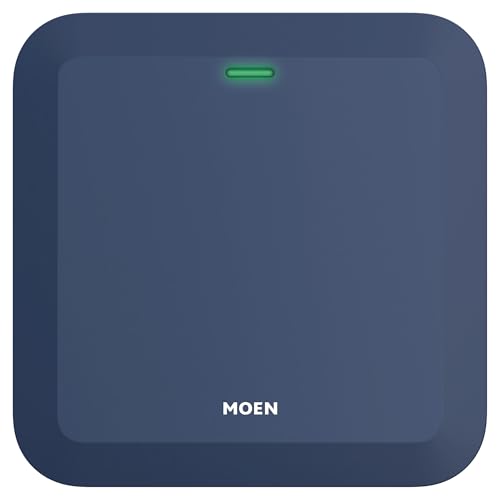
Moen 8-Zone Smart Controller WICNT008G1USA

Hunter X2 14-Station Outdoor Wi-Fi Controller
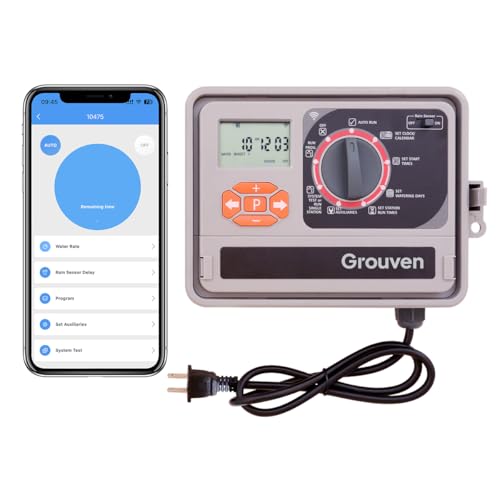
Grouven Garden Smart 11-Zone Controller
More On The Choices That Made The List
The Hunter X-Core XC600i keeps irrigation management on the simpler side without limiting you to one or two watering areas. Its dial-based interface handles schedules without an app or Wi-Fi connection, which can be reassuring for anyone who prefers to adjust the system at the wall rather than through a phone.
Six zones give a typical residential landscape room for separate lawn, flower bed, and drip-irrigation schedules. Unlike the Moen 8-Zone Smart Controller, this model focuses on local control rather than remote access. That trade-off favors dependable everyday operation over remote convenience.
The Helpful Details
- Six-zone capacity covers several separate landscape areas.
- Dial-based operation keeps programming approachable for beginners.
- Offline control removes the need for a network connection or mobile app.
- An indoor enclosure suits a protected garage, utility room, or similar control space.
Small Caveats
- The indoor housing requires a dry installation location with access to the controller wiring.
- It offers no phone-based remote scheduling, so seasonal changes mean visiting the dial.
Key Specs
Who It Suits Best
This controller suits homeowners with several watering zones who prefer straightforward local controls and have a protected indoor installation space.
Where Another Pick Suits Better
The Moen 8-Zone Smart Controller WICNT008G1USA better serves people who want to manage eight irrigation areas through a connected mobile app.
The Hunter Pro-C 4-Zone Controller takes a more installation-ready approach than the Hunter X-Core XC600i 6-Zone Controller. Its indoor or outdoor enclosure gives you more freedom in placement, while conventional wiring and expansion capability suit installers working on properties that may gain additional stations later.
Four base zones cover compact residential systems, but the model can expand to as many as 23 stations with compatible modules. For most home landscapes, that headroom is ample; contractors can also use the platform for larger multi-station layouts.
Where It Helps
- Indoor and outdoor mounting options make the controller easier to place near suitable wiring.
- Expansion to 23 stations provides room for a landscape that develops over time.
- Conventional wiring works well for professional irrigation installations.
Practical Considerations
- You begin with four operating zones, so expansion parts and installation planning may be necessary for larger layouts.
- Unlike the MOES Brass 1-Zone Sprinkler Timer, this is a wired irrigation controller rather than a hose-end timer.
Technical Sheet
Made For
This model fits homeowners and irrigation professionals who want a permanent four-zone system with room for later expansion.
Consider Something Else When
The Grouven Garden Smart 11-Zone Controller is a closer fit for large properties that need extensive Wi-Fi scheduling from the outset.
The MOES timer serves a much smaller role than the four- and six-zone controllers: it brings scheduled watering to one hose-connected area. That makes it useful for a vegetable bed, container garden, or young landscape section that does not justify a permanent multi-zone system.
Brass fittings at both the inlet and outlet provide a more substantial connection than an all-plastic hose timer. Programmable timing, rain delay, and manual watering add useful ways to adjust a routine, although you will need another timer for each additional zone.
Positive Takeaways
- Brass inlet and outlet connections suit a permanent hose-fed watering point.
- Rain delay lets you pause the schedule after unwanted rain.
- Manual watering provides a direct option for an immediate watering cycle.
Things To Weigh
- The single-zone format cannot independently manage several beds or lawn areas.
- It sits at the hose connection, so accessibility matters for routine programming and manual use.
Right Fit For
This timer is a practical starting point for a gardener who wants automated watering for one hose-fed zone without installing a wired controller.
Not Your Match When
The Hunter X-Core XC600i 6-Zone Controller suits a landscape that already has several zones and needs separate schedules.
The Moen 8-Zone Smart Controller WICNT008G1USA puts eight-zone control in the palm of your hand through the Moen Smart Water app. Remote adjustments make sense for households with changing schedules, vacation periods, or several lawn and garden areas that benefit from distinct watering routines.
Compared with the dial-operated Hunter X-Core XC600i 6-Zone Controller, this model trades some direct-operation simplicity for phone-based control. Once the system is set up, that convenience may suit a connected-home routine, though it adds a network and app layer to daily irrigation management.
Notable Gains
- Eight zones provide substantial control across a residential landscape.
- Wi-Fi connectivity supports remote schedule adjustments through the Moen app.
- App-based management reduces the need to return to the controller.
- Automatic watering functions can organize recurring irrigation routines.
- Separate zone control accommodates lawns, beds, and drip areas with different schedules.
Where It May Fall Short
- Remote features depend on a working network connection and correct app setup, so local controls remain worth confirming.
Feature Snapshot
Who Will Love This
This controller suits connected-home households that want eight-zone irrigation with phone-based schedule control.
Look Elsewhere When
The Hunter Pro-C 4-Zone Controller is a better match for a wired installation that needs expansion but does not require remote app management.
The Hunter X2 14-Station Outdoor Wi-Fi Controller is built for larger irrigation layouts and outdoor placement. Its 14 stations cover substantially more independent watering areas than the Hunter Pro-C 4-Zone Controller, while the outdoor enclosure broadens your installation options.
Hydrawise compatibility adds a connected management path, and weather-based scheduling can factor local conditions into irrigation decisions. That combination makes remote control and weather-responsive programming central to the model, rather than leaving them as add-on considerations.
Standout Benefits
- Fourteen stations suit extensive properties with many irrigation areas.
- An outdoor enclosure allows installation beyond protected indoor spaces.
- Wi-Fi capability supports remote irrigation management.
- Weather-based scheduling adapts watering decisions to local weather information.
Details To Watch
- Its station capacity and connectivity are unnecessary for a small garden served by one hose timer.
- A permanent wired installation adds more setup than a hose-end controller.
Built With In Mind
This model is built for large residential landscapes and installers managing many stations with remote, weather-aware scheduling.
A Better Fit Elsewhere
The Moen 8-Zone Smart Controller WICNT008G1USA may suit connected households needing app control without 14 physical stations.
The Grouven Garden Smart 11-Zone Controller combines broad station capacity with unusually detailed scheduling options. It suits a landscape where lawns, beds, and drip areas need different run times, especially for people comfortable configuring irrigation through a Wi-Fi-connected system.
Six program groups, each with up to six start times, give you more ways to structure watering than a basic dial controller offers. Weekly, odd-day, even-day, and interval-day modes add flexibility, though the range of settings may feel more involved than a simpler local interface.
What Helps Most
- Eleven zones support large, varied residential landscapes.
- Six program groups organize watering needs by area or routine.
- Each group can hold up to six start times.
- Weekly, odd-day, even-day, and interval-day modes offer varied scheduling choices.
Practical Considerations
- The flexible program structure requires careful setup and may be more than a simple landscape needs.
Core Details
The Right Fit
This controller fits gardeners with many zones who want detailed independent schedules and flexible recurring day patterns.
Another Choice May Suit
The Hunter X2 14-Station Outdoor Wi-Fi Controller better serves installations that need an outdoor enclosure and weather-based scheduling.
What To Match Before You Buy
Count The Zones You Actually Have
A controller can only manage as many stations as your valves and wiring support. Count lawn areas, flower beds, drip lines, and other independently watered sections before choosing a capacity. Starting with extra room can make sense for planned landscaping, but an oversized controller can complicate setup without adding useful control.
Match The Installation Location
Indoor controllers need a protected, accessible space with suitable wiring. Outdoor models provide more placement freedom but still need a sound mounting location and compatible sprinkler connections. Hose-end timers sit directly within the hose line and suit a single circuit rather than a complete valve-based system.
Decide Between Local And Remote Control
A dial-based controller keeps programming at the unit and avoids dependence on a network connection. Wi-Fi models support phone-based adjustments and more integrated scheduling, which can be useful for changing plans while away. The trade-off is a more involved setup involving connectivity and app configuration.
Match Scheduling To Watering Patterns
Simple controllers work well for repeating schedules across a few zones. Advanced systems add program groups, multiple start times, day modes, and weather-based functions for varied landscapes. Choose the level of detail that reflects your watering needs, not simply the largest number of settings.
Practical Irrigation Decisions
Mistakes Worth Dodging
Counting every sprinkler head as a zone leads to oversized purchases, because one valve can operate several heads within the same watering area. Another common error is buying a wired controller for a single hose connection or overlooking the need for a protected indoor location. Match the controller to the existing valves, wiring, and watering plan before considering extra features.
What Separates Premium From Basic
Advanced models spend their extra complexity on connectivity, more stations, multiple programs, and weather-based scheduling. Those features repay the added setup for large landscapes or changing routines. A simple local controller remains more sensible for a small property with stable schedules, while a hose timer works well for one basic watering zone.
Frequently Asked Questions
Do I need a sprinkler controller for a small garden?
A hose-end timer can automate one garden zone without a permanent control panel. A multi-zone controller becomes more useful once lawns, beds, and drip lines need separate schedules.
What is the difference between zones and stations?
Zones and stations describe the same function: independently controlled watering areas. Different manufacturers may emphasize one term over the other, but the count should match your number of controllable valves or watering circuits.
Can I install an outdoor controller indoors?
You can only use an indoor enclosure where wiring, power, and weather protection meet its installation requirements. Outdoor models suit exposed locations, while indoor models need a dry and accessible space.
Do I need Wi-Fi for automatic watering?
Basic timers and controllers schedule irrigation locally, while Wi-Fi adds remote adjustment and app-based management. Local controls remain useful for initial programming and troubleshooting.
How many zones should a sprinkler controller have?
Count each independently scheduled watering area, not each sprinkler head. Add a little capacity for planned beds or drip zones only when those additions are likely to arrive.
Final Verdict
The right sprinkler system controller depends less on feature count than on your zones, wiring, and preferred control method. The Hunter X-Core and Pro-C cover dependable local control, Moen adds app-based management, and the Hunter X2 leads the outdoor Wi-Fi option here. Choose the model that matches your landscape today and the way you will adjust it tomorrow.
