

Bamboo can struggle in dense, waterlogged soil, especially when it shares a pot with thirsty houseplants or sits outdoors after heavy rain. The right growing medium balances moisture retention with drainage, and a loose, peat-free formula can give bamboo roots room to establish without leaving the root ball soggy.
A Closer Look At The Lineup

Rosy Soil Cactus and Succulent Mix 4 Quarts

Rosy Soil Biochar Booster 8 Quarts
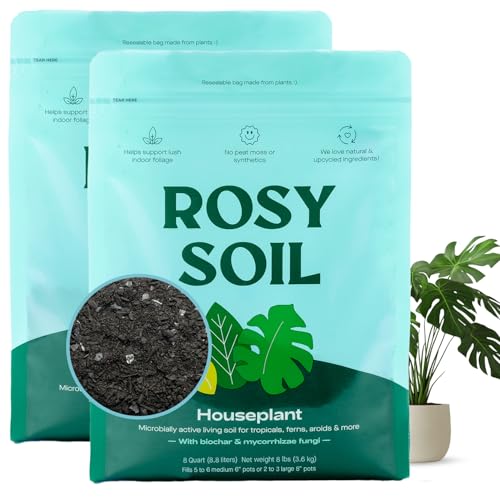
Rosy Soil Houseplant Potting Soil 8 Quarts

Rosy Soil Organic Houseplant Mix 4 Quarts

Gro-Med Organic Coco Coir Block 11 lb

COCF Low EC Coco Coir Brick 8.4 lb
A Breakdown Of The Leading Choices
A bamboo pot in a warm room needs air around its roots, but it also needs more reliable moisture than a typical desert plant. This mix supplies the loose structure, rapid drainage, and peat-free base that help prevent compacted, saturated root zones.
The living components add another layer: beneficial fungi, microorganisms, and worm castings support root activity without synthetic fertilizer. For bamboo, the practical fit depends on container size and local drying conditions.
Practical Pluses
- Loose, open texture gives bamboo roots room to spread.
- Peat-free composition supports freer drainage.
- Microbes and worm castings enrich the root zone.
Points To Note
- This is a cactus-focused blend, so it may dry quickly for bamboo in a warm, bright location.
- Each four-quart bag fills roughly two or three plants, making quantity planning important.
Key Specs
Right Fit For
This option suits container growers who prioritize drainage and already provide attentive watering to bamboo.
Consider Something Else When
Gro-Med Organic Coco Coir Block 11 lb offers stronger moisture retention for bamboo that wilts quickly between waterings.
That loose, cactus-focused profile can be adjusted, and Rosy Soil Biochar Booster 8 Quarts gives you a way to improve an existing base rather than replace it. Biochar is a stable, carbon-rich amendment that can hold water and nutrients within otherwise porous soil.
Unlike the preceding cactus mix, this product is meant to be blended into soil. Its mycorrhizae, worm castings, compost, and bokashi make it especially relevant for raised beds and larger container systems.
Positive Takeaways
- Blends into potting mix or outdoor beds without replacing the entire medium.
- Biochar supports water retention, aeration, and nutrient holding.
Small Caveats
- It is an amendment rather than a complete standalone potting medium.
At A Glance
Built With In Mind
Growers with raised beds or a supply of basic potting soil can improve structure incrementally around established bamboo.
Another Choice May Suit
Rosy Soil Houseplant Potting Soil 8 Quarts is more convenient for a complete indoor container planting without calculating an amendment ratio.
For a broader indoor planting base, Rosy Soil Houseplant Potting Soil 8 Quarts removes the guesswork from mixing a custom blend. Biochar, worm castings, mycorrhizae, compost, and bark fines create a peat-free medium suited to container plants.
That combination offers a useful middle ground between the fast-draining cactus mix and moisture-heavy coir. In most homes, it is the straightforward option for bamboo sharing a shelf with ferns, palms, and other indoor plants.
What Makes Sense
- Ready-to-use planting base reduces mixing work.
- Biochar assists aeration and moisture holding.
- Worm castings and compost feed soil biology.
- Peat-free ingredients suit container gardening.
Trade Offs
- A general houseplant mix may need more frequent watering for bamboo in a sunny room.
- The two-bag package requires more storage space than a compact four-quart option.
Who Will Love This
Beginner growers and mixed-houseplant households will appreciate the simple, general-purpose planting base.
Reach For A Different Pick When
COCF Low EC Coco Coir Brick 8.4 lb makes more sense for a moisture-loving bamboo grown through hydroponics.
The smaller Rosy Soil Organic Houseplant Mix 4 Quarts keeps the same living-soil approach as the preceding pick while taking up less shelf space. Organic biochar, compost, worm castings, mycorrhizae, and bark fines replace peat moss in the formula.
That makes it a practical choice for one substantial repotting session or several small containers. The honest read is that the format suits frequent indoor maintenance more than a large bamboo collection.
A Few Strong Suits
- Compact volume simplifies storage and portioning.
- Peat-free organic ingredients support active soil biology.
Worth Noting
- The four-quart quantity offers limited coverage for multiple large bamboo pots.
Technical Sheet
The Right Fit
This option suits apartment growers repotting a few houseplants and one modest bamboo container.
A Better Fit Elsewhere
Rosy Soil Houseplant Potting Soil 8 Quarts provides more material for several containers or a larger root ball.
Moving away from bark-based houseplant mixes, Gro-Med Organic Coco Coir Block 11 lb provides a coir medium with greater water retention. That characteristic suits bamboo roots better in warm or bright indoor spaces.
The compressed block contains plant-based nutrition, so it gives container growers a convenient starting point. Its fibrous structure also supports aeration, making it useful for vegetables, herbs, seedlings, and mixed indoor plantings.
Good Reasons To Consider
- Coir retains moisture while maintaining a fibrous root-friendly structure.
- Added plant food reduces the need to prepare an untreated medium.
- The 11-pound block expands into a useful potting volume.
Practical Considerations
- A compressed brick needs room and water before use.
- Pre-blended nutrition may be less adjustable than an unfertilized medium.
Made For
Container bamboo growers who want more consistent moisture without abandoning air space around the roots.
Swap It Out When
Rosy Soil Biochar Booster 8 Quarts is the better amendment for improving an existing outdoor bed around established bamboo.
That pre-fertilized coir option handles moisture well, while COCF Low EC Coco Coir Brick 8.4 lb emphasizes a balanced starting medium. Low EC means low electrical conductivity, which helps indicate a low concentration of dissolved salts in the growing medium.
Its pH-balanced coconut fiber suits indoor and outdoor plants, seed starting, hydroponics, and reptile bedding. For bamboo, that versatility makes it a sensible option when you may switch between soil and soilless methods.
Strengths Worth Knowing
- Balanced coir supports moisture retention and excess-water drainage.
- Low-EC and pH-balanced composition offers a measured starting point.
Areas To Watch
- The compressed format expands during hydration, so plan for the larger potting volume.
Essential Details
Whose Shelf It Belongs On
This brick belongs with bamboo growers who value soilless methods or want a compact medium stored until needed.
Look Elsewhere When
Rosy Soil Cactus and Succulent Mix 4 Quarts fits gardeners who want a ready-to-use, fast-draining soil rather than a compressed coir brick.
What Bamboo Needs From Its Growing Medium
Bamboo sends a practical signal through its roots: the planting area needs moisture without becoming airless. A medium that releases water quickly may require frequent watering in a sunny room, while a dense mix can restrict roots during wet weather.
Drainage Without Constant Drying
Drainage holes matter because water should leave the container rather than collect around the root ball. A loose mineral or coir-based medium can support oxygen around roots, especially where bamboo shares a pot with other plants.
Moisture Retention for Warm Indoor Spaces
Warm rooms, radiators, and bright windows increase drying. Coir generally offers a useful balance here, while a cactus mix may need closer watering attention. Container depth also matters because a deeper root zone usually changes how quickly the soil dries.
A Base That Suits the Plant
Some mixes are complete planting media, while amendments are meant to be blended into existing soil. A complete medium simplifies the first potting, whereas biochar-based products give you more control over an established bed or custom container blend.
Choosing a Soil Mix Without Overthinking It
Common Shopping Slip Ups
Avoid choosing a mix solely because it contains moisture-retaining material. Dense soil, oversized containers, and slow drainage can still leave roots sitting in wet conditions, so check the container drainage and the mix’s physical structure together.
Where The Extra Money Goes
Higher-priced blends may include biochar, mycorrhizae, compost, or balanced coir instead of a simple base. The premium is most useful when you value a biologically active medium, a peat-free formula, or less mixing work rather than a larger package alone.
Frequently Asked Questions
Is Bamboo Potting Soil Different From Regular Houseplant Soil?
Bamboo generally needs a balance of moisture retention and drainage. Regular houseplant soil can work, but a mix made for succulents may dry too quickly for bamboo in a warm indoor location.
What Type of Soil Works Best for Potted Bamboo?
A loose, well-aerated medium with reliable moisture retention works well for container bamboo. Coir-based options are often practical, while general living soils work well when watering and drainage are managed properly.
Can I Use Cactus Soil for Bamboo?
Cactus soil can suit bamboo when drainage is the main concern and you water it attentively. A moisture-retentive coir blend is usually more suitable for bamboo that dries quickly indoors.
Is Biochar a Complete Potting Soil?
Biochar booster is designed as a soil amendment rather than a complete planting medium. Mixing it into potting soil or garden beds lets you improve structure while keeping the primary soil mix in control.
Do I Need Special Soil for Lucky Bamboo?
Lucky bamboo grows in water or soil, so the media requirements differ. Soil-grown plants benefit from a balanced houseplant or coir medium with drainage, while plants kept in water do not need soil at all.
Final Verdict
Coir gives container bamboo the most convincing balance of moisture and aeration, particularly indoors. Rosy Soil living mixes suit broader planting setups, and the Biochar Booster works best as an amendment rather than a complete medium. Match the mix to your container, drainage, and watering routine for the most practical result.
