

A wilting tomato plant rarely tells you what the soil is missing. A proper garden soil tester turns guesswork into useful information, helping you compare moisture, acidity, and nutrient conditions before changing fertilizer or watering habits. These options suit different tasks, from professional soil analysis to monitoring hydroponic nutrients and potted plants.
The Leading Options At A Glance
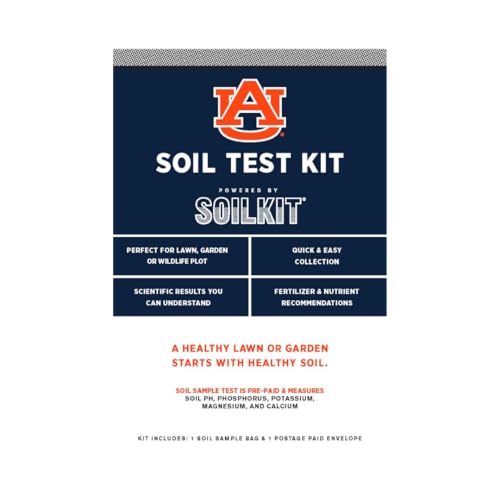
POWERED BY SOILKIT Auburn University Soil Test Kit for Alabama Lawns and Gardens

Bluelab TRUNCOMV2 Commercial Nutrient Meter for Hydroponic Systems

Bluelab Probe Care Kit for pH and Conductivity Probes

Bluelab Pulse Meter for Soil Moisture, Nutrients, and Temperature

SUStee Aquameter Set of 2, Medium Soil Moisture Meters, White

YINMIK Digital Soil pH Tester for Potted Plants
What Each Pick Brings To The Table
For a lawn or food plot where fertilizer decisions carry a real cost, a mail-in analysis offers a more complete direction than a basic moisture reading. The SoilKit is associated with Auburn University and is designed to identify what a lawn, garden, or food plot needs for the growing season.
Its collection process is straightforward because the kit includes a soil sample bag, a pre-addressed postage-paid mailer, instructions, and a customer care card. Compared with the Bluelab tools later in this roundup, it serves a broader soil-planning role, although its availability is specifically presented for Alabama residents.
What Makes Sense
- Mail-in analysis supports fertilizer and soil-planning decisions without a handheld meter.
- The included sample bag and prepaid mailer simplify collection and submission.
- Instructions and a customer care card help you organize the sample process.
- It suits lawns, gardens, and food plots rather than a single indoor pot.
Points To Note
- The listed service is aimed at Alabama residents, so location eligibility deserves confirmation before ordering.
- It is a soil-analysis kit rather than a quick meter for checking a pot between watering cycles.
Key Specs
Made For
This kit suits Alabama residents managing lawn, garden, or food-plot soil and wanting a guided fertilizer plan.
Another Choice May Suit
The Bluelab Pulse Meter suits gardeners who need immediate moisture, temperature, and nutrient readings without a mail-in process.
Mixing nutrients in a reservoir calls for a meter built around solution readings rather than a probe inserted into ordinary garden soil. The TRUNCOMV2 measures electrical conductivity, which is reported as EC, TDS, ppm, or CF. TDS means total dissolved solids, while CF is conductivity factor, giving you several ways to read the same solution.
The commercial range makes this more useful for a large growing setup than a compact indoor jar. Unlike the Auburn University kit, it provides an immediate reading while you mix, which helps you adjust nutrient strength without waiting for a returned report.
Features That Help
- Four readable scales support comparison with different nutrient charts and growers’ routines.
- The extended measurement range accommodates reservoirs, grow tents, and water tanks.
- Factory calibration reduces setup work before you begin monitoring.
- Real-time readings make sense during nutrient mixing rather than after a plant shows stress.
Where It May Fall Short
- This is a solution meter, not a direct tool for testing moisture or nutrient levels in garden soil.
- It focuses on conductivity rather than pH, so another meter or probe may be needed for acidity checks.
The Numbers That Matter
Built With In Mind
This meter suits hydroponic growers managing a reservoir, tent, or water tank who need clear nutrient-concentration readings during mixing.
Look Elsewhere When
The Bluelab Pulse Meter fits mixed-media growers who also need soil moisture and temperature readings alongside nutrient levels.
Once a pH or conductivity probe spends time in a growing tent, keeping its sensing surface clean becomes part of accurate monitoring. This Bluelab maintenance kit supports pH and EC, or electrical conductivity, probes with four solutions and cleaning materials for reservoirs, tanks, and hydroponic systems.
It complements rather than replaces the TRUNCOMV2. That meter measures nutrient solution, while this kit helps maintain compatible probe pens so your routine stays consistent, and pH readings become easier to interpret once acidity is defined as a scale indicating how acidic or alkaline a sample is.
Where It Helps
- Cleaning supplies help maintain probes used in reservoirs and grow tents.
- Four solutions support the included maintenance and calibration process.
- Conductivity probes need no calibration, while pH probes use a two-point calibration method.
- Regular care supports more consistent pH and TDS adjustments in a controlled setup.
Small Caveats
- This is a care kit, not a meter that produces pH or nutrient readings on its own.
- Confirm that your existing Bluelab probes are compatible before planning the purchase around this kit.
Who Will Love This
This kit suits hydroponic growers who already use pH and conductivity probes and want the supplies needed for routine care.
Swap It Out When
The YINMIK Digital Soil pH Tester suits a gardener who needs a standalone pH reading rather than maintenance supplies for existing probes.
Checking several root-zone conditions in one pass makes the Pulse Meter useful for beds, containers, coco coir, and potting mix. It measures moisture, nutrient concentration through TDS, and temperature, then connects with an iPhone or Android device for record keeping. For a busy grower, that combination reduces the need for separate spot checks.
Its broader role sets it apart from the SUStee Aquameter, which stays in a pot to track moisture. The Pulse travels with you, making it the better fit for mixed setups where you move between soil and nutrient solution.
Where It Delivers
- One handheld tool covers moisture, TDS, and temperature.
- App syncing helps you compare readings across different locations or growing days.
- It works with potting mix, coco coir, field soil, and nutrient solution.
- The portable design suits growers checking multiple pots, beds, or reservoirs.
Worth Bearing In Mind
- Phone syncing requires a compatible device and Bluetooth connection, so check those requirements before purchase.
- Field readings offer useful monitoring, but they do not provide the broad soil analysis offered by a mail-in laboratory kit.
Feature Snapshot
The Right Fit
This meter suits indoor growers and mixed-media gardeners who want portable readings plus a phone-based history of changing conditions.
Where A Sibling Pick Shines
The SUStee Aquameter is a more convenient choice for continuous moisture checks in appropriately sized indoor pots.
Leaving a moisture indicator in the pot removes the repeated insert-and-remove routine that can make soil checks tedious. The SUStee Aquameter stays at root level, where its sensing tip tracks moisture without requiring dirty fingers or repeated handling of the soil.
The set includes two refillable white watering sticks, making it practical for households managing multiple indoor plants. Compared with the portable Bluelab Pulse Meter, the trade-off is focus: this option concentrates on moisture rather than pH, temperature, or nutrient concentration.
What Stands Out
- Leave-in placement supports ongoing monitoring without taking the sensor out after every reading.
- Two sensors let you monitor separate pots at the same time.
- The refillable sticks can be reused as the plants and watering routine change.
- Root-level sensing offers a convenient alternative to handling loose potting mix.
Potential Compromises
- It monitors moisture only, so it cannot answer questions about pH or nutrient concentration.
- The medium version is intended for 3.5, 4, 5, and 6-inch pots, so larger containers need a size check.
Best Suited To
This set suits indoor plant keepers who want a low-friction moisture indicator for two appropriately sized pots.
Reach For A Different Pick When
The Bluelab Pulse Meter suits you better when you need portable readings for moisture, temperature, and TDS in several growing media.
Some potted plants begin to look uneasy, and checking soil acidity can help you narrow down the cause before adding anything. The YINMIK meter places a tapered plastic probe directly into the soil and displays the pH value digitally. That avoids mixing a soil sample into a slurry or interpreting a dial pointer.
Its narrow focus makes it approachable for everyday plant care, especially for beginners. The Bluelab Pulse Meter offers broader measurements, but this dedicated option is easier to use when acidity is the only variable you want to check.
Practical Pluses
- Direct insertion makes it convenient for routine potted-plant checks.
- The digital display removes the need to estimate a reading from a pointer scale.
- Using the probe directly in soil avoids preparing a separate soil solution.
- Its focused design suits gardeners who want a clear pH reading without extra functions.
Details To Watch
- It measures pH only, leaving moisture and nutrient questions for another instrument.
- The probe is designed for potted soil rather than nutrient reservoirs or large outdoor beds.
At A Glance
Who Should Grab It
This meter suits beginner and casual gardeners who want an uncomplicated pH check for indoor potted plants.
A Better Fit Elsewhere
The Bluelab Pulse Meter suits growers who need moisture, temperature, and nutrient readings in addition to pH-related monitoring.
What Matters Before You Buy a Garden Soil Tester
Choose the Measurement Your Garden Actually Needs
A moisture meter solves a narrow problem: deciding when a pot or bed needs water. A pH meter addresses soil acidity, while a conductivity meter tracks dissolved nutrients in water. The Bluelab Pulse Meter combines several readings, but the POWERED BY SOILKIT provides a different route through lab-style soil analysis and fertilizer guidance.
Match the Tool to the Growing Environment
Indoor containers favor compact or leave-in devices such as the SUStee Aquameter or YINMIK tester. Garden beds and food plots may justify a mail-in soil analysis. Hydroponic growers should prioritize solution conductivity and pH-probe care rather than equipment designed primarily for potting soil.
Check Compatibility Before Ordering
For a smart meter, confirm the operating system and wireless requirements. For a care kit, check which probes you already own. For a leave-in sensor, measure the pot opening, and for a mail-in service, confirm that the service covers your location.
Two Details That Prevent Regret
Mistakes Worth Dodging
Choosing a moisture meter when you need nutrient or pH information leaves a gap in your routine. Match the instrument to the problem first, then consider convenience, maintenance, and compatible growing media.
What Separates Premium From Basic
Higher-tier tools often combine measurements, app records, or broader measurement ranges. Paying more makes sense when those features support a recurring monitoring routine rather than a single quick check.
Frequently Asked Questions
Can a soil tester replace a laboratory soil analysis?
A handheld tester supports routine monitoring, but it does not provide the same broad nutrient profile as a laboratory analysis. Use both approaches only when their results serve different planning needs.
What does TDS mean in a garden meter?
TDS stands for total dissolved solids and estimates the concentration of dissolved material in a solution. It is especially relevant to hydroponic nutrient reservoirs.
Do I need a moisture meter for potted plants?
A moisture meter can help prevent both unnecessary watering and prolonged dry conditions. Leave-in sensors are particularly convenient when you want to check several indoor pots without repeatedly handling the soil.
Can hydroponic tools test garden soil?
Hydroponic conductivity meters are designed for nutrient solution rather than ordinary garden soil. A soil-focused instrument is the better choice for beds, potting mix, and in-ground planting.
Is a leave-in moisture meter better than a handheld meter?
A leave-in sensor is easier for continuous monitoring in a compatible pot, while a handheld meter suits several locations and additional measurements. Choose based on how many pots you manage and which readings you need.
Final Thoughts
The right soil tester depends on the decision you need to make. Go deeper with a mail-in analysis, monitor hydroponic nutrients with a solution meter, track several root-zone readings with the Bluelab Pulse, or use a focused device for moisture or pH. Match the tool to your growing setup, and you will spend less time guessing what your plants need.
