

A balcony full of tomatoes can collapse into a sticky, slow-draining mess when the wrong medium sits in the pot. For patio vegetables, drainage, root support, and watering frequency matter more than labels, so the right soil mix can make daily care easier and keep each plant growing in a stable root zone.
A Snapshot Of The Selections

Rosy Soil Cactus Mix 4 Quarts

Rosy Soil Biochar Booster, 8 Quarts
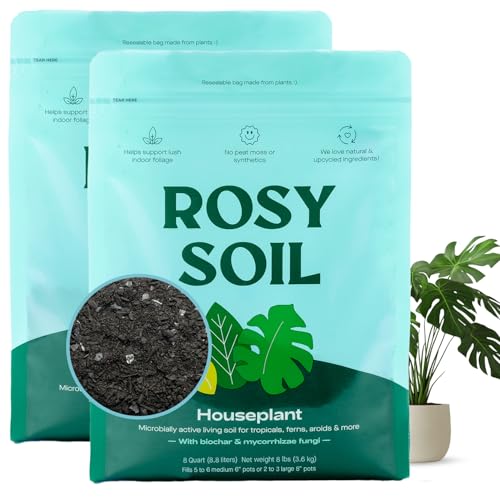
Rosy Soil Houseplant Soil 8 Quarts

PlantBest Coco Mulch Block 64 Quarts

Rosy Soil Houseplant Soil, 4 Quarts

PlantBest Coco Peat Garden Soil
The Strengths Of Each Pick
This mix earns its place beside a vegetable container for a specific reason: a mixed herb bed can include jade, aloe, or another drought-tolerant plant that dislikes the consistently moist conditions many edible crops prefer. The loose, chunky structure gives those roots room while allowing excess water to move out of the pot.
For most patio vegetable setups, though, this is a supporting mix rather than the main filling medium. Its peat-free composition and biological ingredients may suit sensitive houseplants, while tomatoes and leafy vegetables usually benefit more from a general-purpose medium tuned to their heavier watering needs.
Benefits That Matter
- The coarse structure supports quick drainage and reduces the chance of compacted, waterlogged soil.
- Worm castings, beneficial fungi, and microorganisms add biological material to the root zone.
- Peat-free ingredients suit gardeners seeking a different soil approach.
- Each resealable 4-quart bag is labeled to fill roughly two or three plants, making portioning easier.
Things To Consider
- The formula targets succulents and drought-tolerant houseplants rather than thirsty vegetables.
- You may need to mix it with another medium for mixed edible and succulent containers.
Key Specs
Built With In Mind
Suited to balcony gardeners combining succulents with low-water edible plants in separate containers.
Where Another Pick Shines
PlantBest Coco Peat Garden Soil suits you better when tomatoes, peppers, or leafy crops need a lightweight general growing medium.
Biochar is a stable, carbon-rich amendment made by heating organic material in a low-oxygen environment. This blend adds that structure to potting soil, raised beds, and container plantings, with the manufacturer recommending about 5% by volume for new soil.
That makes it a practical soil improver rather than a complete planting medium. For an aging patio bed, sprinkling it around the base and working it into the upper few inches can add organic material without replacing the entire root zone.
Key Advantages
- Biochar holds water and nutrients within its porous carbon structure.
- Mycorrhizae form a root-level relationship that supports nutrient uptake.
- Worm castings and compost feed the soil’s biological community.
- The formula suits vegetables, herbs, flowering plants, and container gardens.
- One 8-quart bag covers up to five cubic feet or about 32 square feet.
Trade Offs
- It must be blended with potting soil rather than used as the sole container medium.
- The measured application rate matters, especially in a limited-sized pot.
Quick Facts
The Right Fit
Best for you when you want to improve an established container mix or blend a richer medium before planting vegetables.
Consider Something Else When
PlantBest Coco Peat Garden Soil is the better fit when you need a complete medium rather than an additive.
The larger pack makes sense for a home filled with foliage plants that need repotting, while its living-soil ingredients give container roots more varied support than plain garden soil. Biochar, compost, worm castings, bark fines, and mycorrhizae work together without relying on peat moss.
Your vegetable containers need a slightly different decision. This listing centers on indoor houseplants, so check the crop’s drainage and feeding requirements before using it as the main medium for tomatoes, peppers, or compact greens.
The Practical Payoff
- The peat-free blend supports a porous container root zone.
- Biochar and compost add both physical structure and organic material.
- Mycorrhizae support the natural exchange of nutrients between soil and roots.
Where It May Fall Short
- Its stated use centers on indoor houseplants rather than edible crops.
- Eight quarts may cover only a few medium pots.
- Heavy feeding vegetables may need a crop-appropriate supplemental feeding plan.
Made For
Suited to you when repotting several indoor plants and prioritizing a peat-free, biologically active medium.
Swap It Out When
PlantBest Coco Peat Garden Soil fits edible container crops better because it is presented as a complete garden growing medium.
This compressed coconut block serves a different role from potting soil. Add water, and it expands into 64 quarts of mulch for covering garden beds, surrounding container plants, or reducing exposed soil, with the listing also identifying weed control as an intended use.
For a patio setup, a thin surface layer can help limit splash and keep the growing medium away from wet container rims. It remains a top dressing, though, so it should not replace the root-zone medium inside your pots.
Practical Pluses
- The compressed format is lighter and easier to store than a full-volume mulch bag.
- Water expands the block into ready-to-apply coconut mulch.
- The expanded volume can cover the stated area for several containers or beds.
Small Caveats
- It needs water and expansion time before application.
- It is mulch rather than a complete soil mix for filling containers.
Feature Snapshot
Who Will Love This
Best for you when storage space is tight and you want a lightweight mulch for container surfaces.
Another Choice May Suit
PlantBest Coco Peat Garden Soil suits you better when you need medium around the roots rather than a surface covering.
Four quarts keeps this version convenient for a small potting bench, balcony shelf, or group of compact houseplant containers. Its peat-free blend combines biochar, worm castings, mycorrhizae, compost, and bark fines, giving the root zone both physical components and active biological material.
That structure can be useful alongside a vegetable setup, particularly for herbs or decorative plants in separate containers. It is not positioned as a dedicated edible-crop formula, so the crop’s own needs should guide your choice.
Notable Upsides
- The smaller bag is convenient for individual repotting jobs.
- Biochar and bark fines contribute to a porous growing medium.
- Compost and worm castings add organic material without peat moss.
Practical Considerations
- One container may use a substantial portion of a 4-quart bag.
- The formula is aimed at indoor houseplants rather than crop-specific vegetables.
Best Suited To
Suited to you when you have several small houseplant pots and want a peat-free blend with living soil components.
Look Elsewhere When
Rosy Soil Biochar Booster, 8 Quarts fits you better when you want to amend a larger amount of existing container soil.
Coconut coir gives this concentrated medium a light texture that suits the confined root zones found in patio vegetables. The 11-pound compressed block expands to approximately 79 quarts, or 2.65 cubic feet, making it practical for several containers without the bulk of loose potting material.
Its triple-washing process and low salt content are useful distinctions for a growing medium. After hydration, you can use it directly or adjust its drainage and water-holding behavior for the crop, pot size, and your local weather.
Real Benefits
- The concentrated block is lighter to carry and easier to store.
- Expanded volume supports multiple vegetables or a raised-bed container.
- Triple washing and low salt content suit sensitive roots.
- The peat-free coconut medium fits common container-gardening priorities.
- Its lightweight structure makes raised pots easier to move.
Points To Note
- It must be hydrated and expanded before planting.
- You may need to add another component for crops requiring a different drainage profile.
Technical Highlights
Who Should Grab It
Best for you when you want a lightweight, peat-free medium for tomatoes, herbs, greens, and compact raised planters.
Reach For A Different Pick When
Rosy Soil Cactus Mix 4 Quarts suits you better for succulents and other drought-tolerant plants.
Building a Container Bed That Drains Well
Start With the Root Zone
A container needs a stable root zone, not simply a pile of loose material. Peat-free coir, bark-based mixes, and amended potting soils behave differently as you water them, so choose based on drainage, water retention, and the crop’s root demands. Your pot also needs unobstructed drainage holes.
Match Water Holding to the Crop
Leafy greens and many herbs tolerate a more evenly moist medium than peppers, tomatoes, and succulents. A coir-based mix offers a useful starting point, while a looser cactus formula creates a quicker-draining root environment. You gain more control by observing how quickly the surface dries in your exact location.
Add Amendments Without Overmixing
Biochar can improve structure and water retention when it is properly distributed. Rosy Soil recommends about 5% for new soil, or roughly one cup per cubic foot, which makes careful measurement more useful than adding extra by guesswork.
Plan for Storage and Refills
Loose potting soil is convenient from the first scoop, while compressed blocks take less room until you add water. Consider where you will hydrate the block, how much expanded mix your containers require, and whether the resealable packaging will remain useful after repotting.
The Fine Details That Shape Your Mix
Mistakes Worth Dodging
Avoid filling a container with garden soil, mulch, or dense cactus mix simply because drainage seems preferable. Check that the material is intended for the root zone, and separate surface mulch from the growing medium. Compact the mix lightly so water can pass through instead of creating air pockets that dry out unevenly.
What The Higher Tier Buys
A blend containing biochar, worm castings, mycorrhizae, or compost includes more components than a basic coconut block. The added complexity can provide biological activity and longer-lasting structure, but you pay for ingredients that matter most when you are improving an established medium rather than replacing poor soil.
Frequently Asked Questions
What Is the Best Soil Mix for Container Vegetables?
The best fit is a well-draining potting medium matched to the crop and container. PlantBest Coco Peat Garden Soil is a practical general option, while amended mixes can improve an existing root zone.
Can Coco Mulch Fill a Vegetable Container?
No, PlantBest Coco Mulch is intended as a surface covering rather than the medium surrounding roots. Use it around container plants and keep the main growing medium separate.
Is Peat-Free Soil Always Better?
No, peat-free describes the ingredients rather than the overall growing performance. You still need suitable drainage, water retention, and a medium appropriate for the plant.
Can Biochar Be Mixed With Potting Soil?
Yes, Rosy Soil Biochar Booster is designed to be blended into new soil or worked into the upper layer around existing plants. Its recommended starting rate is about 5% of the new soil volume.
How Should You Choose a Container Mix?
Start with the crop’s watering needs, then account for pot size and local drying conditions. Choose a complete medium for filling pots, and consider amendments only when your existing mix needs additional structure.
Final Verdict
Your most practical choice depends on the job: PlantBest Coco Peat Garden Soil fills vegetable containers, Rosy Soil Biochar Booster improves existing soil, and PlantBest Coco Mulch covers the surface. Match the medium to the plant rather than expecting one blend to handle every role on a crowded patio.
