

A yucca in a heavy, waterlogged pot can suffer long before you notice the soil problem. A free-draining indoor potting mix gives those thick roots room to breathe while still providing enough moisture for steady growth, and the right bag size also matters for apartments with limited storage. These options cover everything from compact containers to larger collections.
An Overview Of The Picks

Organic Potting Mix 4QT

Organic Potting Mix 8QT
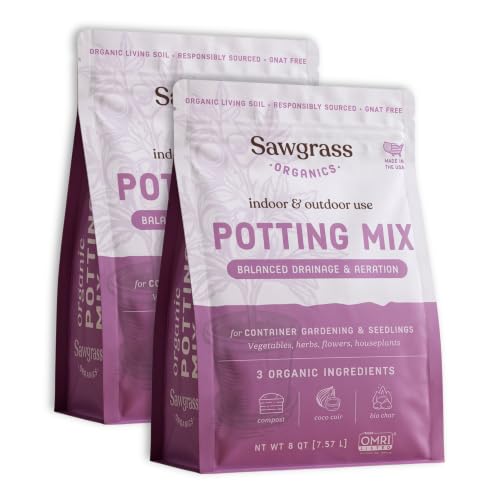
8QT Potting Mix 2-Pack

4QT Potting Mix 2-Pack

Crab & Shrimp Compost 4QT
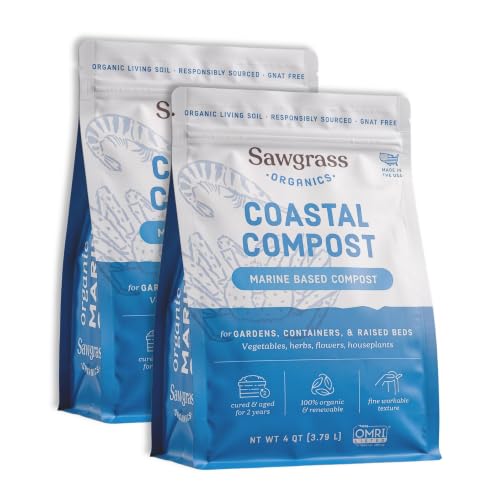
Crab & Shrimp Compost 2-Pack
A Closer Look At Each Pick
The 4-quart bag works neatly for a single indoor yucca or a couple of small pots. Its blend uses compost, coconut-fiber coir, and biochar, a porous carbon material that supports soil biology and nutrient retention. That combination should give thirsty indoor plants more breathing room than dense garden soil.
The mix is peat-free, so it avoids the compaction problem associated with some peat-heavy media. Its screened compost also keeps the planting texture fairly consistent, though you still need a container with drainage holes.
Key Advantages
- Coir creates air space around thick yucca roots.
- Biochar helps the blend retain nutrients between waterings.
- Triple-screened compost reduces large clumps and debris.
- The manageable 4-quart size suits small indoor spaces.
Practical Considerations
- One bag may be short for several large pots.
- This is general-purpose mix, not a pre-fertilized yucca formula.
At A Glance
Built With In Mind
This option suits you when one yucca occupies a compact pot and you want an open, moisture-retentive medium without handling a large bag.
Where A Sibling Pick Shines
Organic Potting Mix 8QT suits you better when repotting several plants or maintaining a larger indoor collection.
Compared with the 4-quart version, Organic Potting Mix 8QT carries more mix through the same formula. It suits a busy repotting routine, a group of medium pots, or a plant that has outgrown its previous container. You avoid reaching for a second bag halfway through the job.
Compost contributes organic material, while coir, a coconut-fiber medium, helps the pot drain and accept water again after drying. The result may feel more practical than luxurious, but for routine indoor care, dependable supply and an open structure are the useful parts.
What It Does Well
- Eight quarts cover several moderate-sized pots.
- Coir helps reduce compaction around container roots.
- Small-batch handling supports a carefully managed moisture level.
Points To Note
- Store the larger bag somewhere dry and easy to access.
Who It Suits Best
This option fits home gardeners repotting multiple indoor plants or maintaining several yucca pots during a seasonal refresh.
Look Elsewhere When
Crab & Shrimp Compost 4QT is the better fit for you when you want to control the compost proportion in a custom container blend.
The two-bag format builds on the single 8-quart option by giving you 16 quarts of the same peat-free blend. That amount makes sense for a sizable yucca collection, several mixed houseplants, or a seasonal refresh that includes multiple pots. The second bag also provides useful reserve.
Its practical advantage is straightforward: you get the established coir, compost, and biochar structure without a different formula for each container. Depending on your storage arrangement, the separate bags may also be easier to position than one very large package.
Positive Points
- Two 8-quart bags cover extensive repotting work.
- Biochar gives beneficial microbes a supportive habitat.
- Compost adds organic matter to the container mix.
- The open structure helps resist long-term compaction.
- Both bags work for indoor and container plants.
A Few Limitations
- You may have more mix than a single yucca requires.
- Two bags need more storage room than one.
Made For
This pack works well for plant collectors who maintain several yuccas or mix indoor pots during seasonal repotting.
Another Choice May Suit
4QT Potting Mix 2-Pack suits you better when limited storage space matters more than having a large reserve of mix.
Unlike the 8-quart two-pack, this version splits the supply into two smaller bags. That makes it a more manageable choice for an apartment, a utility shelf, or a routine care kit covering a handful of medium pots. The same peat-free blend remains the deciding advantage.
Coir brings lightness and moisture retention, while the screened compost and biochar add organic matter and support the root zone. For a single yucca, eight quarts may be generous, but you will have mix ready for the next repotting rather than reopening a partly filled bag.
A Favorable Mix
- Separate 4-quart bags are easier to store than one large bag.
- The light coir-based structure supports indoor root aeration.
Some Limits To Know
- Eight quarts may exceed the needs of one small yucca.
- The blend serves many plants rather than yucca-specific needs.
- You must maintain drainage holes in every container.
Feature Snapshot
The Right Fit
This two-pack fits you when you want a few smaller pots of soil without committing to a large storage bag.
Swap It Out When
8QT Potting Mix 2-Pack makes more sense for you when storage capacity is generous and you want to cover many medium-sized pots.
This compost is a different approach from the complete potting mixes above. Instead of providing the entire container medium, it gives you a finished amendment to blend into your own mix. You retain control over the balance between compost and an airy base material.
The blend combines fish byproducts, crab and shrimp shells, dairy manure, and wood shavings. It receives at least two years of curing before use, which supports a mature, stable compost rather than unfinished organic material. Triple screening makes it easier to distribute through container soil.
What Earns Its Place
- Long curing produces a stable finished compost.
- Fine screening helps it mix evenly.
- Pure compost leaves the blending ratio under your control.
Things To Consider
- Compost alone does not supply the airy structure an indoor pot needs.
- The 4-quart quantity requires careful ratio planning.
Best Suited To
This compost suits you when you maintain several yucca pots and prefer building each container blend from separate components.
Reach For A Different Pick When
Organic Potting Mix 4QT is easier for you when you want a ready-to-use medium without deciding how much compost to add.
Compared with the single 4-quart compost bag, this two-pack preserves the same mature coastal compost formula while doubling your supply. It makes sense for a houseplant room where several yucca pots need refreshed soil or where you blend amendments for herbs and other indoor plants.
The blend is entirely compost, without bark, sand, peat, or added fillers, so it remains a customizable component. Its marine and farm-derived inputs offer a distinctive material profile, though you still need to combine it with a suitable airy medium for container planting.
Noteworthy Benefits
- Two bags support multiple custom container blends.
- At least two years of curing creates finished compost.
- Triple screening removes larger debris and clumps.
- No peat or other fillers preserve your blending control.
Details To Watch
- Use it as an amendment rather than the sole potting medium.
Core Details
Whose Shelf It Belongs On
This pack fits dedicated plant keepers who prepare their own indoor soil formulas and value control over each component.
A Better Fit Elsewhere
Crab & Shrimp Compost 4QT suits you better when a single bag matches your current custom-mixing needs.
What Yucca Pots Need From Soil
Drainage Comes First
An indoor yucca performs best in a container that releases excess water freely. Waterlogged soil can remain saturated around the roots, so your pot should have drainage holes and a loose medium that does not close into a dense block. Potting mix is preferable to dense garden soil because it is formulated for the limited root space and limited airflow of a container.
Structure Without Compaction
Coir is a lightweight coconut-fiber material that helps maintain air space and accept water after drying. Compost adds organic matter, while biochar supports nutrient retention and soil biology. For a long-lived yucca, that open structure matters because a pot can remain in place longer than a seasonal garden bed.
Container Size And Quantity
A 4-quart bag suits one medium container or several small pots. Eight quarts becomes more practical for a group of mature plants, while two-pack formats offer useful reserve. Estimate based on the volume of each pot rather than the plant count alone, since root size and container width can vary considerably.
How To Blend An Amendment
Pure compost works as a component rather than a complete indoor medium. Mix it with an airy base material in a proportion that suits the plant and container, then confirm that the finished blend drains freely. The 1-to-2-inch application described for Coastal Compost is suited to garden beds, so container users should incorporate it directly into the potting mixture.
Two Soil Decisions That Matter
Mistakes Worth Dodging
Avoid choosing a dense mix solely because it looks rich or dark. Skip oversized containers for a small yucca, since extra soil volume can stay wet longer than the roots can use. Also avoid planting without drainage holes, because no potting blend can compensate for trapped water.
Where The Extra Money Goes
A larger bag or two-pack usually pays off through fewer restocking trips and more soil for seasonal repotting. A specialized compost costs more because of its detailed curing, marine-derived ingredients, and fine screening. You gain more control by blending it yourself, though ready-to-use potting mix remains easier for most indoor plant care.
Frequently Asked Questions
Do indoor yuccas need special soil?
Indoor yuccas need loose, free-draining potting media rather than dense garden soil. A coir-based blend with compost offers useful airflow and moisture retention, while a drainage hole remains essential.
Can I use compost by itself for a yucca?
Compost alone is not the best choice because it lacks the open structure needed in a container. Use it as an amendment within a suitable potting blend, or choose a complete peat-free potting mix for simpler care.
Is garden soil suitable for an indoor yucca?
Garden soil can become compact in a pot and may drain poorly. A light potting mix designed for containers gives yucca roots more room to spread and helps water move through the pot evenly.
How much soil does one indoor yucca need?
Choose a mix quantity that fills the selected container with some room for future root growth. A 4-quart bag works well for one medium pot, while multiple plants or larger containers require proportionally more.
How should I prepare a yucca for repotting?
Choose a container with drainage holes and use a light, free-draining mix. Water lightly after repotting and let excess water leave the pot rather than leaving the yucca standing in water.
Final Thoughts
A free-draining, open potting mix gives an indoor yucca a better foundation than dense garden soil. Choose the 4-quart options for a small setup, move to 8-quart bags for multiple plants, and select the coastal compost only when you want to control the blend yourself. Match the quantity to your pots, not the number of leaves.
