

A succulent pot can look dry on top while its roots sit in damp soil long after watering. You need a porous, fast-draining mix that gives roots room without collapsing, whether you are repotting a windowsill jade plant or refreshing a patio full of cactus containers. The right blend also depends on whether you want a specialized cactus mix, a chunkier aroid medium, or a conventional amended potting soil.
The Picks In Brief
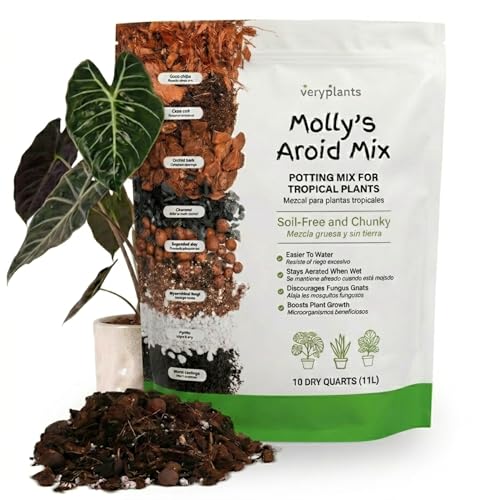
Molly’s Aroid Potting Mix 10 Dry Quarts

FoxFarm Happy Frog Potting Soil with Microbes and Castings, 12-Quart Pack of 2
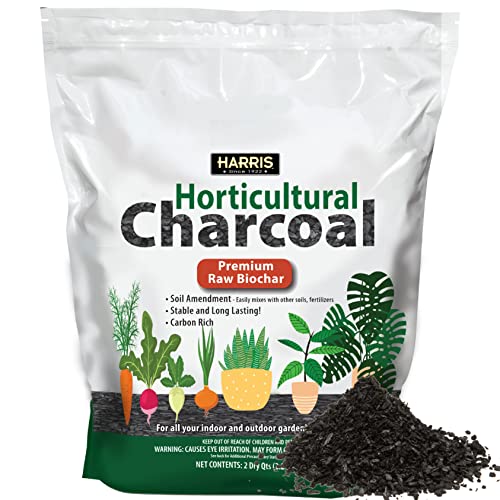
Harris Biochar Soil Amendment 2qt

Spike & Bloom Gritty Bonsai Soil with Mycorrhizal Fungi, 4 Quarts

Spike & Bloom Succulent Soil, Coffee Compost and Mycorrhizal Fungi

Spike & Bloom Cactus Soil with Mycorrhizal Fungi, 8 Pounds, 4 Quarts
Inside Each Recommended Option
Molly’s Aroid Potting Mix takes a different route from ordinary potting soil. Its chunky, soil-free structure leaves more space around roots, which matters when a Monstera or Philodendron is kept in an indoor pot where water can linger. You get a lighter medium that is easier to handle during repotting.
The mix is particularly useful for tropical foliage plants that appreciate aeration but still need a moisture-retentive component. Compared with FoxFarm Happy Frog, it is the more openly structured option, while its 10-dry-quart format favors a substantial repotting session.
Well-Handled Touches
- The coarse blend drains quickly and resists compaction around roots.
- Using no garden soil keeps the medium lighter and cleaner to handle.
- Mycorrhizal fungi form beneficial relationships with roots to support water and nutrient uptake.
- The heat-sealed, resealable bag helps protect unused mix between projects.
- Its claimed longevity can mean fewer complete repotting cycles.
Trade Offs
- This specialized mix is intended for indoor tropical plants rather than outdoor garden beds.
- A 10-quart bag needs sensible storage because its volume is substantial.
Key Specs
The Right Fit
This mix suits indoor plant owners who want an airy, fast-draining home for Monstera, Philodendron, Alocasia, or similar tropical plants.
A Better Fit Elsewhere
Choose FoxFarm Happy Frog Potting Soil instead for conventional containers holding ficus, geraniums, lemon trees, trees, shrubs, or roses.
FoxFarm Happy Frog is the broader container mix in this group. It suits people tending more than one kind of plant, including indoor ficus, outdoor geraniums, potted lemon trees, shrubs, and roses. You can fill the container directly, then water thoroughly after planting.
Its composition centers on earthworm castings, bat guano, aged forest products, and soil microbes. Compared with Molly’s open, soil-free aroid mix, this is a more heavily amended traditional potting medium, making it more relevant to general container feeding than to an especially airy root zone.
Points In Its Favor
- The blend is ready to use without assembling your own ingredients.
- Earthworm castings and aged forest products enrich container soil.
- Soil microbes can support root efficiency and nutrient uptake.
- It serves both indoor and outdoor container plants.
Things To Consider
- Its richer composition does not offer the clearly chunky, soil-free structure of Molly’s Aroid Potting Mix.
- For trees and shrubs, select a container roughly two to three times the diameter of the root mass.
- Extra fertilizer may be added according to the plant’s needs.
Who It Suits Best
This option fits home gardeners maintaining varied container plants, including fruiting plants, flowering plants, and woody specimens.
Look Elsewhere When
Spike & Bloom High Drainage Succulent Soil is more closely matched to pots that need especially rapid drainage for drought-tolerant plants.
Harris Biochar Soil Amendment is not a complete potting mix, and that distinction matters at the mixing bench. Biochar is a stable, carbon-rich amendment made from plant material, so you combine it with your own growing medium. For a small houseplant batch, one part biochar to nine parts potting soil gives you a manageable starting formula.
This approach appeals to gardeners who already know how their mix drains and want to adjust its water retention or biological composition. Unlike the complete blends here, it also works in terrariums, orchids, bonsai, ornamental gardens, and other planted displays.
Strong Points
- Biochar can increase water retention within an otherwise porous mix.
- Plant-derived materials support soil carbon and beneficial microbial life.
- One measured part per nine parts potting soil makes proportioning straightforward.
- The 2-quart container suits small batches and custom soil recipes.
Practical Considerations
- You need another potting medium because this product is an amendment rather than a ready-made mix.
- Accurate volume measurement helps maintain the intended soil texture.
Core Details
Made For
This amendment suits indoor plant enthusiasts and terrarium growers who prefer to control the proportions of their own soil recipe.
Another Choice May Suit
Choose Spike & Bloom High Drainage Cactus Soil for a ready-made medium without any measuring or blending.
Bonsai soil has a different job from a broad indoor potting blend: it must balance quick drainage with enough structure to support a carefully trained tree. Spike & Bloom’s gritty formulation provides that focused profile for juniper, ficus, and maple bonsai kept indoors or outdoors.
Mycorrhizal fungi, living organisms that can form mutually beneficial relationships with roots, add a biological component to the mineral-focused blend. Compared with the moisture-oriented Happy Frog mix, this soil is the more specialized choice for shallow bonsai containers where drainage and airflow are especially important.
The Case For It
- The gritty composition promotes drainage and airflow around fine bonsai roots.
- A slightly acidic profile aligns with the stated needs of bonsai trees.
- Mycorrhizal fungi support root interactions and nutrient acquisition.
- One blend accommodates juniper, ficus, and maple bonsai.
- The mix can be used for trees maintained indoors or outdoors.
Points To Note
- This is a bonsai-focused blend rather than a general potting medium for everyday houseplants.
- Four quarts may require planning across several training containers.
Built With In Mind
This soil suits bonsai growers who need gritty drainage, slightly acidic conditions, and a stable root-zone structure.
Reach For A Different Pick When
Molly’s Aroid Potting Mix is the more natural choice for tropical foliage plants with broad leaves and larger indoor containers.
Spike & Bloom’s succulent blend is built around the tension familiar to anyone growing cacti or other drought-tolerant plants in containers. The gritty formula encourages water to move through the pot, while the stated pH of approximately 6.7 provides a slightly acidic root environment. That pH measure indicates how acidic or alkaline a growing medium is.
Coffee compost and mycorrhizal fungi give this 4-dry-quart option a more specialized identity than a plain mineral mix. Compared with Spike & Bloom’s cactus soil, its pH is slightly higher, although both products share the same high-drainage approach for succulent collections.
What It Does Well
- High drainage helps keep the root zone from staying saturated.
- The approximately 6.7 pH suits the slightly acidic conditions preferred by succulents.
- Coffee compost contributes an organic component to the gritty base.
- Mycorrhizal fungi can support roots and their access to nutrients.
- Four dry quarts offers a practical size for a focused repotting project.
Softer Spots
- A drainage hole remains necessary because a gritty mix cannot compensate for a trapped container.
- Plant-specific watering habits still determine how quickly the medium dries.
Quick Facts
Who Will Love This
This mix fits succulent collectors who want a ready-made, slightly acidic medium with coffee compost and root-supporting fungi included.
Where A Sibling Pick Shines
Spike & Bloom High Drainage Cactus Soil offers a slightly lower stated pH and a larger 8-pound package for bigger repotting tasks.
Spike & Bloom High Drainage Cactus Soil delivers a focused answer for people moving beyond a single small succulent. The gritty mix is formulated for cactus and succulent containers, with rapid drainage intended to support root health by reducing prolonged saturation around the roots.
Its stated pH is 6.5, slightly below the approximately 6.7 of Spike & Bloom’s succulent blend. The 8-pound package is also the larger of those two options, which makes it easier to fill several containers in one session without reaching for a second bag.
Where It Helps
- The gritty structure promotes fast drainage in cactus and succulent pots.
- A pH of 6.5 creates a slightly acidic growing environment.
- Mycorrhizal fungi add root-focused biological support.
- Four quarts provides enough medium for multiple container plantings.
Honest Caveats
- Containers still need unobstructed drainage holes.
- Its dedicated cactus focus makes it less relevant to general flowering containers.
Feature Snapshot
Best Suited To
This cactus soil suits beginners building a collection or experienced growers replacing medium across several pots at once.
Swap It Out When
Choose Spike & Bloom High Drainage Succulent Soil for a blend that specifically includes coffee compost and a slightly higher stated pH.
What to Look for in a Fast-Draining Succulent Mix
Drainage Comes First
Succulents store water in their tissues, so their roots can suffer in a pot that remains wet between drinks. Look for a gritty, porous mix that drains freely rather than one that packs into a dense mass. A container hole is equally important, since drainage holes keep water moving out of the pot.
Particle Size Changes the Texture
Coarse particles create larger spaces for airflow, while finer material can make a mix denser. Chunky blends suit indoor tropical plants with substantial root systems, and gritty mixes are useful for succulents, cacti, and bonsai. In terrariums, adjust the blend for the planting layer and the depth of the container.
Match the Plant and Pot
A bright windowsill succulent may need a different watering rhythm from a patio cactus, but both benefit from air around their roots. Bonsai trees also need a stable medium for shallow containers, making a purpose-built bonsai mix more useful than an amended general potting soil. Check the plant’s preferred conditions before repotting.
Understand Specialized Ingredients
Mycorrhizal fungi can form beneficial relationships with roots and support access to water and nutrients. Biochar is a carbon-rich amendment used to modify an existing medium rather than replace it. Coffee compost contributes organic material, while pH describes the medium’s acidity and can help determine whether it suits a particular plant.
Avoiding Costly Potting Mistakes
Mistakes Worth Dodging
Do not choose a dense indoor mix simply because it feels richer in the bag. Fine particles can retain more moisture than many succulents want, and a container without a drainage hole defeats the purpose of a porous blend. You also need to account for the existing root ball rather than judging soil by appearance alone.
What Separates Premium From Basic
Higher-priced blends often add specialized components such as mycorrhizal fungi, measured pH control, or carefully balanced mineral particles. Those details matter when you want repeatable results across a collection. For one small pot, a straightforward amended mix may be enough, but a larger collection can justify the added control.
Frequently Asked Questions
What is the best soil for succulents?
The best soil for succulents is a porous, fast-draining mix with enough structure to keep air around the roots. A gritty cactus or succulent blend works well for most drought-tolerant container plants.
Should succulent soil contain mycorrhizal fungi?
Mycorrhizal fungi can support root relationships, water uptake, and nutrient absorption. They are a useful component, but drainage, particle structure, and a suitable container remain the primary considerations.
Is gritty soil better for every succulent?
Gritty soil favors drainage, which suits many cacti and succulents. Tropical foliage plants may also need moisture-retentive components, making a chunkier aroid mix more appropriate for species such as Philodendron or Monstera.
Can I use potting soil for succulents?
Potting soil can work after you improve its drainage with suitable mineral material. Using a ready-made succulent or cactus mix is simpler because its particle structure and proportions are already aimed at lower moisture retention.
Do succulent pots need drainage holes?
Yes, drainage holes let excess water escape and reduce the chance of saturated soil around roots. A porous mix cannot compensate fully for a pot that traps water at its base.
Final Verdict
For most succulent collections, Spike & Bloom High Drainage Cactus Soil offers the clearest balance of drainage, a slightly acidic profile, and a useful multi-pot size. Choose the succulent blend for coffee compost, the bonsai mix for trained trees, or Molly’s Aroid Potting Mix for tropical foliage plants. Match the medium to the plant and let the pot do the rest.
