

You push a trowel into a raised bed and discover the soil stays compacted after the first watering. Dense, soggy roots and a bed that feels heavier with every scoop point to one problem: your growing medium needs more structure. The right soil for raised beds balances drainage, aeration, moisture retention, and enough nutrition for vegetables, herbs, and flowers. These options cover everything from compact coco blocks to bulk perlite and supplemental plant food.
Your Options, Compared

plantonix Organic Coco Coir 650g Bricks, 6-Pack for Plants, Seed Starting & Mulch

Organic Plant Magic Compressed Potting Soil with Coir & Worm Castings for Garden Beds

Halatool 20QT Perlite for Plants
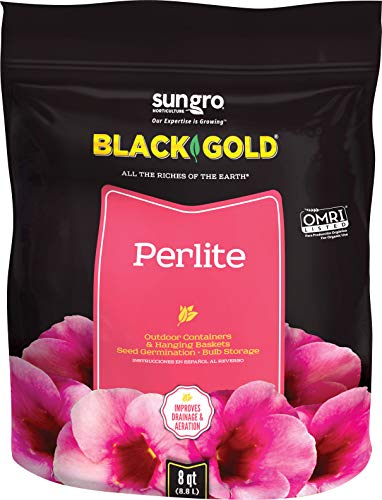
SUN GRO 8-Quart Perlite Soil Amendment
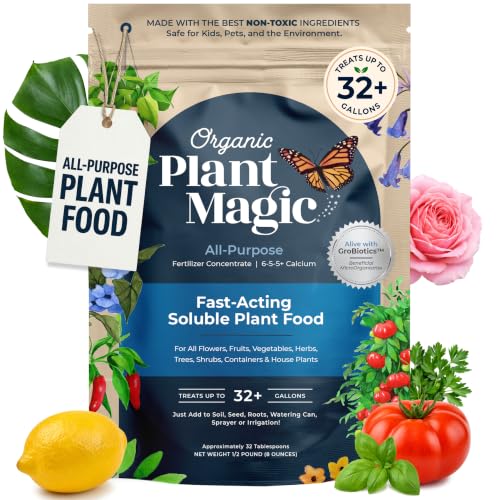
Organic Plant Magic Fertilizer & Plant Food 1/2 lb

Organic Plant Magic Slow-Release Plant Food, 4 lb for Garden & House Plants
A Deeper Look At The Lineup
Coco coir is compressed coconut fiber that expands after wetting, giving raised beds a light, porous base without the weight of a full bag of damp soil. The plantonix set includes six 650g blocks, and each block has been rinsed and screened to remove loose fibers, sand, and rock fragments.
For most small raised beds, this compact format is easy to store and carry before hydration. You can use the expanded coir for container plants, seed starts, or a surface mulch, although it works best as part of a mix selected for the crop and bed conditions.
Noteworthy Benefits
- Compressed blocks take up less storage space than loose growing medium.
- Screening helps leave a cleaner, more uniform coir for mixing.
- Lightweight coir is easier to handle than saturated potting soil.
- The six-block pack provides useful volume for several containers.
- OMRI-listed coir suits gardeners seeking an organic-production-listed medium.
Practical Considerations
- Each block must be hydrated before planting, so prepare it before filling the bed.
- Coir serves as a growing medium rather than a tailored fertilizer for every crop.
Key Specs
Made For
You’ll appreciate this set most when space is limited or you need a lightweight base to blend with other growing media.
Where Another Choice Suits Better
Organic Plant Magic Compressed Organic Potting Soil suits you better when you want coir and worm castings combined in a ready-to-expand bed mix.
Filling a large bed with loose potting soil can consume considerable storage space. Organic Plant Magic compresses its coir-and-worm-casting blend into granules that expand up to four times after water is added, producing as much as three gallons of growing medium.
That makes this a practical choice for patios, indoor containers, and raised beds assembled gradually. Compared with plantonix’s plain coir blocks, it arrives as a blended medium, though you still control how much you add to each bed.
Benefits That Matter
- The compact bag is easier to carry and store than loose potting soil.
- Expansion after watering creates useful volume for filling beds.
- Coir supplies a lightweight base, while worm castings add organic material.
- Trace minerals are nutrients present in small amounts within the blend.
Some Limits To Know
- Water is required to expand the granules before they enter the bed.
- The resealable format requires proper storage to keep the compressed mix dry.
- Different crops and bed depths may still call for adjustments to the finished texture.
Feature Snapshot
Right Fit For
This mix fits you well when convenience and expanded bed volume matter more than handling separate amendments.
Another Choice May Suit
plantonix Organic Coco Coir Bricks suit you better when you prefer separate compressed blocks for custom blending.
Perlite is a lightweight volcanic material that adds air space to dense potting mixtures. The Halatool 20-quart container gives you a substantial supply for a large raised bed, several containers, or a batch of seed-starting media.
Mixing perlite into heavy soil can reduce compaction and improve drainage, which matters in a bed that stays wet between watering. Unlike the compressed products, perlite arrives as a ready-to-blend amendment and does not expand after hydration.
Positive Points
- The 20-quart volume supports substantial soil-mixing projects.
- Air pockets improve drainage around roots in dense media.
- Lightweight perlite makes handling and mixing less demanding.
Where It May Fall Short
- Perlite is an amendment, not a complete planting medium on its own.
- The quantity needed depends on your existing soil and the blend ratio you choose.
Built With In Mind
This bulk container suits you when a large bed needs aeration and your existing mix feels dense or slow to drain.
Where A Sibling Pick Shines
SUN GRO 8-Quart Perlite Soil Amendment suits you better for small seed batches, containers, and manageable mixing projects.
Eight quarts is a manageable amount of perlite for seed trays, cutting pots, and a modest raised-bed amendment. SUN GRO positions this perlite as a lightweight soil amendment for aeration, drainage, and moisture retention within the surrounding mix.
For a busy potting bench, that smaller volume is easier to control than the Halatool 20-quart container. You can incorporate it into potting soil without handling a much larger supply, and the material also supports seed starting and rooting cuttings.
A Few Highlights
- Lightweight perlite improves aeration within dense soil mixes.
- The eight-quart volume is convenient for smaller mixing batches.
- A sterile medium is suited to seed starting and rooting cuttings.
- Perlite does not degrade, so it continues providing structural support.
Details To Watch
- The eight-quart quantity covers less bed volume than the Halatool container.
- It still needs to be blended with a suitable planting medium.
Quick Facts
Who It Suits Best
This size fits you well when you work with containers, propagation mixes, or a smaller raised bed.
Reach For A Different Pick When
Halatool 20QT Perlite for Plants suits you better when soil volume and repeated mixing calls for a larger supply.
A raised bed can have suitable structure yet still run short of nutrition as vegetables and flowers develop. Organic Plant Magic’s half-pound container holds a water-soluble concentrate, a plant food diluted with water before application.
The stated mixing ratio produces more than 32 gallons of liquid feed, making it useful for regular houseplant care as well as garden beds. Unlike perlite, this item supplements an established growing medium rather than changing its drainage.
What It Does Well
- One concentrate covers vegetables, flowers, herbs, fruit, trees, and houseplants.
- Water solubility makes it convenient for routine liquid feeding.
- The large stated mixing volume supports repeated applications.
- The compact container stores more easily than liquid feed prepared in bulk.
Points To Note
- This fertilizer does not replace a growing medium in an empty bed.
- Dilution and application need care so the concentrate is used as directed.
Made For
This fertilizer suits you when you want one liquid plant food for both raised-bed crops and indoor plants.
Consider Something Else When
Organic Plant Magic Slow-Release Plant Food suits you better when you prefer placing nutrients directly into the soil.
Slow-release fertilizer releases nutrients gradually rather than requiring frequent liquid-feedings. This four-pound bag contains spreadable granules for flowers, vegetable gardens, fruit trees, shrubs, and houseplants, giving you several placement options.
You can add granules to planting holes, mix them into soil, or apply them as a top dressing. Compared with Organic Plant Magic’s water-soluble concentrate, it places nutrition directly at the root zone and reduces the need for repeated liquid applications.
Useful Touches
- Granules offer flexible placement in holes, soil, or top dressing.
- Slow release supports an extended feeding approach.
- The formula applies across vegetables, flowers, trees, shrubs, and houseplants.
- Four pounds suits established beds and multiple planting areas.
- Dry granules remain easier to store than prepared liquid fertilizer.
Possible Compromises
- Granular plant food does not replace the soil or amendment used in the bed.
- Placement matters, so mix or apply the granules where roots can reach them.
Essential Details
Who Should Grab It
This granular food suits you when you maintain mixed beds and want a longer-lasting alternative to routine liquid feeding.
Swap It Out When
Organic Plant Magic Fertilizer & Plant Food suits you better when liquid feeding fits your indoor and outdoor routine.
Building a Raised Bed That Drains Well
Start With Bed Volume
Measure the interior dimensions before opening a compressed product. Coir and potting mixes can expand to several times their stored size, while perlite contributes its listed volume without expanding. For most beds, filling a small test container first shows how the hydrated texture and drainage will behave.
Match Roots to Structure
Perlite creates air spaces and improves drainage, so it helps where a mix becomes dense. Coir offers a lightweight base that can retain moisture without the weight of wet soil, while worm castings contribute organic material. The honest read is that blended media reduce guesswork, but separate components give you more control over the final texture.
Add Nutrients for Feeding
Structure and nutrition solve different problems. Perlite and coir shape the growing medium, while the two Organic Plant Magic options feed plants after the bed is in place. Choose a liquid concentrate for routine watering and broad household use, or slow-release granules for longer feeding periods and direct placement in soil.
Match the Mix to the Crop
Tomatoes, herbs, leafy greens, and flowers have different moisture and feeding needs. Watch how quickly the bed drains after watering and how dry the surface feels between irrigation cycles. A mixed coir-and-castings base is convenient for general beds, while a controlled perlite blend helps gardeners adjusting an existing medium.
Practical Details That Shape Your Choice
Mistakes Worth Dodging
Do not buy compressed coir by the bag alone and underestimate its hydrated volume. Equally, avoid treating perlite as a complete bed by itself, since it improves structure rather than supplying a balanced growing medium. Measure first, and keep coir and potting mixes dry until you are ready to expand them.
What Separates Premium From Basic
Higher-priced mixes commonly add components such as worm castings, trace minerals, or carefully screened coir. The upgrade earns its place when convenience, consistency, and fewer separate amendments matter to you. Plain coir blocks or basic perlite remain sensible when you already know how to build the mix you need.
Frequently Asked Questions
How Much Soil Do I Need for a Raised Bed?
Multiply the bed’s length, width, and desired soil depth to estimate its cubic volume. Allow room for the growing medium to settle, and account for expansion when using compressed coir or potting mix.
Can I Use Perlite Alone in a Raised Bed?
Perlite works best as an amendment because it improves aeration and drainage without providing a complete nutrient supply. Blend it with a suitable growing medium for most vegetables, herbs, and flowers.
Do Coco Coir Bricks Need Water Before Planting?
Yes, the compressed blocks need hydration so they can expand before use. Preparing them ahead of time makes mixing and filling the bed easier.
Is Potting Soil Enough for Raised-Bed Vegetables?
Potting soil can provide the necessary base, but its nutrient supply may not match a crop’s full-season needs. Check the blend and add an appropriate plant food according to the product directions.
Should I Use Liquid or Slow-Release Fertilizer?
Liquid concentrate fits regular watering routines and mixed collections of houseplants. Slow-release granules suit beds where you want nutrients placed in the soil over an extended period.
Final Verdict
Your raised bed needs a balance of drainage, moisture retention, and plant nutrition, not simply the largest bag on the shelf. Organic Plant Magic Compressed Potting Soil offers the most convenient general-purpose blend, while plantonix blocks and Halatool perlite provide more control over the final mix. Add Organic Plant Magic plant food once the growing medium is in place, then adjust irrigation to what the bed actually needs.
