

Your potted lavender needs soil that drains freely without becoming dust. A dense, moisture-holding mix can leave the crown sitting in wet soil, while an overly loose mix may dry too quickly on a sunny patio.
The best choices below range from mineral-heavy succulent blends to general-purpose potting soil, with the right amount of drainage for your growing conditions. Your decision should reflect the pot, climate, and watering habits.
The Lineup, Simplified
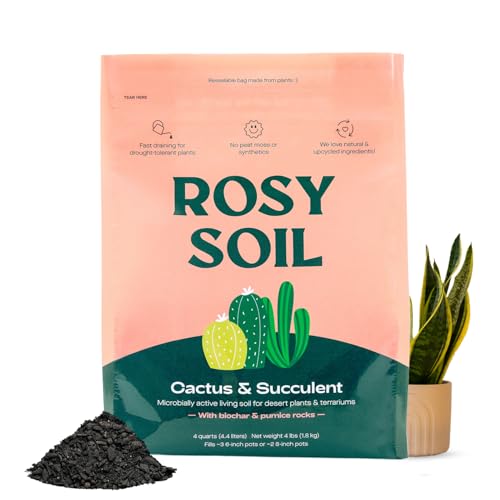
Rosy Soil Cactus & Succulent Mix, 4 Quarts

Grow Queen Craft Organic Houseplant Mix, 2QT

YISZM Succulent Cactus Soil, 2lb

Leaves & Soul Indoor Herb Soil Mix, 2.2 Qt

Michigan Peat Garden Magic Potting Soil, 40 lb

Leaves and Soul Orchid Soil Mix, 2.2 Quarts
What Each Pick Brings To The Table
Potted lavender rewards a loose root zone, and this mix is built around that need. Its chunky texture lets water move through the pot rather than staying packed around the crown. Compared with Grow Queen Craft Organic Houseplant Mix, it offers a more specialized foundation for lavender and other plants that dislike constantly wet soil.
The organic worm castings, beneficial fungi, and microorganisms add a different advantage from a purely mineral blend. For a sunny patio, that living component may be useful, although you may need to water a little more often in hot, dry weather.
Strengths Worth Knowing
- Loose, chunky structure supports drainage around lavender roots
- Organic worm castings add more than plain mineral particles
- Living fungi and microorganisms suit organic potting routines
- The 4-quart volume suits several medium containers
Things To Consider
- Living components can add complexity for gardeners who want a simple mineral-only medium
- The mix still needs a container with an unobstructed drainage hole
At A Glance
Made For
This suits you best when you want a ready-to-use, biologically active mix for lavender in warm, sunny containers.
A Better Fit Elsewhere
YISZM Succulent Cactus Soil suits you better when a mineral-heavy, top-dressing blend matters more than living components.
This mix takes a middle path between moisture retention and airflow. Its chunky, peat-free structure is designed for indoor plants, including tropical varieties that need a balanced root zone. That balance makes it practical for a potted herb collection, though it is less specialized for lavender than the succulent-focused blends.
The listing also positions it as less prone to fungus gnat problems, which can trouble indoor containers. You may find that helpful on a shared kitchen windowsill, but a lavender pot still needs sharp drainage rather than ordinary indoor watering habits.
Points In Its Favor
- Balances retained moisture with air around roots
- Peat-free composition suits container gardening
- Works across common indoor and tropical plants
- The 2-quart container handles several small pots
Trade Offs
- A general houseplant formula may retain more moisture than lavender prefers
- Its broad plant focus offers less guidance than a herb-specific mix
- Containers need clear drainage holes to prevent saturation
Right Fit For
You benefit most from this mix when lavender shares a windowsill with moisture-loving tropical houseplants.
Another Choice May Suit
Leaves & Soul Indoor Herb Soil Mix suits you better for a collection centered on rosemary, thyme, basil, mint, and lavender.
This is the most mineral-forward option in the group. Red and black lava rock, maifanitum, and green zeolite create the gritty structure that distinguishes it from the more blended Grow Queen houseplant mix. For a small lavender pot, that open texture directly addresses the need to keep water moving through the root zone.
The particles measure 5 to 8 millimeters, making the mix useful for bonsai containers, terrariums, and decorative top dressing as well as potting. You may need to check container drainage closely because the mix itself does very little to correct a pot that holds water.
What Stands Out
- Gritty mineral composition promotes free drainage
- Red and black lava pieces suit decorative surfaces
- Maifanitum and green zeolite complement the mineral base
- The 2-pound package suits small pots and top dressing
Small Caveats
- Fine roots may need a slightly larger pot than a very small container
- The dry mineral texture may require more frequent watering in intense heat
- Use as a full medium or a surface layer, depending on the planting setup
Technical Sheet
Who Will Love This
This appeals to you when you prefer a coarse, mineral-led medium and want a small package for pots, bonsai, or decorative surfaces.
Reach For A Different Pick When
Rosy Soil Cactus & Succulent Mix suits you better when organic components and a larger ready-to-use quantity matter more.
A kitchen herb pot and a lavender container do not have identical moisture needs, but this formula gives rosemary and thyme a more relevant starting point than the general houseplant mix. The ready-to-use blend is intended for basil, mint, rosemary, thyme, and similar herbs, making it a sensible companion mix for an indoor herb shelf.
Its structure is designed to support root development, nutrient uptake, and fertilizer efficiency. Compared with YISZM Succulent Cactus Soil, it offers a more finished planting experience, though a grittier medium remains preferable for lavender in a warm, exposed location.
Features That Help
- Ready to use without a separate blending step
- Formulated for common culinary herbs
- Supports fertilizer and nutrient use in containers
- Useful for mixed herb and lavender pots
Points To Note
- Lavender may need a coarser amendment for a hot patio
- Basil and mint prefer more moisture than lavender
- Separate pots make watering adjustments easier
Feature Snapshot
Built With In Mind
You benefit most from this mix when growing a small indoor herb group that includes rosemary or thyme alongside lavender.
Consider Something Else
YISZM Succulent Cactus Soil suits you better when the planting container needs a strongly gritty, mineral-based structure.
A 40-pound bag changes the practical calculation for a house with numerous pots. This general-purpose blend works in flower pots, raised beds, and other planters, both indoors and outdoors. That makes it economical in terms of coverage, though lavender still needs a fast-draining container and restrained watering.
Unlike the herb-specific Leaves & Soul Indoor Herb Soil Mix, this option covers a wider range of plants. Its blended formula and moisture-retention focus may suit mixed containers, but you may find that a purely mineral medium gives potted lavender a better balance of air and drainage.
Useful Strengths
- Large quantity suits numerous containers and planters
- Works indoors and outdoors
- General-purpose formula accommodates mixed plantings
- Moisture retention helps during short dry spells
Where It May Fall Short
- A 40-pound package needs more storage space than small mixes
- Moisture retention is less suitable for lavender than a gritty medium
- Check drainage and container size before using it unchanged
The Right Fit
This fits you best for filling many containers or raised planters where storage space and planting volume matter.
Where Another Pick Shines
Rosy Soil Cactus & Succulent Mix suits you better for a few lavender pots that need a looser, succulent-oriented blend.
Orchid mix is a useful source of ideas for lavender because it creates abundant air space. Lava, calcined clay, and pine bark give this blend a coarse structure designed for orchids, bromeliads, and other epiphytic plants, which normally grow with their roots exposed to moving air rather than buried in dense soil.
That bark-based openness can suit a drainage-conscious herb container, although the blend is not formulated specifically for lavender. Compared with Michigan Peat Garden Magic Potting Soil, it offers much more visible coarse material. You may need to adjust watering because bark can dry unevenly around the root ball.
A Few Highlights
- Lava, calcined clay, and pine bark create abundant air space
- Ready-to-use blend saves a preparation step
- Coarse structure supports drainage-focused container planting
- Designed for orchids, bromeliads, and epiphytic plants
Details To Watch
- The blend is designed for epiphytic plants rather than lavender
- Bark-based material may dry at different rates within the pot
- Its 2.2-quart volume suits smaller containers
Core Details
Whose Shelf It Belongs On
You benefit most from this blend when your indoor plant collection includes orchids and you value an airy root environment.
Swap It Out When
Leaves & Soul Indoor Herb Soil Mix suits you better when your priority is a ready-made medium centered on culinary herbs.
What Lavender Actually Needs From Potting Soil
Start With Drainage, Then Moisture Control
Potted lavender lives in a confined root zone, so dense soil can remain wet long after the surface feels dry. Look for a loose or gritty medium and a pot with a clear drainage hole. A terracotta container also encourages evaporation, which can help in warm conditions.
Read the Mix, Not Just the Bag Size
A small package may suit one herb pot, while a 40-pound bag serves a larger gardening setup. Ingredient language gives a clearer clue than volume alone. Lava rock, pine bark, calcined clay, and chunky organic mixes all create more air space than fine, uniformly dense potting soil.
Match the Mix to Your Conditions
A sunny patio, an indoor windowsill, and a shaded porch have different drying patterns. Mineral-heavy mixes often demand frequent watering, while moisture-retentive blends need careful drainage. Lavender usually favors the former, although container size, local weather, and your watering routine still determine the result.
Choosing The Right Potting Medium
Mistakes Worth Dodging
Avoid choosing a mix solely because it is labeled for indoor plants, since that description does not guarantee the loose structure lavender prefers. Another common error is using a container with blocked or missing drainage holes. A decorative cachepot needs an inner pot that can drain before you return it to the saucer.
What Separates Premium From Basic
The extra investment usually goes toward specialized mineral particles, bark, organic components, or a more carefully blended texture. Those additions matter when you need a specific drainage level or plant type. For a few basic lavender pots, a small specialist succulent mix may be enough, while larger planting projects benefit more from a generous general-purpose blend.
Frequently Asked Questions
Do I Need Special Soil for Potted Lavender?
Potted lavender generally needs a loose, fast-draining medium that does not remain saturated around the crown. A succulent or cactus-style mix is often more suitable than dense general potting soil.
Should I Mix Potting Soil With Sand or Perlite?
You can improve a dense mix with a coarse mineral component, but the amount depends on the original texture. Your goal is an open root zone that drains freely, not a dry mix that cannot hold enough moisture for the roots.
Is Succulent Soil Suitable for Potted Lavender?
Yes, a chunky succulent mix can provide the airflow and drainage that potted lavender needs. Check that it contains enough fine material to support the roots while remaining loose.
How Much Soil Does One Lavender Pot Need?
Fill the container only to the level needed for the plant and its root ball, leaving a small watering margin. Extra soil adds weight and can hide unused space where moisture lingers.
Can I Reuse Potting Soil After Growing Lavender?
You can reuse it for another container plant after removing root debris and checking for pests, although the mix may have changed as roots grew through it. A fresh, loose medium is a better choice for another lavender pot.
Final Verdict
Rosy Soil Cactus & Succulent Mix offers the clearest balance for potted lavender, with a loose structure and organic components. YISZM Succulent Cactus Soil is the mineral-heavy alternative, while Leaves & Soul Indoor Herb Soil Mix suits mixed herb collections. Match the blend to your pot, drainage, and local weather rather than relying on the label alone.
