

Peperomia roots can struggle in dense soil that stays wet too long, yet a mix that drains too quickly may dry out between waterings. You need a growing medium that balances moisture retention, airflow, and root support. Perlite is porous volcanic material, biochar is a porous carbon amendment, and coir is a lightweight coconut-fiber medium, so matching the texture to your watering habits matters.
The six options below cover different needs, from adding perlite to an existing mix to choosing a ready-to-use succulent blend or coco-based medium. Most indoor plant owners will get the most useful result by matching the amendment to the pot, plant, and watering routine rather than choosing by label alone.
The Leading Options At A Glance

Gerta 10QT Organic Horticultural Perlite for Plants, 3-6mm Houseplants
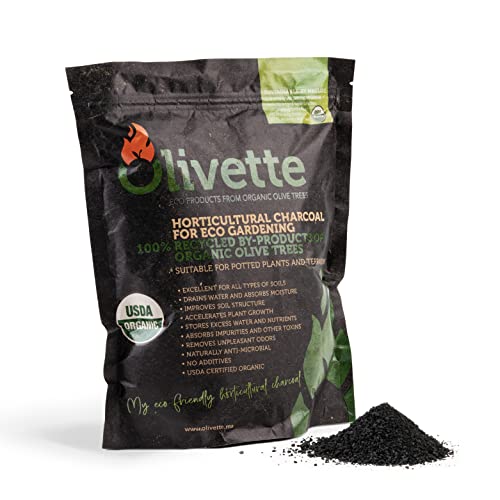
OLIVETTE Organic Biochar for Plants, 1 Bag

PlantBest Organic Coco Mulch Block 9.1 lb, 64-Quart Expansion
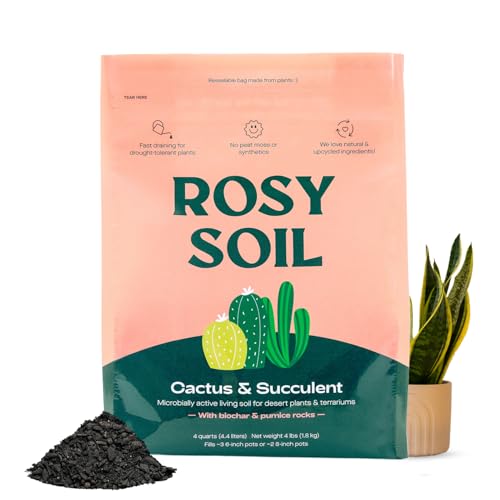
Rosy Soil Cactus and Succulent Mix, 4 Quarts

PlantBest Coco Peat Garden Soil, Peat-Free Concentrated Mix

PlantBest Coco Mulch Block 9.1 lb, 64-Quart Expansion
The Details Behind The Selections
Perlite gives an existing potting mix the open structure many Peperomia growers need. Its coarse 3-6mm particles leave space around roots for oxygen and help water move through the pot, which matters in a dim room where wet soil can remain cold for days.
Unlike the Rosy Soil mix, this bag contains an amendment rather than a complete potting blend. You blend it with your own mix, making it a practical choice for anyone adjusting one troublesome pot rather than replacing every growing medium at once.
Benefits That Matter
- Coarse particles improve airflow in dense potting mixes.
- Useful for seed starting and root cuttings.
- The 10-quart volume supports repeated pot amendments.
- The clear resealable bag simplifies storage.
Trade Offs
- You must combine it with another growing medium.
- Dust may appear during handling, so dampen and rinse it first.
Key Specs
The Right Fit
This perlite suits indoor plant owners who already own a workable base mix but need more drainage and root-zone airflow.
A Better Fit Elsewhere
Choose Rosy Soil Cactus and Succulent Mix when you want a complete, ready-to-pot medium instead of a separate additive.
Biochar is a porous carbon material made from heated organic material, and this version comes from recycled olive pits, pulp, and prunings. It gives a soil mix another place to hold moisture while leaving room for air, a useful combination in terrariums and pots where watering rates vary.
Compared with Gerta’s perlite, which chiefly creates larger spaces through its coarse particles, OLIVETTE adds both moisture regulation and lighter density. The trade-off is that biochar usually works best as a portion of a complete mix rather than the only material around the roots.
The Case For It
- Absorbs excess water while holding some moisture.
- Loosens dense soil and supports oxygen exchange.
- Made from recycled olive-processing materials.
- Suitable for orchids, succulents, bonsai, and terrariums.
Small Caveats
- The bag volume is not stated, so check the quantity before mixing.
- Very dark amendments can make a potting mix look much denser than it is.
Core Details
Who Will Love This
This biochar fits terrarium keepers and indoor growers who want an olive-based amendment that manages both drainage and moisture.
Consider Something Else When
PlantBest Coco Peat Garden Soil offers a ready-made coir base when blending charcoal with another medium feels unnecessary.
This compressed coir block is built for garden beds, trees, and landscaping rather than a small indoor Peperomia pot. Adding water expands the 9.1-pound block into 64 quarts of coconut mulch, replacing a pile of loose material with something easier to carry and store.
Gerta perlite refines the structure of potting soil, while this block creates a surface layer around outdoor plants. For a patio tree or sizable bed, that difference makes the coco material useful; for a windowsill pot, you may find the expansion creates more medium than you can use promptly.
Practical Pluses
- The compressed form saves storage space.
- Water expands the block into 64 quarts.
- Lightweight material is easier to carry.
- Useful around trees and garden plants.
Practical Considerations
- This is mulch, not a complete indoor potting mix.
- Expanded material needs suitable storage before use.
Built With In Mind
This block suits gardeners maintaining raised beds, patio trees, or larger landscape areas where coconut mulch provides convenient coverage.
Where A Sibling Pick Shines
PlantBest Coco Mulch Block 9.1 lb, 64-Quart Expansion is the closer match for non-organic landscaping needs.
A loose, chunky medium suits Peperomia varieties that develop thick leaves and store water. This ready-to-use mix includes beneficial fungi, microorganisms, and organic worm castings, giving you a complete starting point rather than another ingredient to measure and blend.
Where Gerta perlite leaves you to decide the final ratio, Rosy Soil arrives with its texture already established. That convenience comes with a smaller 4-quart package, and the mix still depends on a pot with drainage holes to handle excess water.
Real-World Strengths
- Chunky texture supports drainage and root airflow.
- Ready to use without mixing additional materials.
- Worm castings add organic matter.
- Beneficial organisms support an active soil environment.
Points To Note
- The 4-quart size suits several small pots.
- Water thoroughly after repotting to settle the mix.
Feature Snapshot
Made For
This mix fits beginners and succulent collectors who want a straightforward, airy medium for small indoor containers.
Another Choice May Suit
Gerta 10QT Organic Horticultural Perlite for Plants, 3-6mm Houseplants gives you more control when refining a larger quantity of potting mix.
This compressed coir block opens into 79 quarts of peat-free potting medium, or about 2.65 cubic feet. That expansion makes it useful for a plant room or collection of mixed indoor pots, while the compact block takes up less shelf space than loose fill.
The material is triple-washed and described as low in salts, which helps create a cleaner rooting environment. Compared with Rosy Soil’s ready-mixed texture, this option gives you a base medium to adjust with perlite or another component, offering greater control but requiring more preparation.
Positive Points
- One 11-pound block expands to 79 quarts.
- The peat-free coir base stores compactly.
- Triple washing supports a cleaner medium.
- Low salt content suits root development.
Areas To Watch
- Add perlite when your Peperomia needs faster drainage.
- Plan storage for the expanded medium.
Who Should Grab It
This concentrated mix suits indoor growers with several pots, limited storage space, and a preference for peat-free growing media.
Reach For A Different Pick When
Rosy Soil Cactus and Succulent Mix is easier for a single pot because it requires no additional amendment or expansion step.
This coco mulch block brings a practical, compact format to larger outdoor planting jobs. It expands to 64 quarts and can cover up to 17.5 square feet, making it a sensible fit for garden beds, trees, and other landscape areas where loose mulch would be cumbersome to carry.
PlantBest Organic Coco Mulch Block 9.1 lb, 64-Quart Expansion covers a similar outdoor use, so your choice comes down to whether the organic wording matches your needs. Neither mulch block serves as a refined indoor Peperomia mix; each works best around roots as surface coverage.
Standout Benefits
- Expands to 64 quarts after watering.
- Covers up to 17.5 square feet.
- Compact packaging reduces carrying bulk.
- Works around trees and garden beds.
The Fine Print
- It is mulch rather than potting soil.
- Outdoor coverage and indoor potting need different textures.
Important Details
Whose Shelf It Belongs On
This block belongs in a garden shed for homeowners covering beds or trees with a lightweight mulch medium.
Look Elsewhere When
Choose PlantBest Coco Peat Garden Soil, Peat-Free Concentrated Mix for indoor Peperomia pots rather than outdoor surface coverage.
What Matters Most in a Peperomia Potting Mix
Drainage Must Match the Pot
Peperomia generally performs better in a porous mix that drains freely without drying out immediately. A pot with drainage holes matters as much as the medium, especially when roots sit in dense soil during a humid summer. Check that water leaves the container rather than collecting at the base.
Moisture Retention Still Counts
Fast drainage is useful only when the mix can still retain enough moisture between waterings. Perlite opens the structure, biochar balances moisture, and coir provides a fibrous base. The right balance depends on your pot size, room temperature, and how often you water.
Match the Format to Your Routine
A ready-made mix such as Rosy Soil offers the simplest route for a few small pots. Larger collections can benefit from compressed coco that expands into a substantial volume, while perlite or biochar works as a targeted amendment. You can also combine an amendment with a base mix when one plant needs more aeration than the rest.
Two Details That Change Your Decision
Mistakes Worth Dodging
Choosing a large bag for one small pot can leave unused medium exposed to moisture and handling. A compact coir block solves storage but expands into much more material, so consider your pot volume first. Also avoid using outdoor mulch as indoor potting soil, since its structure and moisture behavior differ from a refined houseplant mix.
What Separates Premium From Basic
Complete mixes save mixing time and provide a more consistent texture. Separate amendments offer control and may be more economical for a single pot, but you must determine the right ratio. Biochar or perlite earns its place when your existing mix shows a specific drainage or aeration problem.
Frequently Asked Questions
Can I use garden soil for Peperomia?
Garden soil can be too dense for most indoor Peperomia pots. A porous houseplant mix amended with perlite usually gives the roots more air and a steadier watering rhythm.
Does Peperomia need perlite?
Peperomia can grow in a suitable pre-mixed medium without perlite. Adding perlite is especially helpful when your existing mix stays compact, holds water for long periods, or feels dense in the pot.
Is cactus soil suitable for Peperomia?
A chunky cactus and succulent mix can suit Peperomia because it drains readily. Your watering habits and the pot size still determine whether the mix retains enough moisture between drinks.
Should I use biochar or perlite?
Use perlite when the main concern is a dense mix that needs larger air spaces. Choose biochar when moisture control, aeration, and a reusable plant-based amendment matter more to your setup.
Can I mix coco soil with perlite?
Yes, combining coco and perlite creates a lightweight, open growing medium. Start with a generous portion of coco and add perlite gradually until the texture resembles loose, airy potting soil.
Final Verdict
For most indoor Peperomia, Rosy Soil Cactus and Succulent Mix offers the simplest path to a loose, well-aerated pot. Gerta perlite gives you finer control over an existing mix, while OLIVETTE biochar targets moisture-sensitive setups. The PlantBest products make more sense when you need coco-based growing media or outdoor mulch coverage, so match the format to the space in front of you and the way you water.
