

Orchids can struggle in ordinary potting soil because their roots need air, open space, and careful drainage. Your choice matters most when repotting a phalaenopsis, moving a plant into a new pot, or creating a small terrarium where wet conditions develop quickly. The right medium gives roots room to spread without leaving them in waterlogged material.
How The Shortlist Stacks Up
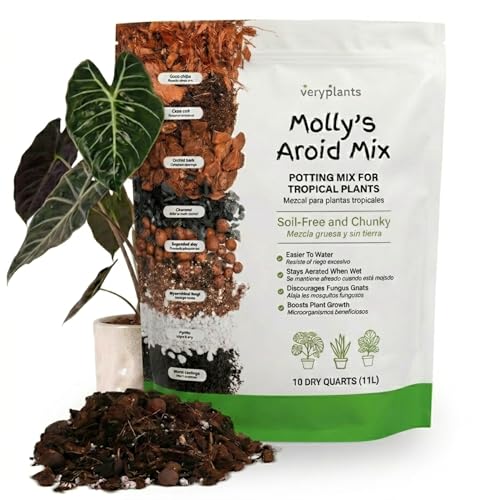
Molly’s Aroid Potting Mix 10 Dry Quarts

FoxFarm Happy Frog Potting Soil 12-Quart, Pack of 2
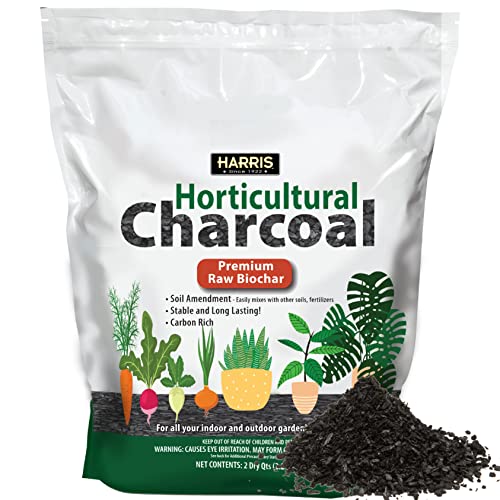
HARRIS Biochar Soil Amendment 2qt

Rosy Soil Orchid Mix 4 Quarts

Riare 1QT Orchid Potting Mix

Riare 2QT Orchid Potting Mix
More Details On Our Top Picks
A chunky, soil-free blend gives roots the open structure many tropical houseplants prefer. You can handle it without the dust and heavy weight of garden soil, while the loose material helps water move through a pot instead of staying packed around the roots.
The 10-dry-quart size works well for a plant collection, especially in a home where watering schedules vary. It is a strong choice for Monstera, Philodendron, Alocasia, and similar plants, though the mix is not formulated specifically for orchids.
The Case For It
- Open chunks reduce compaction and leave air spaces around roots.
- Fast drainage helps limit the risk of overly wet growing conditions.
- Mycorrhizal fungi support natural relationships with plant roots and nutrient uptake.
- A balanced pH profile suits container-grown tropical plants.
- The resealable bag helps keep unused mix fresh.
Worth Noting
- The formula is designed for aroids rather than orchid-specific requirements.
- The 10-quart bag takes more storage space than a small orchid mix.
Feature Snapshot
Made For
You get the most from this mix when you maintain tropical foliage plants in containers and want an open, lighter alternative to garden soil.
Where Another Pick Suits Better
Rosy Soil Orchid Mix is a better fit for a dedicated orchid repotting project because its bark, pumice, and biochar structure is formulated around orchid roots.
FoxFarm takes a broader approach here, combining garden-style ingredients with castings and other amendments for container plants. It suits a mixed household collection containing ficus, geraniums, citrus trees, roses, shrubs, and indoor plants rather than a collection built entirely around epiphytic orchids.
You fill the container, position the root mass, and water thoroughly after planting. The two 12-quart containers provide a substantial supply, which is practical when repotting several large plants or maintaining pots on a patio.
Reasons It Performs
- Ready to use, with no separate blending step required.
- Earthworm castings, bat guano, and aged forest products add organic matter.
- A custom blend of soil microbes supports root efficiency and nutrient uptake.
- Works for indoor and outdoor container plants.
- The two-container pack suits several large repotting jobs.
Points To Note
- The amended soil format is less specifically aimed at air-loving orchid roots.
- Two large bags require practical storage space.
- Choose a container two to three times the diameter of the root mass for the best fit.
The Right Fit
This option suits you when one amended potting blend needs to serve a varied collection of trees, shrubs, flowers, and indoor plants.
A Better Fit Elsewhere
Riare 2QT Orchid Potting Mix is the stronger option for phalaenopsis and other epiphytic orchids because its bark, perlite, coco peat, and forest moss formula targets orchid repotting.
Biochar is a stable, carbon-rich amendment made from plant material, and this option lets you add it to a potting mix you already use. Rather than replacing your medium outright, you combine one part biochar with nine parts potting soil, giving you control over the final blend.
That approach works nicely for orchids in terrariums, bonsai, small houseplants, and ornamental beds. You can adjust the ratio to your setup, although the measured blend already provides a straightforward starting point.
Real Benefits
- Adds carbon to the growing medium.
- Supports water-soluble nutrient retention within the mix.
- Can improve water retention in container soil.
- Useful in gardens, terrariums, orchids, and bonsai.
- Made from hardwoods, grasses, and agricultural or forest residues.
Trade Offs
- You need separate potting soil to complete the blend.
- The 2-quart size covers a limited number of small containers.
- A dedicated orchid mix is more convenient for a single-plant repotting project.
Core Details
Built With In Mind
You will appreciate this option when you enjoy building your own mixes or want a measured biochar addition for a terrarium or small orchid pot.
Look Elsewhere When
Rosy Soil Orchid Mix suits you better when you want a ready-made orchid medium and would rather avoid calculating and combining ingredients yourself.
Orchid bark, pumice, and biochar give this mix the open structure needed for roots that prefer air rather than dense soil. The result feels substantial without filling every gap with moisture, which matters in a sunny windowsill or a terrarium where drying can happen quickly.
The 4-quart container has a useful middle ground between small single-plant packs and larger general potting supplies. You can repot a mature orchid, refresh an old pot, or use the medium for a small collection.
Notable Gains
- Bark, pumice, and biochar create a chunky, fast-draining structure.
- Open spaces help orchid roots access air.
- Mycorrhizae and beneficial microbes support root development.
- The 4-quart size suits one substantial repotting project.
Small Caveats
- Biochar can create fine particles, so handle the mix carefully around the pot.
- Verify that the pot has drainage openings before repotting.
Feature Rundown
Who Will Love This
This mix suits you when your orchid collection needs an airy, ready-to-use medium with a larger supply than a one-quart potting kit.
Another Choice May Suit
Riare 1QT Orchid Potting Mix is a better fit for a single small orchid or a limited repotting job where a 4-quart supply would go unused.
This compact potting mix combines bark, perlite, coco peat, and forest moss for a more textured alternative to ordinary soil. The blend is aimed at epiphytic orchids such as phalaenopsis, cattleya, and dendrobium, which benefit from open growing conditions around their roots.
The one-quart container works neatly for a single small repot, a nursery pot, or a compact collection. Since the mix arrives ready to use, you can focus on removing the old medium and settling the roots into their new pot.
What Stands Out
- Bark and perlite create space for airflow around roots.
- Coco peat and forest moss add varied textures to the blend.
- Made with natural materials for container use.
- Pre-mixed for immediate use in a pot.
- The compact size suits a single orchid repotting project.
Possible Compromises
- One quart may be insufficient for a large orchid or several plants.
- You still need a suitable container with drainage.
Who Should Grab It
This is a practical choice for you when you maintain one small orchid and need a little fresh medium rather than a large bag.
Reach For A Different Pick When
Rosy Soil Orchid Mix fits you better when you want a larger 4-quart supply and prefer a blend built around bark, pumice, and biochar.
The 2-quart Riare mix carries the same practical blend as the smaller pack, giving you twice the volume without changing the basic components. Bark and perlite keep the structure open, while coco peat and forest moss provide finer material around the larger pieces.
You can use it for phalaenopsis, cattleya, or dendrobium, and the extra volume makes sense for repotting a few orchids at once. It is also a straightforward option for a home collection that needs fresh medium every season.
What Helps Most
- Open components support the airy root environment epiphytic orchids prefer.
- The formula suits several common orchid groups.
- Ready-to-use material saves blending time.
- Two quarts cover more than one modest repotting task.
- Natural materials provide a varied physical structure.
Things That May Matter
- Large orchid collections may need more than one container.
- The mix is formulated for orchids rather than a broad indoor-plant collection.
Product Snapshot
Whose Shelf It Belongs On
This pack belongs on your shelf when you have a small orchid collection and want a ready-made medium sized for several potting tasks.
Where A Sibling Pick Shines
Molly’s Aroid Potting Mix is the better fit for a mixed tropical houseplant collection because it is designed for aroids such as Monstera and Philodendron rather than orchids.
What To Look For In Orchid Potting Mix
Air Space Around Roots
Orchid roots need oxygen, so the medium should not become compacted or waterlogged. Chunky bark, pumice, perlite, and similar materials leave gaps that support airflow. The trade-off is that very open mixes may dry faster, especially in warm or sunny rooms.
A Blend Matched To Your Plant
Phalaenopsis, cattleya, and dendrobium are commonly described as epiphytic orchids, meaning they grow on other plants rather than rooted in ordinary ground. A mix designed for these orchids gives you a more relevant starting point than general container soil.
Drainage And Pot Compatibility
Your pot needs drainage openings, and the mix should be loose enough for water to pass through rather than collecting at the base. For terrariums, choose a smaller particle size or watch drainage closely because limited airflow can keep the medium damp.
Storage And Quantity
A one-quart pack suits a single small repot, while two or four quarts work better for a collection. Larger containers make more sense when you can keep unused mix sealed in a dry place.
Common Orchid Potting Mistakes
Wrong Turns To Avoid
Avoid choosing an amendment as a complete orchid medium. HARRIS biochar works well when mixed one part to nine parts with potting soil, but it does not replace a ready-blended orchid mix by itself. Also, avoid repotting into a pot without drainage, since trapped water can leave roots sitting in moisture.
What Separates Premium From Basic
The useful upgrade is usually a more deliberate mix, not simply a larger bag. Bark, pumice, perlite, biochar, mycorrhizae, and beneficial microbes can support an open root zone in different ways. Pay more for a larger or more specialized formulation only when your plant count and potting needs justify it.
Frequently Asked Questions
What Is The Best Soil For Orchids In Pots?
The best soil for orchids in pots is an open, fast-draining medium that provides air around the roots. Rosy Soil Orchid Mix and Riare Orchid Potting Mix are dedicated choices, while HARRIS biochar works as an amendment.
Do Orchids Need Potting Soil?
Most common epiphytic orchids grow best without dense garden soil. Bark-based mixes provide more air space, although you may still see the term “potting mix” used for the material placed in the pot.
Should I Repot An Orchid In Regular Potting Soil?
Regular potting soil can stay wetter and compact more readily than an orchid-specific mix. A dedicated bark-based medium or a carefully blended biochar mix gives you better control around the roots.
Can I Mix Biochar With Orchid Potting Mix?
Yes, but you should follow the labeled ratio and account for the structure of your existing medium. HARRIS recommends one part biochar with nine parts potting soil, which makes it easier to preserve the drainage your orchid needs.
How Much Orchid Potting Mix Do I Need?
One quart suits a small repotting job, while two or four quarts cover larger plants or several orchids. Your pot size and the amount of old medium you remove will determine the quantity you actually use.
Final Verdict
Rosy Soil Orchid Mix offers the most focused all-in-one option, while the Riare packs cover small and medium repotting needs with a ready-mixed blend. Choose Molly’s Aroid Potting Mix for tropical foliage plants, FoxFarm for a broad container collection, or HARRIS biochar when you prefer to build a custom medium. Match the mix to your orchid type, pot drainage, and the size of the job.
