

Lithops live in shallow pots where a dense, moisture-heavy mix can create more trouble than good. You need mineral-based material that drains quickly, resists compaction, and leaves room around the roots for air. The options below range from ready-to-use potting soil to amendments that let you build a leaner mix at home.
The Main Contenders

Gardenera Professional Premium Succulent Soil All-Purpose Blend, 1 Quart

BIOMAND 3/8-Inch Lava Rocks

Hoffman Western Desert Sand Cover, 2-Pack

Biotolot 3-Quart Chunky Perlite, 1/4-Inch Soil Amendment
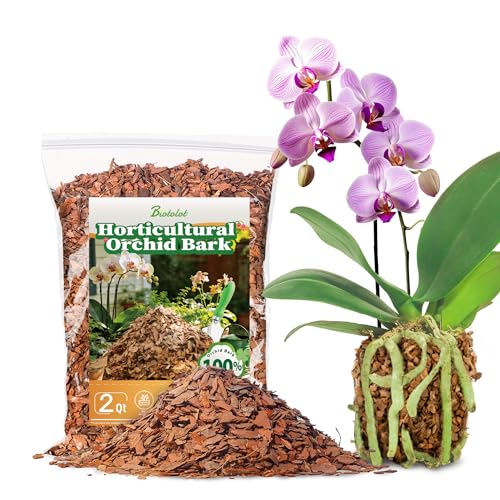
Biotolot 2 qt Orchid Bark, Natural Potted-Plant Mulch

Earth Science Fast Acting Gypsum Granules, 5 lb Soil Conditioner
Taking A Closer Look At The Options
A freshly repotted Lithops rarely needs a complicated soil formula, and this premixed blend keeps the job simple. It combines pine bark, peat moss, and perlite in a 50-30-20 proportion, giving you a workable succulent mix without measuring each component yourself.
The peat component adds some moisture retention, while bark and perlite preserve space for water and air to move through the pot. You benefit most from a ready-to-use option when you want a straightforward starting point for several small succulents.
Useful Strengths
- Ready to use, with no separate measuring or blending required.
- Balanced ingredients suit routine succulent and cactus potting.
- Perlite and bark create more open space than dense potting soil.
- The one-quart container suits small to medium pot-filling projects.
Trade Offs
- Peat moss makes this more moisture-retentive than a strictly mineral Lithops mix.
- The one-quart volume may require several containers for a larger collection.
Feature Snapshot
Who It Suits Best
This mix best suits beginners and casual growers who want a convenient, balanced starting medium for Lithops and other succulents.
A Better Fit Elsewhere
Experienced growers seeking a fully mineral medium may prefer Biotolot 3-Quart Chunky Perlite, 1/4-Inch Soil Amendment for greater control over the final mix.
Lava rock adds the coarse, porous structure that many Lithops growers want in the lower portion of a pot. Unlike the Gardenera Professional Premium Succulent Soil All-Purpose Blend, this is a mineral component rather than a complete premixed soil.
The 3/8-inch pieces resist packing together and create channels for water and oxygen. For a custom mix, these rocks work well alongside another mineral ingredient; as a top layer, they also suit cactus and succulent displays where a coarse finish fits the style.
Notable Upsides
- Porous volcanic material supports drainage and aeration.
- The coarse 3/8-inch size helps limit compaction.
- Pre-washing reduces the amount of loose dust.
- The 2.5-pound quantity provides useful bulk for several pots.
Small Caveats
- Rinse the rocks before use because natural texture may release a few particles.
- Use a drainage hole and keep the rock layer away from the pot opening.
Quick Facts
Built With In Mind
This option suits growers who build mineral-heavy mixes and understand how to combine drainage components with a finer base.
Consider Something Else When
Gardenera Professional Premium Succulent Soil All-Purpose Blend is easier for you to use when you want one ready-to-pot medium instead of separate ingredients.
Fine sand gives a potted Lithops display a neat desert-style surface, but its practical value depends on how you use it. This washed silica quartz sand can sit above the soil as a top dressing or be incorporated into a custom mix for additional drainage.
Compared with the chunkier BIOMAND 3/8-Inch Lava Rocks, sand has a smaller particle size and a different visual effect. You may find it useful for covering the surface of a mixed succulent arrangement, provided the underlying soil already drains freely.
Where It Delivers
- Clean, washed quartz sand supports drainage and aeration when mixed into soil.
- The sandy top layer complements desert-style container displays.
- Two two-quart bags give you plenty for topping several pots.
Practical Considerations
- Fine sand alone does not provide the open structure Lithops generally favor.
- A top layer can wash or shift during watering, so check the drainage hole.
- Confirm that the decorative layer remains shallow enough not to bury the plant.
The Right Fit
This sand suits you best when presentation matters alongside drainage and you already have a suitable succulent mix underneath.
Look Elsewhere When
BIOMAND 3/8-Inch Lava Rocks serve you better when coarse mineral structure and visible air space matter more than a smooth decorative surface.
Chunky perlite is a practical adjustment for a potting mix that drains too slowly. This 1/4-inch material adds open space, reduces compaction, and helps water move through the container rather than lingering around the roots.
Unlike the ready-mixed Gardenera Professional Premium Succulent Soil All-Purpose Blend, this is an amendment you combine with another medium. That control makes it useful for anyone already familiar with how a Lithops pot should be assembled.
Points In Its Favor
- Large particles preserve useful air space in a potting mix.
- The neutral pH supports a broad range of container plants.
- Lightweight material is easier to handle than dense garden soil.
- Three quarts suit several small succulent pots or one larger container.
Details To Watch
- You need to determine the appropriate perlite-to-base ratio for your mix.
- Fine perlite can shift during watering, so use the coarser grade offered here.
- Perlite alone is not a complete potting medium for Lithops.
The Numbers That Matter
Who Will Love This
This perlite suits experienced home growers who want to adjust drainage without changing the mineral character of their base mix.
Another Choice May Suit
BIOMAND 3/8-Inch Lava Rocks may suit you better when you prefer a heavier volcanic component over lightweight perlite.
Orchid bark is built around open spaces rather than fine particles, which explains its popularity for orchids and other plants that appreciate air around their roots. Its screened, roughly 1/2-inch pieces create an irregular structure that doesn’t settle as densely as ordinary potting soil.
That openness makes it a secondary option for a Lithops collection rather than the first choice. Compared with the neutral, fine-grained Biotolot 3-Quart Chunky Perlite, bark brings a rougher texture and is intended primarily for orchids and garden-soil amendment.
Noteworthy Benefits
- Open spaces encourage airflow and rapid water movement.
- The natural bark pieces suit orchid cultivation.
- It can also serve as a mulch or amendment in garden soil.
- The two-quart quantity is manageable for a small plant collection.
Where It May Fall Short
- Its orchid focus makes it less directly suited to Lithops than purpose-made succulent mix.
- Large pieces can create large voids around small roots.
- You need another soil component to create a balanced custom mix.
Made For
This bark fits you best when you grow orchids alongside succulents and want one natural material for several container-plant jobs.
Reach For A Different Pick When
Gardenera Professional Premium Succulent Soil All-Purpose Blend suits you better when your priority is a complete succulent medium for Lithops.
Gypsum becomes relevant when Lithops grow outdoors in compact or salt-affected soil rather than in a small container of prepared mix. These fast-acting granules are intended to loosen dense soil, add calcium, and improve water penetration around roots.
Unlike the BIOMAND 3/8-Inch Lava Rocks, this product does not create air pockets through coarse particles. Its role is soil conditioning, and the Nutri-Bond runoff-reduction feature helps keep water moving through treated soil for longer periods.
The Practical Payoff
- Targets compacted clay and hard garden soil.
- Adds calcium while supporting root development.
- Designed for improved water penetration and runoff reduction.
- Suited to salt-damaged outdoor soil.
Possible Compromises
- It does not replace the mineral potting mix needed for container Lithops.
- The five-pound quantity is aimed more toward garden beds than small pots.
- Outdoor soil still needs good drainage and a suitable planting depth.
Feature Breakdown
Whose Shelf It Belongs On
This conditioner suits outdoor growers dealing with compact or salt-affected planting soil around their Lithops.
Swap It Out When
Biotolot 3-Quart Chunky Perlite, 1/4-Inch Soil Amendment suits you better for building a free-draining container mix.
What Actually Matters in a Lithops Pot
Drainage Comes First
Lithops evolved under conditions where water drains rapidly from shallow soil. Your pot needs an unobstructed drainage hole, and the mix should not remain saturated for long periods. A ready-made succulent blend gives you the quickest start, while mineral amendments give you more control.
Particle Size Changes Watering
Coarse pieces such as lava rock or 1/4-inch perlite create larger spaces through which water and air can move. Fine sand changes the surface and can compact differently, so it works best alongside an already open mix rather than serving as the entire growing medium.
Keep the Mix Lean
Rich, moisture-retentive potting mix can leave Lithops sitting in damp conditions longer than they prefer. Peat-based blends are convenient, while a custom mineral mix offers a leaner root environment. Adjust watering to the actual moisture retained by your pot rather than a fixed schedule.
Match the Product to the Setting
A shallow container calls for a premixed succulent soil or controlled amendment. Compact outdoor soil calls for a conditioner such as gypsum. Decorative sand works best as a top layer, and orchid bark makes more sense for mixed collections centered on orchids.
Common Mistakes Worth Avoiding
Mistakes Worth Dodging
Adding a thick rock layer beneath dense soil can leave water trapped where you intended to improve drainage. A gravel-like layer needs an open mix above it, and the drainage hole must remain clear. Avoid choosing a product only for its appearance when the root zone stays too dense.
When Paying More Pays Off
A larger or more specialized package may suit frequent growers who repot often or work with several containers. Paying extra has little value if the material does not match your soil and drainage needs. The useful upgrade is better control and enough material for the job, not simply a larger bag.
Frequently Asked Questions
What soil is best for Lithops?
A fast-draining, mineral-rich mix is best for Lithops. A premixed succulent blend works for convenience, while custom mixes with perlite or lava rock provide greater control over aeration and moisture retention.
Can regular potting soil be used for Lithops?
Regular potting soil can retain too much moisture for many Lithops, particularly in cool or poorly ventilated conditions. You can improve it with suitable mineral material, though a succulent-focused blend is usually simpler and more consistent.
Is perlite safe for Lithops?
Perlite can create useful drainage and aeration when mixed with other components. Use the coarse 1/4-inch grade rather than fine perlite, and avoid relying on perlite alone as the complete growing medium.
Should Lithops have a top layer of sand?
A thin sand layer can protect the soil surface and create a desert-style appearance. It should remain decorative or supplemental rather than forming a dense layer that limits airflow around the plant base.
Do Lithops need gypsum in their soil?
Container-grown Lithops usually rely on a suitable potting mix rather than gypsum. Outdoor plants in compact or salt-affected garden soil may benefit from a soil conditioner, but drainage and planting conditions still require attention.
Final Verdict
Gardenera Professional Premium Succulent Soil All-Purpose Blend is the easiest practical starting point for most Lithops growers, while Biotolot 3-Quart Chunky Perlite gives you better control over a leaner custom mix. Lava rock suits mineral-heavy recipes, while sand is most useful as a finishing layer. Choose based on your container, drainage needs, and comfort with blending rather than on appearance alone.
