

A jalapeño plant in a container can fail from one of two opposite problems: soil that stays too wet around the roots, or a mix that dries before the plant can drink. Your setup matters, too, because a patio pot, an indoor windowsill, and a raised bed call for different amounts of moisture control and root space.
The right growing medium should support steady growth without leaving the root zone soggy. It should also be easy to handle, especially when you are starting seedlings, transplanting young plants, or refreshing a container. These options cover different needs, from water-retaining vermiculite to lightweight coconut coir and ready-to-use potting mix.
The Lineup, Simplified

PVP Industries 4 Cubic Feet Medium Vermiculite Soil Conditioner for Seed Starting

PlantBest Coco Mulch Compressed Block 9.1 lb Organic Coconut Mulch

Miracle-Gro Potting Mix 8 qt. 3-Pack, Feeds Up to 6 Months
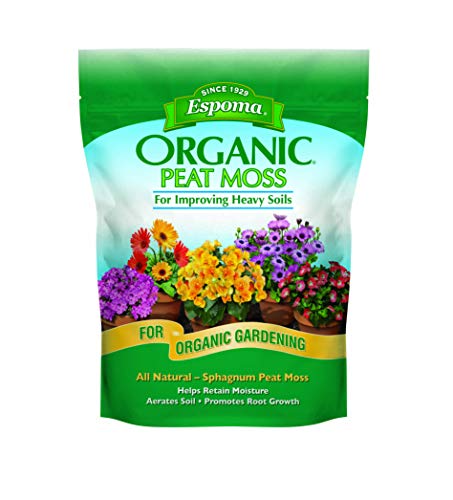
Espoma Organic Peat Moss 8-Quart Sphagnum for Aeration and Moisture Retention

PlantBest Coco Peat Garden Soil

PlantBest Coco Mulch Compressed Block 9.1 lb for Garden Beds
Vermiculite is a light, porous mineral that works as a soil conditioner rather than a complete potting mix. For jalapeño seedlings, that distinction matters: you can blend it with another medium to improve water retention and root anchorage without committing to a dense, water-heavy base.
Its 4-cubic-foot volume gives you room to prepare several batches, while the medium-granule format suits mixing with potting soil, peat, composted bark, or other growing media. The pH-neutral, sterile, mold-resistant profile also makes it a sensible base for propagation work, though you still need to provide a suitable container and drainage.
Useful Strengths
- Absorbs more than three times its volume in water, helping you build a moisture-retentive blend for seedlings and transplants.
- Supports stronger anchorage when mixed with soil or potting media, rather than relying on vermiculite alone.
- Can hold ammonium, potassium, calcium, and magnesium, adding useful mineral-holding capacity to a custom mix.
- Works for seed germination, cuttings, hydroponic setups, raised beds, and indoor planters.
Trade Offs
- It is an additive, not a ready-to-use soil, so you need to combine it with another medium before planting.
- The large volume needs adequate storage, and overwatering can still create a root-zone problem in a closed container.
Key Specs
Built With In Mind
This suits gardeners starting jalapeño seedlings or making their own moisture-retentive container blends.
Where Another Pick Shines
Miracle-Gro Potting Mix suits you when you want a ready-to-use medium without preparing a custom blend.
Coconut mulch is primarily a surface material, not a planting medium. It can be useful around jalapeño plants in raised beds or large containers because the coir layer helps reduce exposed soil and supports the kind of moisture regulation you want during warm weather.
The compressed block is the practical part. At 9.1 pounds, it is easier to carry and store than a loose, bulky mulch product, then expands with water into approximately 64 quarts. For a patio gardener, that makes it much easier to handle a meaningful amount of material without taking up the same amount of shelf space.
Strong Points
- Compressed packaging makes storage and transport simpler than loose mulch.
- Expands to 64 quarts, giving you a useful amount for garden beds or several containers.
- The organic coconut material is suited to mulching around trees, plants, and vegetables.
- Works as both a landscaping material and a surface layer for potted jalapeños.
Small Caveats
- It must be hydrated and expanded before application, so you need a container or spreader with enough room.
- As mulch, it sits around the plant rather than replacing the potting medium that holds the roots.
At A Glance
The Right Fit
This is a good match for gardeners who want lightweight coconut mulch for outdoor beds and want easy storage.
Consider Something Else When
PlantBest Coco Peat Garden Soil suits you more when the priority is a peat-free root medium rather than a surface layer.
Miracle-Gro Potting Mix removes the preparation step. You can fill a container, place the jalapeño plant inside, and firm the mix around the roots without first building a blend from separate components. That convenience is useful for seasonal container planting or maintaining several vegetables and flowers in one session.
The stated feeding window extends up to six months, which may appeal to gardeners who want a low-maintenance routine. The trade-off is that you give up control over the exact texture and composition of the medium, so this option works best for standard outdoor containers rather than specialized propagation or hydroponic setups.
Everyday Perks
- Ready to use, which keeps repotting simple and reduces the number of materials you need on hand.
- Designed for outdoor containers holding vegetables, herbs, flowers, shrubs, annuals, and perennials.
- Feeds potted plants for up to six months, supporting a low-fuss care schedule.
- Each 8-quart pack gives you a manageable amount for several containers.
Practical Considerations
- This is a general-purpose container mix, so you cannot adjust its drainage profile as easily as a custom coir or vermiculite blend.
- The feeding claim does not replace normal checks for moisture, drainage, and root health.
Made For
This suits home gardeners who want an easy potting mix for jalapeños and other vegetables in outdoor containers.
A Better Fit Elsewhere
PVP Industries Medium Vermiculite suits you better when you want to control moisture retention by mixing your own growing medium.
Sphagnum peat moss is a fine-textured amendment that holds water while helping loosen dense mixes. For jalapeños, it can be a useful component in a custom blend, especially when your existing potting soil feels compacted and you want more air space around the roots.
Espoma’s material is 100% peat moss with no additives, so it gives you a straightforward ingredient to combine with perlite or another base. The stated uses include potting mixes, garden soils, cuttings, and bulbs. It requires careful mixing, though, because the amount you add changes both moisture retention and aeration.
Useful Touches
- Helps loosen heavy potting soils while retaining moisture for less frequent watering.
- Contains only peat moss, giving you a simple base for custom container blends.
- Can be mixed with perlite for a soilless starting medium.
- Works for cuttings, bulbs, potting mixes, and native garden soils.
Details To Watch
- Peat moss is an amendment, not a complete soil for direct planting on its own.
- Because it retains water, over-amending a mix can make a container less aerated than you want.
Feature Snapshot
Who Will Love This
This is for gardeners making their own mixes, starting cuttings, or improving a dense potting medium for container-grown jalapeños.
Reach For A Different Pick When
PlantBest Coco Peat Garden Soil is a better fit when you want a concentrated, peat-free medium that expands from a compact block.
Coconut coir gives you a peat-free alternative to traditional peat-based mixes, and this concentrated format keeps the product compact before use. That makes it appealing for a small potting bench, an apartment balcony, or anyone who wants to keep a growing medium on hand without storing several heavy bags.
The block expands with water into a larger volume of growing medium, so you can prepare only the amount your containers require. It is also described as triple-washed and low in salts, which helps explain why it is a practical option for gardeners who want a clean, consistent base for jalapeño transplants and container vegetables.
Key Advantages
- Concentrated packaging reduces storage space compared with loose growing media.
- Expands quickly after hydration, making it convenient to prepare only what you need.
- Peat-free composition gives you an alternative to traditional peat mixes.
- Triple-washed and low in salts support a clean starting medium for container plants.
Possible Compromises
- You need to hydrate and expand the block before using it as potting medium.
- Its properties may differ from a familiar soil-based mix, so you may need to adjust watering habits after planting.
The Right Fit
This suits apartment growers and balcony gardeners who want a lightweight, peat-free medium for jalapeños in containers.
Another Choice May Suit
Miracle-Gro Potting Mix suits you better when you want a ready-to-use mix with a stated feeding window and no preparation step.
This compressed coconut mulch is built for outdoor coverage, especially garden beds, trees, and planted areas where you want a surface layer. The block form is a practical choice for anyone who wants to cover more ground without hauling a pile of loose material from the garden center.
After expansion, the 9.1-pound block produces approximately 64 quarts and can cover up to 17.5 square feet. That makes it more useful for a raised bed or a group of large containers than for a single small pot. It is a mulch, so it complements the soil rather than replacing it.
Notable Gains
- Compressed form is simpler to carry and store than loose mulch.
- Expands to 64 quarts for use in larger outdoor planting areas.
- Provides coverage across up to 17.5 square feet, depending on spreading depth and area.
- Useful around trees, plants, and garden beds where a protective surface layer is wanted.
Where It May Fall Short
- You need a sufficiently large container for expansion and a place to spread the material afterward.
- Its coverage makes it less convenient for a single compact jalapeño pot than a small bag of potting mix.
Made For
This is for outdoor gardeners who want lightweight coconut mulch for a raised bed, tree area, or group of containers.
Swap It Out When
Espoma Organic Peat Moss suits you better when you need an additive for loosening and moisture retention in a custom root mix.
What Matters Before You Fill a Jalapeño Pot
Drainage and moisture control are the first considerations for a jalapeño in a container. A mix that holds too much water can leave roots sitting in saturated soil, while a very loose, fast-draining medium may need frequent watering in warm weather. Vermiculite, peat moss, and coir each change the balance differently, so your watering routine and container size matter.
Container size also affects the decision. A small pot has less reserve for moisture and nutrients, so a medium with some water-holding capacity can be useful. Larger containers give roots more room but need a mix that does not remain compacted, which is where coir or a blended potting medium may be more practical.
Comfort during handling matters too. Compressed blocks are convenient for people with limited storage space, while loose or premixed potting soil is simpler when you want to pot immediately. For raised beds, mulch belongs on the surface; for the root zone, you need a growing medium designed for planting.
Drainage and Moisture
Vermiculite and peat moss are especially useful for adding moisture retention to a custom blend. Coir provides a lighter, peat-free alternative, and ready-made potting mix saves time. Check drainage holes and avoid assuming that a moisture-retentive mix can compensate for a pot without an outlet.
Seedlings Versus Established Plants
Seedlings and cuttings benefit from a fine, carefully blended medium with strong aeration and enough moisture to support new roots. Established container plants give you more flexibility with a general potting mix, especially one formulated to feed outdoor containers over a longer growing period.
Mulch Is a Surface Choice
Coconut mulch belongs around the plant, not in place of the root-growing medium. It can help reduce exposed soil and support a tidy outdoor setup, but a jalapeño still needs a properly textured medium around its roots.
The Case For Spending Up
Higher-cost options tend to offer convenience, concentrated packaging, or specialized performance rather than a magical change in plant growth. A premium potting mix may save preparation time, while a compressed coir block can save storage space. Those benefits are worthwhile when your space, schedule, or planting volume makes them practical.
A Quick Check Before You Pot
Common Shopping Slip Ups
Do not choose mulch for the bottom of a container when you need a root medium. Another common mistake is choosing a water-retentive mix without checking the container’s drainage, or buying a large loose bag when a compressed block would be easier to store.
What The Higher Tier Buys
The extra cost may buy ready-to-use feeding, a peat-free concentrated medium, or easier handling and storage. It matters most when you repot often, garden on a balcony, or want less mixing and carrying during the growing season.
Frequently Asked Questions
What is the best soil for jalapeño plants in containers?
A loose, well-draining potting medium with enough moisture retention is usually the most practical choice for container-grown jalapeños. Miracle-Gro Potting Mix offers the simplest starting point, while custom blends with vermiculite or coir give you more control.
Can I use coconut mulch as potting soil for jalapeños?
Coconut mulch works best as a surface layer around outdoor plants, not as the primary medium holding the roots. Use a coir potting mix or another suitable growing medium in the container, then add mulch around the top when appropriate.
Is peat moss good for jalapeño plants?
Peat moss can improve moisture retention and loosen dense potting mixes, but it works best as an amendment rather than a stand-alone soil. Mix it with another medium and adjust the ratio according to how much moisture your container holds.
What is the advantage of a compressed coir block?
A compressed block is lighter to carry and takes less space before you add water. It expands into a larger volume of growing medium, which is convenient for patios, balconies, and seasonal container planting.
How much soil do I need for one jalapeño plant?
The amount depends on the container size and whether you are starting from a compressed block or a premixed bag. Choose a pot with drainage and enough root room, then prepare only the medium you need for the transplant.
Final Verdict
The best fit depends on your setup: use ready-made potting mix for straightforward container planting, vermiculite or peat moss to build a custom blend, and coir for a compact peat-free medium. Coconut mulch is a practical surface addition for garden beds and outdoor containers. Match the medium to your drainage, storage, and watering needs, then give the plant steady care.
